

+86-159 9860 6917
info@geofantex.com
geofantex@gmail.com
+86-400-8266163-44899
Drainage geocomposite products provide effective water management for retaining walls, landfills, foundations, and infrastructure projects. For contractors and procurement teams, choosing the right material requires evaluating flow capacity, compressive strength, filtration performance, and project conditions. This guide explains the key specifications, common applications, and purchasing considerations to help buyers select suitable drainage materials and request accurate quotations.
What Are the Key Drainage Geocomposite Specifications?
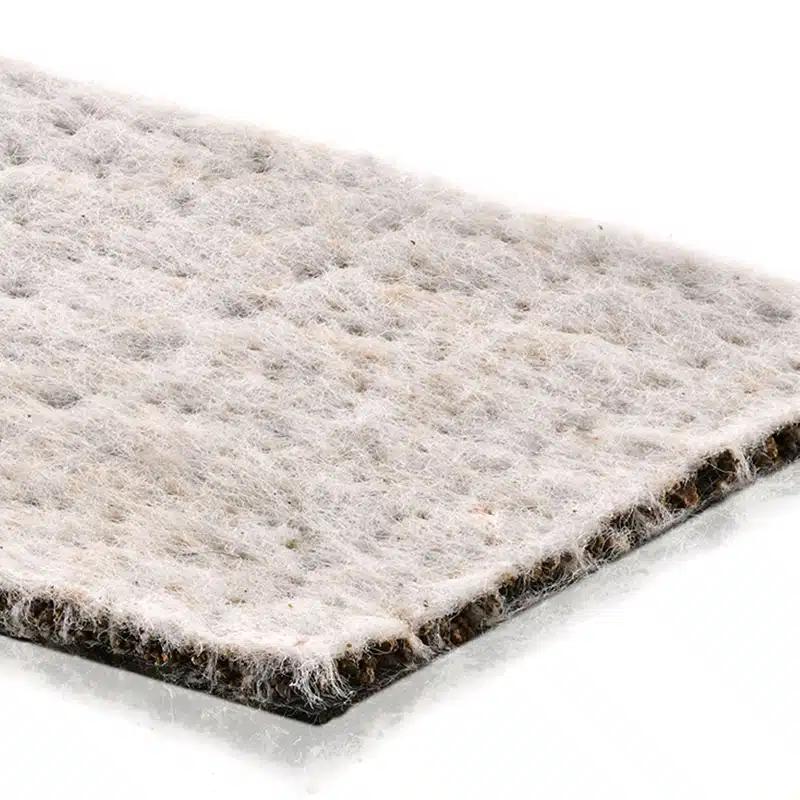
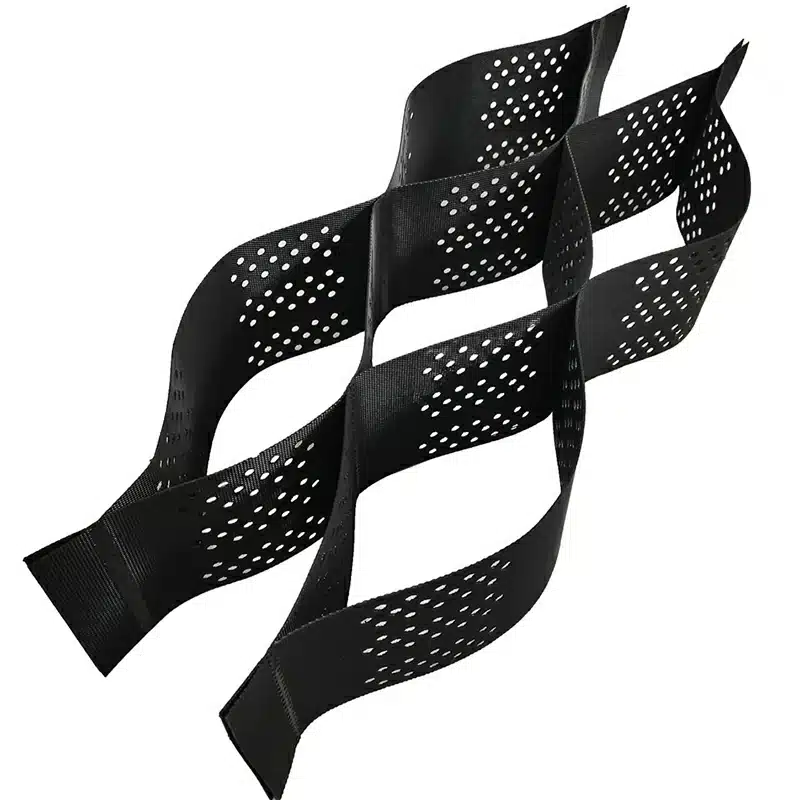
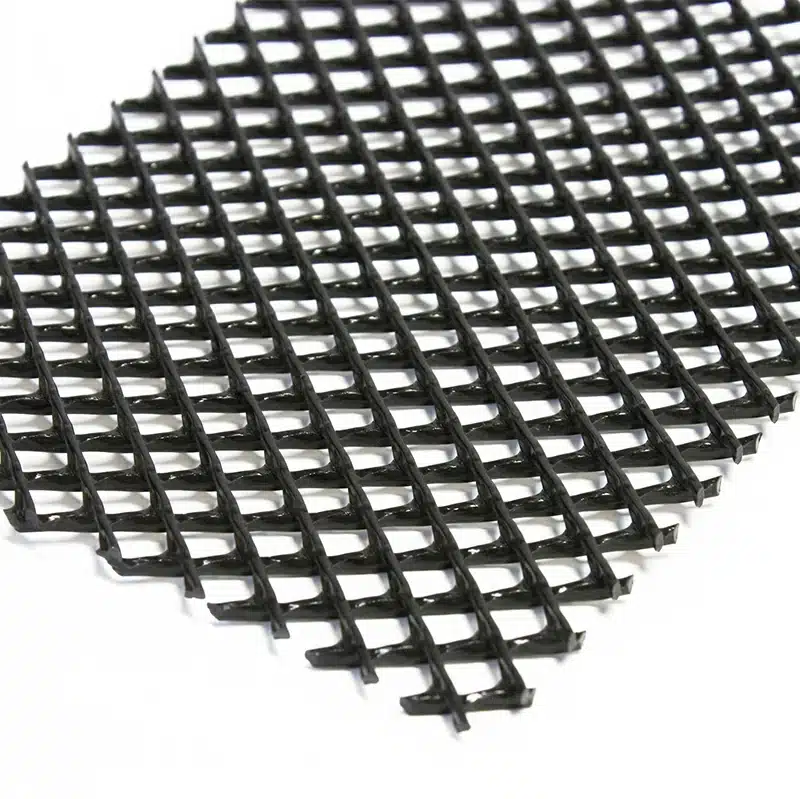
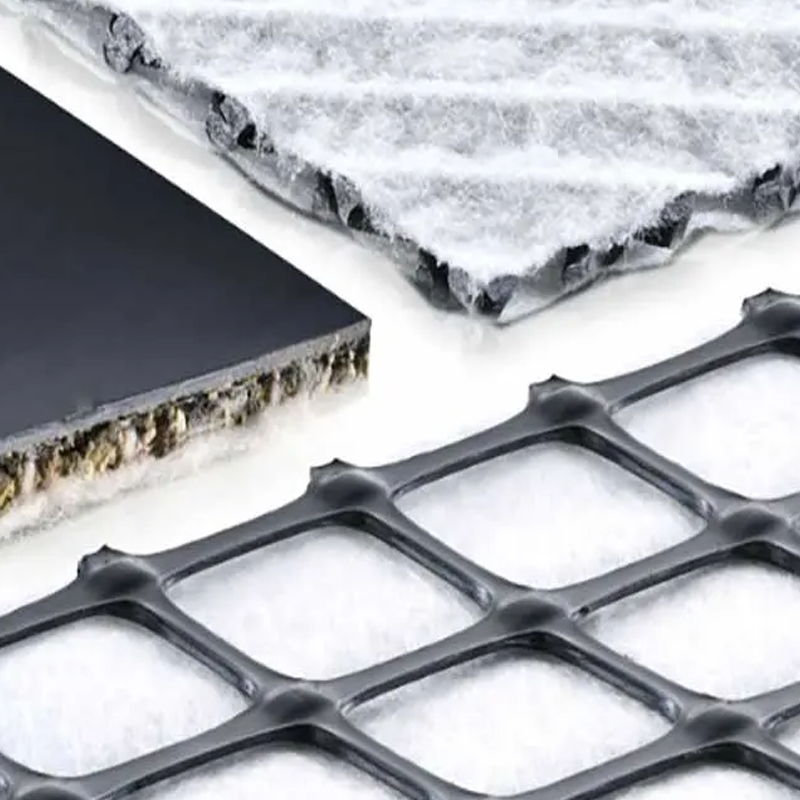
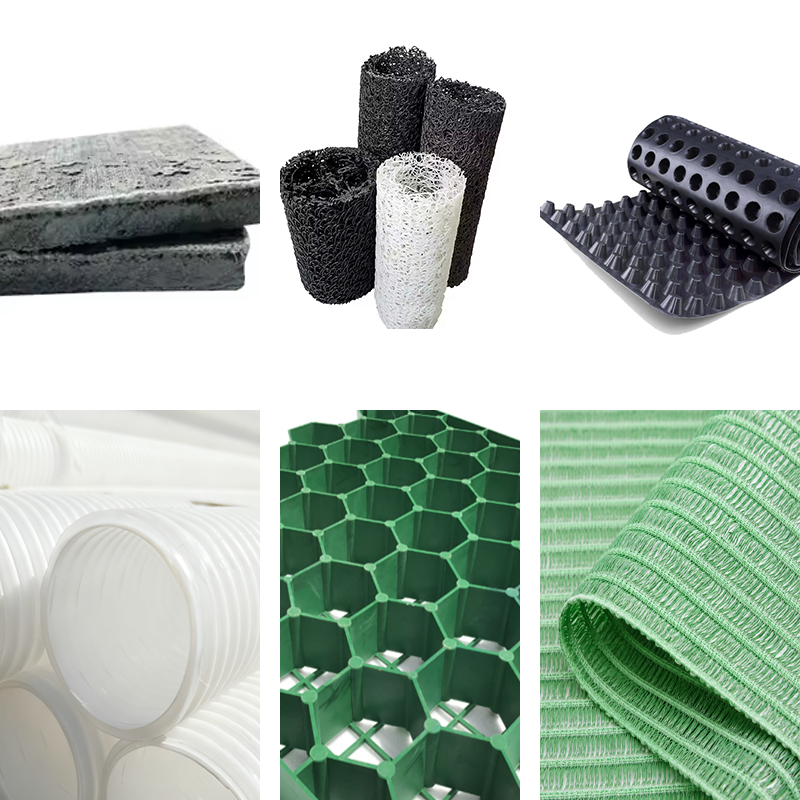
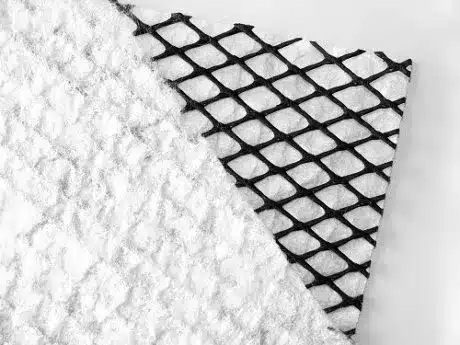
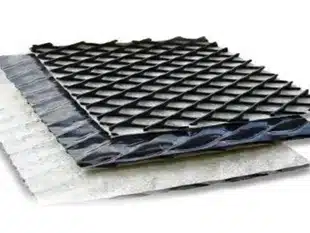
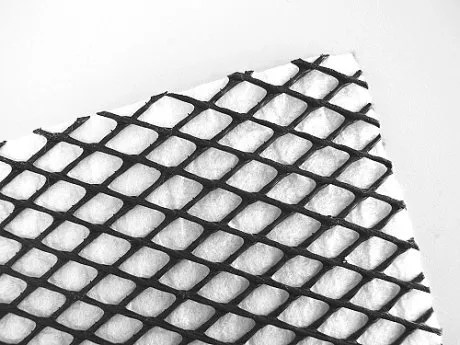
A drainage composite typically consists of a polymer drainage core bonded to one or two geotextile layers. The core creates channels for water or gas flow, while the geotextile provides filtration and helps prevent surrounding soil particles from entering the drainage system.
Buyers should evaluate hydraulic transmissivity, compressive performance, geotextile filtration properties, core material, and roll dimensions. Hydraulic transmissivity measures in-plane water flow capacity under specified loading and hydraulic conditions. ASTM D4716/D4716M is commonly used to evaluate this property.
| Specification | Purchasing Consideration |
|---|---|
| Core material | HDPE or another polymer compatible with project conditions |
| Thickness | Nominal dimensions and performance under compression |
| Hydraulic transmissivity | Required flow capacity under design loading conditions |
| Compressive performance | Resistance to deformation under sustained pressure |
| Geotextile filtration | Opening size and permeability compatible with the surrounding soil |
| Roll dimensions | Width, length, installation coverage, and transportation efficiency |
Long-term performance webbaso because sustained compression, creep, and clogging can reduce drainage capacity. Buyers should request test reports that reflect realistic project conditions.
For detailed product configurations and available specifications, explore drainage geocomposite technical specifications and product options before selecting materials for your project.
Where Is Drainage Geocomposite Used in Construction?
Drainage composites are widely used in environmental engineering, infrastructure construction, and underground waterproofing systems. Their integrated drainage and filtration functions can reduce the need for thick granular drainage layers in suitable applications.
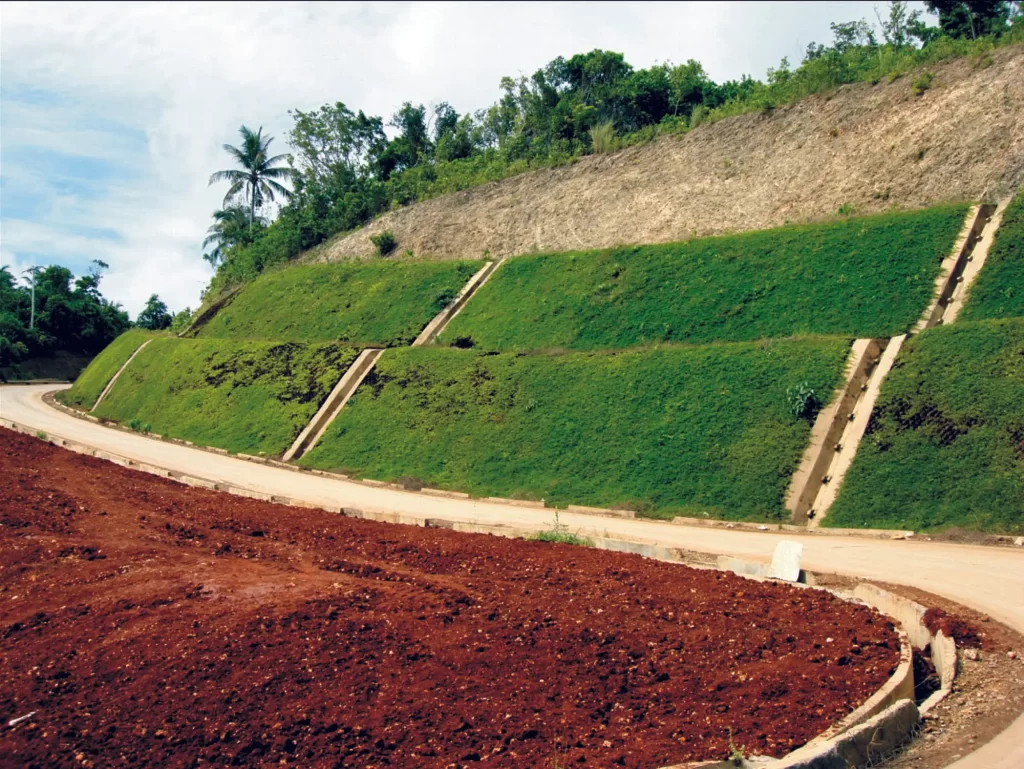
In retaining wall construction, these materials are installed behind the wall to collect groundwater and direct it toward drainage outlets. Proper drainage reduces hydrostatic pressure and supports long-term structural performance. Product selection should consider backfill characteristics, wall height, and expected earth pressure.
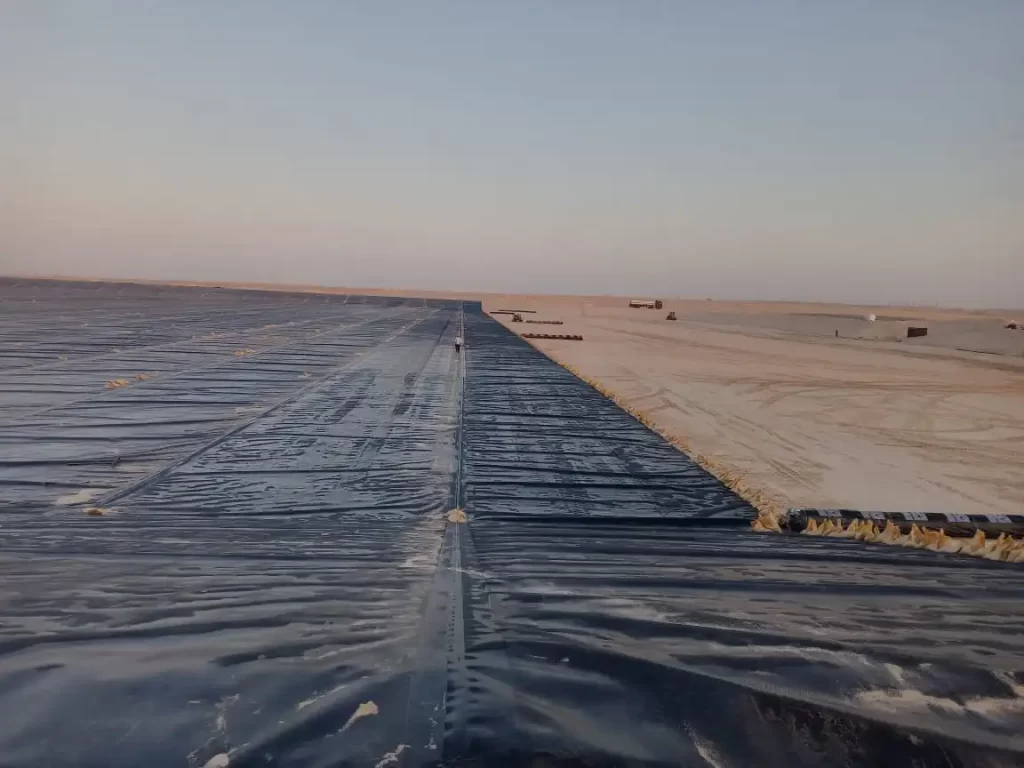
In landfill engineering, drainage composites can be incorporated into liner and cover systems for leachate or gas collection. These applications require sufficient long-term flow capacity, chemical compatibility, and resistance to compression under substantial overburden loads.
For roads and railways, drainage layers help control water accumulation within pavement structures and subgrade systems. In foundations and basements, they can work alongside waterproofing membranes to direct groundwater toward collection systems.
Buyers planning retaining wall or landfill projects can review drainage geocomposite solutions for retaining walls and landfills to identify suitable configurations for different installation conditions.
How to Select the Right Drainage Geocomposite?
Product selection should begin with the project’s hydraulic requirements, expected loading, surrounding soil characteristics, and installation conditions. A suitable material must maintain adequate drainage capacity throughout its intended service life.
First, determine the required flow capacity based on water inflow, drainage length, hydraulic gradient, and outlet configuration. Compare supplier test results under equivalent normal stresses and boundary conditions. Higher laboratory flow values do not necessarily indicate better field performance.
Next, evaluate compressive performance and long-term deformation. Materials installed beneath heavy soil cover require drainage cores capable of maintaining functional flow channels under sustained loading.
Filtration compatibility is equally important. The geotextile opening size and permeability should be compatible with the surrounding soil conditions to limit particle migration without restricting water entry.
Finally, consider roll dimensions, installation overlaps, handling requirements, and transportation costs. Comparing total installed costs rather than unit prices alone helps buyers make more cost-effective purchasing decisions.
What Should Buyers Check Before Ordering?
Before purchasing, request a complete technical data sheet, relevant test reports, available roll dimensions, and confirmation of the product configuration. Verify that the material meets the project’s specified hydraulic, mechanical, and filtration requirements.
Order planning should account for the total installation area, overlaps, trimming losses, and packaging requirements. International buyers should also confirm manufacturing lead times, container-loading arrangements, shipping documentation, and delivery terms.
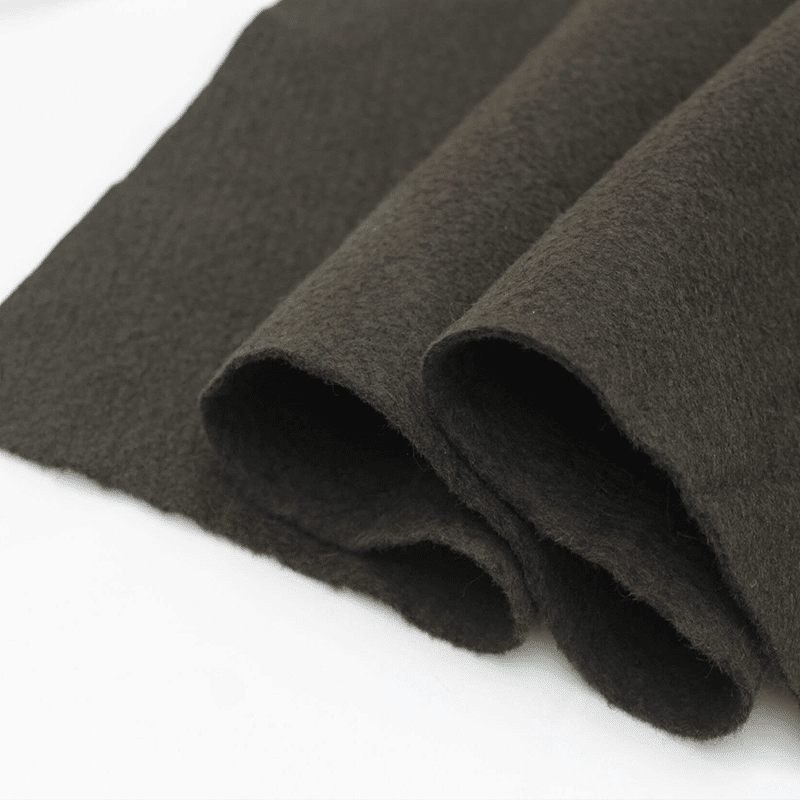
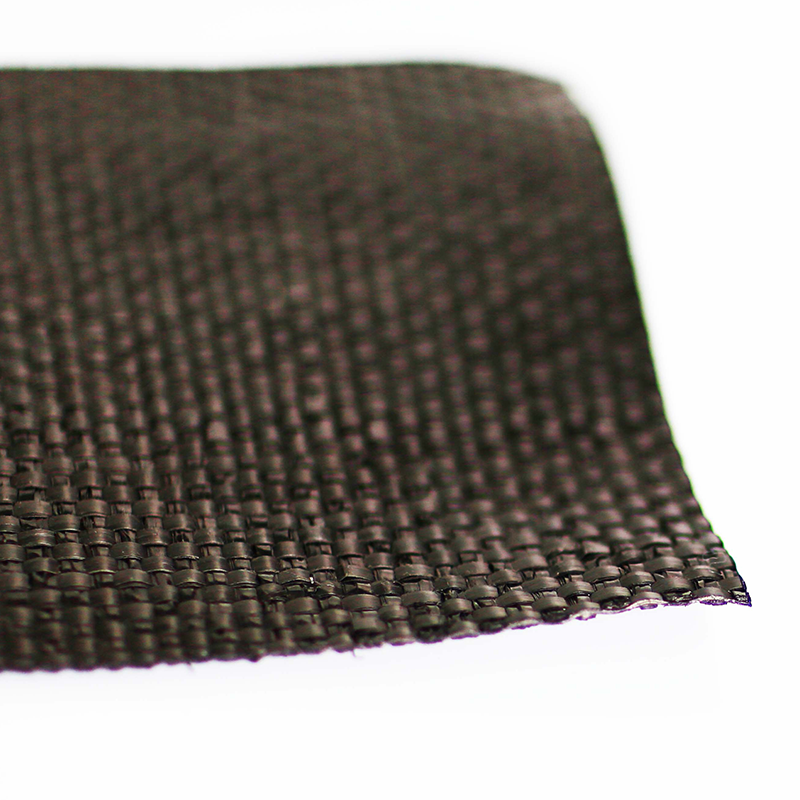
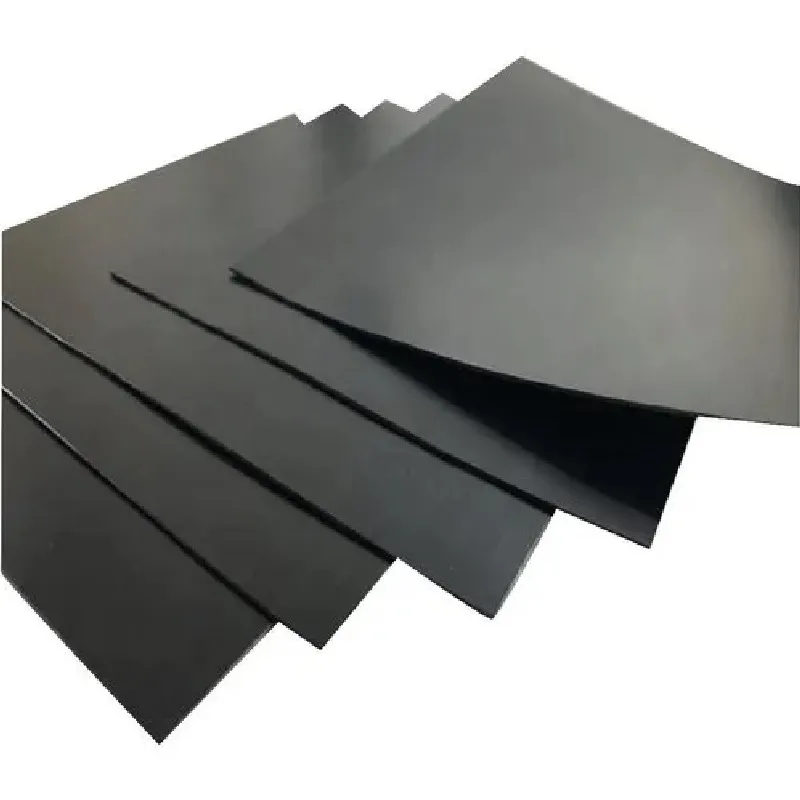
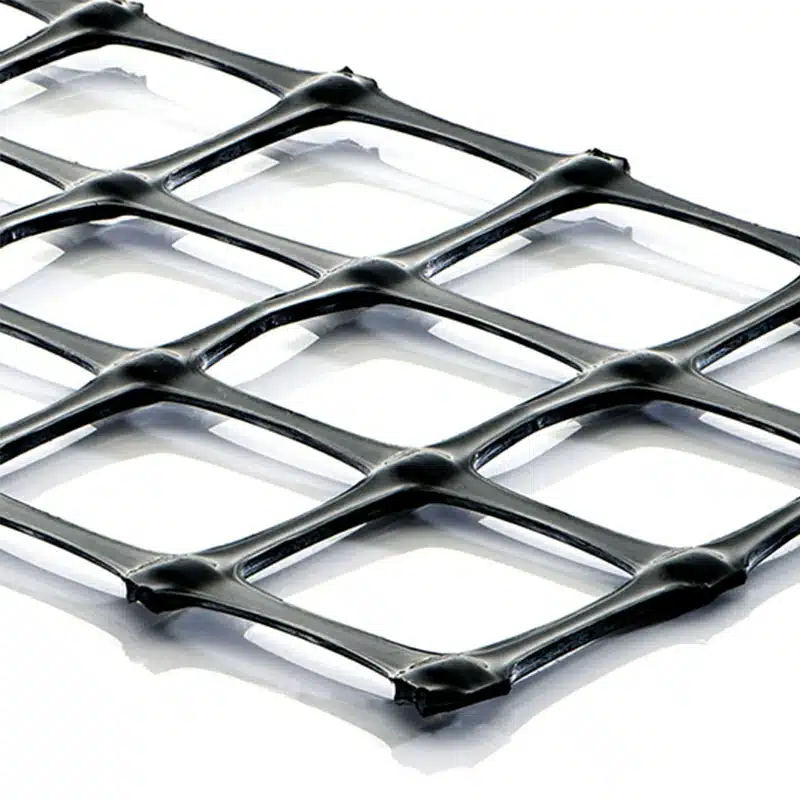
Supplier reliability matters as much as product specifications. Geofantex supplies geosynthetic materials for infrastructure and environmental engineering projects, including drainage composites, geotextiles, geomembranes, and geogrids. Product selection support and specification-based sourcing help contractors, distributors, and procurement teams evaluate suitable options.
For purchasing assistance, review drainage geocomposite manufacturer quotations and supply services to learn about available product options and quotation requirements.
Selecting an appropriate drainage composite requires balancing hydraulic performance, compressive resistance, filtration compatibility, and overall project costs. Careful specification review helps buyers reduce procurement risks and improve long-term drainage reliability.
Geofantex supports international buyers with geosynthetic material selection and supply services. Send us your project specifications, required quantity, intended application, and delivery destination to receive a suitable product recommendation and a tailored quotation.
Get Free Sample
We’ll respond as soon as possible(within 12 hours)