

+86-159 9860 6917
info@geofantex.com
geofantex@gmail.com
+86-400-8266163-44899
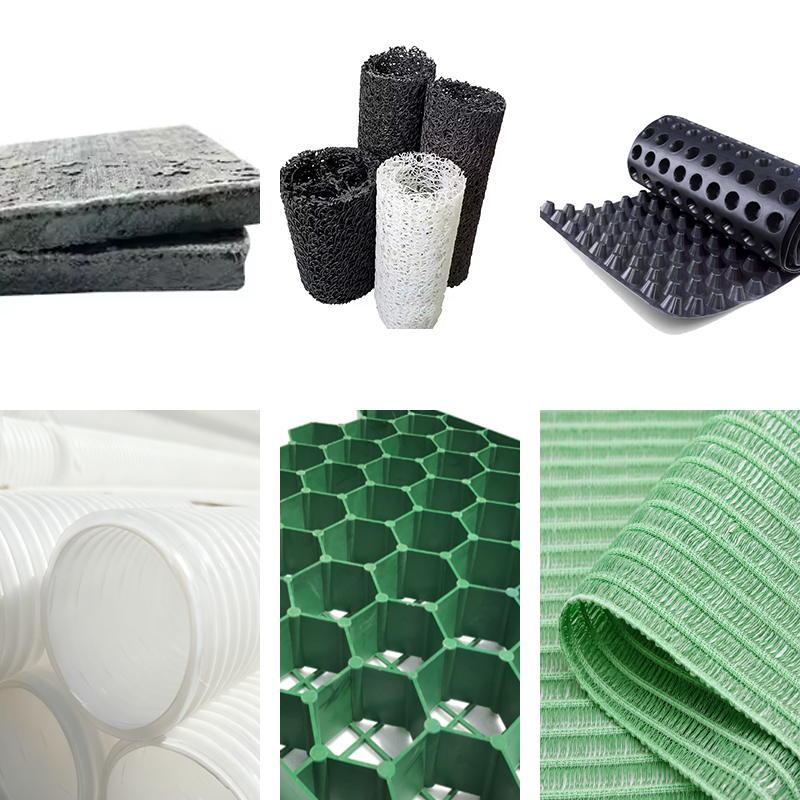
Grid erosion control provides contractors, engineers, and infrastructure buyers with an effective geosynthetic approach to stabilizing soil and limiting erosion. Geogrids and geocells can reinforce weak ground, confine aggregate or soil, improve load distribution, and support long-term performance in highways, airport infrastructure, slopes, embankments, and drainage projects.
What Is Grid Erosion Control?
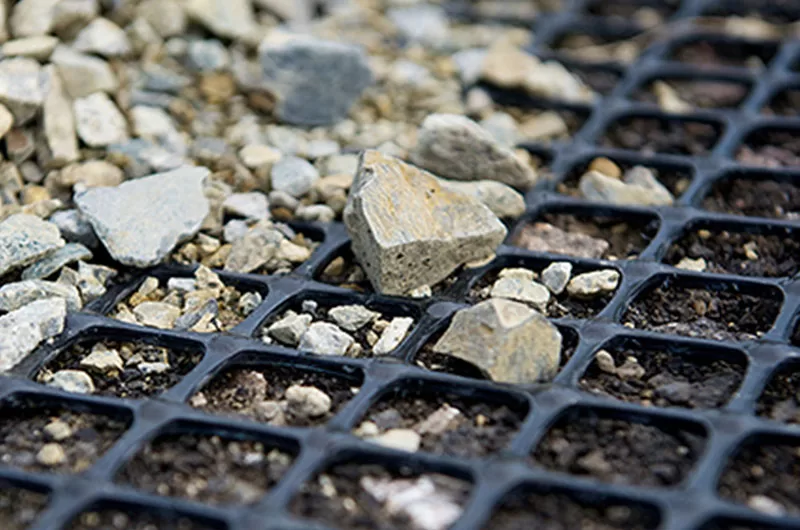
A grid-based erosion system uses geosynthetic materials such as geogrids and geocells to reinforce or confine soil where surface erosion, soil displacement, or instability may occur.
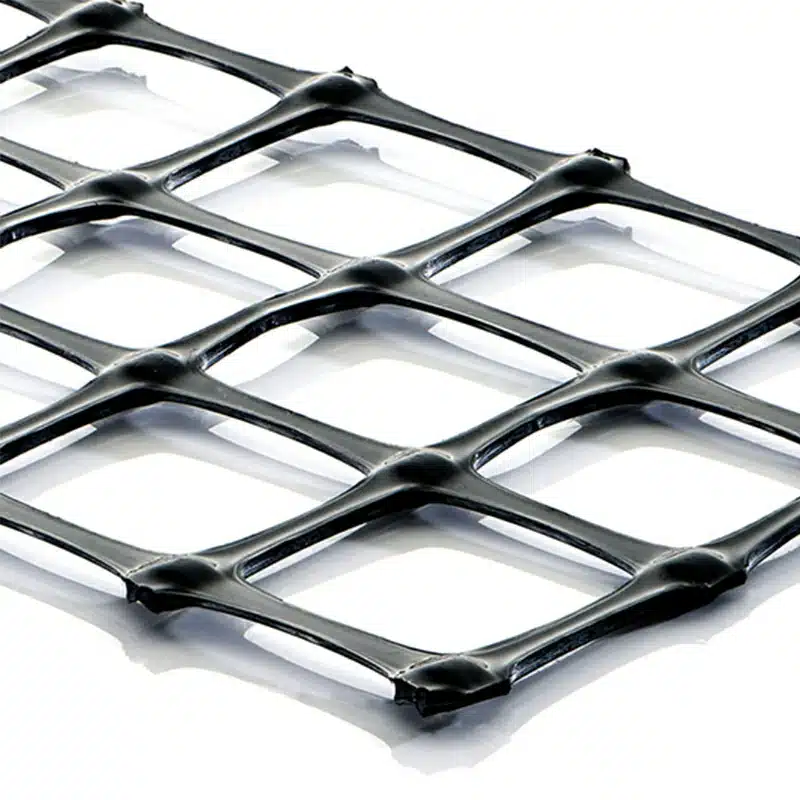
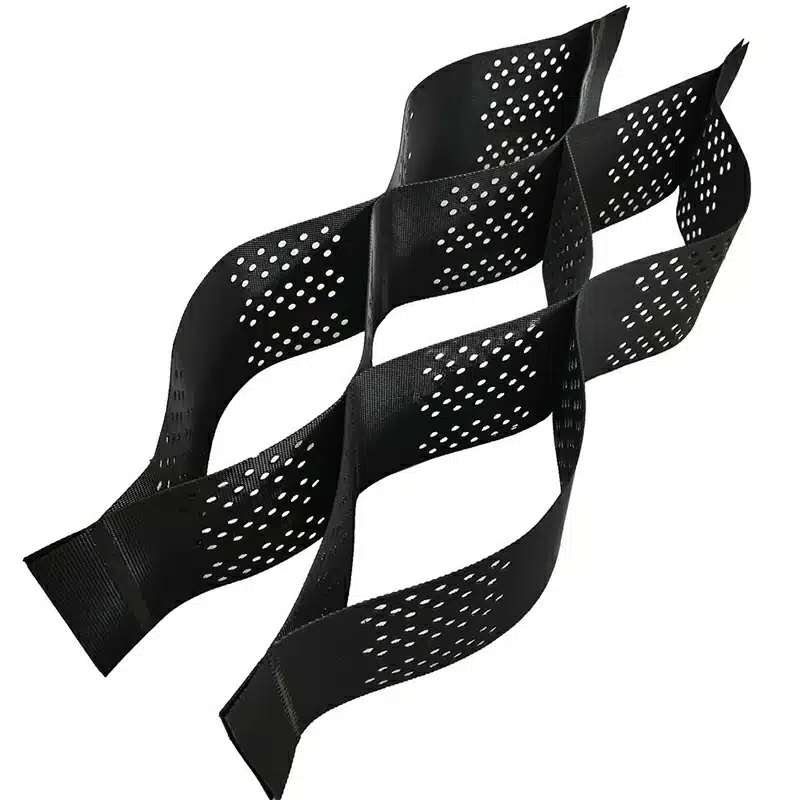
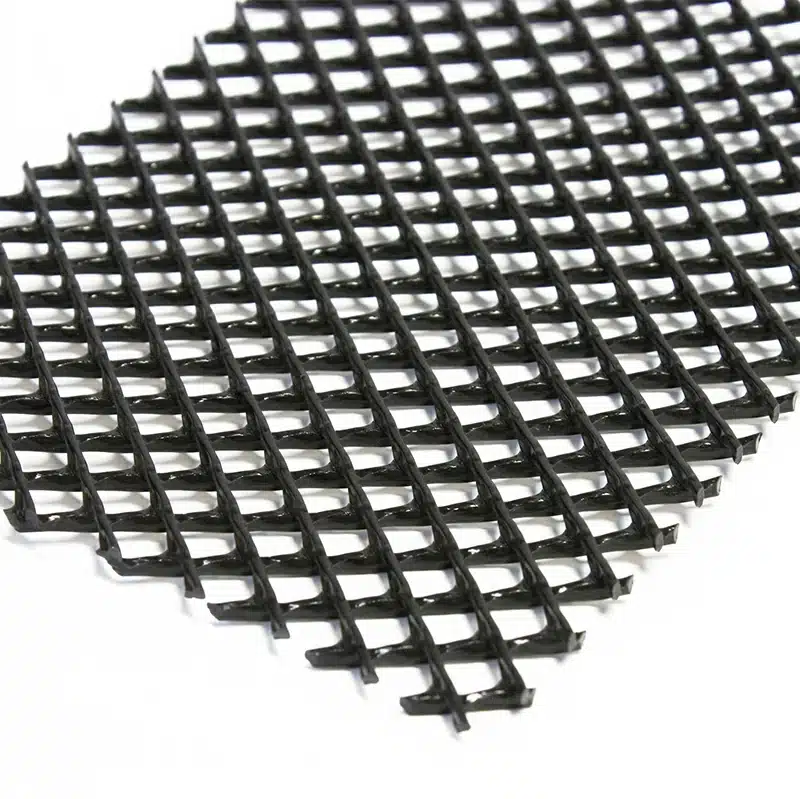
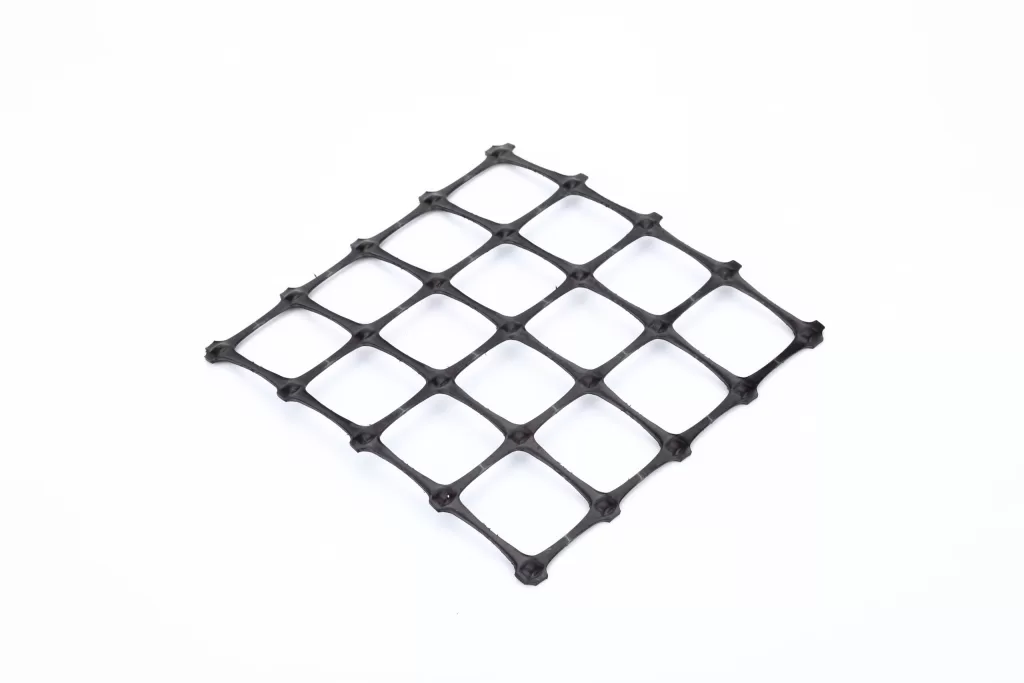
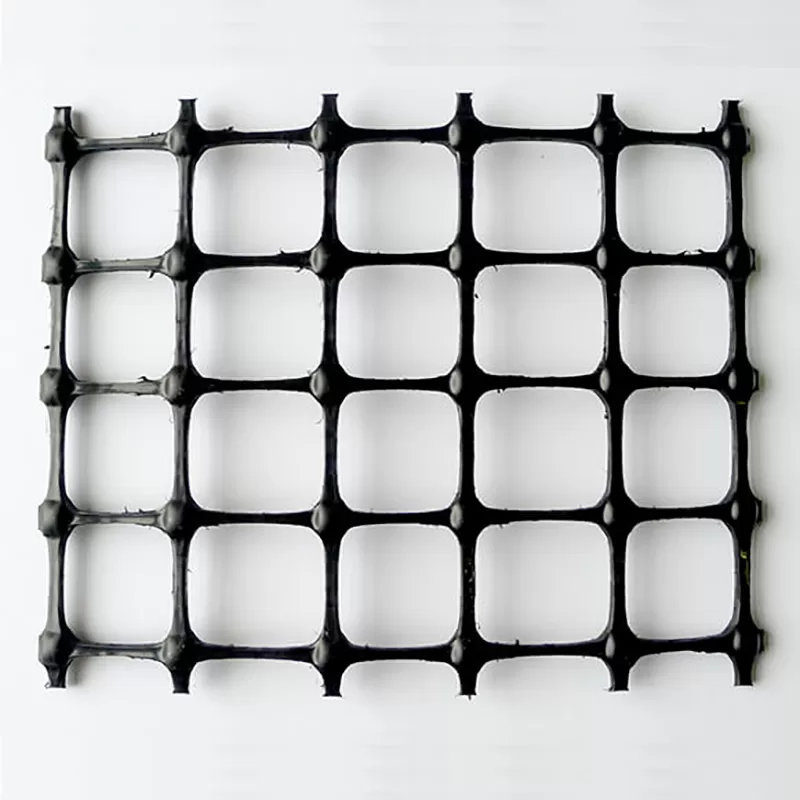
Geogrids provide tensile reinforcement and interact with surrounding aggregate or soil to restrict lateral movement. Geocells form a three-dimensional cellular structure that confines infill and helps prevent displacement caused by runoff, traffic loads, or environmental conditions.
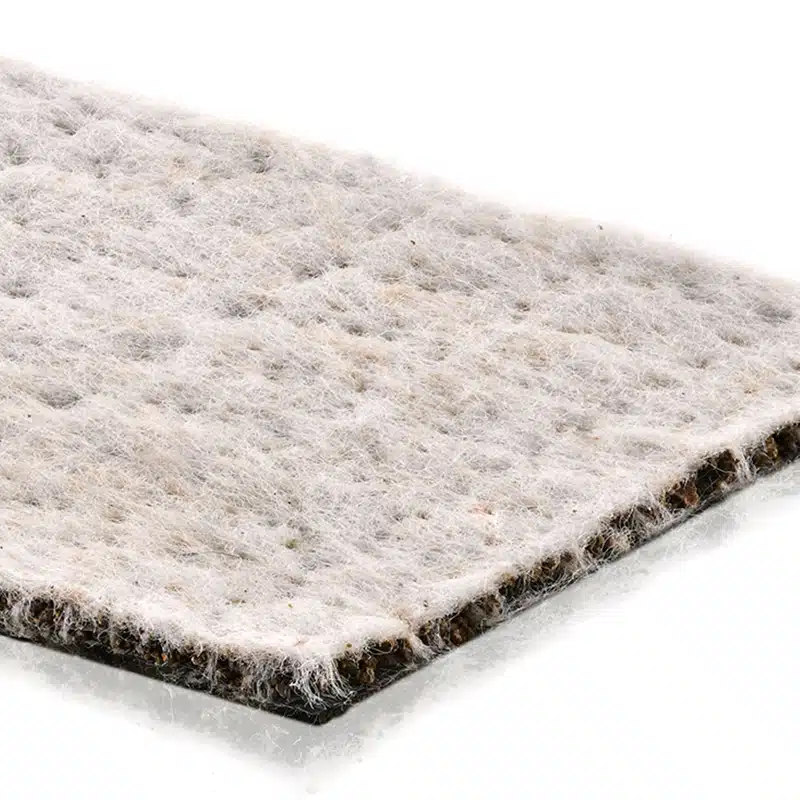
A properly designed grid erosion control system for infrastructure projects can also be combined with geotextiles for separation and filtration or with vegetation for surface protection. The appropriate configuration depends on soil conditions, loading, slope geometry, drainage requirements, and expected water flow.
How Does Grid Erosion Control Stabilize Soil?
Grid erosion control improves stability by increasing confinement and reducing unwanted movement within soil or aggregate layers. This is particularly important where weak subgrades, steep slopes, or concentrated runoff could affect long-term performance.
Geogrids reinforce soil through interaction between the grid apertures and surrounding fill. This helps distribute stresses and maintain the stability of reinforced layers.
Geocells work differently by creating interconnected cells that confine soil, aggregate, or other specified infill. The cellular structure restricts lateral movement and can help maintain surface integrity on erosion-prone slopes and embankments.
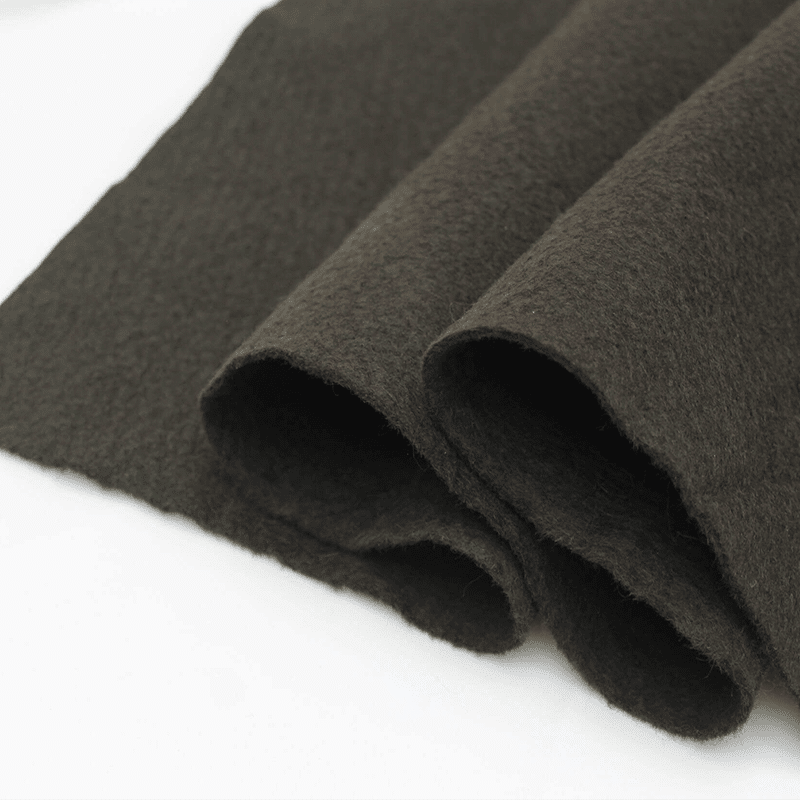
For projects requiring both stabilization and filtration, grid erosion control with geotextile separation can provide complementary functions. The geotextile helps prevent fine soil from migrating into aggregate while the grid system provides reinforcement or confinement.
Where Is Grid Erosion Control Commonly Used?
Grid erosion control can be used across transportation, hydraulic, environmental, and general civil engineering projects.
Airport infrastructure is one important application. Geogrids can reinforce aggregate layers beneath access roads, service areas, shoulders, and pavement-related structures where stable load distribution is required. Geocells may also be used around drainage areas and erosion-sensitive surfaces.
Highway projects frequently use grid-based geosynthetics for embankment stabilization, weak subgrade improvement, reinforced slopes, road shoulders, and drainage zones. These systems can reduce aggregate movement and help maintain structural stability under repeated loading.
Other applications include railway embankments, reservoir banks, construction platforms, mining infrastructure, retaining structures, drainage channels, and landscaped slopes.
For demanding transportation projects, selecting grid erosion control solutions for roads and highways should be based on design requirements rather than product strength alone. Engineers should consider subgrade properties, traffic loads, hydraulic conditions, drainage, and expected design life.
How Do You Choose the Right Grid Erosion Control System?
Selecting a grid erosion control solution begins by identifying the primary engineering problem. A project dominated by surface erosion may require a different system from one involving weak subgrade or structural slope instability.
Important selection criteria include:
- Soil conditions: Evaluate grain size, shear strength, permeability, and moisture conditions.
- Slope geometry: Consider slope angle, height, and potential failure mechanisms.
- Hydraulic conditions: Determine expected rainfall, runoff velocity, and water flow.
- Loading: Assess traffic, construction equipment, and other anticipated loads.
- Material properties: Review tensile strength, junction strength, aperture size, cell dimensions, and durability as applicable.
- Infill requirements: Select suitable soil, aggregate, or vegetated infill for geocell systems.
- Installation environment: Consider UV exposure, site access, anchoring, overlaps, and subgrade preparation.
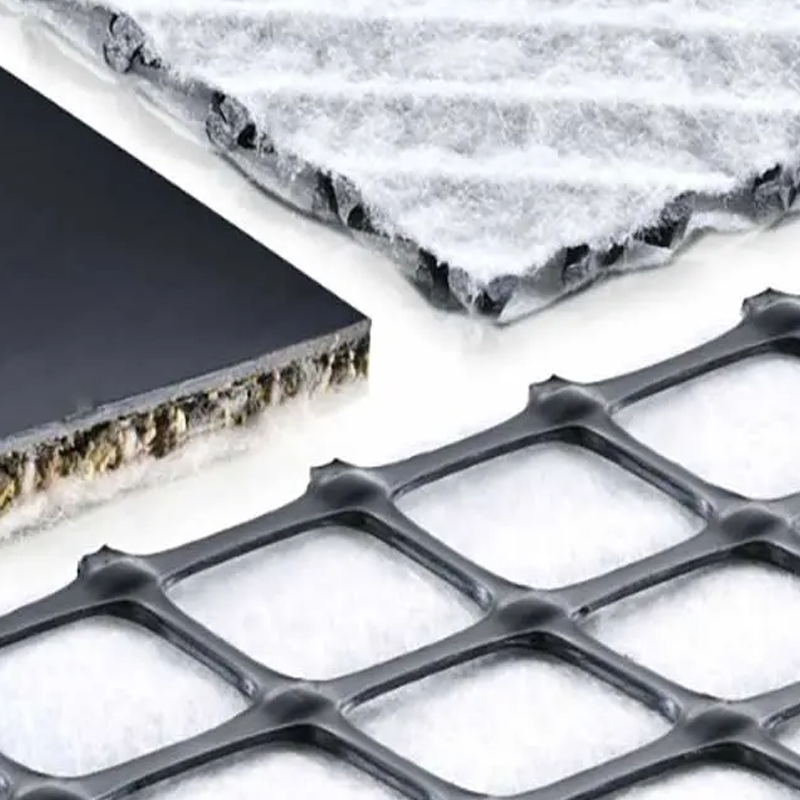
For highway and airport projects, engineers may combine geogrids, geocells, and geotextiles to achieve reinforcement, confinement, separation, filtration, and erosion protection within the same project.
The final system should always match site-specific geotechnical and hydraulic requirements. Proper material selection and installation help improve stability, control erosion, and reduce maintenance requirements throughout the infrastructure service life.

Get Free Sample
We’ll respond as soon as possible(within 12 hours)