

+86-159 9860 6917
info@geofantex.com
geofantex@gmail.com
+86-400-8266163-44899
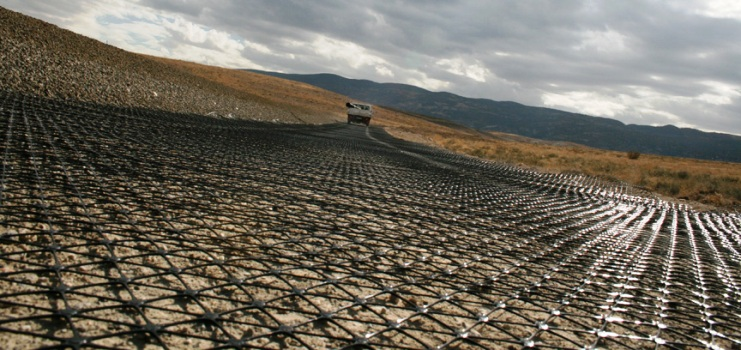
BX1200 Geogrid is a practical solution for contractors, distributors, and project buyers seeking improved subgrade stabilization and more efficient aggregate use. Its biaxial polypropylene structure helps confine aggregate, distribute traffic loads, and reduce surface deformation. It is commonly considered for gravel driveways, access roads, working platforms, and pavement base reinforcement where weak or variable subgrade conditions can affect long-term performance.
What Is BX1200 Geogrid and How Does It Work?
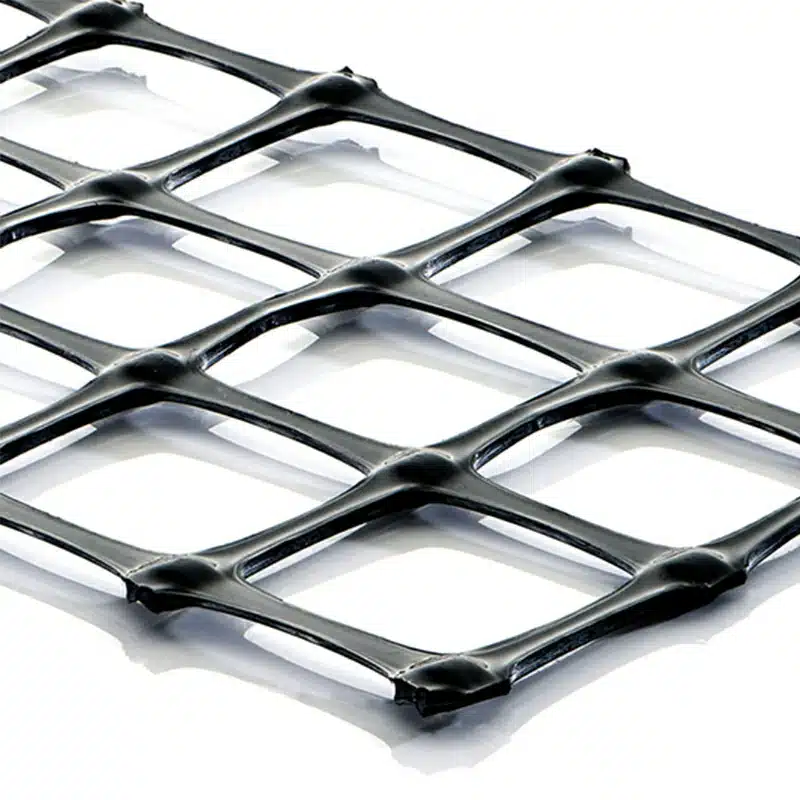
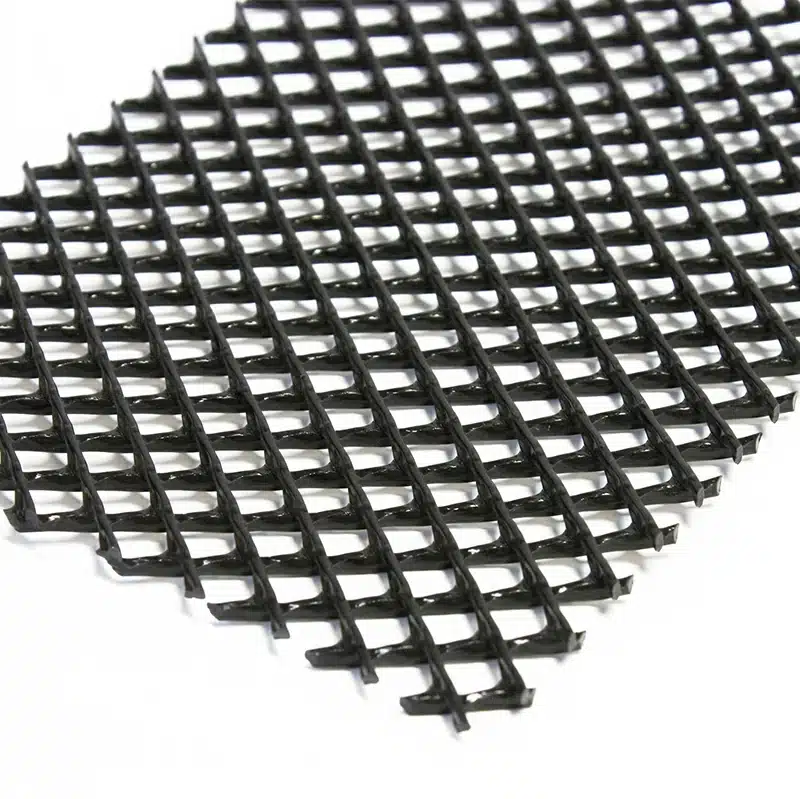
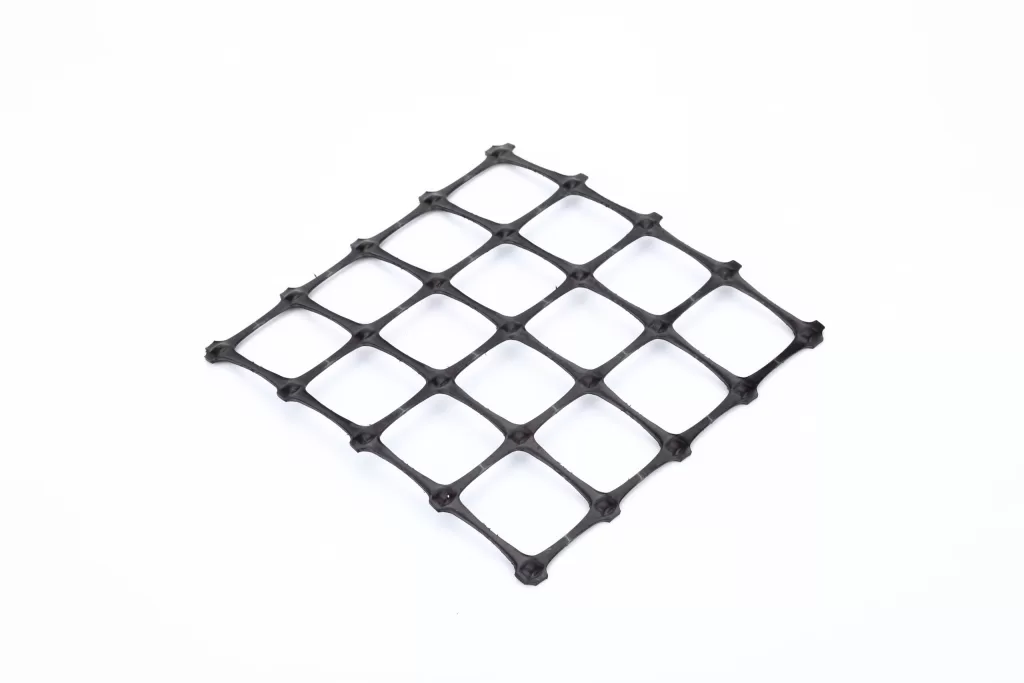
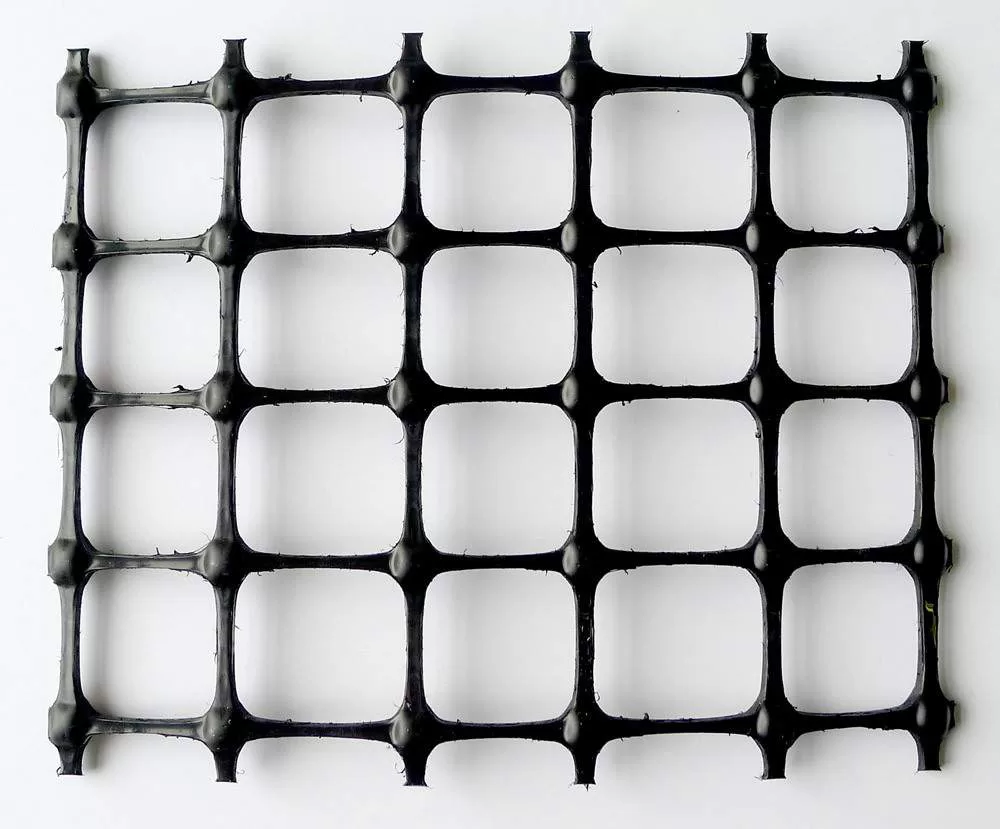
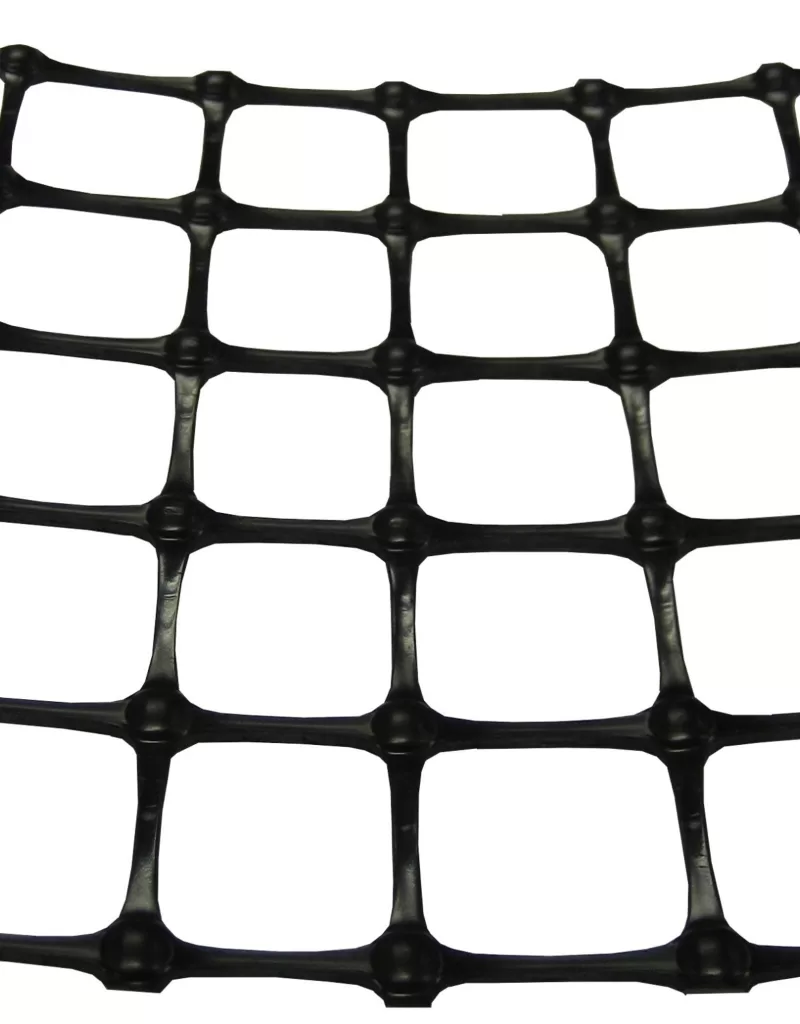
BX1200 Geogrid is a biaxial polypropylene geogrid manufactured by punching a polymer sheet and stretching it in two perpendicular directions. This process creates a rigid grid structure with regularly spaced apertures and strong junctions.
When aggregate is placed and compacted over the grid, particles partially enter the apertures and become mechanically interlocked with the geogrid. This interaction provides lateral restraint to the aggregate and helps distribute applied loads over a wider area.
The resulting confinement can reduce aggregate movement, rutting, and localized settlement under repeated vehicle loads. For engineering design, however, product properties should always be verified against the manufacturer’s current technical data sheet and the requirements of the specific project rather than relying only on a generic product designation.
Where Is BX1200 Geogrid Most Commonly Used?
BX1200 Geogrid is primarily associated with base reinforcement and stabilization applications where granular material is placed over a prepared subgrade.
Typical applications include gravel driveways, residential and rural access roads, temporary construction roads, working platforms, parking areas, storage yards, and flexible pavement base layers.
For gravel driveways, the biaxial grid helps confine the aggregate and limit lateral movement under vehicle traffic. This can help maintain a more uniform driving surface and reduce the frequency of grading and aggregate replacement.
On construction access roads, geogrid reinforcement can improve the performance of granular layers exposed to repeated loads from trucks and heavy equipment. This is particularly useful where the underlying soil has limited bearing capacity.
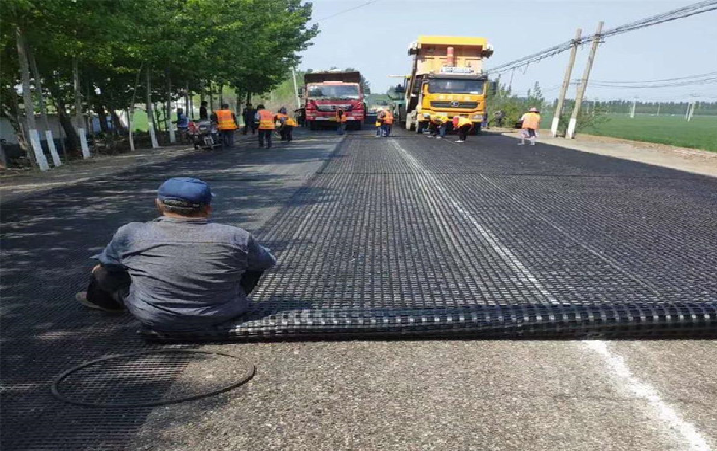
In pavement construction, a base reinforcement geogrid can be incorporated between the subgrade and aggregate layers to improve confinement and load distribution. Depending on the design, soil conditions, aggregate properties, and traffic loading, this may allow engineers to optimize aggregate requirements while maintaining the required performance.
What Specifications Should Be Considered?
When selecting BX1200 Geogrid, buyers and engineers should evaluate more than a single tensile-strength value. Important parameters can include tensile properties in both principal directions, junction efficiency, aperture dimensions, polymer composition, roll dimensions, and compatibility with the selected aggregate.
Project specifications may also reference standardized test methods or minimum property requirements. Because products marketed under similar BX1200 designations can vary among manufacturers, purchasers should compare verified technical data before ordering.
The selected aperture geometry should allow suitable aggregate particles to interact effectively with the grid. Aggregate gradation, particle shape, base thickness, subgrade strength, and anticipated traffic should therefore be considered together rather than independently.
How Should BX1200 Geogrid Be Installed?
Before installation, grade and prepare the subgrade according to the engineering design. Remove large debris, sharp objects, and other materials that could interfere with placement.
Unroll the geogrid directly over the prepared surface and keep it relatively flat and tensioned. Adjacent rolls should be overlapped or connected according to the project specification, soil conditions, and expected construction traffic.
Place aggregate carefully over the installed material and avoid unnecessary direct equipment movement on exposed geogrid. The fill should then be spread and compacted to the specified thickness and density.
Correct installation is essential because even a suitable polypropylene geogrid cannot compensate for inadequate drainage, unsuitable aggregate, poor compaction, or insufficient subgrade preparation.
Why Use BX1200 Geogrid for Base Stabilization?
BX1200 Geogrid can provide both construction and long-term performance advantages when correctly specified. By improving aggregate confinement and distributing loads, it can help control rutting and deformation in granular base systems.
Potential project benefits include more stable access surfaces, improved performance over weak subgrades, reduced maintenance requirements, and more efficient use of aggregate. Any reduction in aggregate thickness should be determined through engineering design rather than assumed as a fixed percentage.
For contractors and infrastructure buyers, BX1200 Geogrid offers a versatile reinforcement option for driveways, temporary roads, working platforms, parking areas, and pavement bases. Selecting the correct specification and combining it with suitable aggregate, drainage, installation, and compaction practices is essential for achieving reliable long-term performance.
Get Free Sample
We’ll respond as soon as possible(within 12 hours)