

+86-159 9860 6917
info@geofantex.com
geofantex@gmail.com
+86-400-8266163-44899
Choosing the best landscape fabric for drainage is essential for maintaining water flow, preventing soil migration, and improving the durability of drainage systems. For contractors, landscapers, and distributors, the right geotextile should provide reliable filtration, soil separation, and sufficient mechanical strength. Whether installed behind retaining walls, beneath landscape gravel, or in French drains, fabric selection depends on permeability, soil conditions, and project requirements.
What Is the Best Landscape Fabric for Drainage?
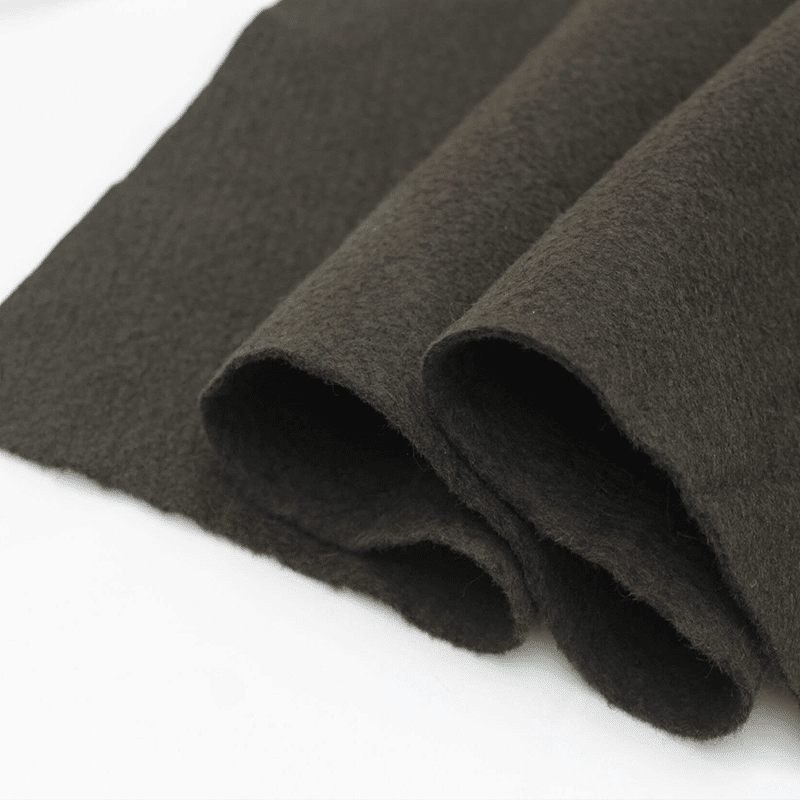
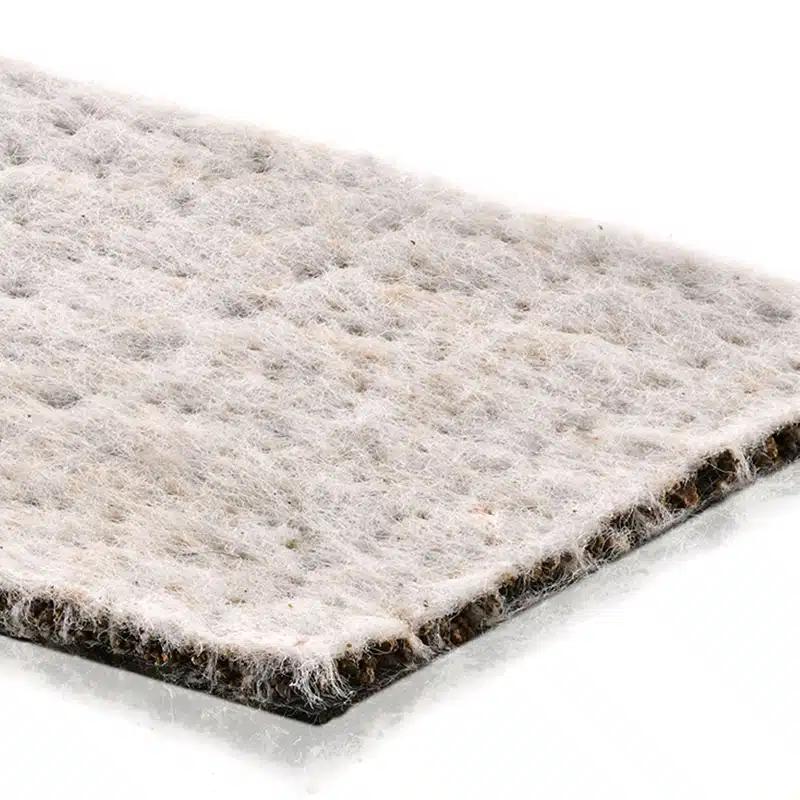
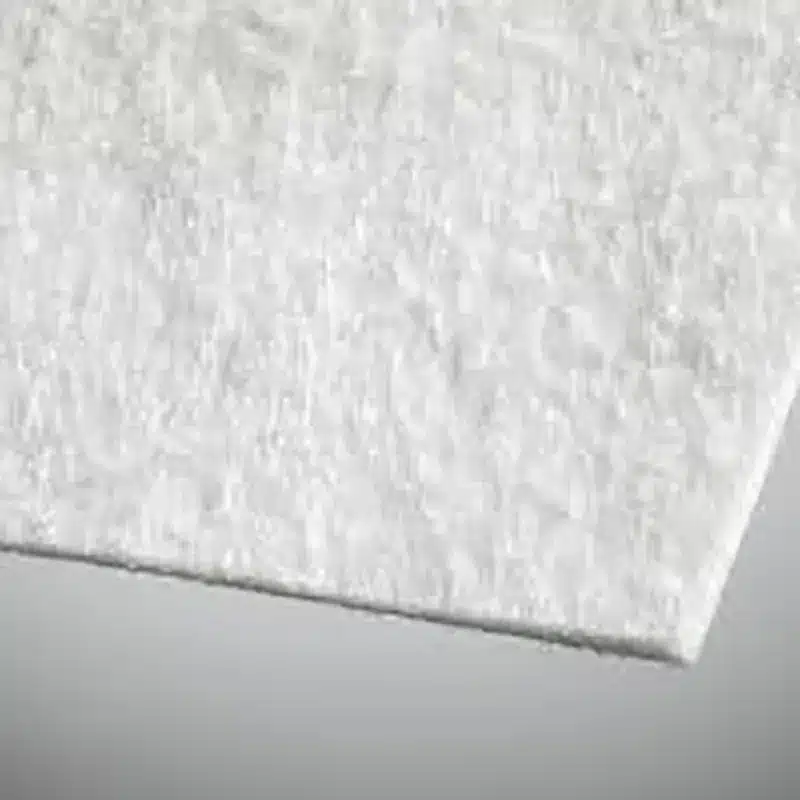
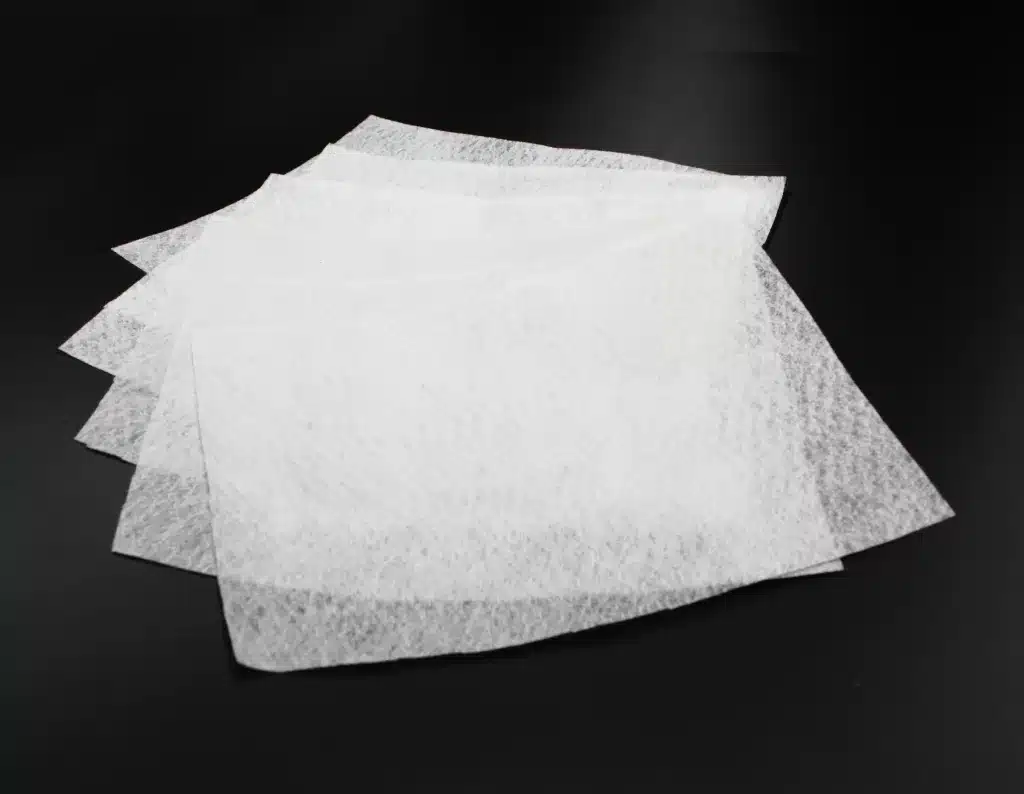
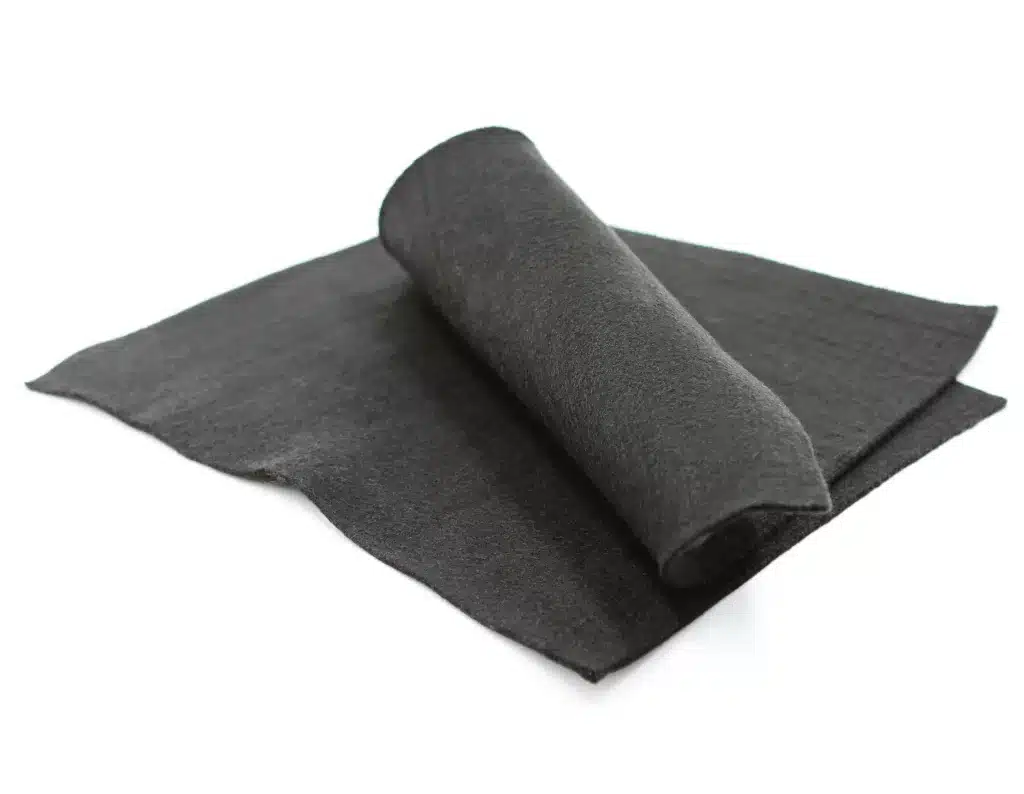
Non-woven needle-punched geotextile is commonly recommended for drainage applications because its porous structure allows water to pass through while retaining surrounding soil particles. Typically manufactured from polypropylene (PP) or polyester (PET), this fabric provides filtration, separation, and flexibility under various ground conditions.
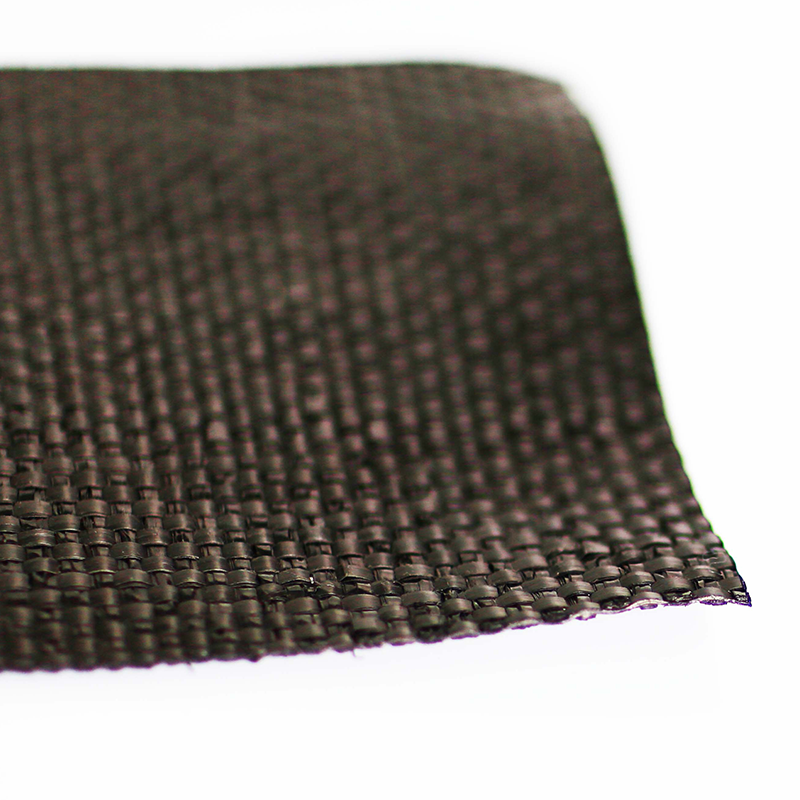
Woven geotextiles, by comparison, are generally selected for applications requiring higher tensile strength and soil stabilization. Although some engineered woven geotextiles provide suitable filtration performance, their permeability varies depending on the fabric structure.
For most conventional French drains, retaining wall drainage systems, and landscape drainage trenches, non-woven geotextile is a practical choice. However, the final selection should be based on soil characteristics, hydraulic requirements, and installation conditions rather than fabric type alone.
Woven vs. Non-Woven Landscape Fabric: Which Is Better for Drainage?
Woven and non-woven geotextiles differ in their manufacturing processes, mechanical properties, and hydraulic performance. Understanding these differences helps contractors select appropriate materials for specific drainage applications.
Non-woven geotextiles consist of mechanically bonded fibers that create a permeable structure. They are widely used for subsurface drainage because they provide filtration while preventing surrounding soil from mixing with drainage aggregate. Their flexibility also makes installation easier around trenches and irregular surfaces.
Woven geotextiles are manufactured by interlacing synthetic yarns or tapes. They are commonly used beneath roads, driveways, and aggregate layers where tensile strength and soil separation are important. Certain woven products are also suitable for filtration when their hydraulic properties meet project requirements.
| Property | Non-Woven Geotextile | Woven Geotextile |
|---|---|---|
| Structure | Mechanically bonded fibers | Interlaced yarns or tapes |
| Permeability | Commonly suitable for drainage | Varies by fabric construction |
| Filtration | Widely used for soil filtration | Suitable when specifically engineered |
| Tensile strength | Depends on fabric specifications | Often selected for higher tensile requirements |
| Typical applications | French drains, retaining walls, landscape drainage | Road stabilization, soil separation, selected filtration applications |
For contractors selecting the best landscape fabric for drainage in French drain systems, non-woven geotextile is often preferred because it combines water permeability, soil retention, and installation flexibility.
Best Landscape Fabric for Drainage in Retaining Walls and Landscaping
The appropriate drainage fabric depends on the installation environment and the function of the drainage system. Retaining walls and landscape drainage projects have different requirements, although both benefit from effective soil filtration and separation.
Retaining wall drainage: Water accumulation behind retaining walls can create hydrostatic pressure and affect structural stability. Non-woven geotextile is commonly installed between drainage aggregate and surrounding soil to prevent fine particles from entering the drainage layer. When selecting the best landscape fabric for drainage behind retaining walls, contractors should evaluate permeability, soil retention, and compatibility with drainage aggregate. The fabric should work alongside properly designed drainage pipes and outlets.
Landscape drainage: In gardens, pathways, and landscaped areas, geotextile fabric helps separate soil from drainage gravel while allowing water to move through the system. It is particularly useful in drainage trenches and aggregate-based drainage installations where soil migration could reduce performance. Unlike ordinary weed-control fabric, engineered drainage geotextiles are selected according to specified filtration and hydraulic properties.
For both applications, proper installation is essential. The geotextile should provide continuous separation between soil and drainage aggregate, with overlaps determined by project specifications. Careful backfilling helps prevent fabric damage and maintains drainage performance.
How to Choose the Best Landscape Fabric for Drainage
Selecting drainage fabric requires evaluating hydraulic performance, mechanical durability, and compatibility with surrounding soil. Fabric weight alone is not sufficient to determine suitability.
Water permeability and permittivity: Drainage fabric must allow sufficient water flow without restricting the drainage system. Permittivity is commonly used to evaluate cross-plane water flow through geotextiles.
Apparent opening size (AOS): AOS indicates the characteristic opening size of the fabric. Appropriate openings help retain soil particles while maintaining water movement. Selection should consider soil gradation and filtration requirements.
Fabric weight and strength: Geotextile weight is generally expressed in grams per square meter (GSM). Heavier fabrics may provide greater installation durability, but higher GSM does not necessarily indicate better drainage. Tensile strength, puncture resistance, and filtration performance should also be evaluated.
Soil and installation conditions: Fine-grained soils, coarse aggregate, and different drainage environments require different filtration and mechanical properties. Contractors should review technical specifications before selecting materials.
For buyers comparing the best landscape fabric for drainage based on permeability and GSM, product data sheets provide a more reliable basis for selection than fabric weight or price alone.
Choosing the best landscape fabric for drainage for long-term soil filtration requires balancing water permeability, soil retention, mechanical strength, and installation conditions. Non-woven needle-punched geotextile is commonly used in French drains, retaining wall drainage systems, and landscape drainage projects because of its filtration and separation properties.
For contractors, distributors, and engineering professionals, selecting geotextiles with consistent technical specifications helps maintain drainage efficiency and reduce soil migration.
Contact Geofantex to discuss geotextile specifications, available roll sizes, and quotations for your drainage project.
Get Free Sample
We’ll respond as soon as possible(within 12 hours)