

+86-159 9860 6917
info@geofantex.com
geofantex@gmail.com
+86-400-8266163-44899
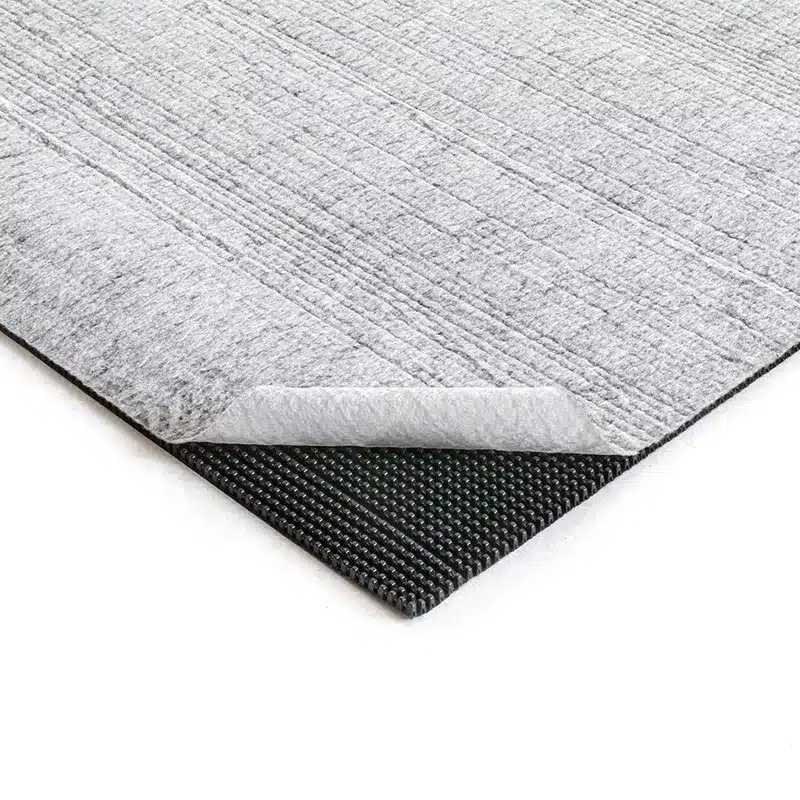
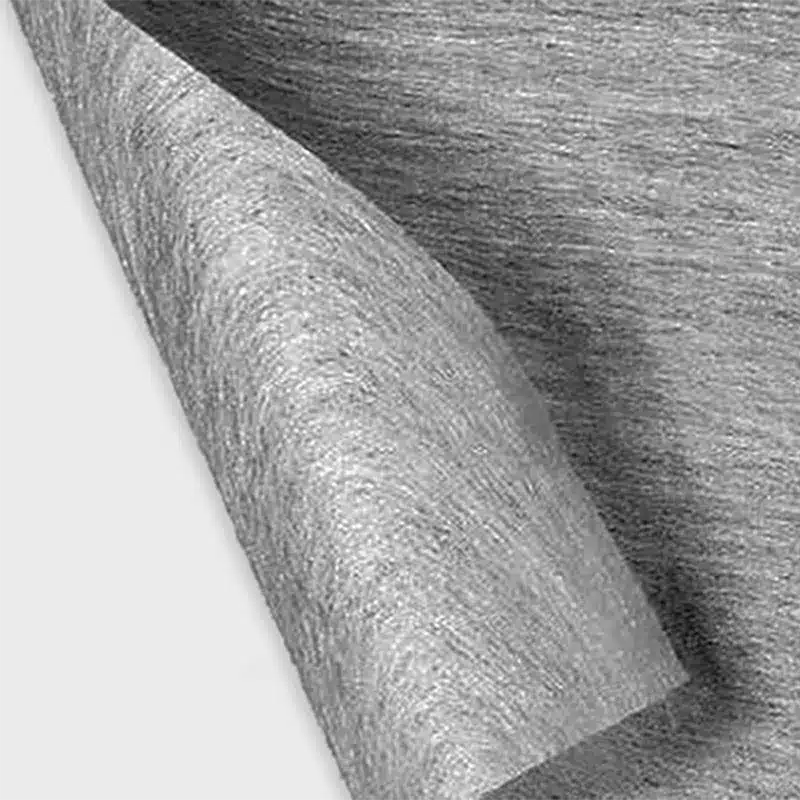
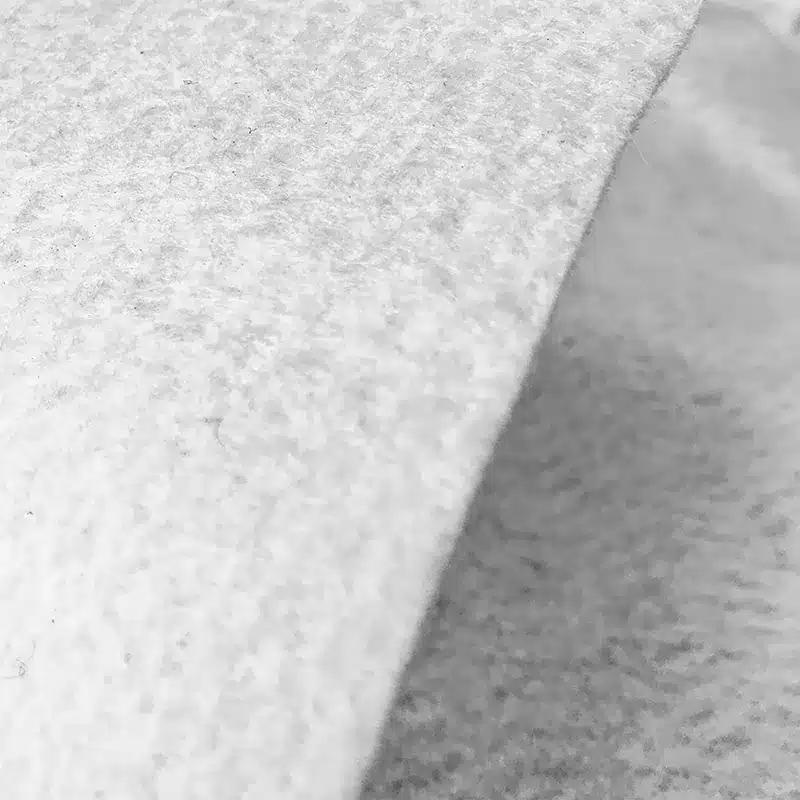
Filter fabric is a permeable geotextile used to separate soil from aggregate while allowing water to pass through the system. For road, driveway, drainage, and landscaping projects, the correct material helps reduce soil migration, maintain aggregate stability, and improve long-term drainage performance. Buyers should compare structure, opening size, water flow, tensile strength, and installation conditions before choosing a product.
How Filter Fabric Works in Aggregate Systems
In a gravel driveway or drainage layer, water moves through the aggregate and into the underlying soil. Without a separation layer, fine soil particles can migrate upward into the stone, while aggregate may gradually press into soft subgrade.
A properly selected geotextile creates a permeable boundary between the two materials. Water can continue to move through the system, while the textile helps limit mixing between soil and aggregate. This makes it useful in driveways, access roads, French drains, retaining walls, and other civil works.
For projects where drainage and separation are both important, filter fabric for gravel driveway applications can provide a practical way to improve the performance of the aggregate layer.
Woven and Nonwoven Options
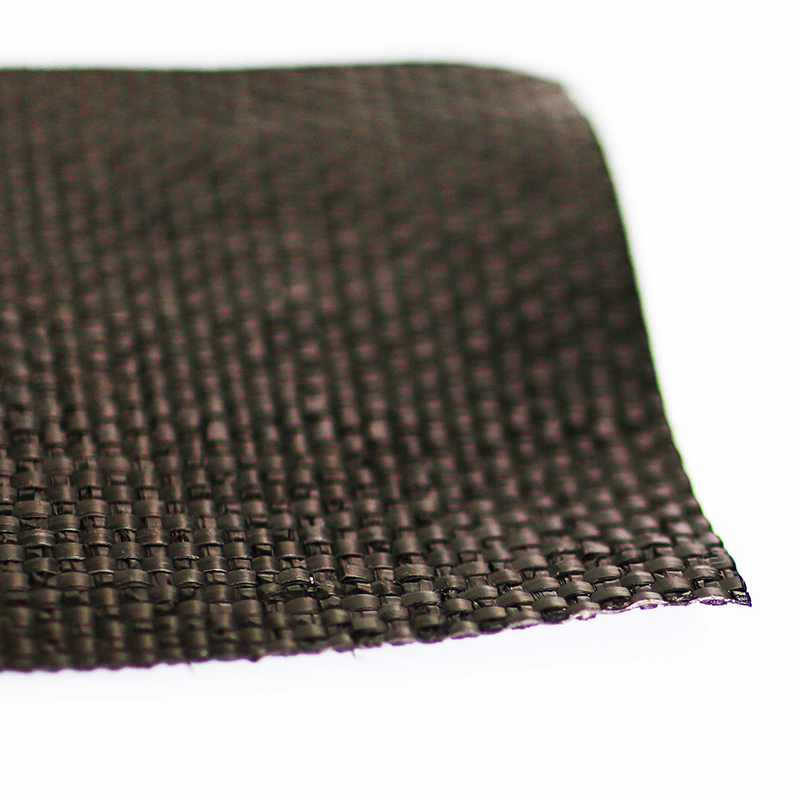
Woven geotextiles are produced by interlacing yarns or tapes in a regular pattern. They generally provide high tensile strength and controlled openings, making them suitable for separation, stabilization, and selected filtration applications.
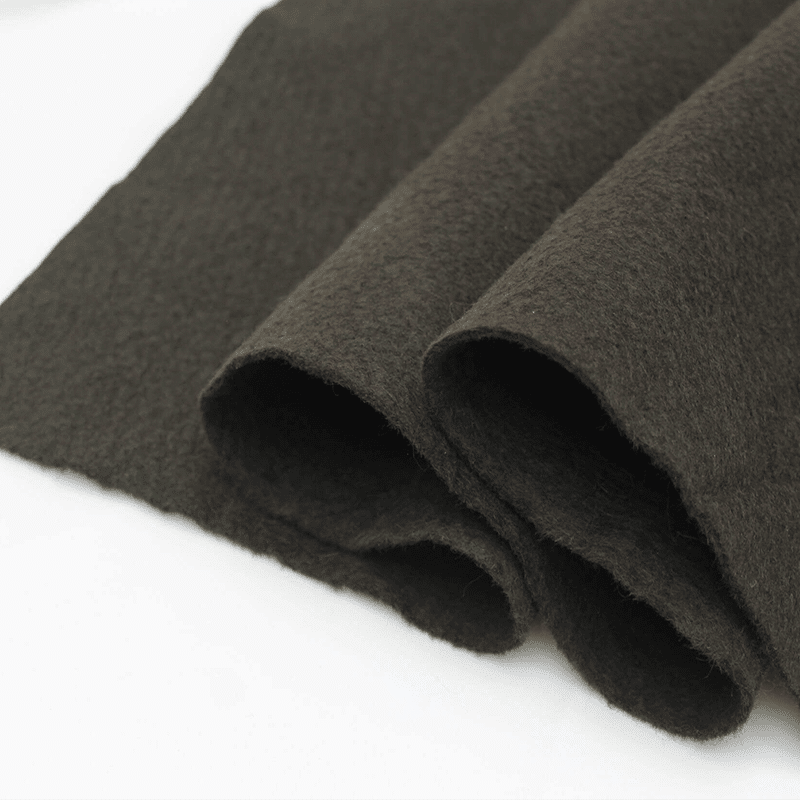
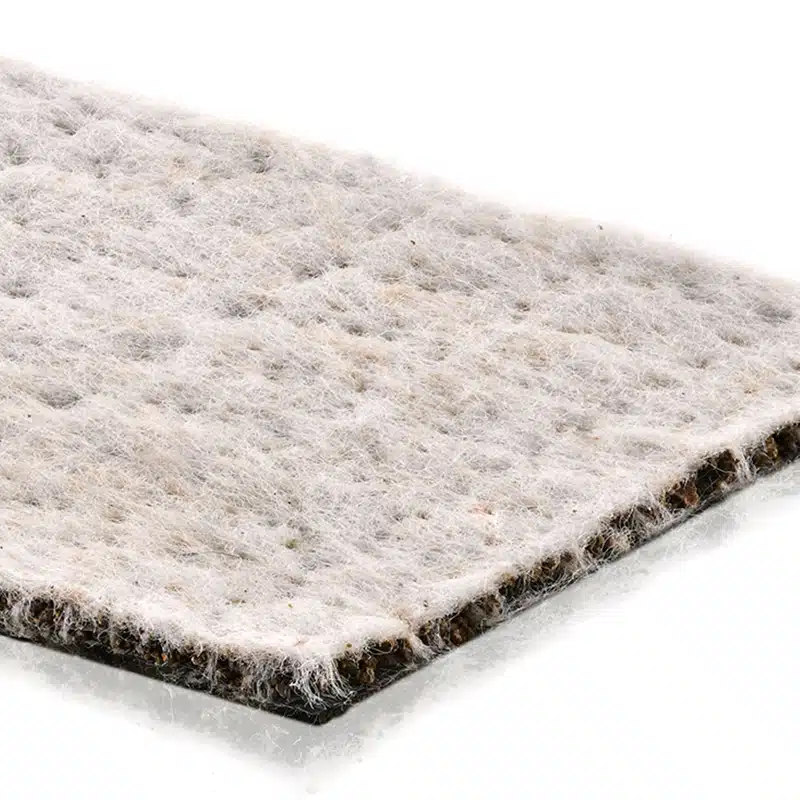
Nonwoven geotextiles are typically manufactured from randomly oriented polypropylene or polyester fibers. Their three-dimensional pore structure provides good water transmission and soil retention, so they are widely used for drainage and filtration.
The right choice depends on soil gradation, hydraulic conditions, loading, and installation requirements. A heavier product is not automatically better. For this reason, buyers should evaluate technical data instead of comparing products only by GSM.
If your project combines drainage with soil separation, nonwoven filter fabric for drainage systems is often worth evaluating alongside woven alternatives.
Key Specifications for Filter Fabric
Several properties influence filtration and installation performance:
- Apparent Opening Size (AOS): Indicates the approximate pore opening and helps determine soil retention.
- Permittivity: Describes how easily water passes through the textile perpendicular to its surface.
- Water Flow Rate: Shows the volume of water that can pass through under specified test conditions.
- Tensile Strength: Helps the material resist loads during installation and service.
- Puncture Resistance: Is important when the textile is installed beneath angular gravel or crushed stone.
- UV Resistance: Matters when rolls remain exposed before covering.
These values should be matched with project conditions and the applicable ASTM, ISO, or EN test methods.
Gravel Driveway Applications
A gravel driveway is a common application because the stone layer is exposed to repeated vehicle loading, water movement, and potential subgrade contamination. Placing a geotextile beneath the aggregate can help separate the gravel from the soil and reduce the gradual loss of stone into weak ground.
Installation usually starts with subgrade preparation, followed by rolling out the geotextile with appropriate overlaps. Aggregate is then placed carefully to avoid shifting or damaging the textile. The required overlap and aggregate thickness should follow the project design and site conditions.
For purchasing decisions, filter fabric specifications for gravel driveways should be reviewed together with soil type, expected traffic, stone size, and drainage requirements.
How to Select the Right Product
Start with the application rather than the fabric weight. Identify the soil type, water conditions, expected loads, and required function. A drainage project may prioritize water flow and soil retention, while a stabilization project may require greater tensile performance.
It is also important to distinguish geotextile products from industrial filter cloth. Although the terms are sometimes used interchangeably online, industrial filter cloth may be designed for machinery and liquid-solid processing rather than civil engineering.
For engineering use, the selected geotextile should provide a suitable balance of hydraulic performance, mechanical durability, and compatibility with the surrounding soil.
The correct geotextile can help maintain aggregate separation, support drainage, and reduce soil migration in gravel driveways and related civil works. Product selection should be based on measurable properties rather than GSM alone.
Geofantex supplies woven and nonwoven geotextiles for drainage, separation, filtration, stabilization, and road construction. Share your application, required specification, soil conditions, and roll size to receive a suitable product recommendation and quotation.
Get Free Sample
We’ll respond as soon as possible(within 12 hours)