


+86-159 9860 6917
info@geofantex.com
geofantex@gmail.com
+86-400-8266163-44899
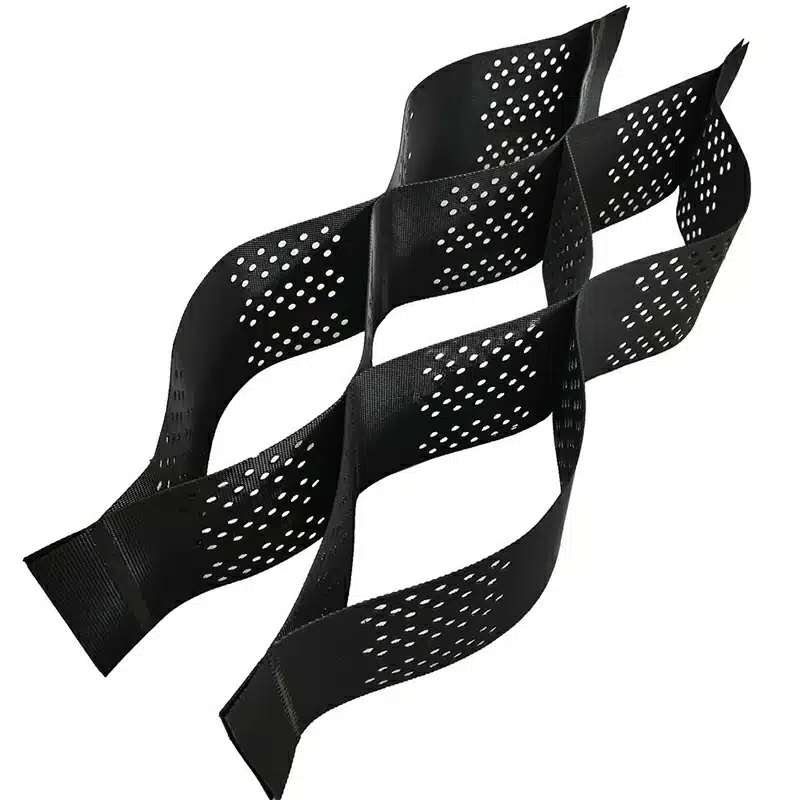
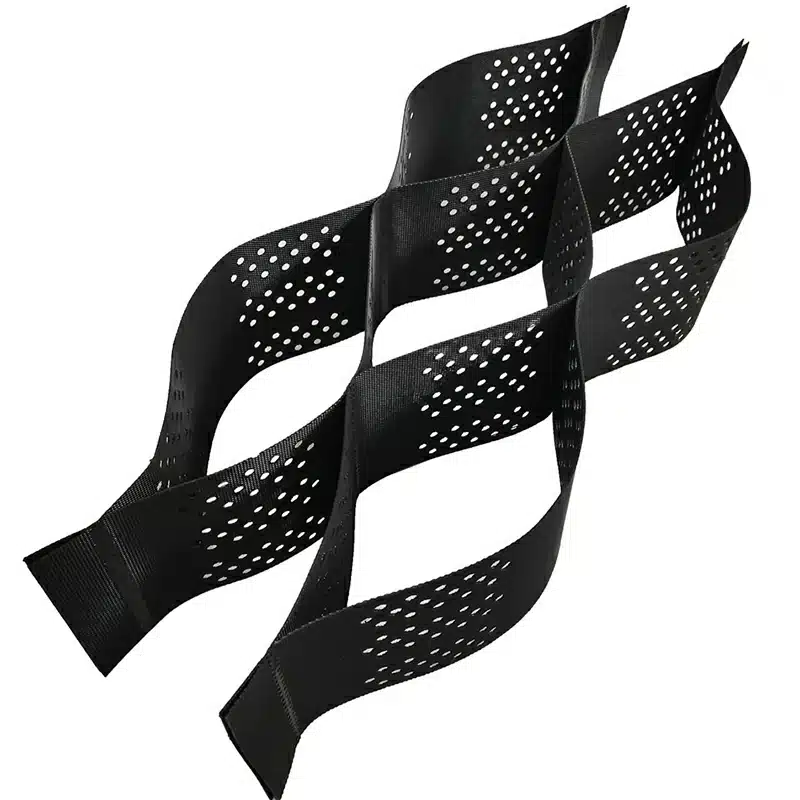
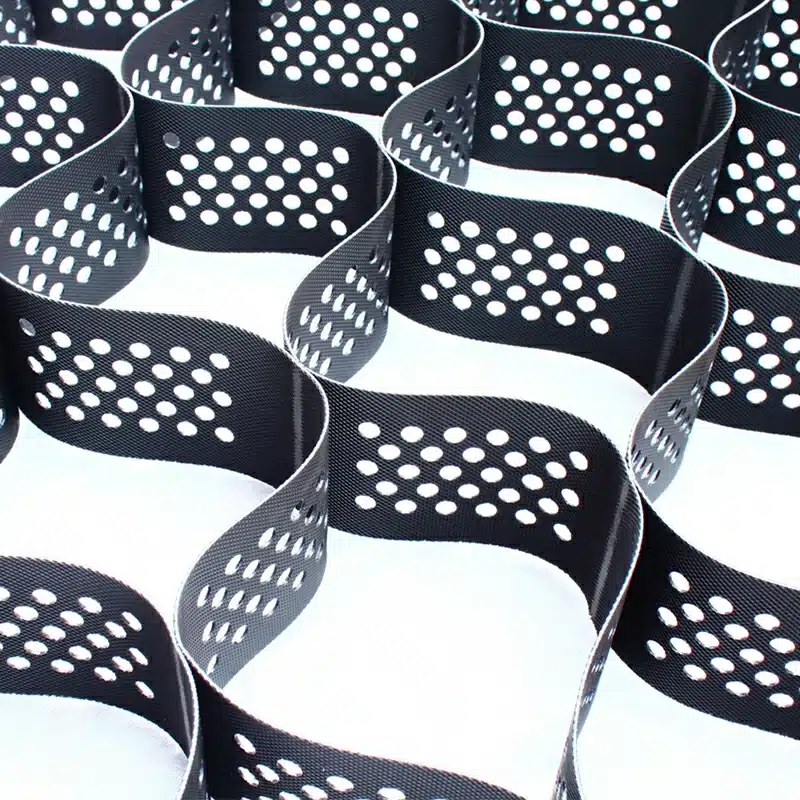
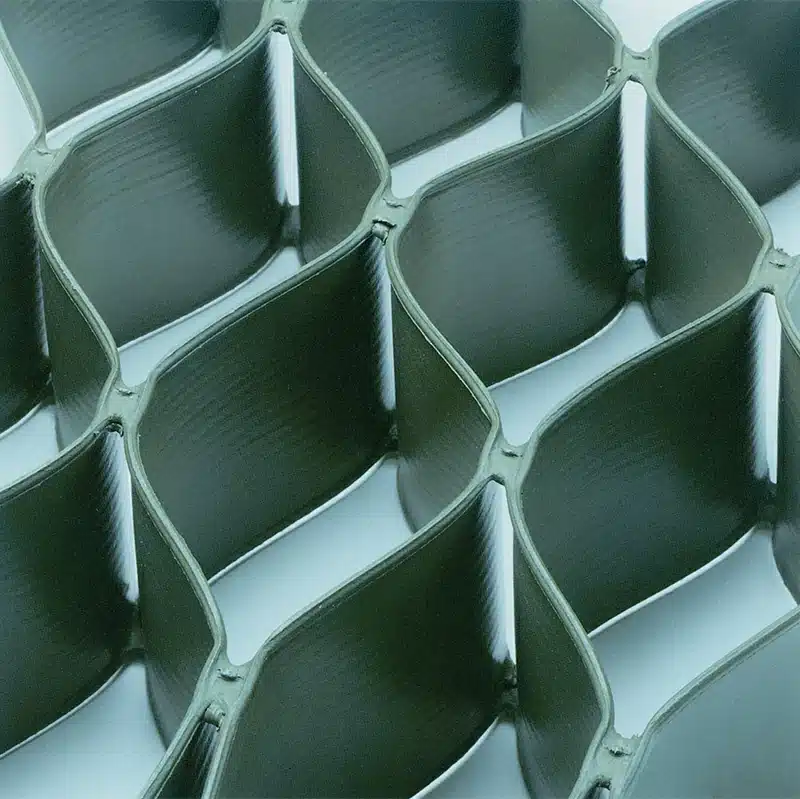
Geocell road construction is widely used in modern transportation infrastructure to improve road stability on weak or unstable soils. The system uses three-dimensional cellular structures made from polymer materials such as HDPE. When the cells are expanded and filled with gravel, sand, or crushed stone, they create a reinforced base layer that distributes traffic loads more evenly across the subgrade.
Compared with traditional road building methods that rely on thick aggregate layers, geocell road construction improves the interaction between soil and reinforcement. The cellular confinement prevents lateral movement of materials and helps reduce rutting, settlement, and surface deformation. Because of these advantages, geocell systems are commonly used in highways, temporary construction roads, industrial access roads, and parking areas where strong load distribution is required. For a deeper understanding of project applications, many engineers refer to comprehensive geocell road construction solutions for modern infrastructure.
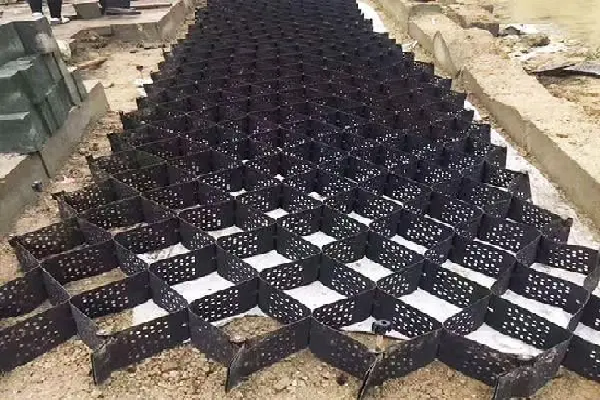
Geocell Road Construction Case Study: Highway Built on Weak Sandy Soil
A highway expansion project in a desert region demonstrates how geocell road construction can solve problems related to loose sandy soil. The project involved building a road section across wind-blown sand with very low bearing capacity. Traditional solutions required importing large quantities of aggregate, which increased construction costs and transportation time.
Engineers applied geocell road construction to reinforce the roadbed. Geocell panels were expanded across the compacted sand base and anchored in place before being filled with crushed stone. The cellular structure confined the aggregate and created a stable reinforcement layer. After the road was completed, monitoring data showed that subgrade settlement decreased significantly and the pavement structure resisted erosion more effectively. Similar engineering experiences can also be seen in successful geocell road construction projects in sandy soil regions.
Engineering Process of Geocell Reinforcement in Road Construction
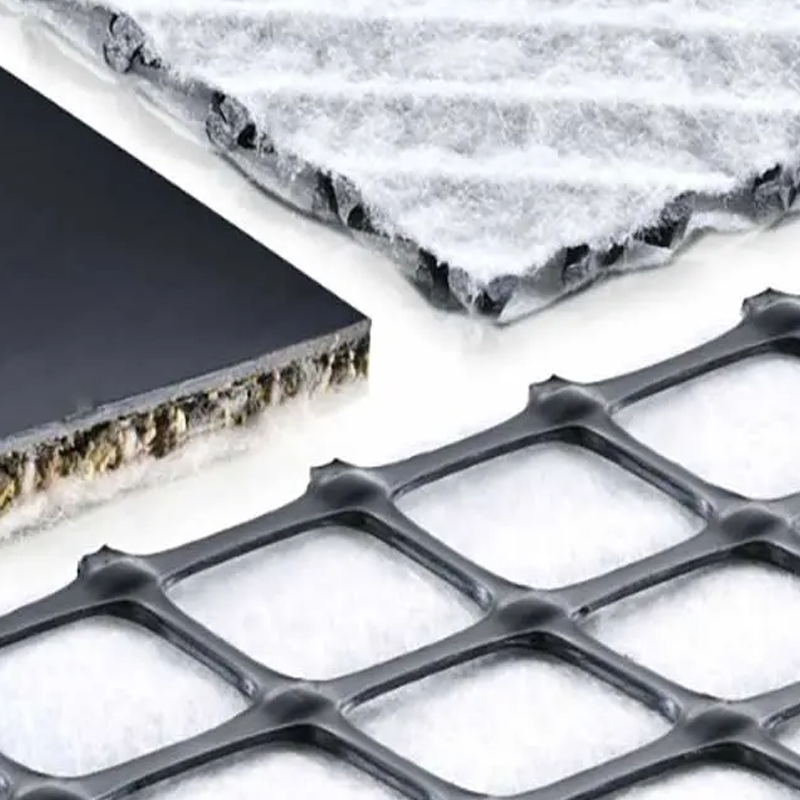
The installation process of geocell road construction systems is relatively simple but highly effective. First, the natural ground is leveled and compacted to create a stable base. In some projects, a geotextile separation layer is installed to prevent soil mixing and improve drainage performance.
Next, geocell panels are expanded into their honeycomb shape and fixed to the ground with anchors. The cells are then filled with aggregate, sand, or local soil and compacted to form a reinforced base layer. Through this confinement effect, geocell road construction increases soil bearing capacity and distributes traffic loads across a wider area, which improves the durability of the road structure.
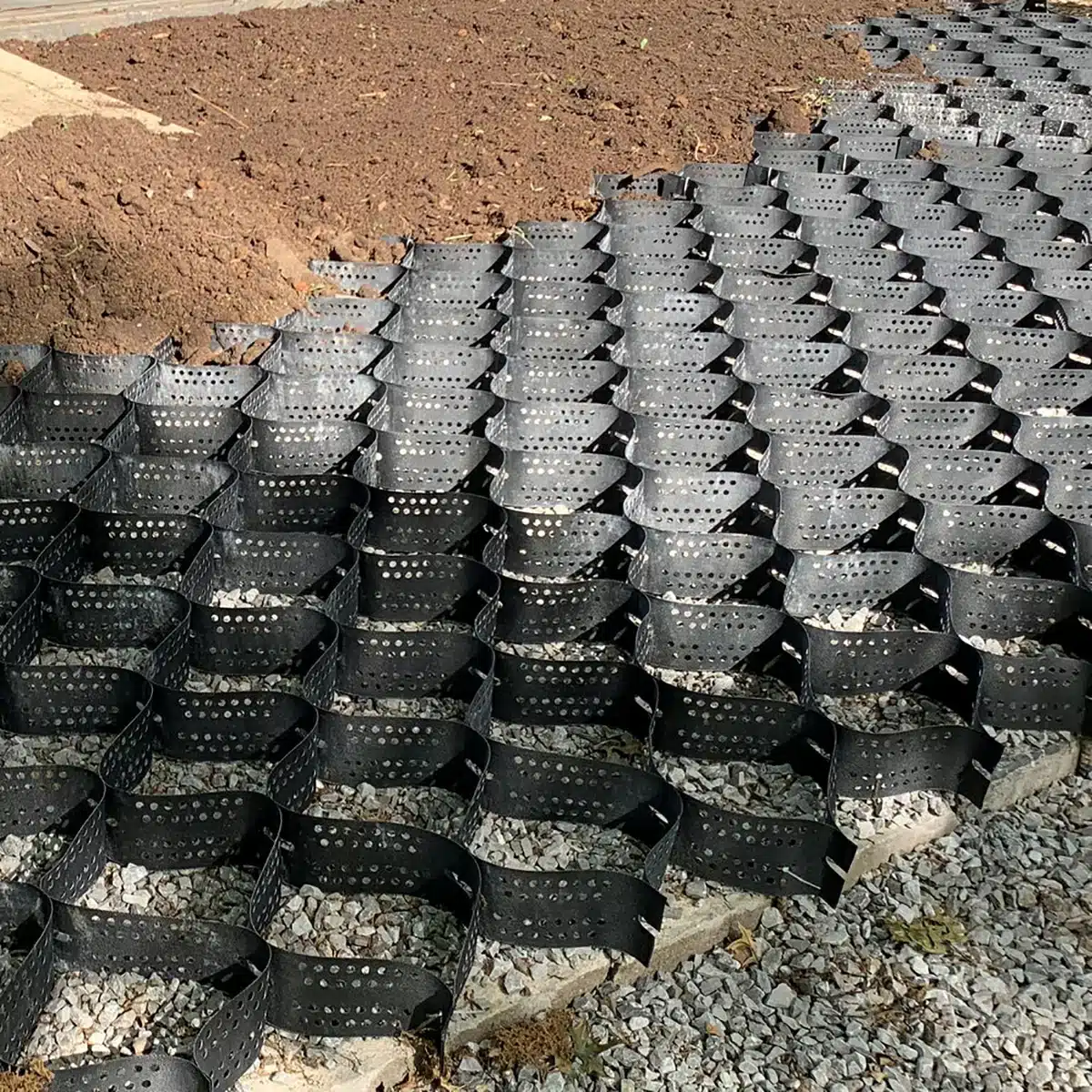
Geocell Road Construction Case Study: Rural Road Stabilization on Clay Soil
Another example of geocell road construction can be found in a rural road stabilization project built on clay-rich soil. During rainy seasons, the soil became soft and caused severe rutting on the road surface. The road required frequent repairs, which increased maintenance costs for local authorities.
To address the problem, engineers installed geocells above the compacted subgrade and filled them with gravel. The cellular structure confined the aggregate and distributed loads across the clay foundation. After two years of operation, inspections showed that geocell road construction significantly reduced deformation and improved road durability in this moisture-sensitive environment. More contractors are now exploring advanced geocell road construction methods for rural road stabilization.
Why Geocell Systems Are Used in Road Infrastructure Projects
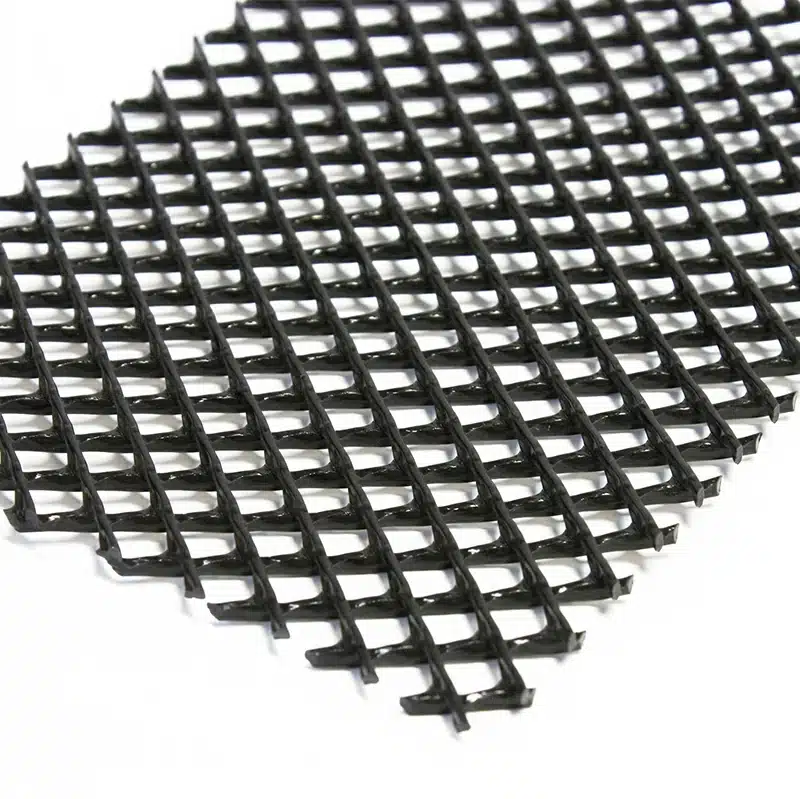
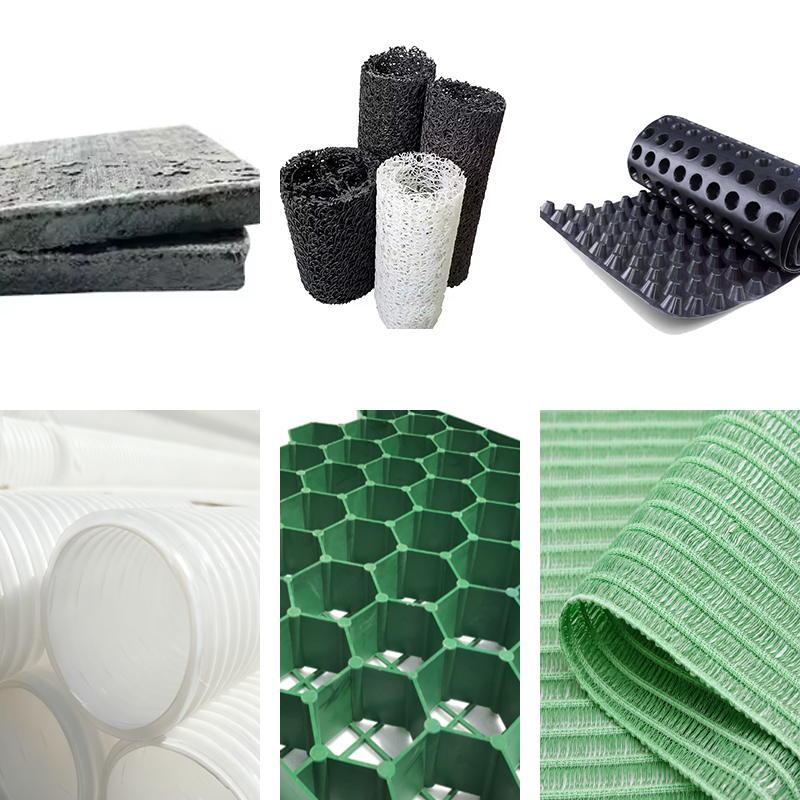
Geosynthetics technologies are playing a growing role in infrastructure development, particularly in road engineering projects. Among these solutions, geocell road construction offers an effective way to improve soil stability, reduce aggregate consumption, and extend pavement life.
By reinforcing the base layer and preventing lateral displacement of materials, geocells create a strong and stable road structure. Many infrastructure projects now adopt geocell road construction to reduce construction costs and improve long-term performance, especially in areas with weak subgrades or challenging environmental conditions.
Get Free Sample
We’ll respond as soon as possible(within 12 hours)