



+86-159 9860 6917
info@geofantex.com
geofantex@gmail.com
+86-400-8266163-44899
Geogrid for retaining wall systems are widely specified in infrastructure and commercial earthwork projects where soil stability and material reliability are critical. For contractors and procurement teams, geogrid reinforcement provides a practical approach to meeting structural requirements while maintaining predictable supply, standardized specifications, and controlled project costs.
Why geogrid for retaining wall is essential in weak soil conditions
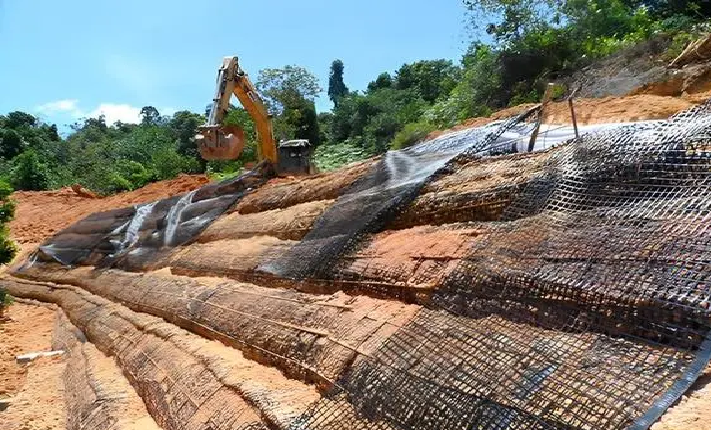
The use of geogrid for retaining wall systems is especially important when projects are built on soft clay, loose fill, or variable subgrade soils. In these conditions, unreinforced soil lacks the tensile capacity to resist lateral earth pressure. By integrating geogrid for retaining wall soil reinforcement systems, engineers can create a stabilized soil mass that improves load distribution and reduces the risk of deformation or settlement over time.
How geogrid for retaining wall improves internal structural stability
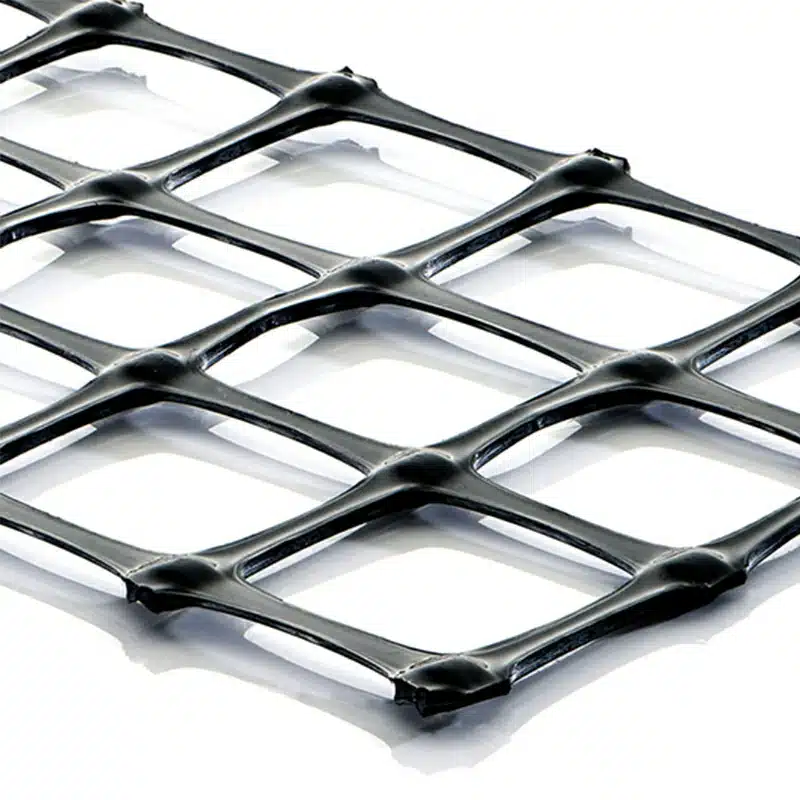
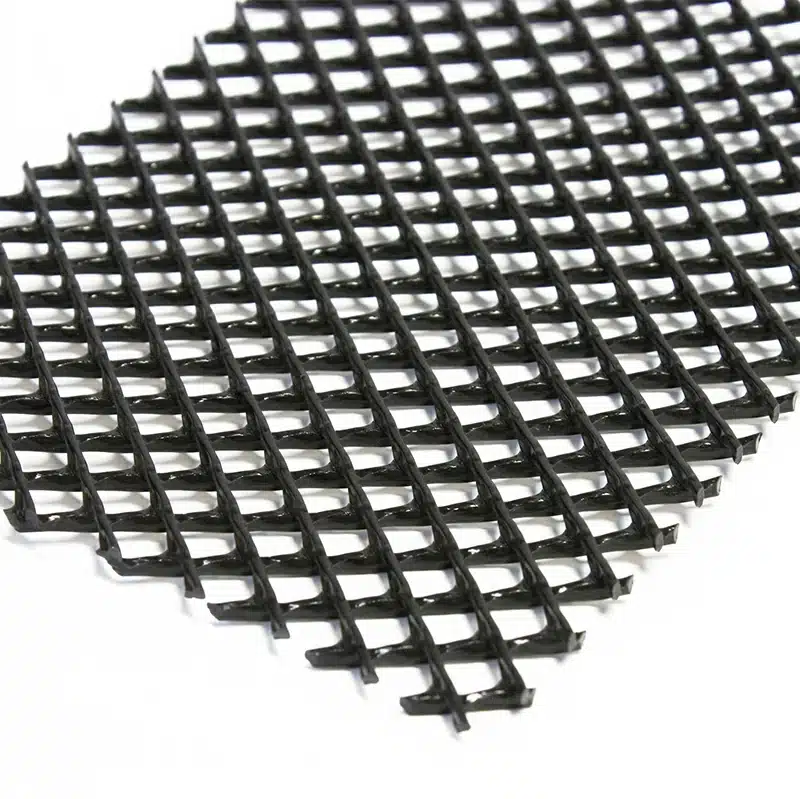
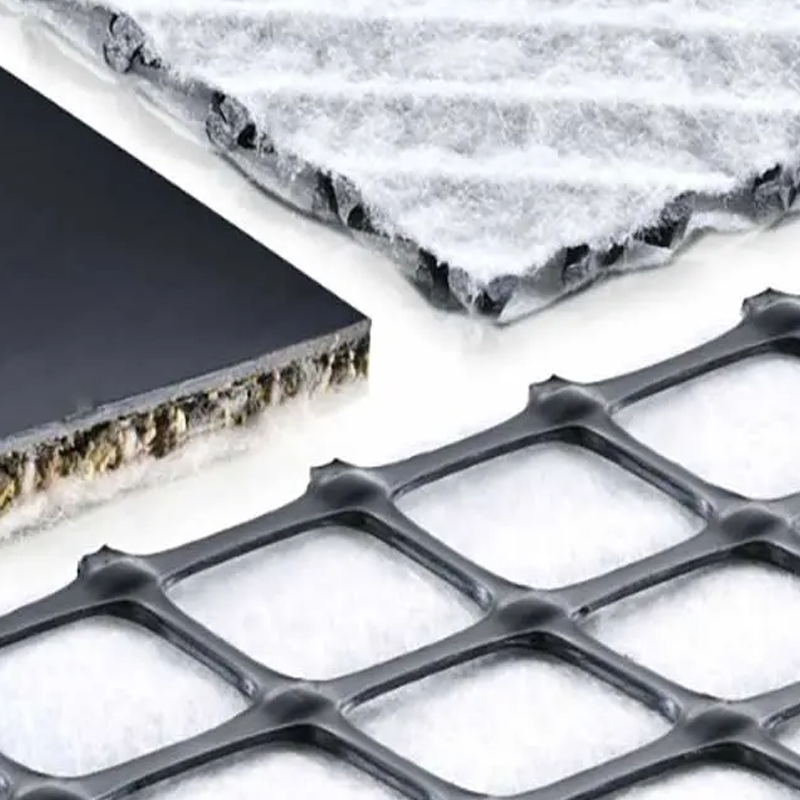
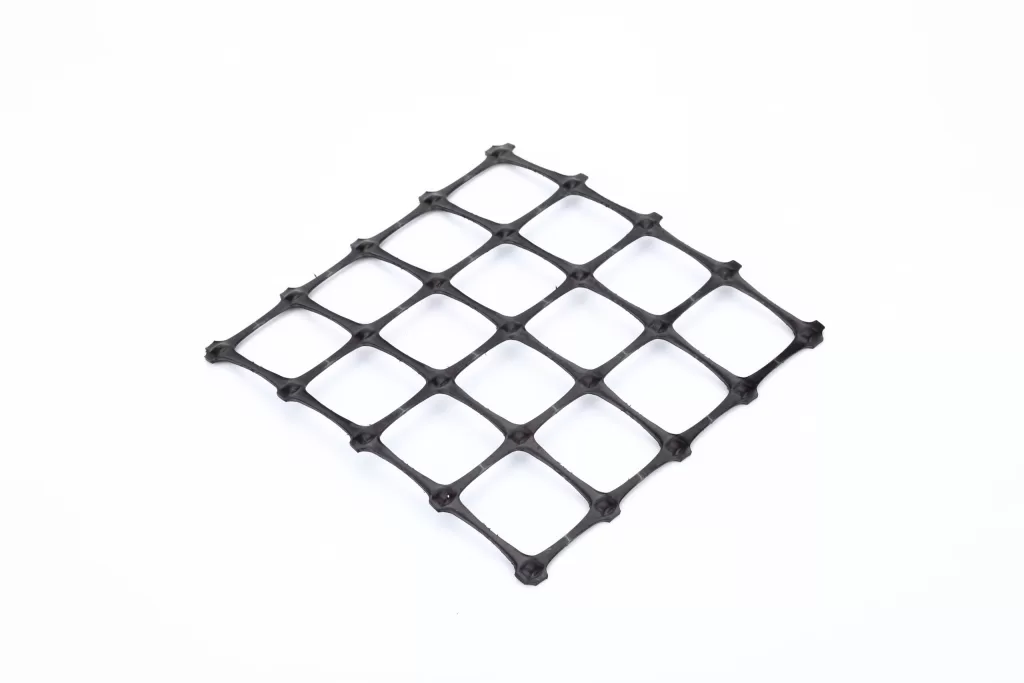
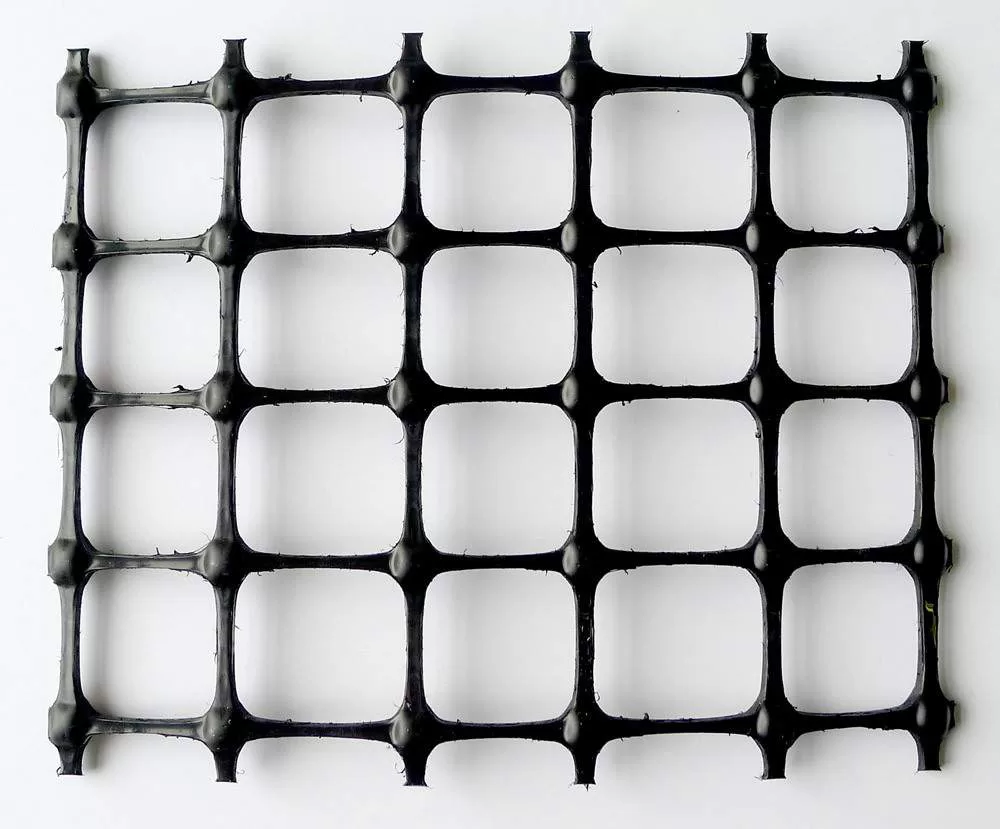
From an engineering perspective, geogrid for retaining wall designs work by mobilizing tensile strength within the soil structure. The apertures of the geogrid allow soil particles to interlock, forming a composite system that behaves as a single reinforced unit. This mechanism is widely documented in geogrid for retaining wall engineering design practices, where internal stability is a primary performance requirement.
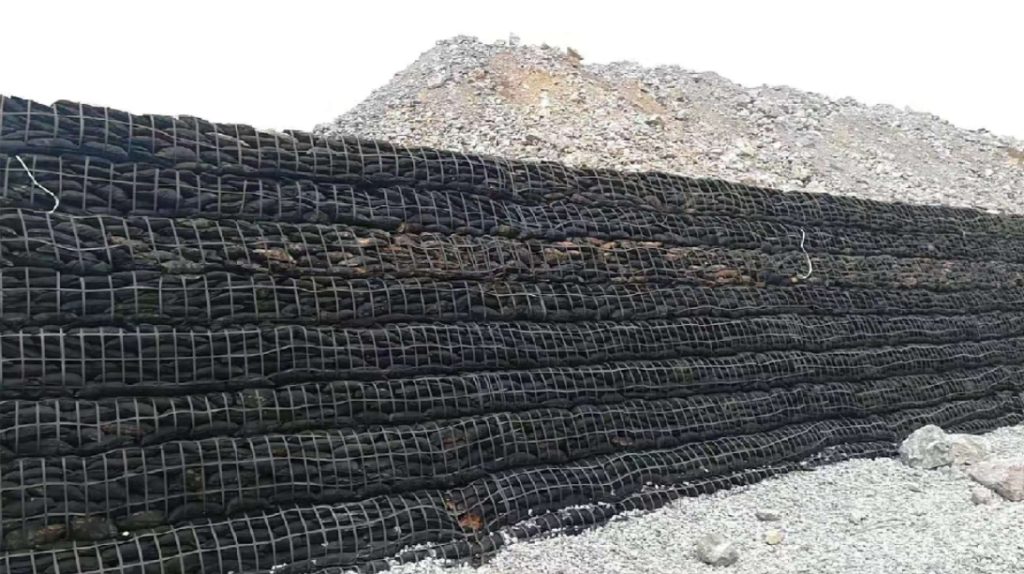
When geogrid for retaining wall supports efficient construction planning
In many projects, geogrid for retaining wall solutions simplify construction sequencing and reduce reliance on massive concrete elements. Compared with conventional gravity walls, reinforced soil walls require less excavation and smaller foundations. These efficiencies shorten construction schedules and allow contractors to coordinate material deliveries more effectively, particularly when managing standardized geogrid for retaining wall product series across multiple project phases.
Why geogrid for retaining wall aligns with cost-controlled procurement
From a procurement standpoint, geogrid for retaining wall systems provide predictable material quantities and consistent specifications. This consistency supports bulk purchasing, stable pricing, and easier supplier evaluation. For B2B buyers, sourcing through geogrid for retaining wall supply programs helps reduce procurement risk while maintaining alignment with engineering requirements.
How geogrid for retaining wall integrates with drainage and pumping systems
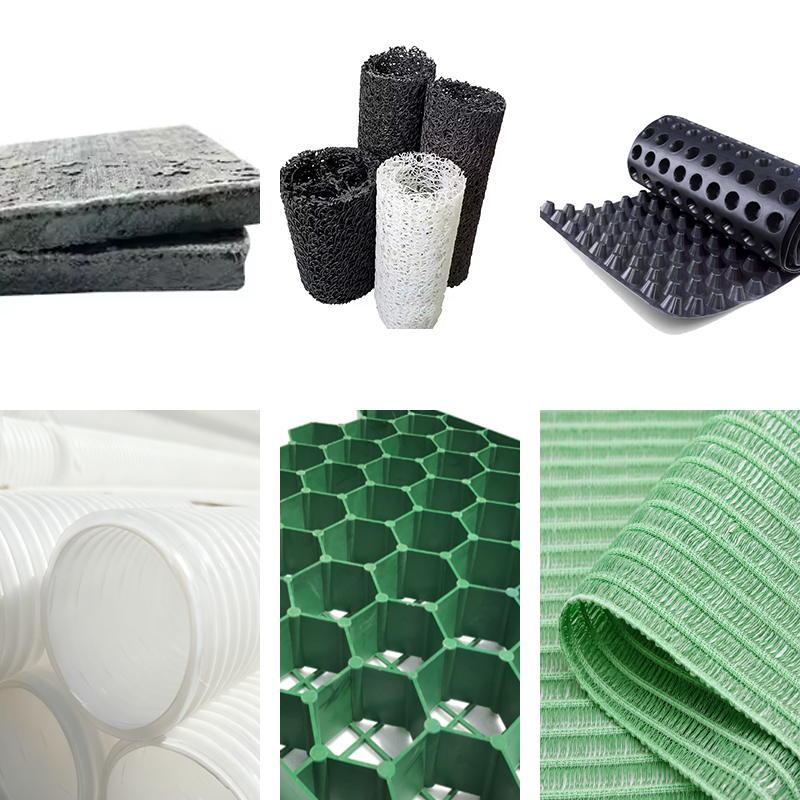
Effective retaining wall performance depends not only on reinforcement but also on proper water management. Geogrid for retaining wall structures are often combined with drainage layers, pipes, and pumps to control hydrostatic pressure behind the wall. These integrated systems protect both the reinforced soil mass and facing elements, ensuring durability even in high-moisture or flood-prone environments.
Where geogrid for retaining wall is commonly applied in infrastructure
The application of geogrid for retaining wall technology is widespread across highways, railways, industrial platforms, and commercial developments. It is particularly effective in mechanically stabilized earth walls and space-restricted sites, where traditional retaining structures may be impractical. These use cases continue to expand as reinforced soil solutions become standard practice in geosynthetics engineering.
Geogrid-reinforced retaining wall systems provide a practical response to modern structural and procurement challenges. By reinforcing soil internally, geogrid improves stability, reduces material dependency, and supports efficient construction planning. For engineers, contractors, and purchasing teams, solutions built around geogrid for retaining wall applications offer a scalable and reliable foundation for long-term project success.

Get Free Sample
We’ll respond as soon as possible(within 12 hours)