


+86-159 9860 6917
info@geofantex.com
geofantex@gmail.com
+86-400-8266163-44899
Geogrid reinforcement is widely used to improve weak soils, reduce aggregate consumption, and extend the service life of transportation and mining infrastructure. Whether you are designing highways, railways, or heavy-duty haul roads, selecting the right geogrid solution helps improve bearing capacity while lowering construction and maintenance costs. This article examines real engineering projects and highlights the practical factors that influence material selection and project performance.
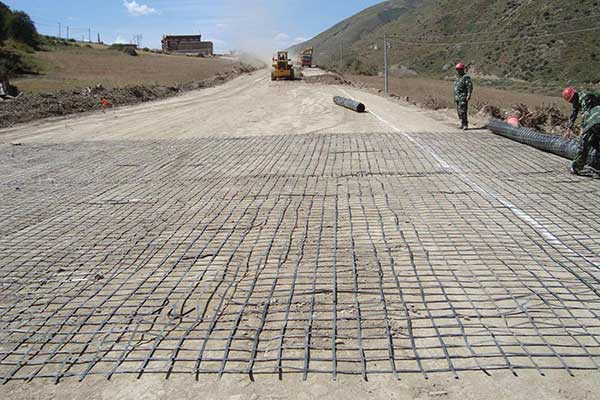
Why Geogrid Reinforcement Improves Infrastructure Performance
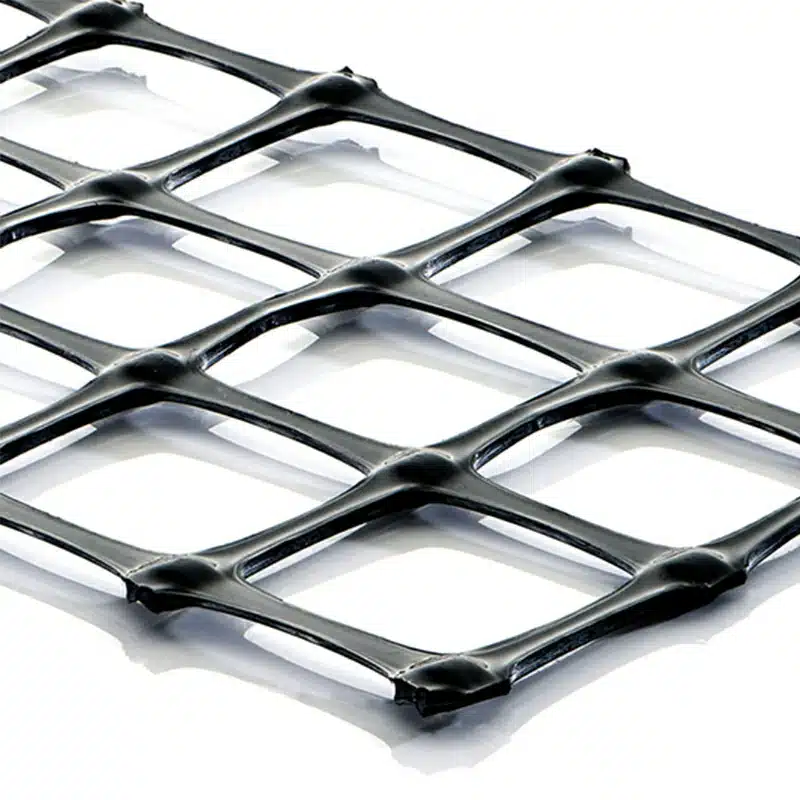
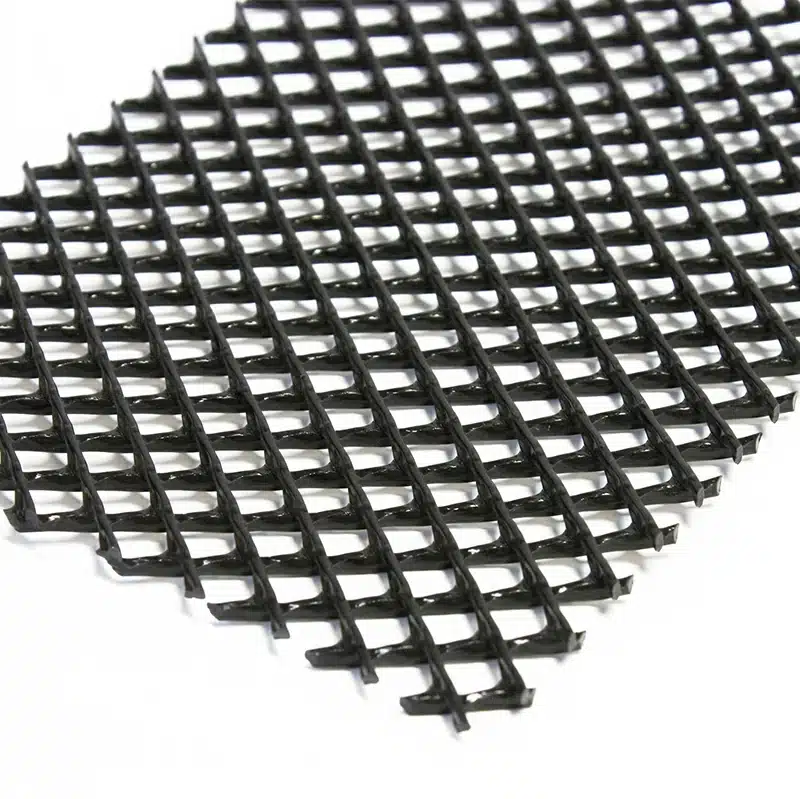
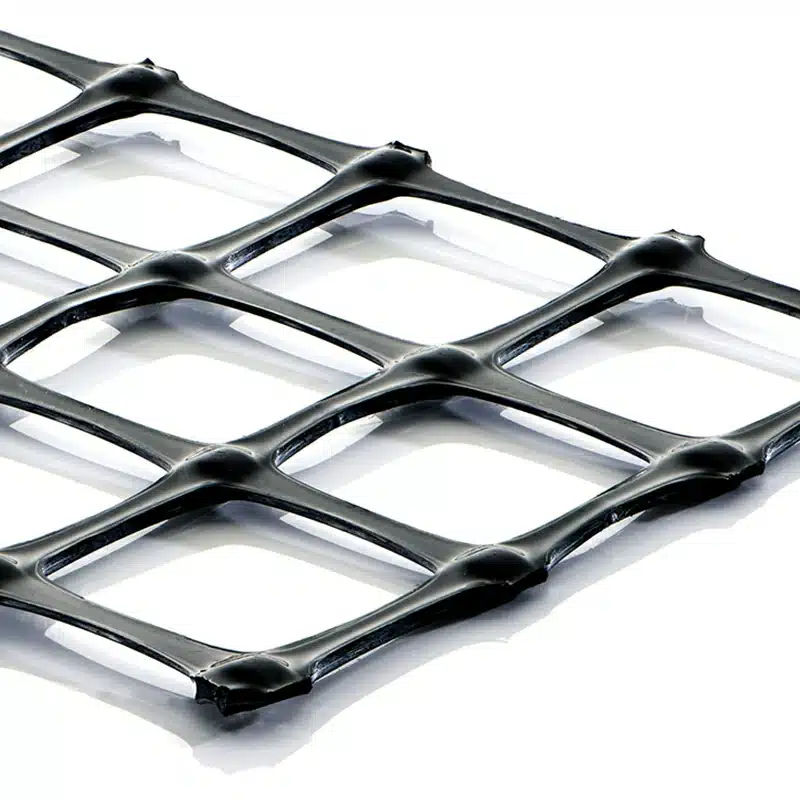
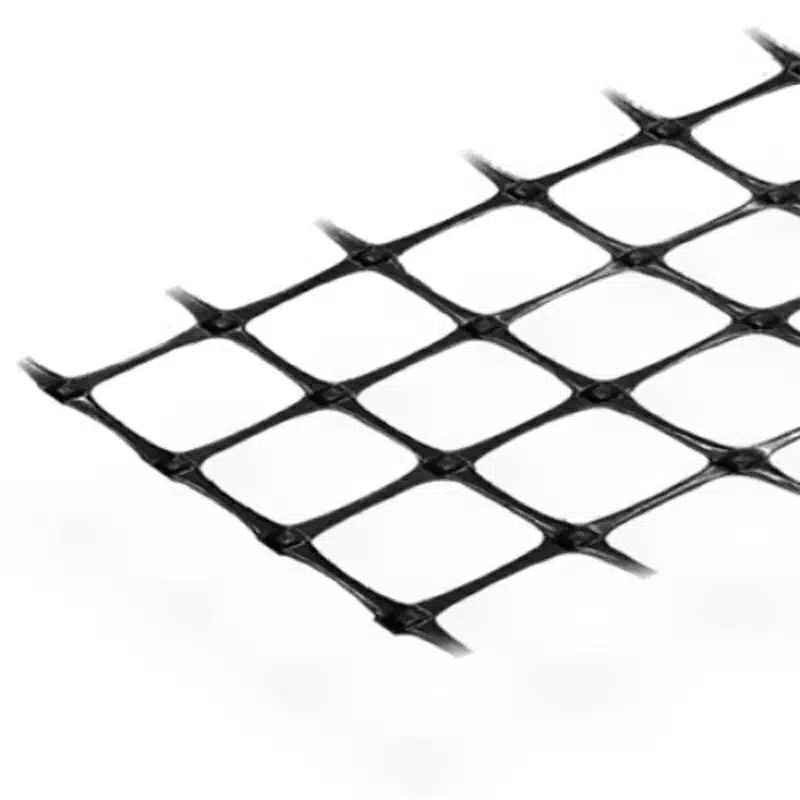
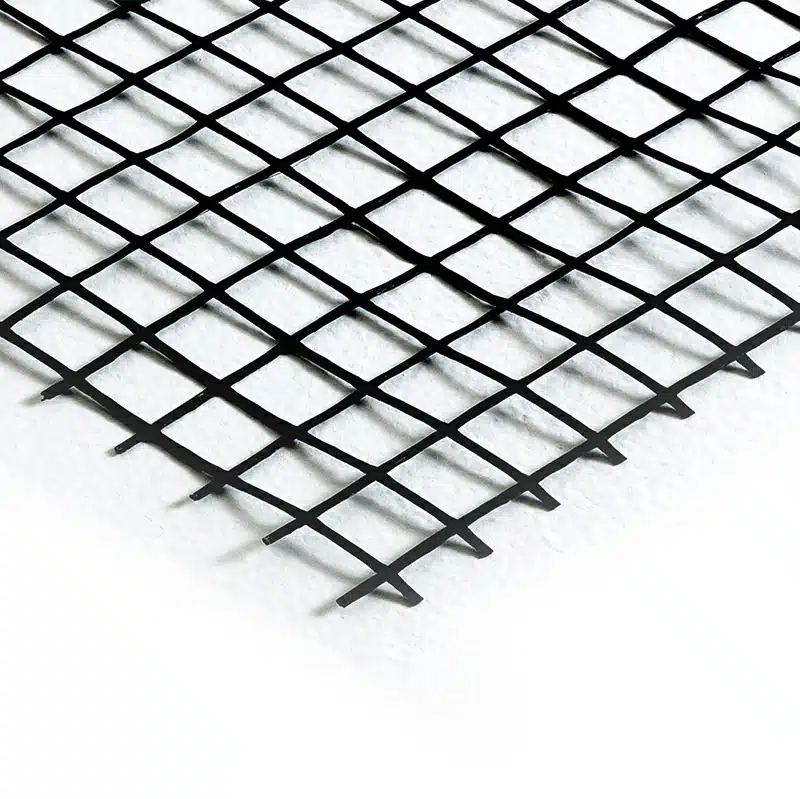
Geogrids are polymer reinforcement materials manufactured from polypropylene, polyester, or HDPE. Their open aperture structure allows aggregates to interlock with the grid, creating a stable reinforced layer that distributes loads more efficiently.
Compared with conventional ground improvement methods, this solution offers several advantages:
- Increases bearing capacity of weak subgrades
- Reduces aggregate thickness and project costs
- Controls rutting and differential settlement
- Extends pavement service life
- Minimizes long-term maintenance
For projects requiring different reinforcement strengths, engineers often compare various geogrid reinforcement solutions for road construction before selecting the appropriate tensile strength and aperture size.
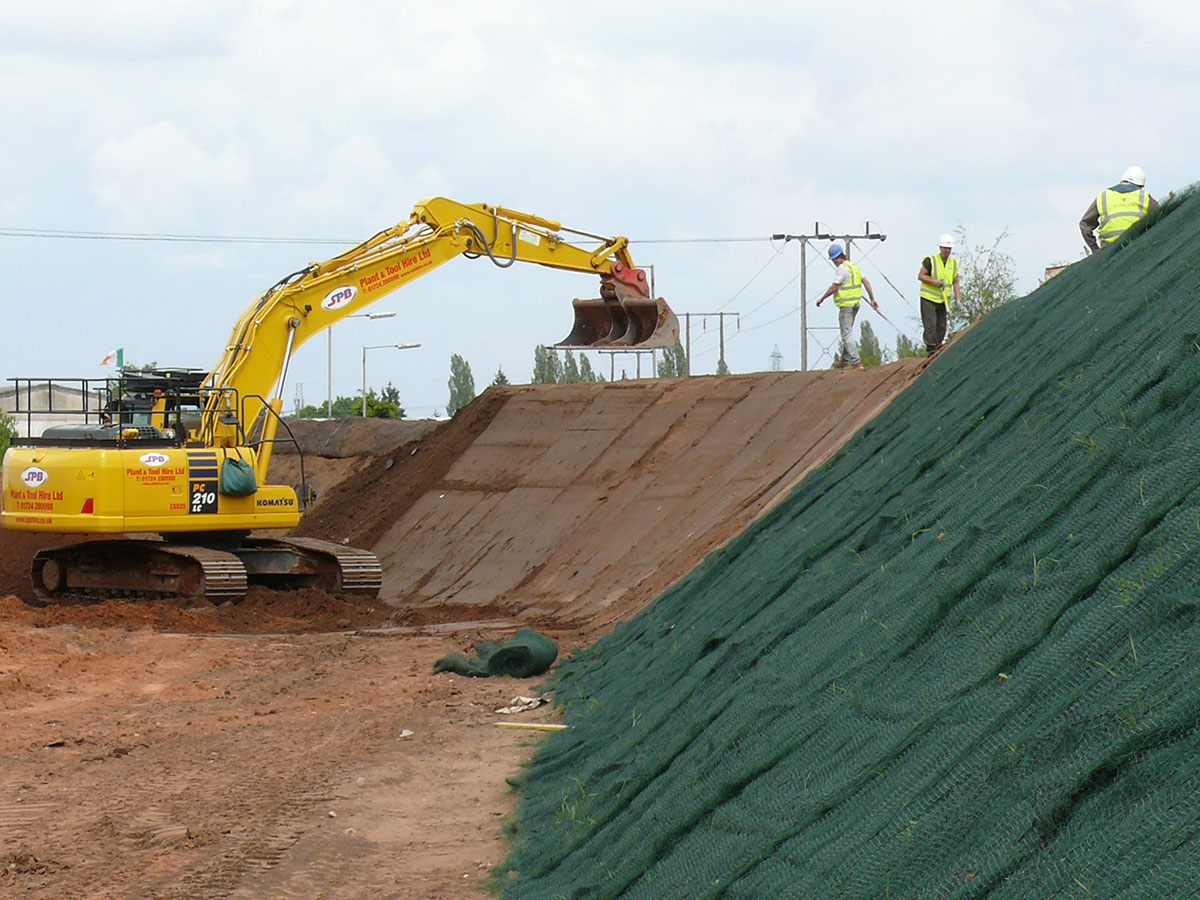
Highway Case: Geogrid Reinforcement in Texas, USA
A highway expansion project in Texas encountered soft clay subgrades that could not support heavy traffic loads without significant ground improvement.
Instead of increasing the aggregate base thickness, engineers installed biaxial geogrids between the subgrade and crushed stone layer. After construction, project monitoring reported:
- Approximately 20% reduction in aggregate consumption
- Improved compaction efficiency
- Reduced rutting under repeated traffic
- Better long-term pavement performance
These results helped reduce construction costs while maintaining structural stability throughout the pavement’s design life.
Mining Case: Heavy Haul Roads in Western Australia
Mining haul roads experience extremely high axle loads from large dump trucks operating around the clock.
A Western Australian mining company reinforced its haul roads with biaxial geogrids placed beneath the aggregate layer. After implementation, the operator experienced:
- Longer maintenance intervals
- Reduced wheel rutting
- Improved road stability during wet seasons
- Lower life-cycle maintenance costs
Mining engineers increasingly specify high-strength geogrid reinforcement for mining haul roads because it helps maintain road performance while reducing operational downtime.
Railway Case: Embankment Reinforcement in Northern Europe
A railway modernization project in Northern Europe required stabilization of embankments constructed over compressible soils.
High-strength geogrids were installed within the embankment structure to improve load distribution before track construction. After several years of operation, engineers observed:
- Lower differential settlement
- Improved track alignment
- Greater resistance to cyclic train loading
- Reduced maintenance requirements
The project demonstrated that proper ground reinforcement can significantly improve the long-term stability of railway infrastructure.
How to Select the Right Geogrid Reinforcement
Choosing the appropriate product depends on several engineering factors, including:
- Soil bearing capacity
- Traffic loading conditions
- Aggregate gradation
- Required tensile strength
- Design life
- Installation method
- Environmental exposure
Before procurement, many contractors review technical specifications of geogrid reinforcement materials to ensure compliance with international project standards and local design requirements.
Real engineering projects in highways, mining, and railways demonstrate that geogrid reinforcement delivers measurable improvements in pavement performance, embankment stability, and long-term maintenance costs. By selecting the appropriate product specification and working with an experienced manufacturer, contractors can reduce construction expenses while achieving reliable long-term performance across demanding infrastructure applications.
Get Free Sample
We’ll respond as soon as possible(within 12 hours)