

+86-159 9860 6917
info@geofantex.com
geofantex@gmail.com
+86-400-8266163-44899
Geomembrane Installation is a critical step for contractors, engineers, and project owners seeking reliable containment performance in landfills, ponds, mining sites, and water management systems. Proper installation helps prevent leakage, extends service life, reduces maintenance costs, and ensures long-term environmental protection.
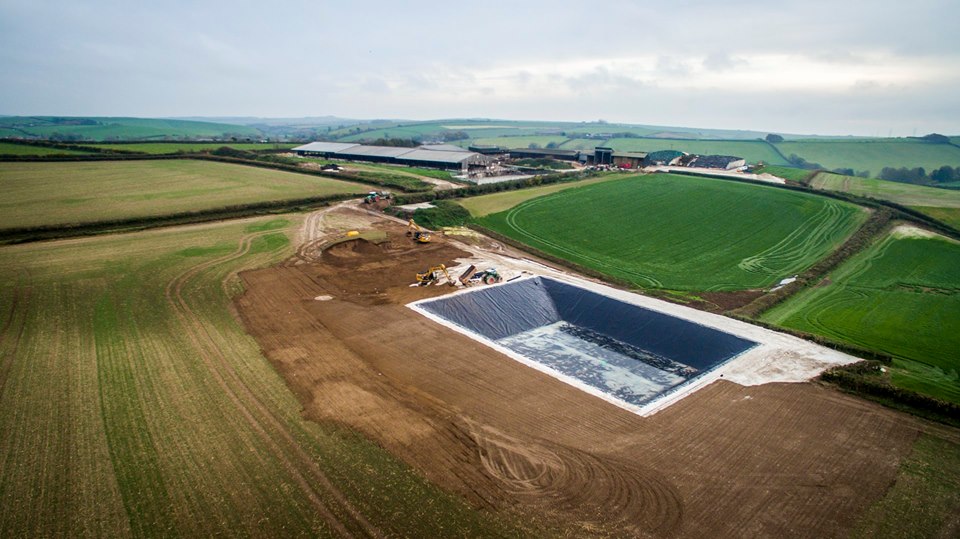
What Is Geomembrane Installation and Why Does It Matter?
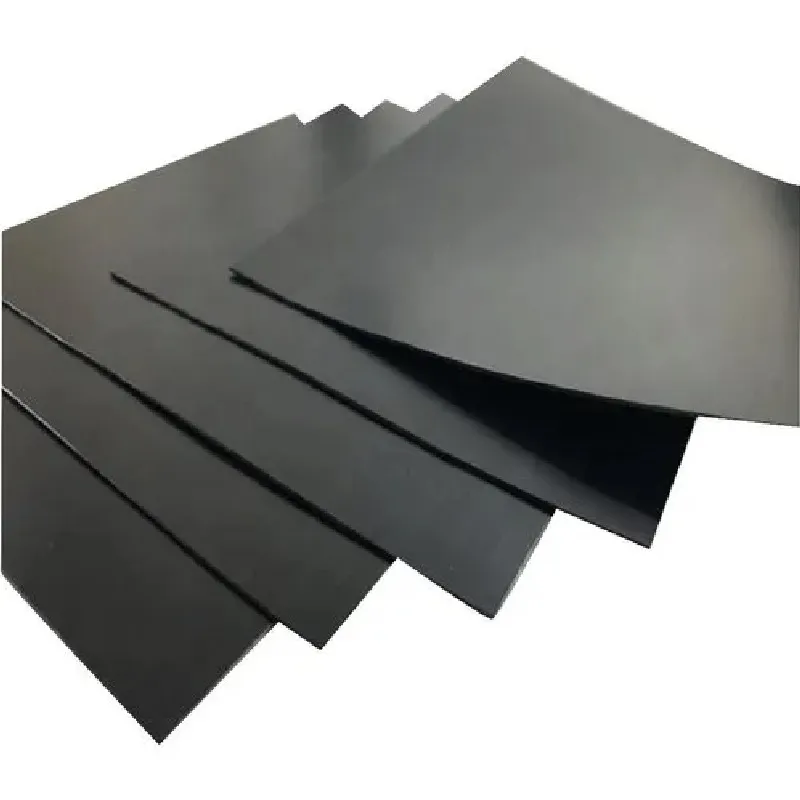
Synthetic liners are designed to control liquid and gas movement in civil and environmental engineering projects. Their success depends heavily on correct handling, placement, and joining methods, regardless of whether the material is HDPE, LLDPE, PVC, or EPDM.
A well-installed geomembrane system creates a continuous barrier that protects soil and groundwater from contamination. Poor installation practices can lead to seam failures, punctures, and costly repairs. For this reason, many project managers review Geomembrane Installation procedures for landfill containment systems before selecting materials and contractors.
Applications commonly include:
- Landfill liners and caps
- Agricultural ponds and reservoirs
- Mining containment facilities
- Wastewater treatment lagoons
- Industrial secondary containment systems
By following industry-approved installation methods, project teams can improve system reliability and regulatory compliance.
How Should the Site Be Prepared for Geomembrane Installation?
Site preparation is the foundation of a successful project. The subgrade must be smooth, compacted, and free from debris that could damage the liner during placement.
Key preparation steps include:
- Removing rocks, roots, and sharp objects
- Grading the surface to design specifications
- Compacting loose soils
- Eliminating excessive surface irregularities
- Providing adequate drainage beneath the liner
Material storage is equally important. Geomembrane rolls should be stored off the ground and protected from prolonged UV exposure. During handling, installers should avoid dragging panels across rough surfaces to prevent scratches and punctures.
Many engineers also evaluate Geomembrane Installation requirements for HDPE and LLDPE liners during project planning to ensure material selection matches site conditions and performance expectations.
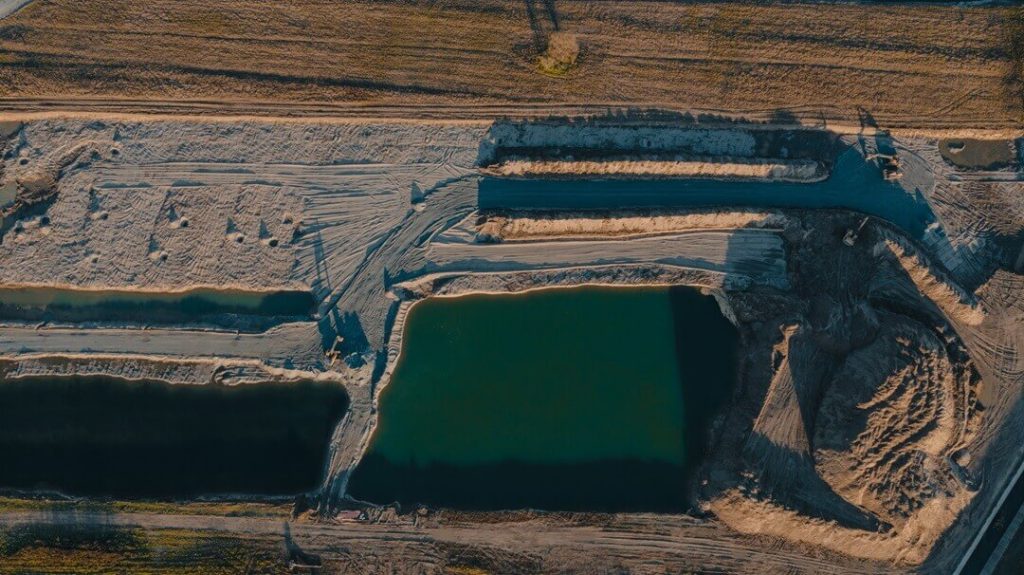
What Are the Main Geomembrane Seaming and Testing Methods?
Seaming is one of the most critical stages in system construction. The joining method depends on the material type and project specifications.
For HDPE and LLDPE geomembranes, thermal fusion welding is the most common technique. This process heats overlapping liner surfaces and bonds them together under pressure, creating a strong and watertight seam.
Additional joining methods include:
- Extrusion welding for repairs and detail work
- Chemical bonding for certain flexible geomembranes
- Mechanical fastening where thermal welding is not practical
After seaming is completed, testing and quality assurance procedures are conducted to verify system integrity. Common testing methods include:
- Air pressure testing
- Vacuum box testing
- Spark testing
- Visual seam inspection
Project teams often follow Geomembrane Installation quality control and seam testing guidelines to ensure compliance with engineering specifications and environmental regulations.
How Can Geomembrane Systems Be Protected After Installation?
Even after successful installation and testing, geomembranes require protection to maintain long-term performance. Mechanical damage during subsequent construction activities is one of the most common causes of premature liner failure.
Protective measures may include:
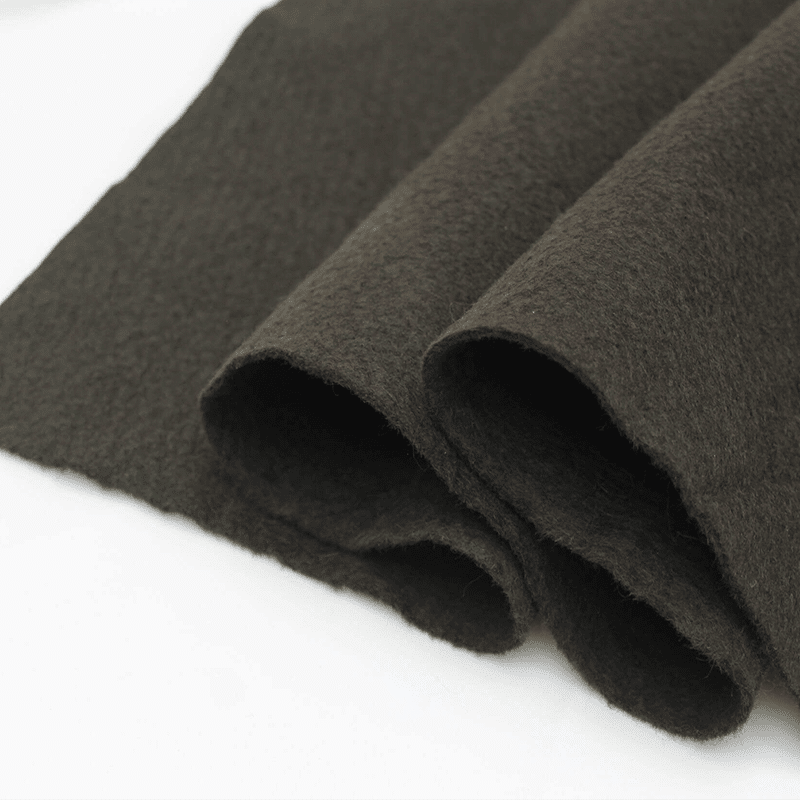
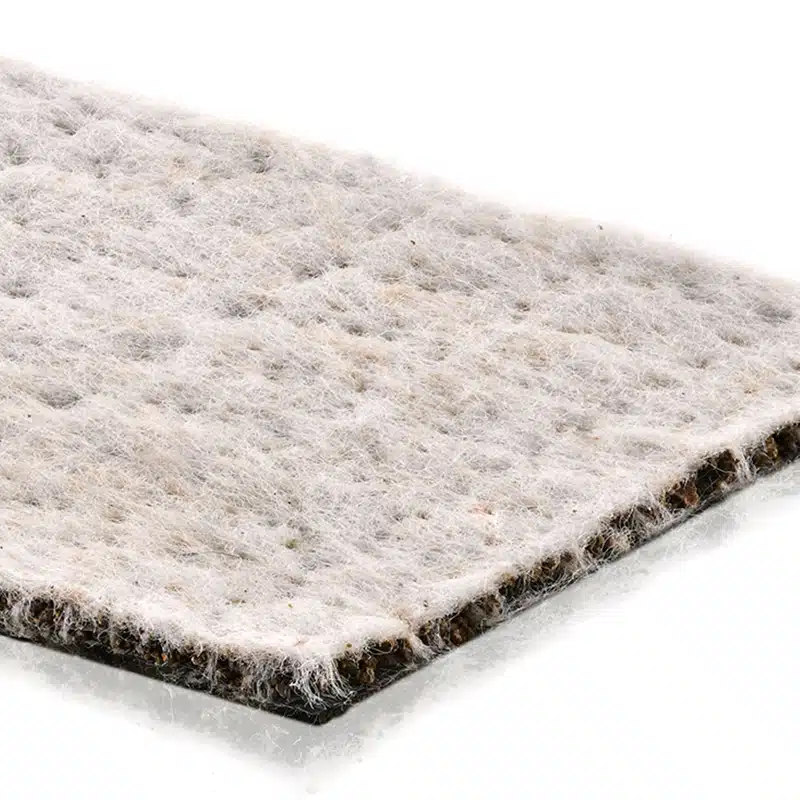
- Nonwoven geotextile cushioning layers
- Soil cover systems
- Aggregate protection layers
- Anchor trenches to prevent movement
Routine inspections also help identify damage before it affects containment performance. When defects are discovered, repairs can typically be completed using extrusion welding or approved patching methods.
Proper protection and maintenance significantly extend the service life of containment systems and reduce future repair costs. This is especially important for landfill and agricultural water storage projects where long-term environmental performance is essential.
Geomembrane Installation plays a vital role in the success of landfill, agricultural, industrial, and water containment projects. From site preparation and material handling to welding, testing, and protection, each stage directly impacts system durability and performance. By following established installation procedures and quality control standards, contractors and project owners can achieve reliable containment, lower maintenance costs, and long-term environmental protection.
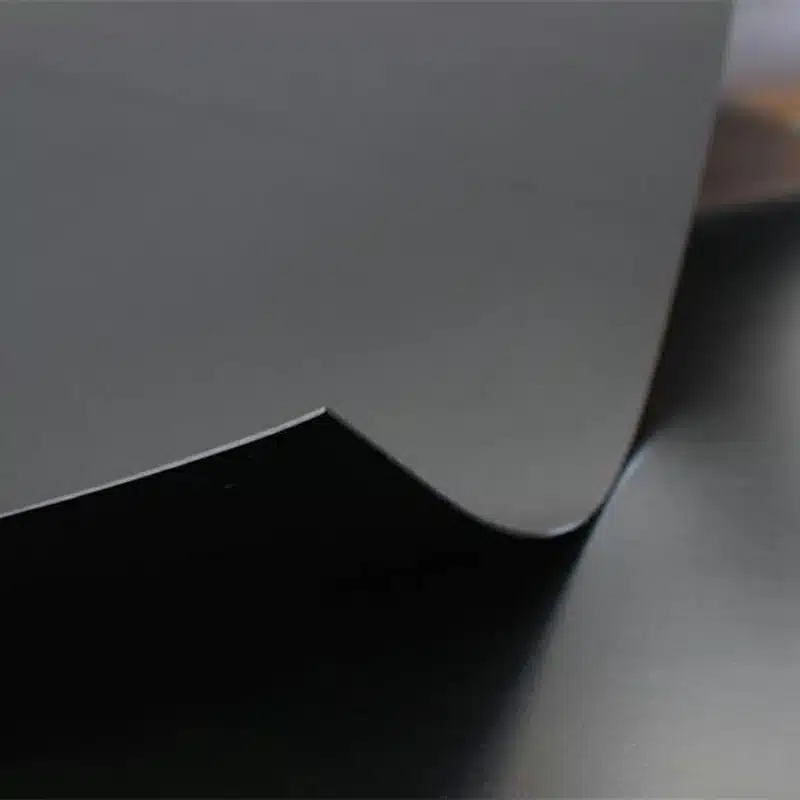
Get Free Sample
We’ll respond as soon as possible(within 12 hours)