

+86-159 9860 6917
info@geofantex.com
geofantex@gmail.com
+86-400-8266163-44899
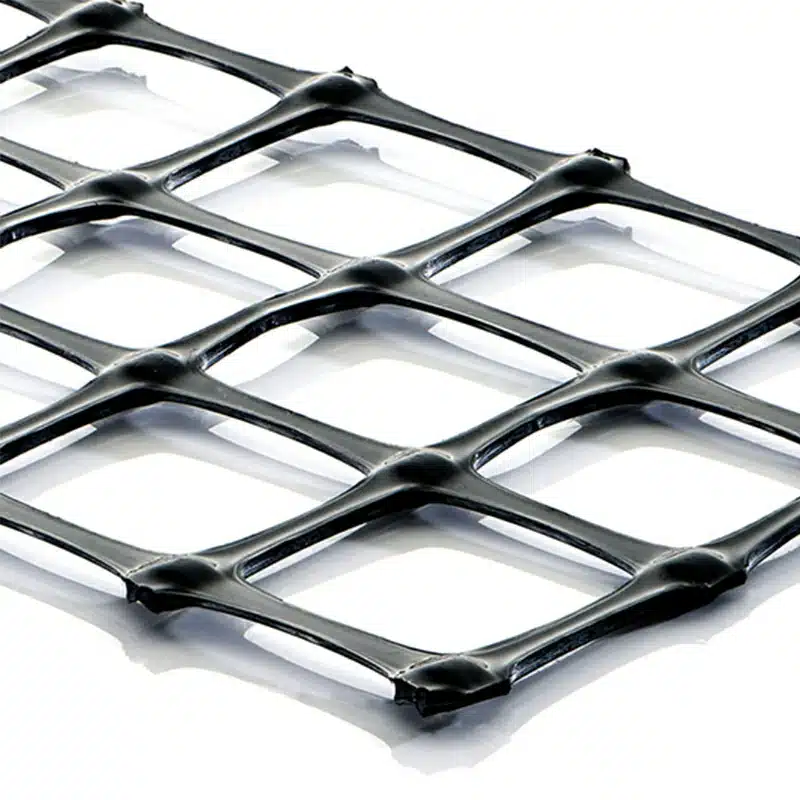
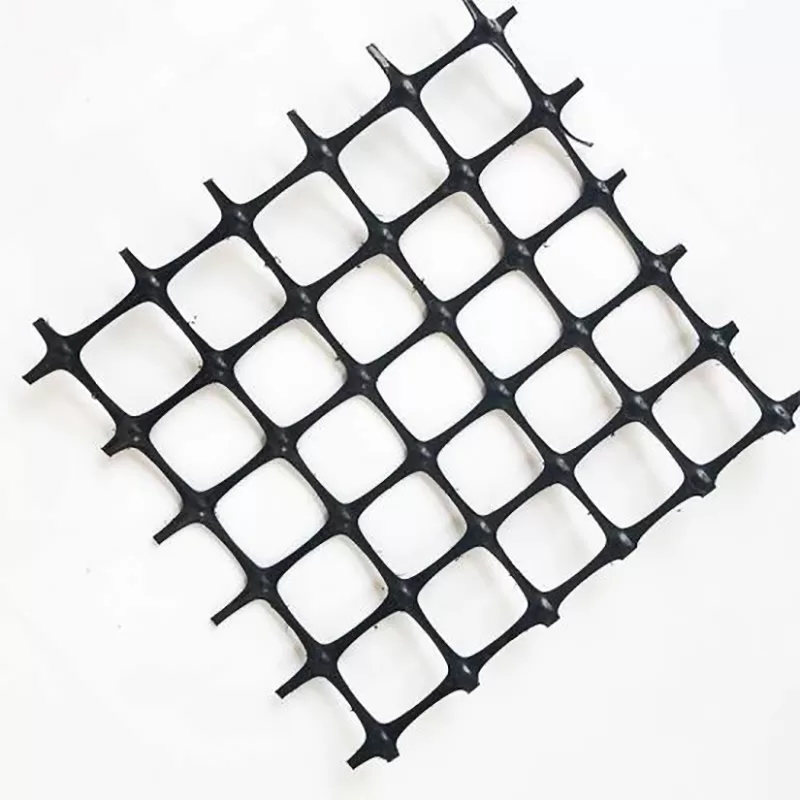
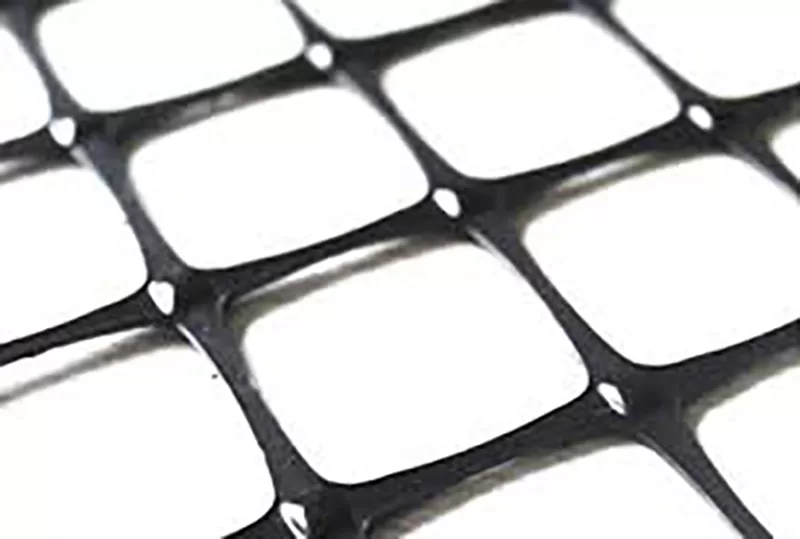
Geonet and geogrid solutions are widely used in road construction, soil reinforcement, landfill drainage, and slope stabilization projects. For contractors and infrastructure buyers, these geosynthetics provide high load-bearing capacity, efficient drainage performance, and long-term cost savings in demanding engineering environments.
Why Geonet and Geogrid Are Important for Soil Reinforcement
Soil reinforcement plays a critical role in modern civil engineering. Weak foundations can cause pavement deformation, slope failure, and structural instability. To solve these challenges, engineers use reinforcement systems that distribute loads evenly and improve ground support.
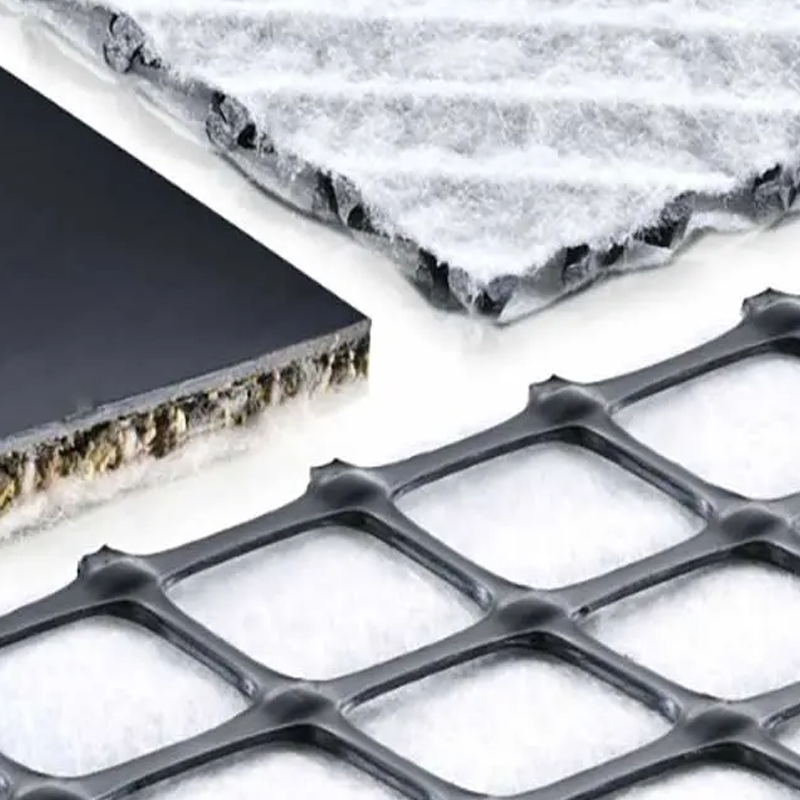
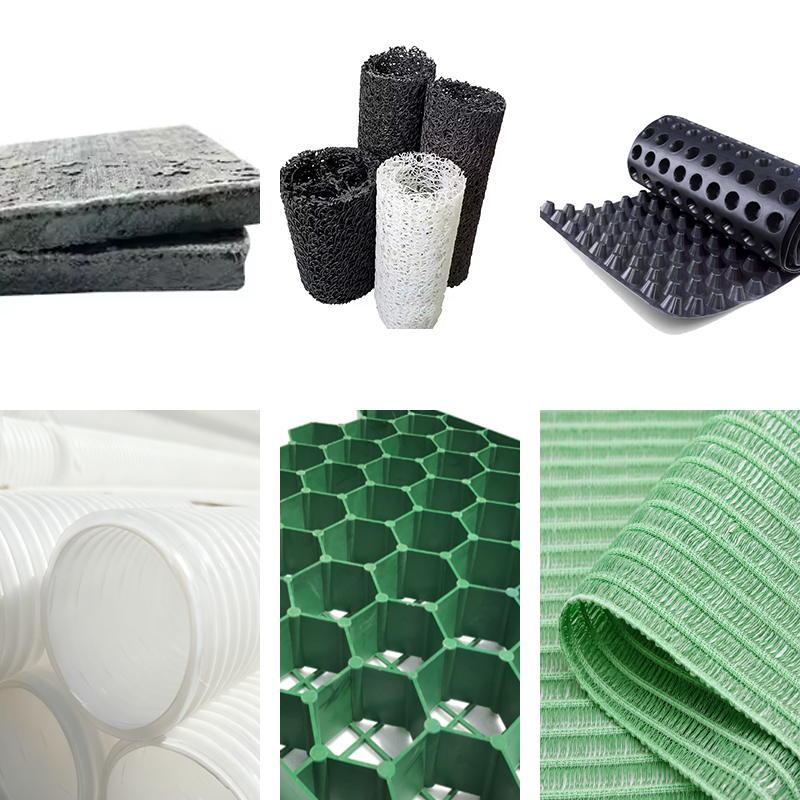
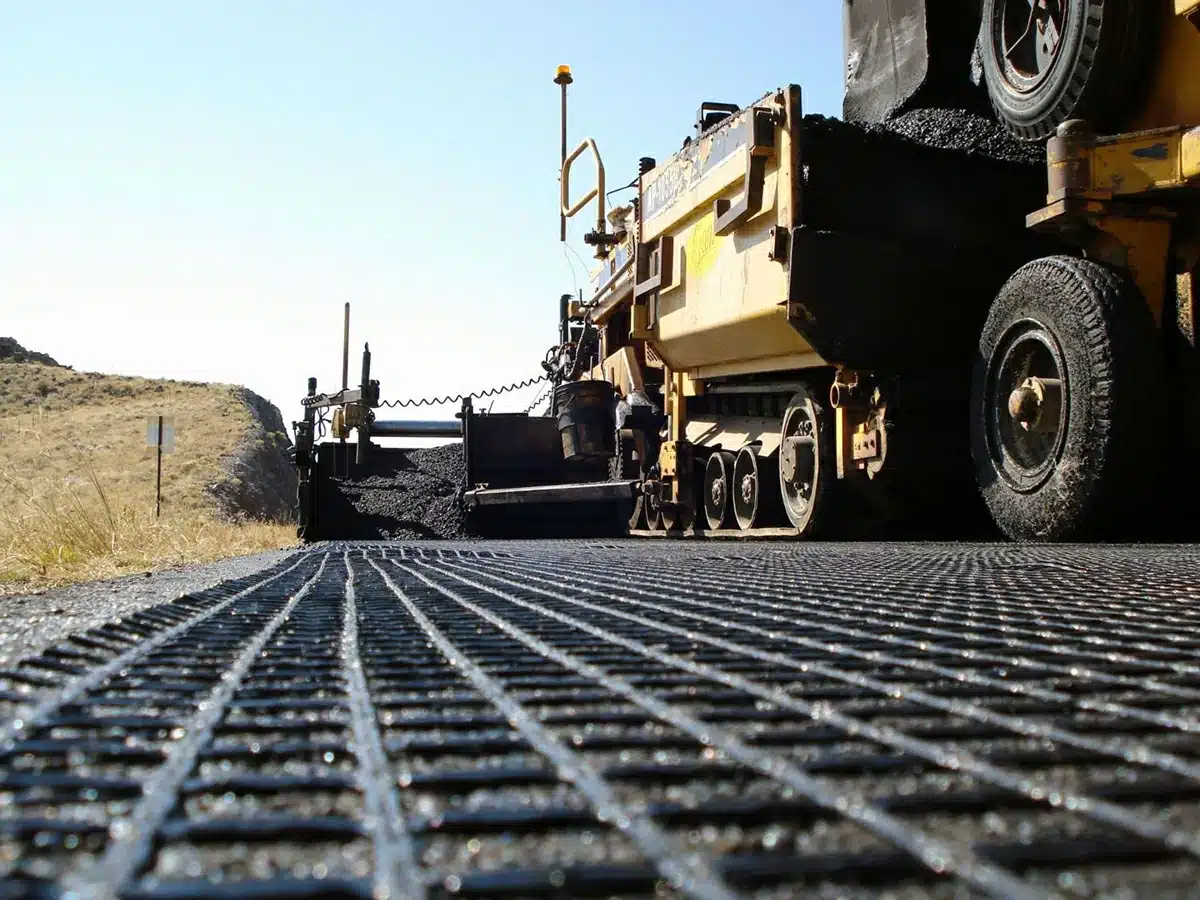
In highway construction, geogrids are commonly installed beneath aggregate layers to reduce rutting and pavement deformation. Geonets are often combined with geotextiles to create advanced drainage composites for retaining walls, tunnels, and landfill systems.
Many contractors choose these materials because they reduce excavation depth and shorten construction schedules. In large-scale infrastructure projects, this translates into significant savings in labor and transportation costs.
For example, a highway reinforcement project in Texas used biaxial geogrids to stabilize soft clay subgrades. Engineers reported improved pavement lifespan and reduced aggregate consumption after installing the reinforcement system.
Advanced geonet and geogrid reinforcement solutions are also increasingly used in airport runways and logistics platforms, where heavy traffic loads require higher structural stability.
Geonet and Geogrid Applications in Slope Stabilization
Slope instability remains a major issue on mountainous highways, in mining operations, and on railway embankments. Heavy rainfall and weak soil conditions often increase the risk of erosion and structural failure.
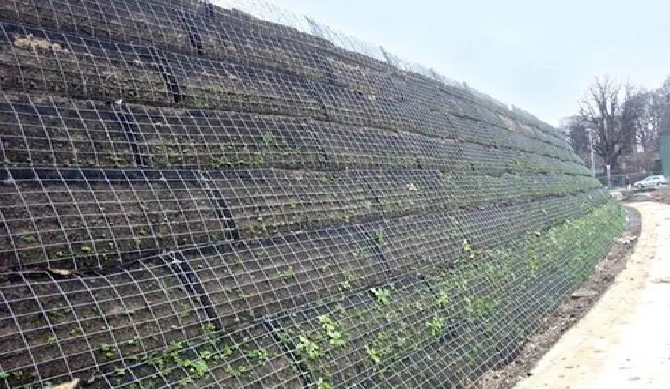
In India, a railway embankment project experienced repeated settlement problems caused by monsoon conditions. Contractors installed uniaxial geogrids within the embankment layers to reinforce weak soils and minimize lateral displacement.
The project achieved several engineering benefits:
- Improved slope stability
- Reduced differential settlement
- Lower long-term maintenance costs
- Increased infrastructure lifespan
Similarly, geonet drainage layers are widely used behind retaining walls to prevent hydrostatic pressure buildup. Their high transmissivity allows water to flow efficiently while protecting soil structures from erosion damage.
High-performance geonet and geogrid systems for slope stability are especially valuable in regions with frequent rainfall and unstable geological conditions.
Real-Life Landfill Drainage Case Using Geonet Technology
Environmental engineering projects also require effective drainage solutions. In Germany, a municipal landfill project needed a reliable system to manage continuous liquid flow under heavy pressure conditions.
Engineers selected a composite geonet drainage system combined with nonwoven geotextiles. Compared with traditional gravel drainage methods, the system significantly reduced installation time and transportation costs.
Key project results included:
- Excellent long-term drainage capacity
- Reduced clogging risk
- Faster project installation
- Improved environmental protection performance
These advantages have made advanced drainage materials increasingly popular in landfill construction and water management systems worldwide.
Moreover, sustainable infrastructure projects now focus more on reducing carbon emissions and minimizing the use of natural aggregate resources. Customized geonet and geogrid products for infrastructure projects can help engineers optimize both reinforcement performance and drainage efficiency in complex site conditions.
Future Trends of Geonet and Geogrid in Infrastructure Construction
As infrastructure investment continues to grow worldwide, demand for advanced geosynthetics is increasing rapidly. Manufacturers are developing stronger polymer materials with higher tensile strength, improved chemical resistance, and longer service life.
Manufacturers are developing products with improved tensile strength, enhanced chemical resistance, and longer service life. Future applications are expected to expand across several sectors, including:
- Smart highway systems
- Railway expansion projects
- Coastal protection engineering
- Mining infrastructure
- Sustainable drainage systems
These innovations will further improve construction efficiency while supporting environmentally responsible engineering practices.
Get Free Sample
We’ll respond as soon as possible(within 12 hours)