

+86-159 9860 6917
info@geofantex.com
geofantex@gmail.com
+86-400-8266163-44899
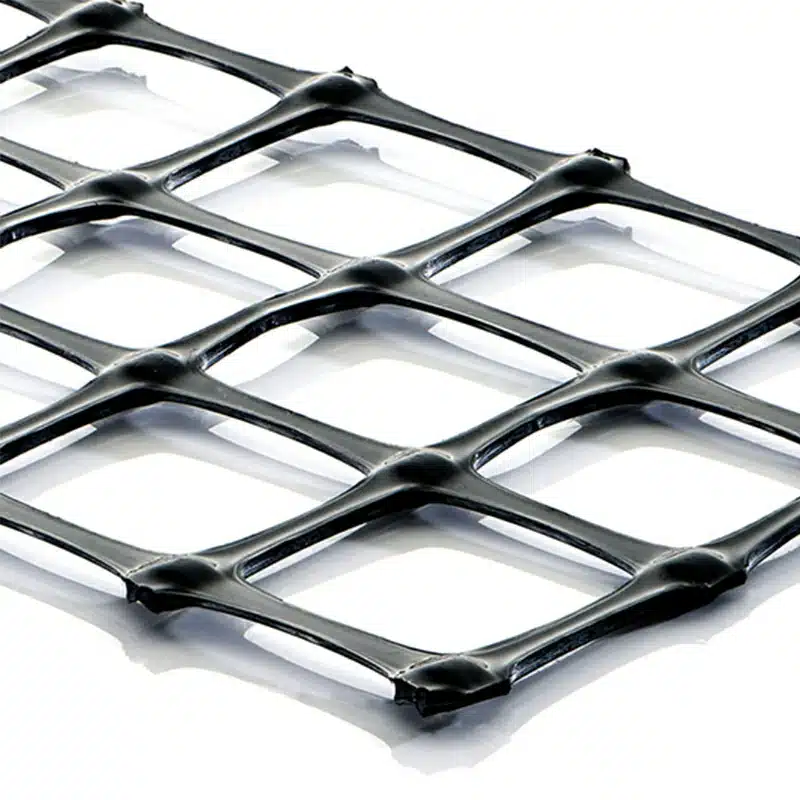
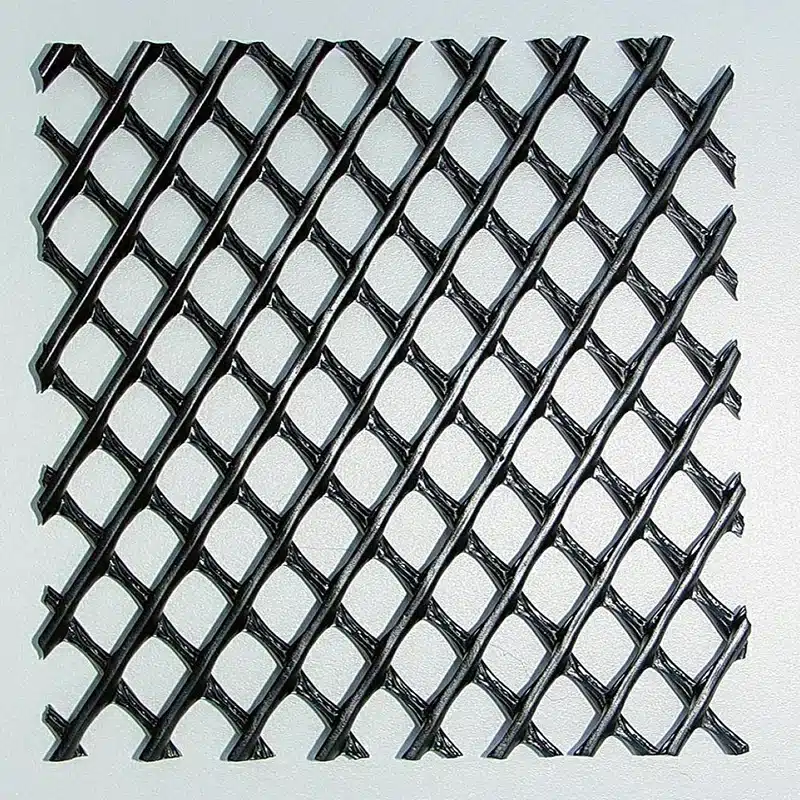
How thick is a geonet is one of the first questions buyers and engineers ask when selecting drainage materials. For procurement teams, thickness directly affects flow capacity, durability, and cost efficiency. Understanding this parameter helps you choose the right geonet for landfill, road, or slope drainage projects while ensuring long-term performance and compliance.
How thick is a geonet in standard products?
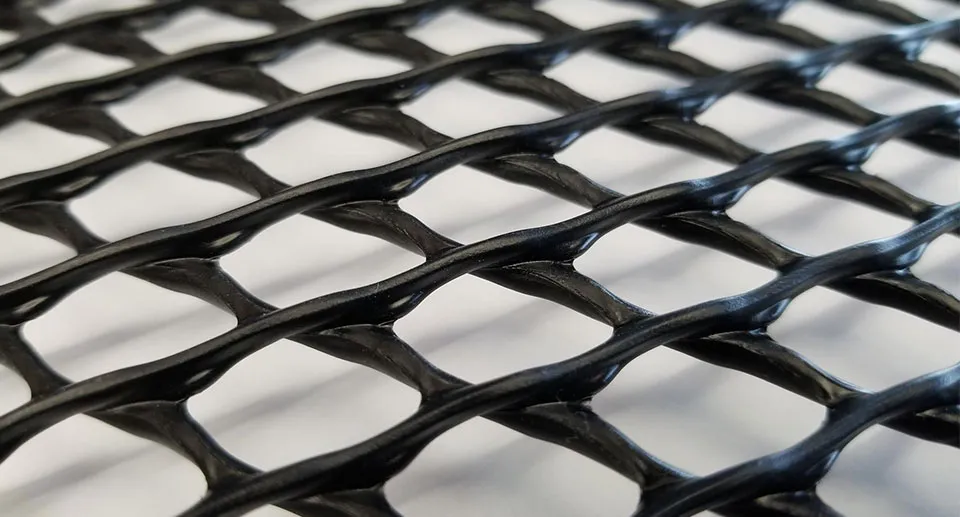
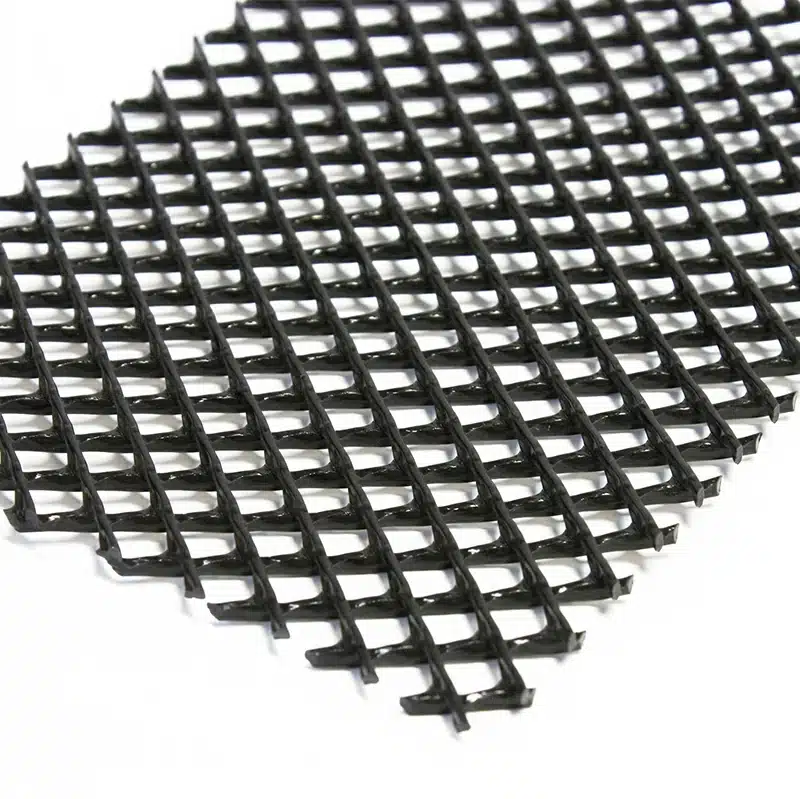
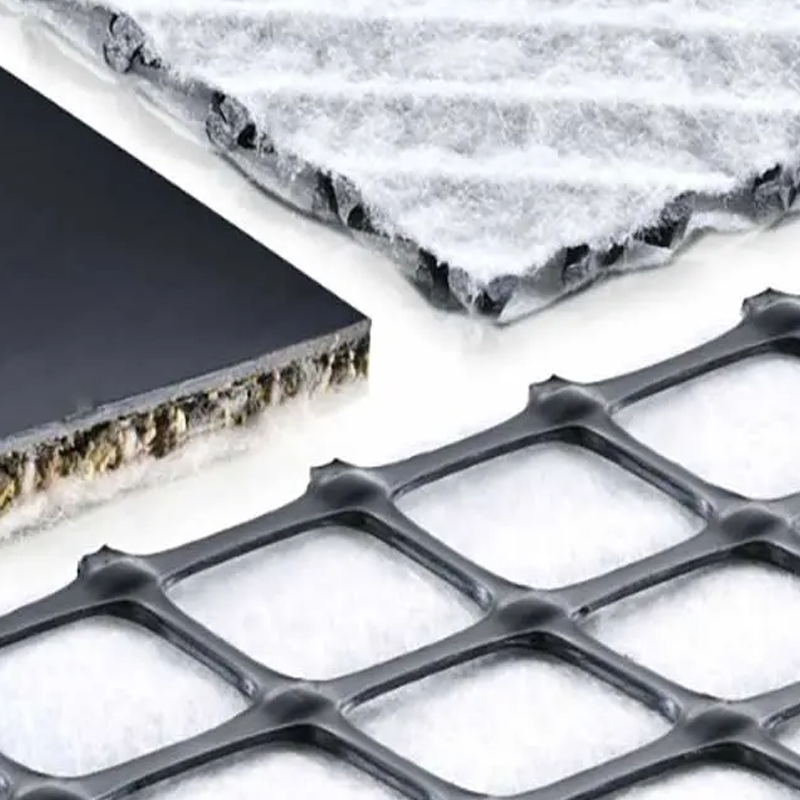
In most commercial applications, how thick is a geonet depends on its structure and intended use. Standard geonets are typically manufactured with a thickness ranging from 5 mm to 9 mm, which balances drainage efficiency and mechanical strength. For composite geonets combined with geotextiles, the total thickness may increase to 6–10 mm due to added filtration layers. In heavy-duty environments such as landfill leachate systems, thicker designs above 10 mm are often selected to maintain flow channels under pressure.
To better understand product selection, many buyers refer to how thick is a geonet specification guide for drainage projects, which compares thickness ranges across applications.
How thick is a geonet based on load and drainage requirements?
When evaluating how thick is a geonet, engineers must consider load conditions and hydraulic performance together. Under light loads, such as retaining wall drainage, thinner geonets around 5–6 mm are sufficient. However, as compressive stress increases in landfills or mining projects, thicker geonets up to 25 mm may be required to prevent deformation and maintain transmissivity.
Drainage demand also plays a critical role, as thicker geonets provide larger void spaces that allow higher flow rates. This is especially important in systems handling leachate or groundwater where clogging risks must be minimized. For procurement decisions, reviewing a how thick is a geonet selection chart for heavy load applications helps match thickness with real project conditions.
Why does how thick is a geonet matter for performance?
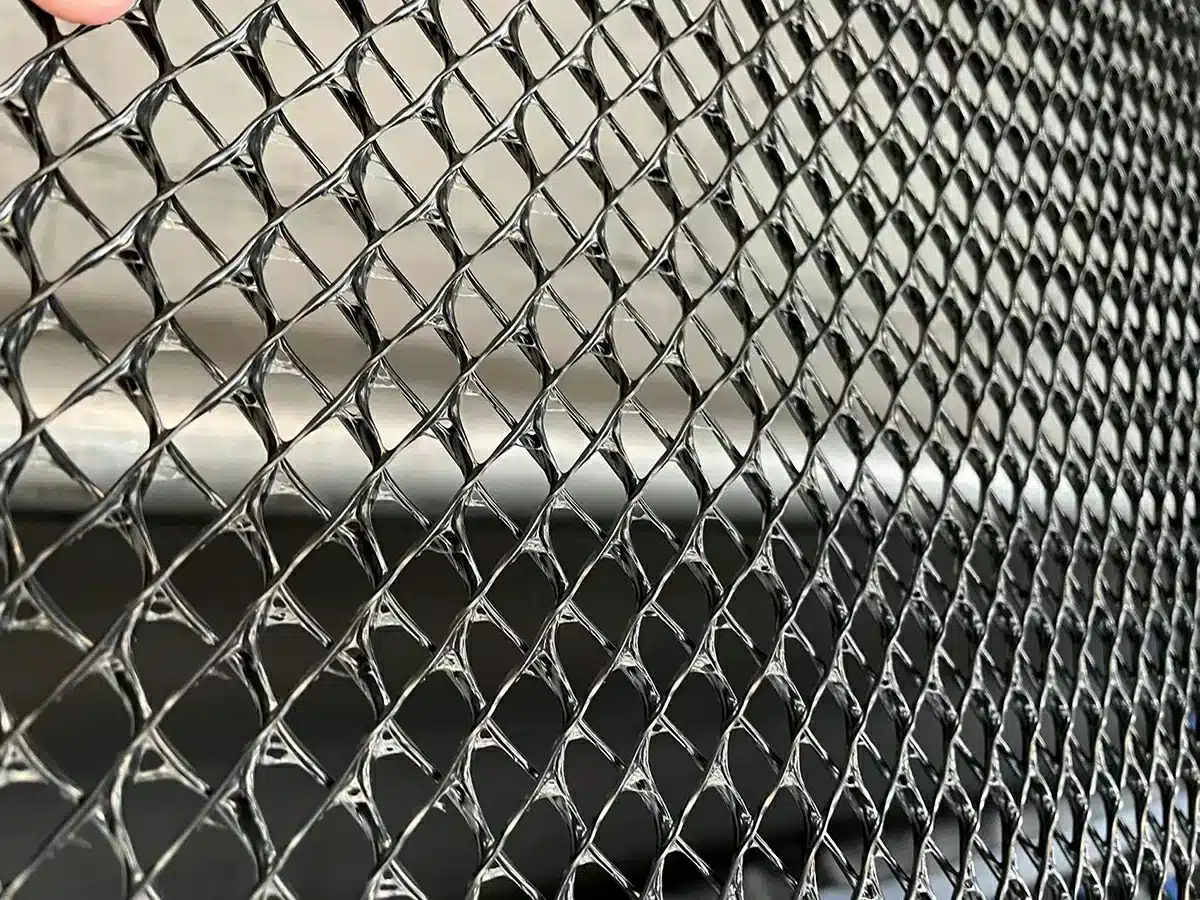
The question how thick is a geonet is directly linked to long-term system performance. A thicker geonet improves drainage efficiency by increasing transmissivity, allowing fluids to move quickly through the structure. At the same time, it enhances resistance to compression, ensuring that the drainage layer does not collapse over time.
This is particularly important in landfill systems, where consistent drainage prevents pressure buildup and protects liner integrity. In addition, thicker geonets can achieve higher flow capacity, making them a reliable alternative to traditional gravel drainage layers. Buyers often explore how thick is a geonet performance comparison in landfill systems to evaluate efficiency gains.
How thick is a geonet selected for different applications?
Selecting how thick is a geonet involves balancing engineering requirements with cost considerations. In road construction, moderate thickness between 6–8 mm is often sufficient for subsurface drainage. For landfill leachate collection systems, thicker geonets above 8 mm are preferred to ensure durability under high loads. In specialized applications such as tunnels or mining, even thicker configurations may be used to handle extreme conditions.
From a B2B perspective, manufacturers typically offer customized thickness options based on project specifications, ensuring compatibility with international standards. Bulk buyers benefit from original factory production, stable supply chains, and consistent quality control across large-volume orders.
Understanding how thick is a geonet is essential for selecting the right drainage solution in geosynthetics projects. Thickness determines flow capacity, structural stability, and long-term durability, making it a critical parameter in both design and procurement. By aligning thickness with application requirements, buyers can achieve optimal performance and cost efficiency.

Get Free Sample
We’ll respond as soon as possible(within 12 hours)