


+86-159 9860 6917
info@geofantex.com
geofantex@gmail.com
+86-400-8266163-44899
Geonets and Geogrids are two of the most widely used geosynthetic materials in civil engineering and environmental protection projects. Although they are often discussed together, they serve different purposes. Geonets are primarily designed for drainage and fluid transmission, while geogrids are used for soil reinforcement and load distribution. Understanding the differences between these materials helps engineers, contractors, and procurement teams select the right solution for long-term project performance and cost efficiency.
What Are Geonets Used for in Drainage Systems?
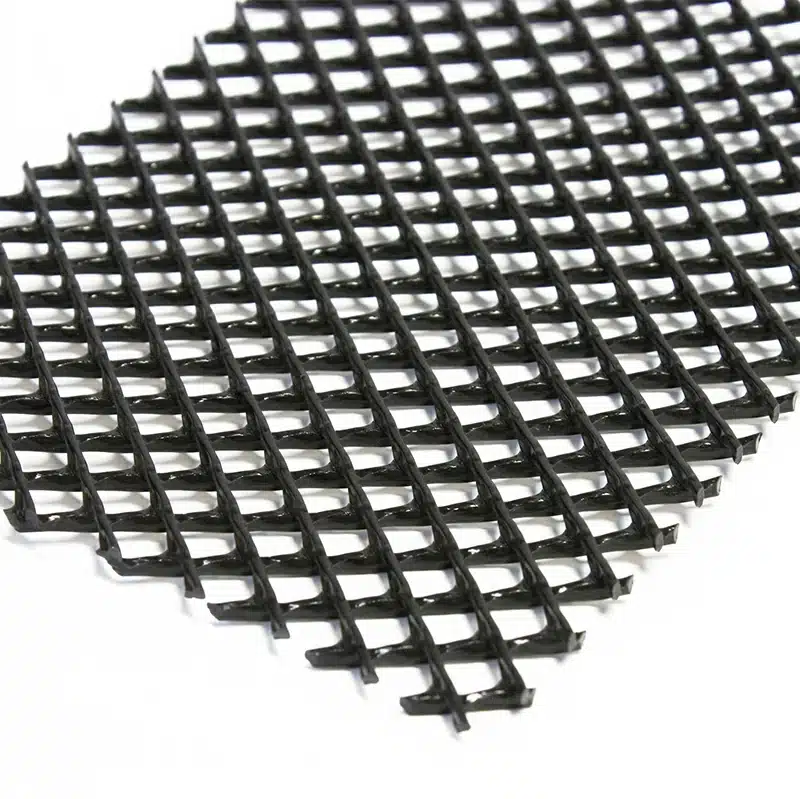
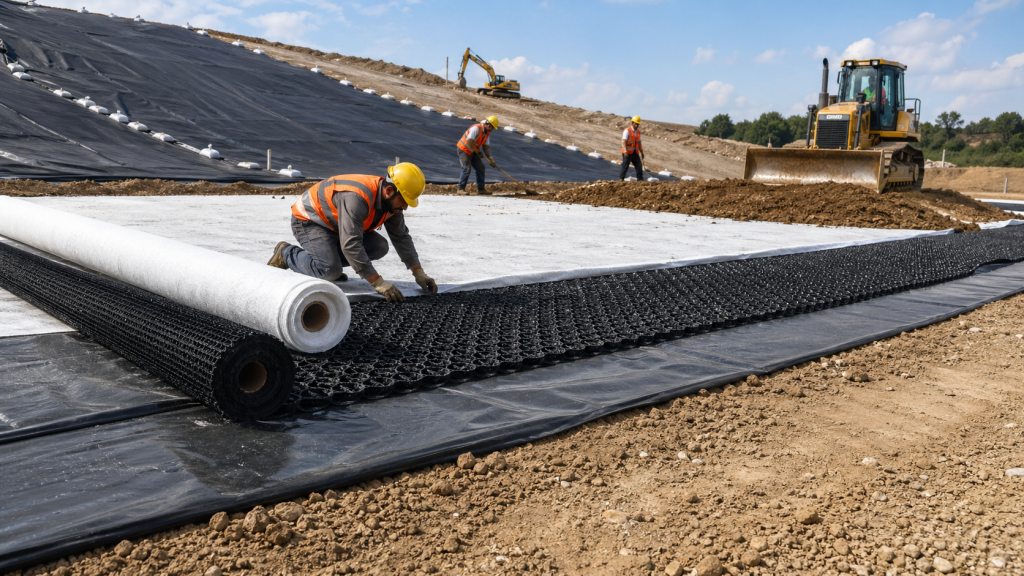
One of the primary functions of Geonets and Geogrids in infrastructure projects is improving overall system performance, but geonets specifically focus on drainage applications. Geonets feature a three-dimensional net-like structure that creates continuous flow channels for water, gas, and leachate movement.
These drainage materials are commonly installed behind retaining walls, beneath landfill caps, and within waste containment systems. By efficiently directing water away from structures, geonets help reduce hydrostatic pressure and prevent moisture-related damage. Their lightweight design and high flow capacity make them an effective alternative to traditional gravel drainage layers.
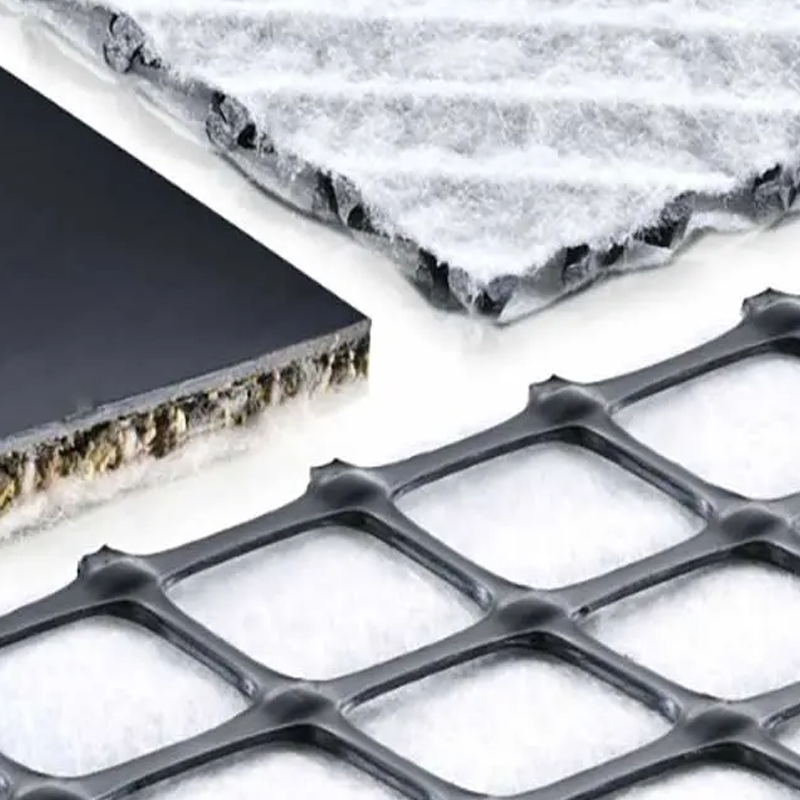
In modern environmental engineering, geonet drainage systems are frequently combined with geomembranes and geotextiles to create integrated containment and filtration solutions. This combination enhances drainage performance while reducing construction costs and material requirements.
What Are Geogrids Used for in Soil Reinforcement?
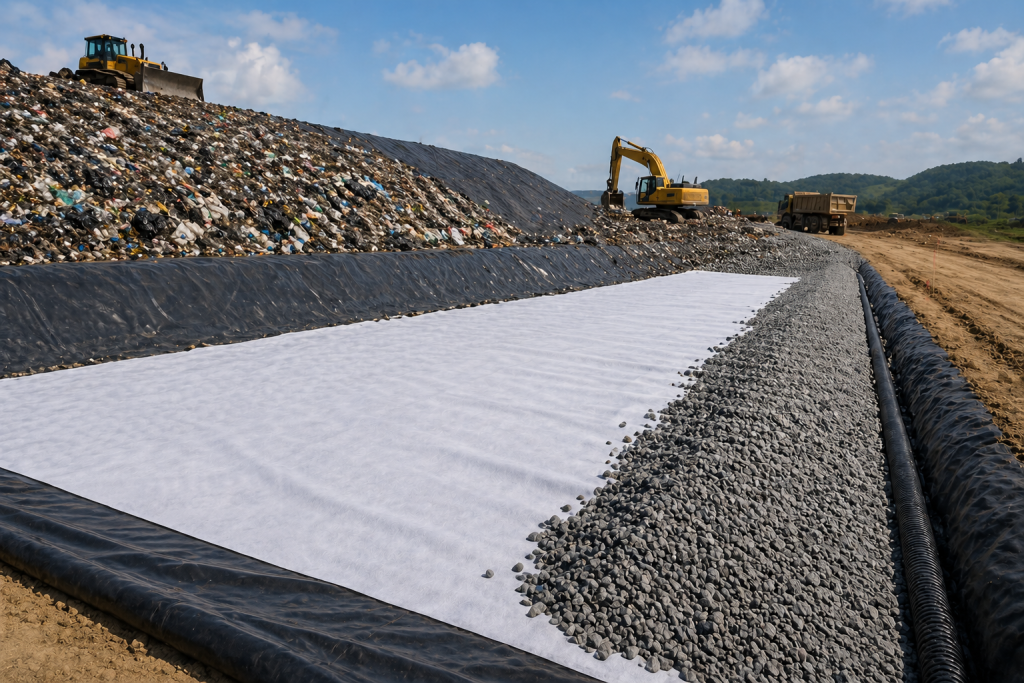
While geonets manage water flow, geogrids focus on strengthening soil structures. Geonets and Geogrids play complementary roles in infrastructure projects, with geogrids providing reinforcement for weak soils and unstable foundations.
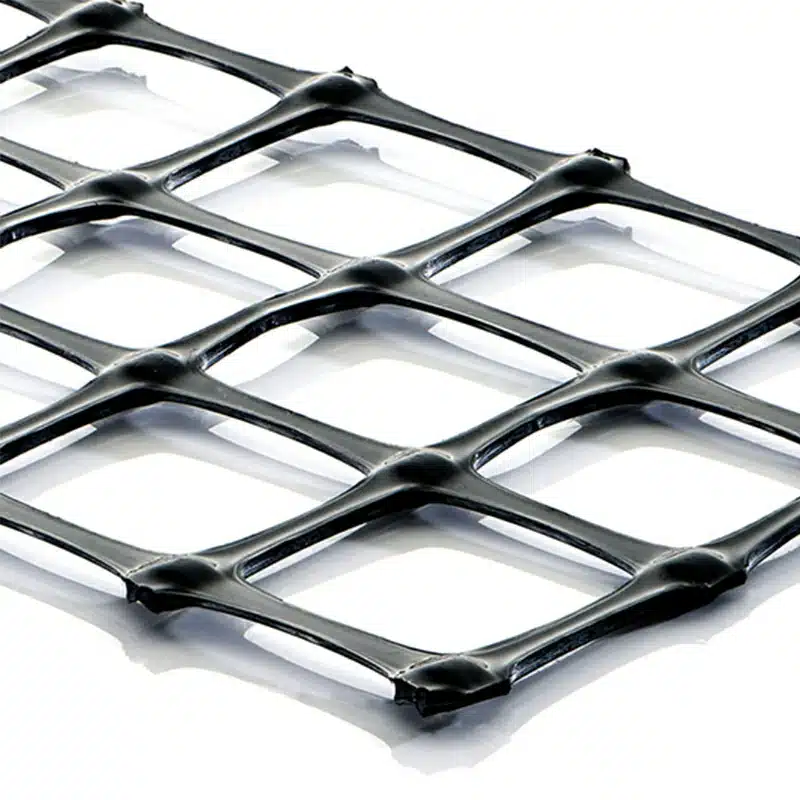
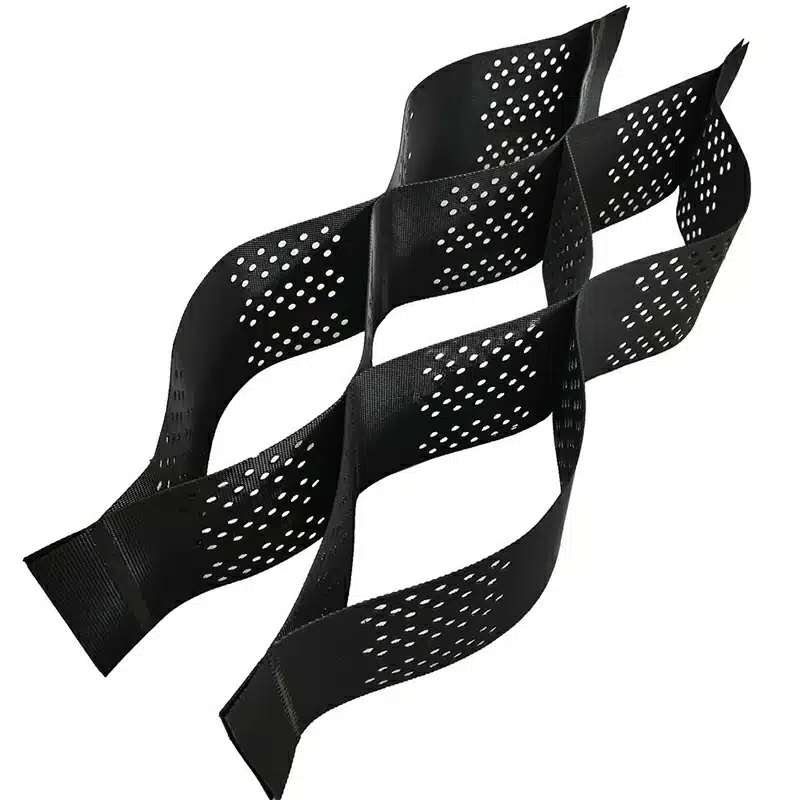
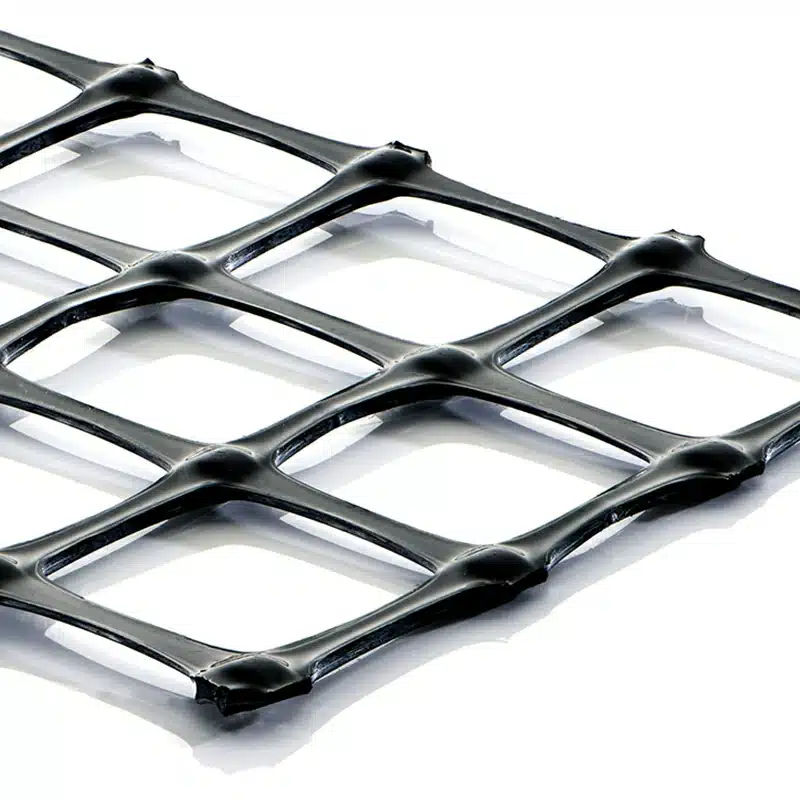
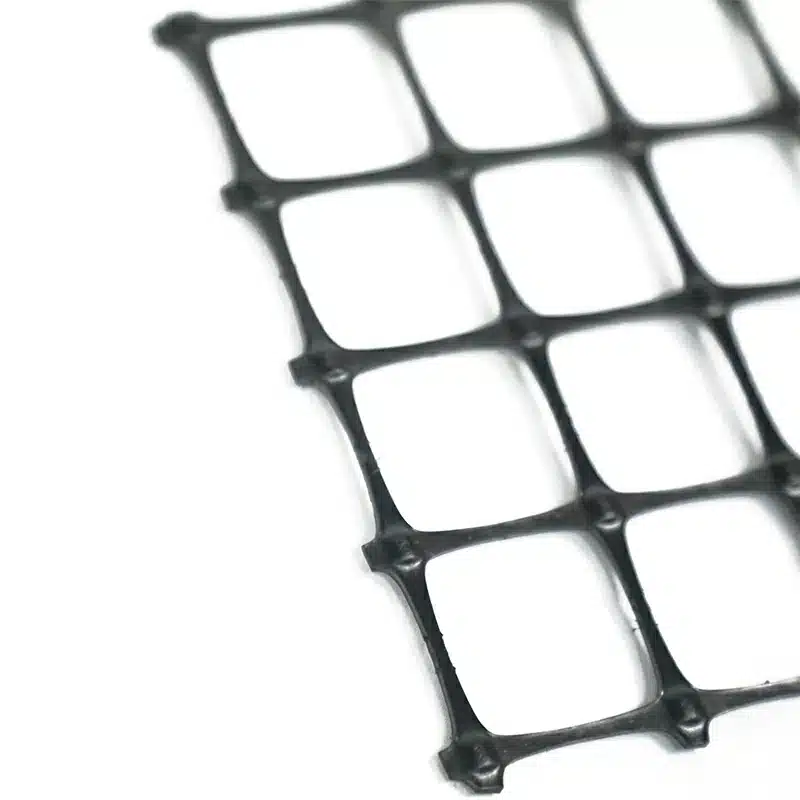
Geogrids are manufactured with an open grid structure that allows aggregate particles to interlock within the apertures. This interlocking mechanism improves load transfer and distributes stresses more effectively across the subgrade. As a result, roads, railways, retaining walls, and embankments gain greater stability and durability.
In road construction, geogrids help reduce rutting and settlement while extending pavement service life. They also decrease the amount of aggregate required, which can lower project costs. For slope stabilization and retaining wall applications, geogrids provide tensile reinforcement that helps resist soil movement and structural deformation.
Because of their strength and versatility, geogrid reinforcement systems have become a standard solution in many transportation and infrastructure projects worldwide.
What Is the Difference Between Geonet and Geogrid?
Although Geonets and Geogrids are both geosynthetic materials, their design and engineering functions are significantly different.
The most important distinction is purpose. Geonets are designed to facilitate fluid movement, making them ideal for drainage and filtration systems. Geogrids, on the other hand, are engineered to reinforce soil and improve structural stability. Their performance characteristics reflect these different objectives.
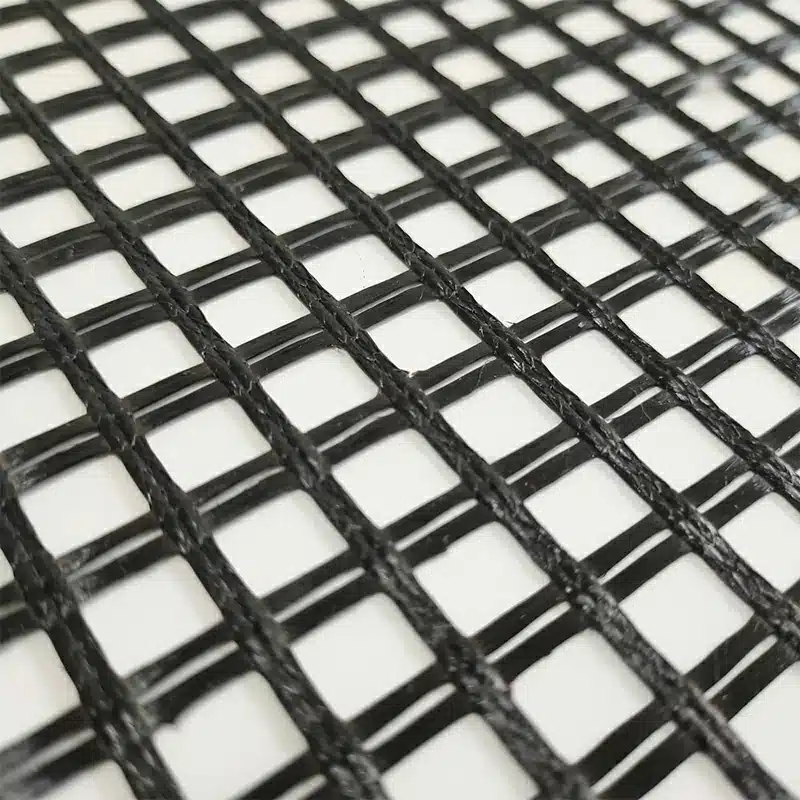
Structurally, geonets feature interconnected ribs that create a drainage core for water flow. Geogrids have a two-dimensional grid pattern with apertures specifically designed to interlock with soil and aggregate particles. This difference in geometry directly influences how each material performs in the field.
Material selection may also vary depending on project requirements. Geonets are commonly manufactured from polyethylene polymers, while geogrids may be produced from polyester, polypropylene, fiberglass, or other high-strength materials. Choosing the correct product depends on factors such as drainage requirements, soil conditions, load demands, and environmental exposure.
How Do Geonets and Geogrids Affect Construction and Environmental Projects?
The contribution of Geonets and Geogrids extends beyond individual engineering functions. Together, they help improve the safety, durability, and sustainability of infrastructure and environmental protection projects.
In construction applications, geonets support efficient drainage systems that reduce water pressure around foundations, retaining walls, and underground structures. Effective drainage helps prevent erosion, structural deterioration, and costly maintenance. At the same time, geogrids improve load-bearing capacity and reduce settlement, enhancing the long-term performance of roads, embankments, and reinforced soil structures.
Environmental projects also benefit significantly from these geosynthetics. Geonets facilitate leachate collection and groundwater control in landfill systems, while geogrids stabilize slopes, dams, and reclamation sites. Their combined use often creates more resilient infrastructure capable of withstanding challenging environmental conditions.
As engineering standards continue to evolve, geosynthetic solutions are increasingly preferred because they offer high performance, faster installation, and lower lifecycle costs compared to conventional construction materials.
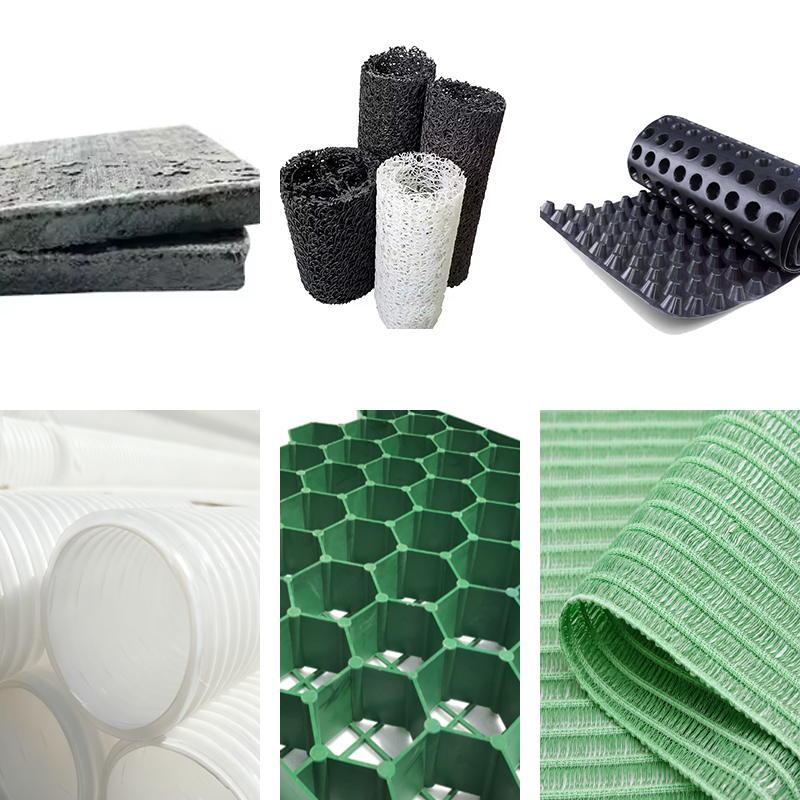
Geonets and Geogrids are essential components of modern geotechnical and environmental engineering projects. Geonets provide reliable drainage and fluid transmission, while geogrids deliver effective soil reinforcement and stabilization. By understanding their unique characteristics and applications, project owners, engineers, and contractors can select the most appropriate solution for specific site conditions. Whether the goal is improving drainage efficiency, increasing structural stability, or enhancing environmental protection, these geosynthetic materials continue to play a critical role in building durable and sustainable infrastructure.
Get Free Sample
We’ll respond as soon as possible(within 12 hours)