

+86-159 9860 6917
info@geofantex.com
geofantex@gmail.com
+86-400-8266163-44899
Geosynthetic Clay Liner (GCL) is a widely used geosynthetics material designed for effective hydraulic containment in modern engineering projects.It provides strong sealing performance and long-term stability, making it a preferred option for landfill systems, water containment structures, and environmental protection projects. For contractors and project owners, proper material selection directly affects durability, leakage control, and lifecycle cost efficiency. Therefore, it plays a key role in geotechnical design and procurement planning.
What is Geosynthetic Clay Liner (GCL)?
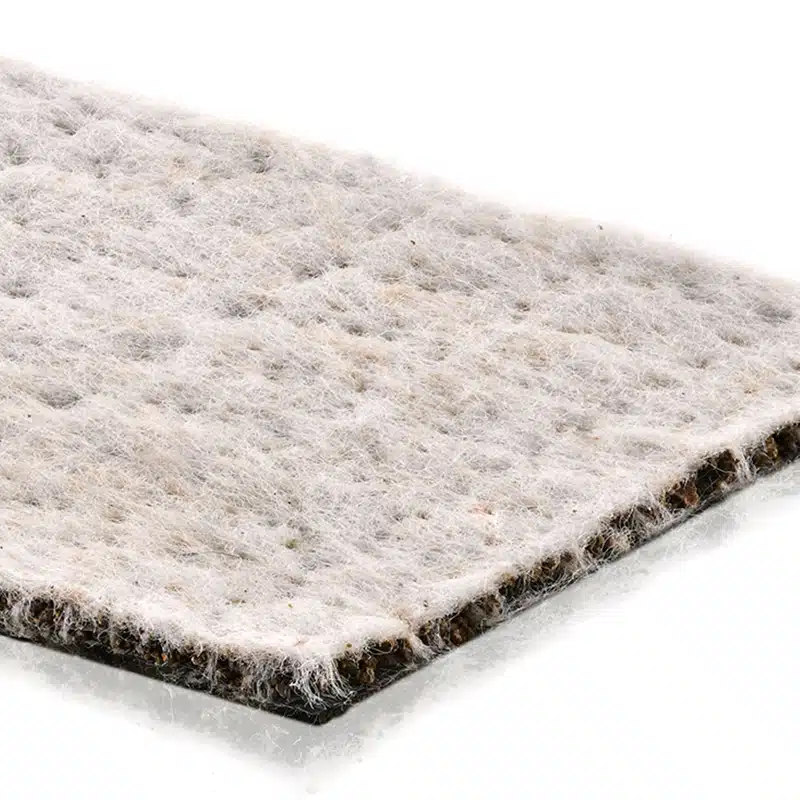
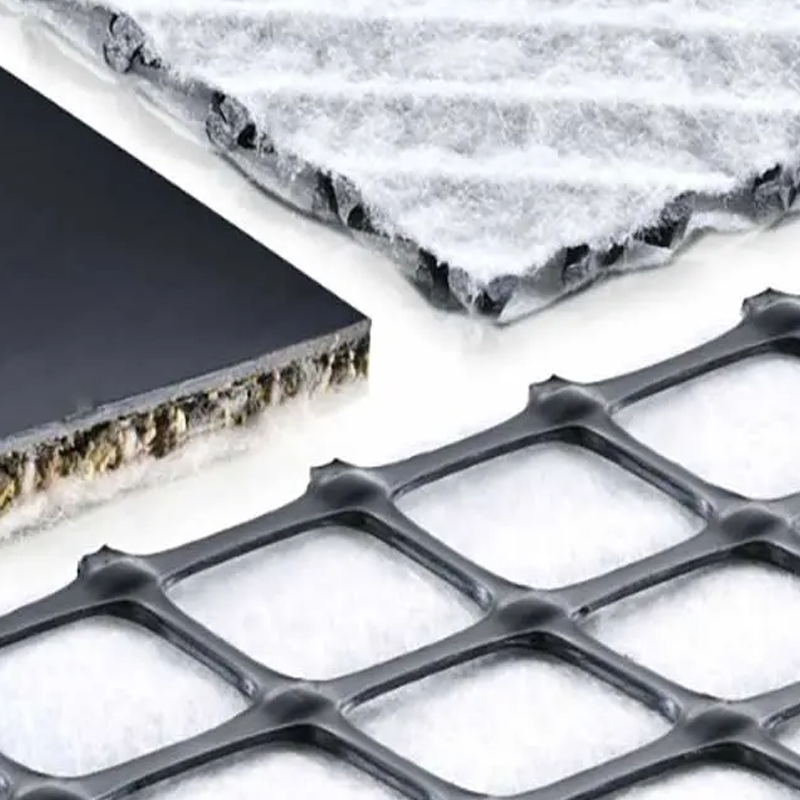
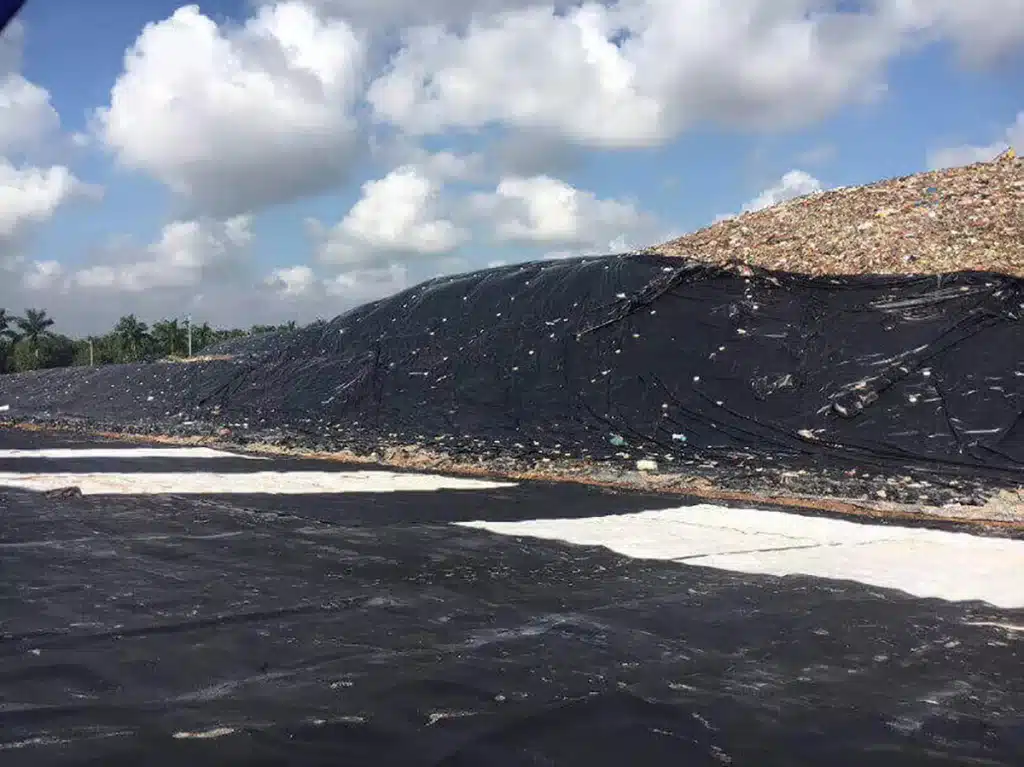
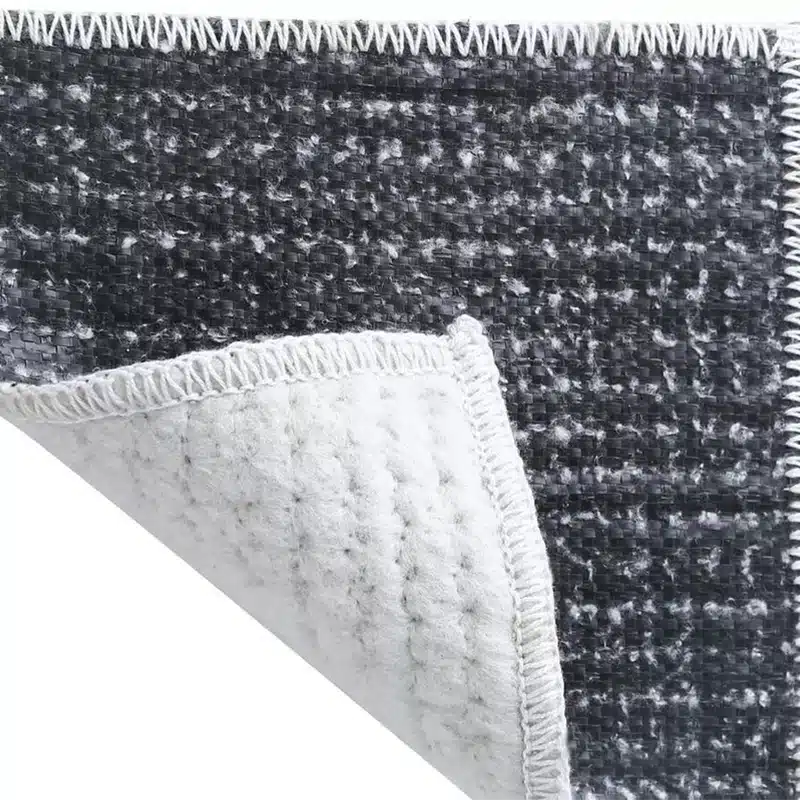
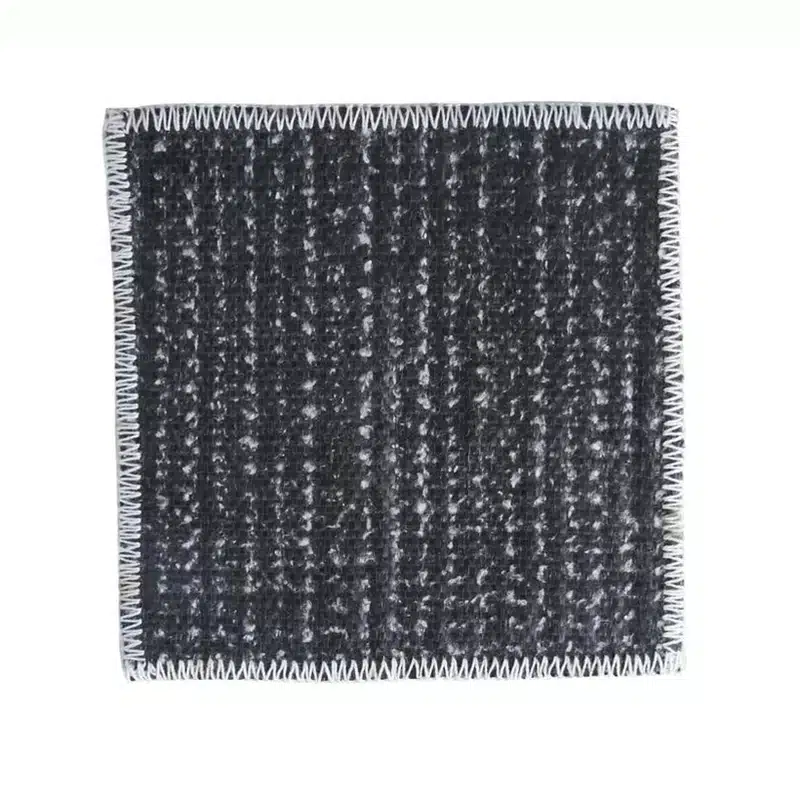
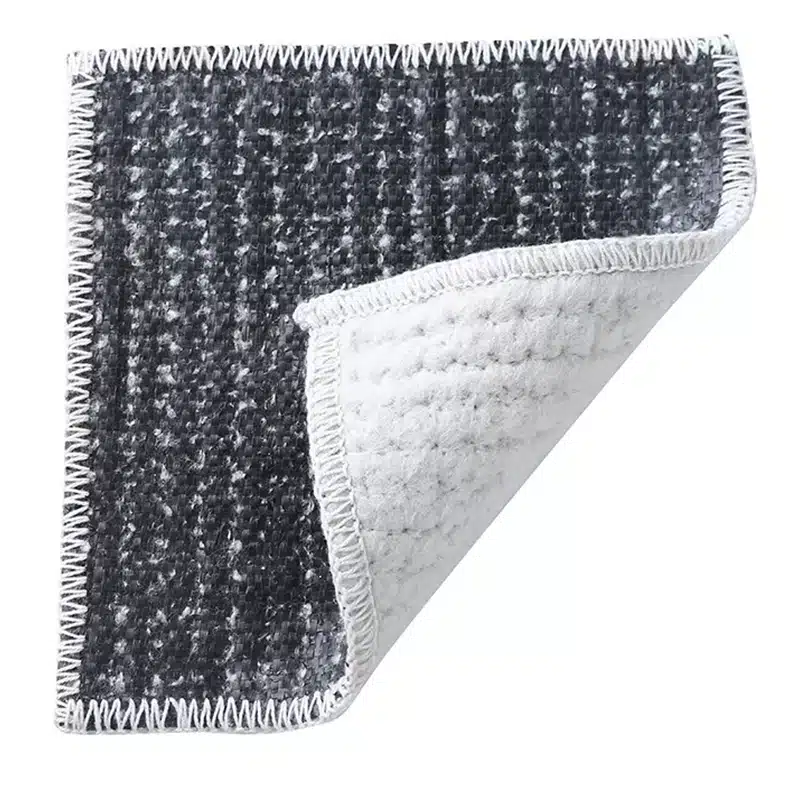
GCL is a composite geosynthetic barrier made by bonding sodium bentonite between geotextile layers or attaching it to a geomembrane. When hydrated, bentonite swells and forms a dense, low-permeability seal that effectively prevents liquid migration.
Compared with traditional clay liners, this solution provides factory-controlled uniformity and stable performance. In addition, it reduces variability during field installation. It is widely used in engineered containment systems where consistent hydraulic performance is required.
This structure makes it suitable for modern environmental engineering projects that demand predictable sealing behavior.
Why is Geosynthetic Clay Liner (GCL) important in containment engineering?
Its main value lies in its ability to form a self-sealing hydraulic barrier. When minor damage occurs, bentonite expansion helps close small gaps. Consequently, it reduces long-term leakage risk.
This characteristic makes it especially effective in landfill bases, mining containment areas, and wastewater management systems. In these environments, long-term stability and environmental protection are essential requirements.
Engineers increasingly choose advanced Geosynthetic Clay Liner (GCL) systems for landfill containment due to reliability. In many projects, engineers integrate this material into layered systems. This improves redundancy and enhances overall containment performance.
Where is Geosynthetic Clay Liner commonly used?
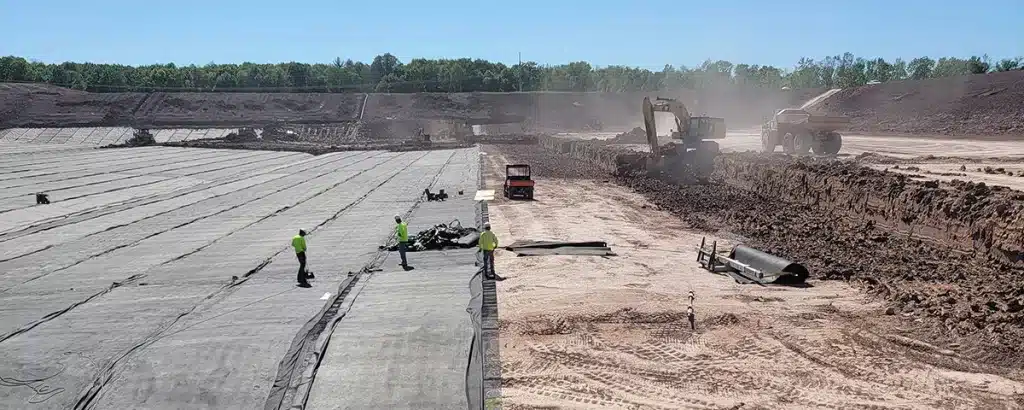
Typical applications include landfill liners, industrial waste containment, reservoir lining, and mining projects. These applications require strong impermeability and long service life.
In landfill engineering, it acts as a critical barrier to prevent leachate from contaminating soil and groundwater. In water containment systems, it helps reduce seepage loss and improves structural efficiency.
The performance of modern Geosynthetic Clay Liner (GCL solutions in hydraulic barrier design improves long-term safety. Many contractors combine it with other geosynthetics materials to enhance system performance and meet regulatory standards.
What are the advantages of GCL?
GCL offers several advantages over traditional clay or soil-based liners. It reduces construction time, minimizes material handling, and ensures consistent hydraulic performance.
Its low permeability and strong chemical resistance make it suitable for aggressive environmental conditions. Additionally, installation is faster and requires less specialized equipment, which reduces labor costs.
Procurement teams often evaluate cost-effective Geosynthetic Clay Liner (GCL) applications in geotechnical projects for budgeting efficiency. From a lifecycle perspective, Geosynthetic Clay Liner improves project efficiency while maintaining long-term durability and environmental safety.
Get Free Sample
We’ll respond as soon as possible(within 12 hours)