

+86-159 9860 6917
info@geofantex.com
geofantex@gmail.com
+86-400-8266163-44899
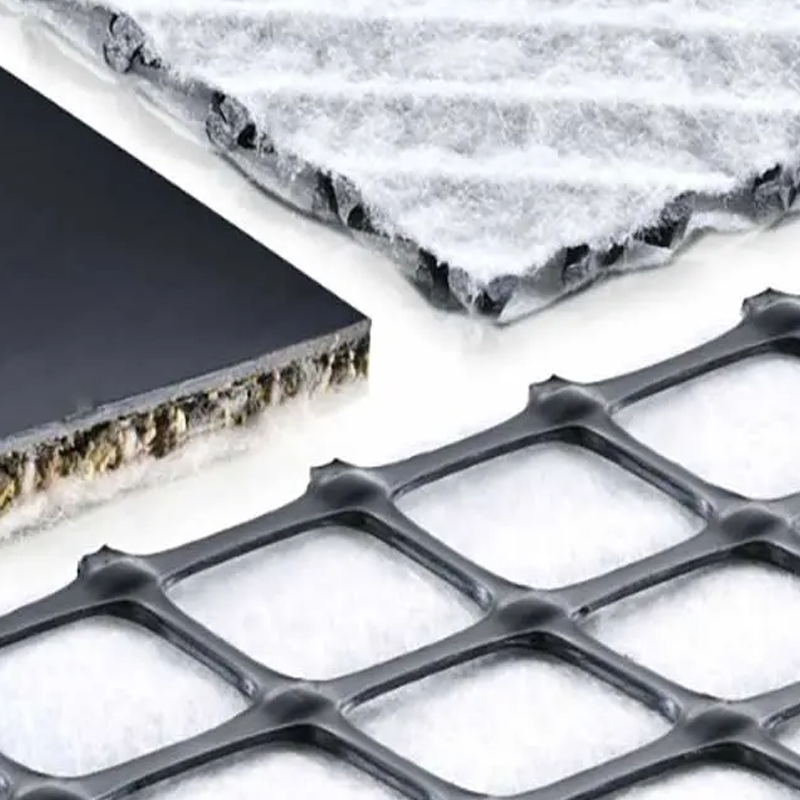
Geosynthetic clay liner systems are widely selected by contractors, engineers, and project owners seeking reliable containment solutions for landfills, mining facilities, reservoirs, and industrial sites. By combining bentonite clay with geotextiles, these engineered barriers provide excellent hydraulic performance, simplified installation, and long-term environmental protection, making them a preferred choice for modern infrastructure projects.
Why Is Geosynthetic Clay Liner Preferred for Modern Containment Systems?
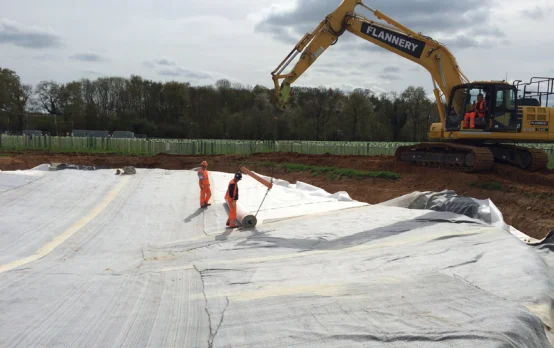
Modern containment solutions help prevent liquid migration while reducing the need for large volumes of natural clay. Compared with traditional methods, they require less material transportation and take up less space on construction sites. They also allow for faster installation, helping projects stay on schedule.
Engineers often choose these systems because they provide consistent factory-controlled quality. The bentonite core swells when hydrated, creating an extremely low-permeability layer that helps protect groundwater resources and surrounding ecosystems.
For project developers evaluating containment solutions, understanding the benefits of advanced geosynthetic clay liner systems for landfill protection is essential when comparing lifecycle costs and environmental performance.
Real Case: Municipal Landfill Expansion in the United States
A municipal landfill expansion project in Arizona faced challenges related to sourcing suitable clay materials. Transporting natural clay from distant borrow pits would have significantly increased project costs and construction time.
To address this challenge, the engineering team selected a composite lining system beneath a geomembrane layer. This approach accelerated installation and reduced transportation expenses. It also helped the project meet strict environmental regulations. Today, the containment system continues to protect local groundwater resources effectively.
How Does Geosynthetic Clay Liner Improve Mining Containment Performance?
Mining operations often face harsh environmental conditions. Containment structures must withstand chemical exposure, heavy loads, and extreme weather. Reliable barrier technologies help operators manage these challenges while maintaining environmental compliance.
In heap leach mining operations, liner systems must prevent process solutions from infiltrating underlying soil and groundwater. Modern geosynthetic barriers help operators meet environmental regulations while maintaining operational efficiency.
Real Case: Gold Mining Project in Chile
A large gold mining operation in northern Chile required a containment system capable of performing under extreme temperature fluctuations and remote site conditions. Local clay resources were limited, making conventional compacted clay liners impractical.
The engineering team implemented a composite barrier design combined with a high-density polyethylene geomembrane. This solution reduced earthwork requirements and shortened the construction schedule. More importantly, it delivered dependable containment performance throughout the life of the facility.
Many mining companies today evaluate geosynthetic clay liner solutions for mining environmental protection because they help balance regulatory compliance with project efficiency.
What Role Do Barrier Systems Play in Water Conservation Projects?
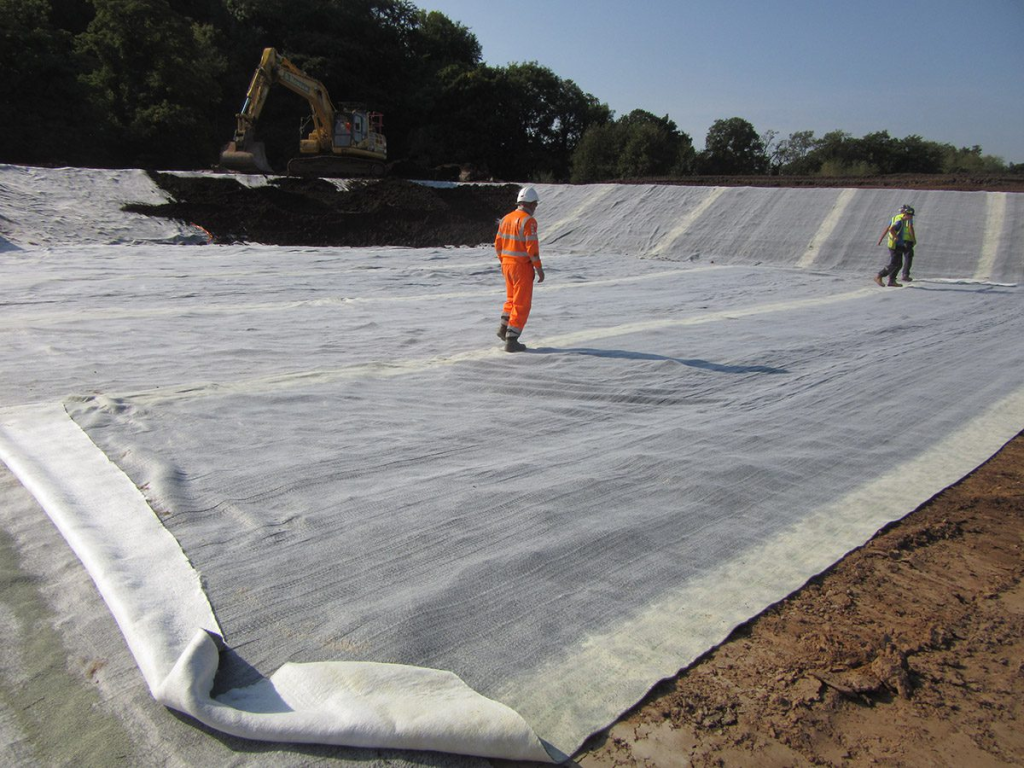
Water infrastructure often faces seepage challenges. Excessive seepage can reduce storage capacity and increase maintenance costs. Effective lining solutions help reservoirs, canals, irrigation ponds, and retention facilities conserve water more efficiently.
Compared with traditional lining methods, geosynthetic systems can be installed more rapidly and often require less maintenance over their service life. This makes them particularly attractive for regions facing water scarcity or increasing demand for water conservation.
Real Case: Reservoir Rehabilitation in China
A reservoir rehabilitation project in Shandong Province experienced substantial water losses due to seepage through permeable foundation soils. Engineers implemented a lining system utilizing geosynthetic barriers to improve water retention.
Following installation, seepage rates were significantly reduced, resulting in increased storage capacity and improved operational efficiency. The project demonstrated how water reservoir geosynthetic clay liner applications can contribute to sustainable water resource management while reducing long-term maintenance costs.
What Is Driving Future Demand for Environmental Containment Solutions?
Global demand for geosynthetics continues to grow due to stricter environmental regulations, infrastructure investment, and sustainability objectives. Governments and private developers increasingly require containment systems that provide long-term performance while minimizing environmental impact.
Industries such as waste management, mining, energy, and water infrastructure are expected to remain major users of geosynthetic barriers. As projects become larger and environmental requirements become more demanding, advanced containment technologies will continue to play a critical role in modern engineering design.
From municipal landfills in the United States to mining operations in Chile and water conservation projects in China, geosynthetic clay liner technology has proven its value in a wide range of environmental containment applications. Its combination of low permeability, installation efficiency, and long-term reliability makes it a practical solution for modern infrastructure projects. As sustainability and environmental protection become increasingly important, engineered containment technologies will continue to support safer and more cost-effective project development worldwide.
Get Free Sample
We’ll respond as soon as possible(within 12 hours)