

+86-159 9860 6917
info@geofantex.com
geofantex@gmail.com
+86-400-8266163-44899
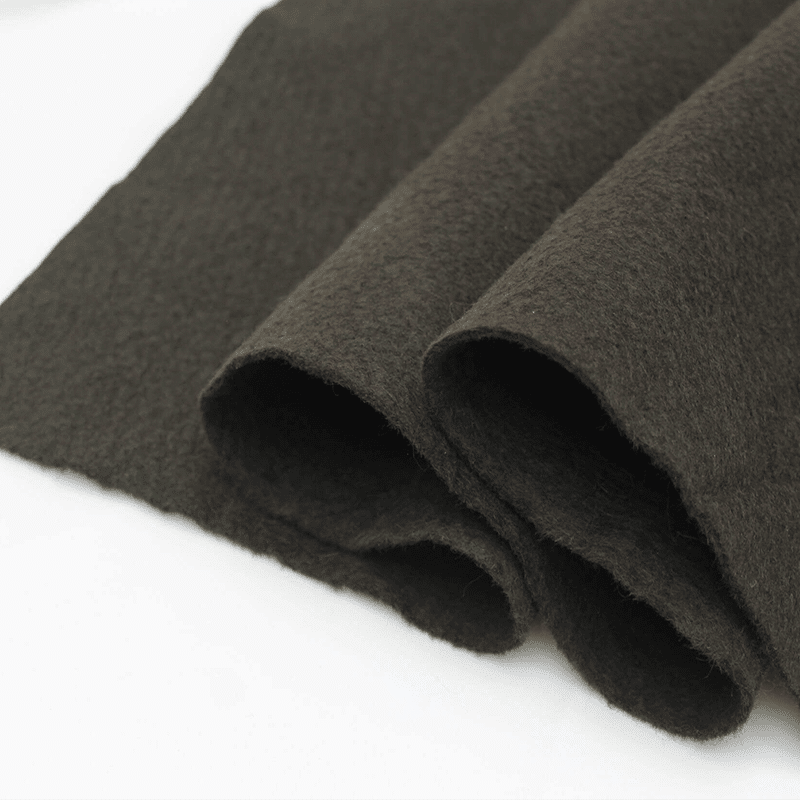
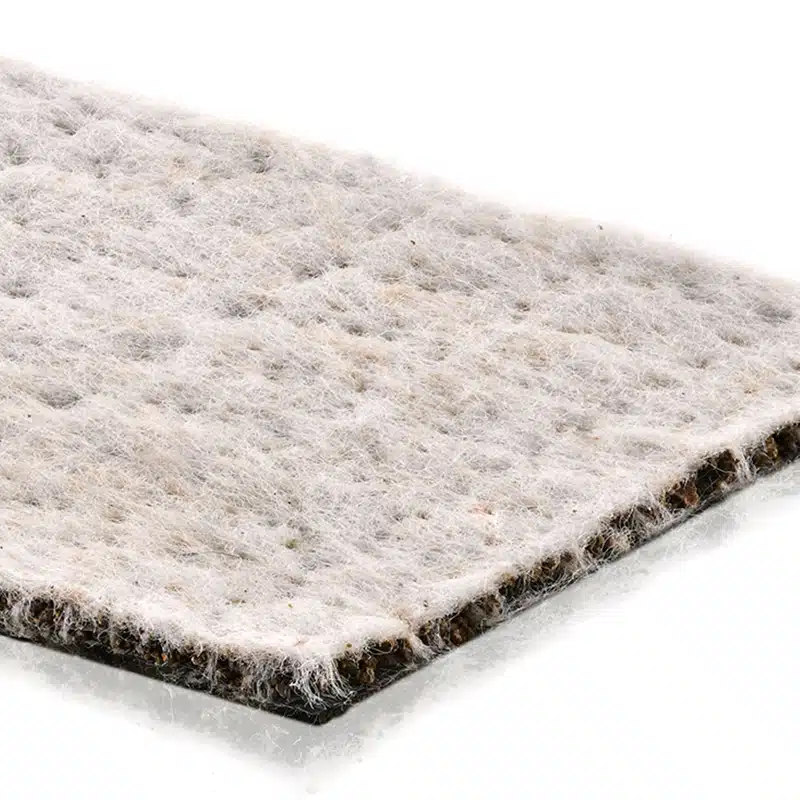
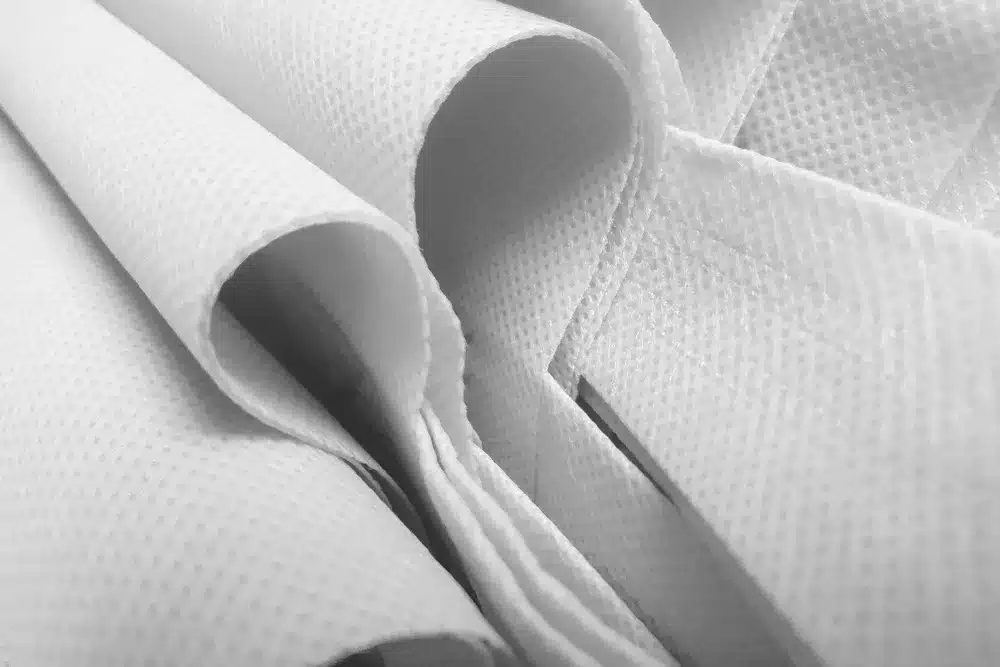
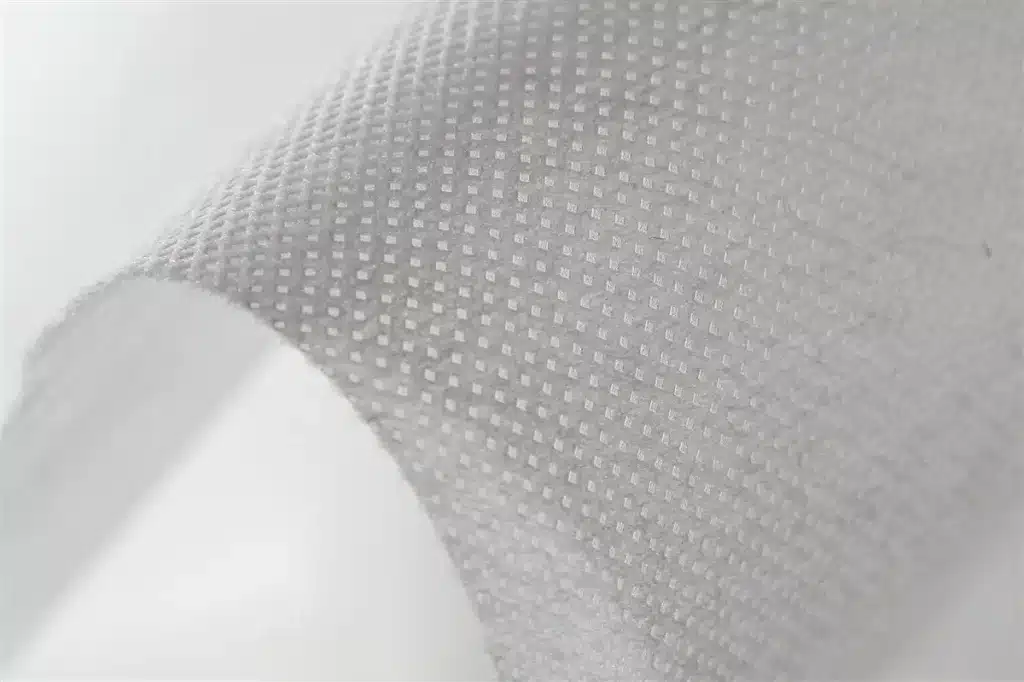
Non woven geotextiles are widely specified by engineers, contractors, and project owners seeking reliable solutions for filtration, separation, drainage, and protection. As infrastructure investment continues to grow worldwide, these geosynthetic materials help improve project durability, reduce maintenance costs, and enhance long-term performance in challenging environments such as road construction and coastal protection.
Why Non Woven Geotextiles Are Essential for Modern Construction
Construction projects often face challenges such as weak soils, water infiltration, erosion, and heavy traffic loads. To address these issues, engineers select materials that improve ground performance and help maintain structural integrity over time.
This unique combination of strength and permeability makes them suitable for a wide range of civil engineering applications, including highways, railways, embankments, drainage systems, landfills, and shoreline protection projects.
For contractors looking for dependable ground stabilization solutions, advanced non woven geotextiles for infrastructure projects provide effective performance while helping reduce overall construction costs.
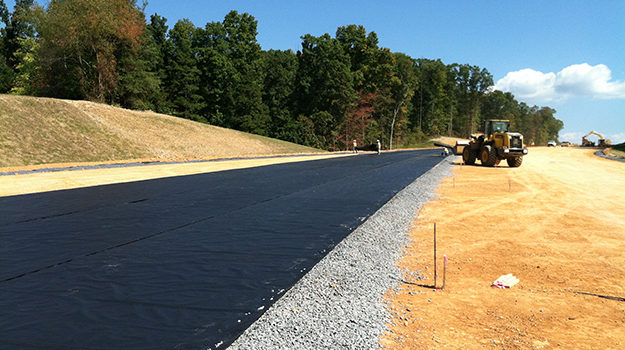
Non Woven Geotextiles in Road Construction
Road infrastructure remains one of the most important sectors in civil engineering. Poor subgrade conditions can lead to settlement, rutting, and premature pavement damage. Therefore, engineers use specialized construction materials to improve the interaction between soil and aggregate layers.
Key benefits include:
- Improved load distribution
- Enhanced drainage performance
- Reduced aggregate contamination
- Lower maintenance requirements
- Longer pavement lifespan
Because of these benefits, transportation authorities around the world increasingly include such materials in road construction specifications.
Contractors often choose high-performance non woven geotextiles for road stabilization to ensure consistent project outcomes and compliance with engineering specifications.
Supporting Coastal Protection Projects
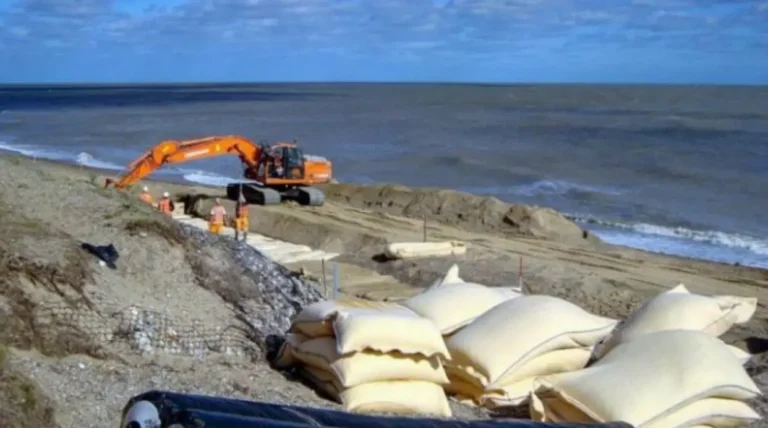
Coastal regions face constant pressure from waves, storms, erosion, and changing environmental conditions. Effective shoreline protection systems are essential for preserving infrastructure and reducing long-term risks.
The material helps prevent soil loss while allowing water to pass freely, reducing hydrostatic pressure and maintaining structural stability. These characteristics make geotextiles valuable components in both temporary and permanent coastal infrastructure projects.
Additional advantages include:
- Excellent filtration efficiency
- Resistance to biological and chemical degradation
- Long-term durability in harsh environments
- Adaptability to complex site conditions
- Support for sustainable coastal engineering designs
For marine engineering projects, engineered non woven geotextiles for coastal protection systems help improve resilience and protect valuable infrastructure investments.
Choosing the Right Geotextiles Supplier
Selecting a qualified manufacturer is critical to project success. A reliable supplier should offer:
- Consistent product quality
- International certifications
- Custom specifications and roll sizes
- Technical support and engineering guidance
- Efficient global logistics capabilities
When sourcing geosynthetics for infrastructure projects, buyers should evaluate product performance data, manufacturing standards, and supplier experience to ensure long-term project reliability.
As global demand for durable and sustainable infrastructure continues to increase, non woven geotextiles remain a trusted solution for road construction, drainage improvement, erosion control, and coastal protection. Their ability to combine filtration, separation, and protection functions in a single material helps engineers optimize performance while reducing lifecycle costs. By partnering with an experienced geosynthetics manufacturer, project owners can achieve reliable results and long-term value across a wide range of civil engineering applications.

Get Free Sample
We’ll respond as soon as possible(within 12 hours)