


+86-159 9860 6917
info@geofantex.com
geofantex@gmail.com
+86-400-8266163-44899
Geosynthetics are divided into several key material categories used in civil engineering, infrastructure construction, and environmental protection projects. These synthetic materials improve soil stability, control drainage, reinforce structures, and provide containment systems. For engineers and procurement teams, understanding Geosynthetics are divided into different functional materials used in geotechnical engineering helps identify the correct product for applications such as road bases, landfill lining, and slope protection. When the classification is clear, project planners can select materials more efficiently and ensure the selected solution meets both engineering requirements and long-term durability standards.
Why Geosynthetics Are Divided Into Different Types
In modern geotechnical engineering, Geosynthetics are divided into different types because construction projects require materials that perform specific technical functions. Soil conditions, drainage needs, structural loads, and environmental protection requirements all influence which material should be used. Some projects focus on reinforcing weak soil layers, while others require filtration or containment systems to prevent water or contaminants from spreading.
This functional classification helps engineers quickly determine which material is appropriate for a project. Similar to how industrial systems use different pump models or pump series to manage specific fluid conditions, geosynthetic materials are categorized based on their engineering roles. Understanding Geosynthetics are divided into categories used in infrastructure and environmental projects allows project teams to design safer and more reliable construction systems.
What Types Geosynthetics Are Divided Into
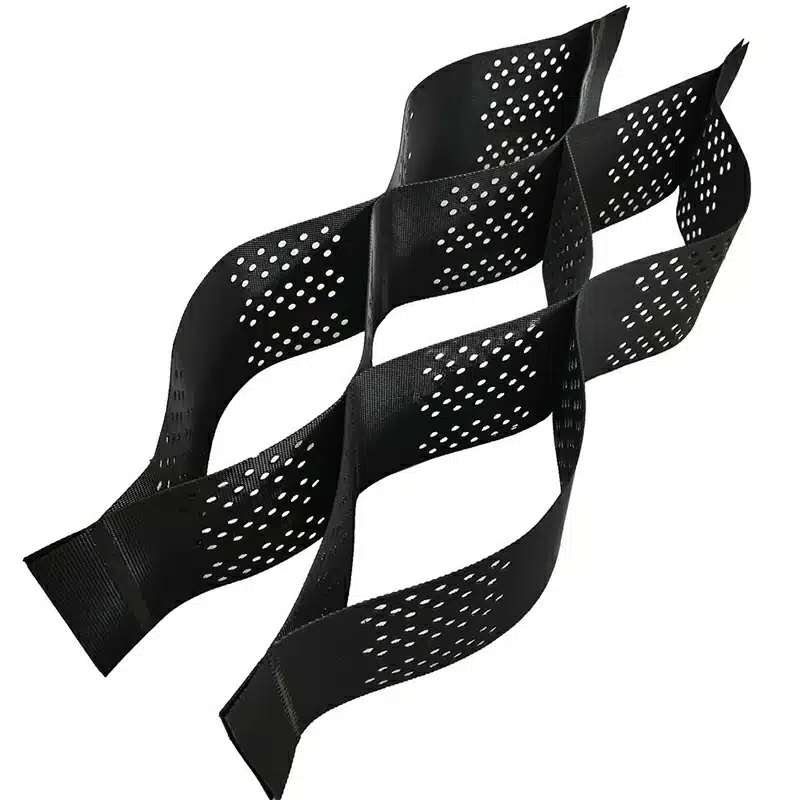
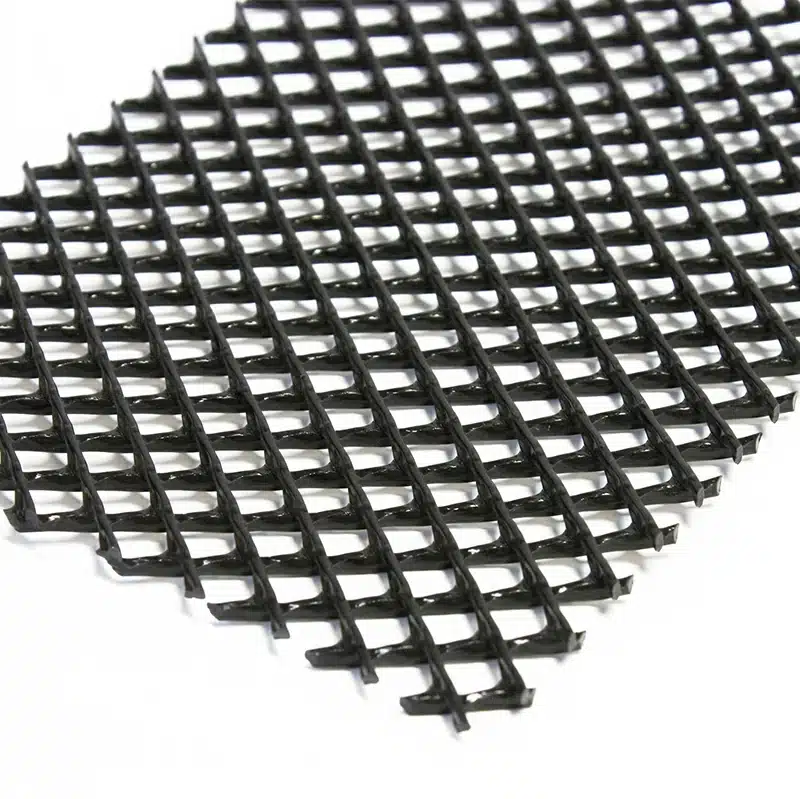
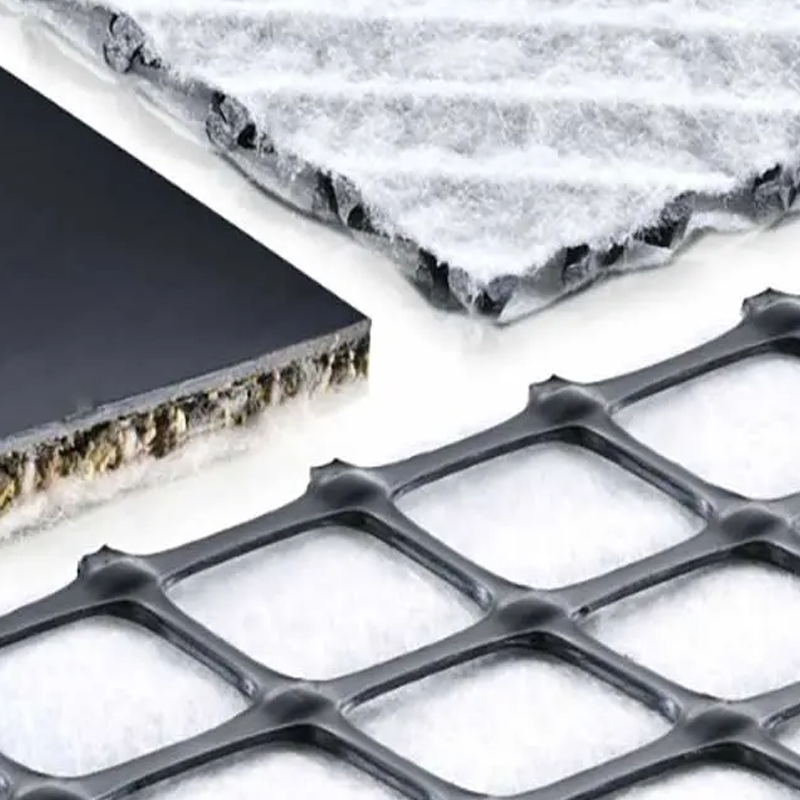
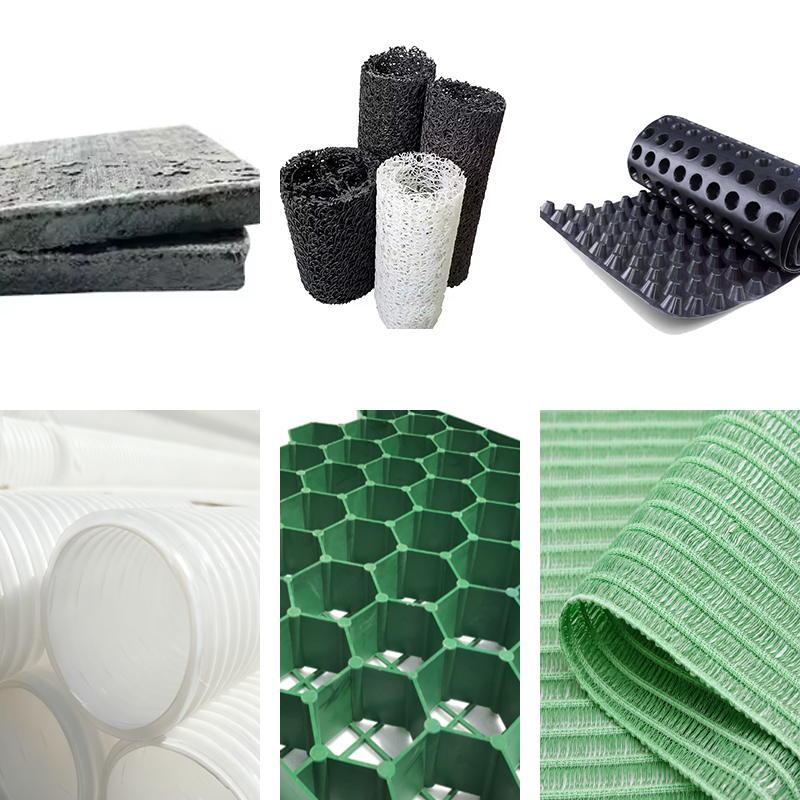
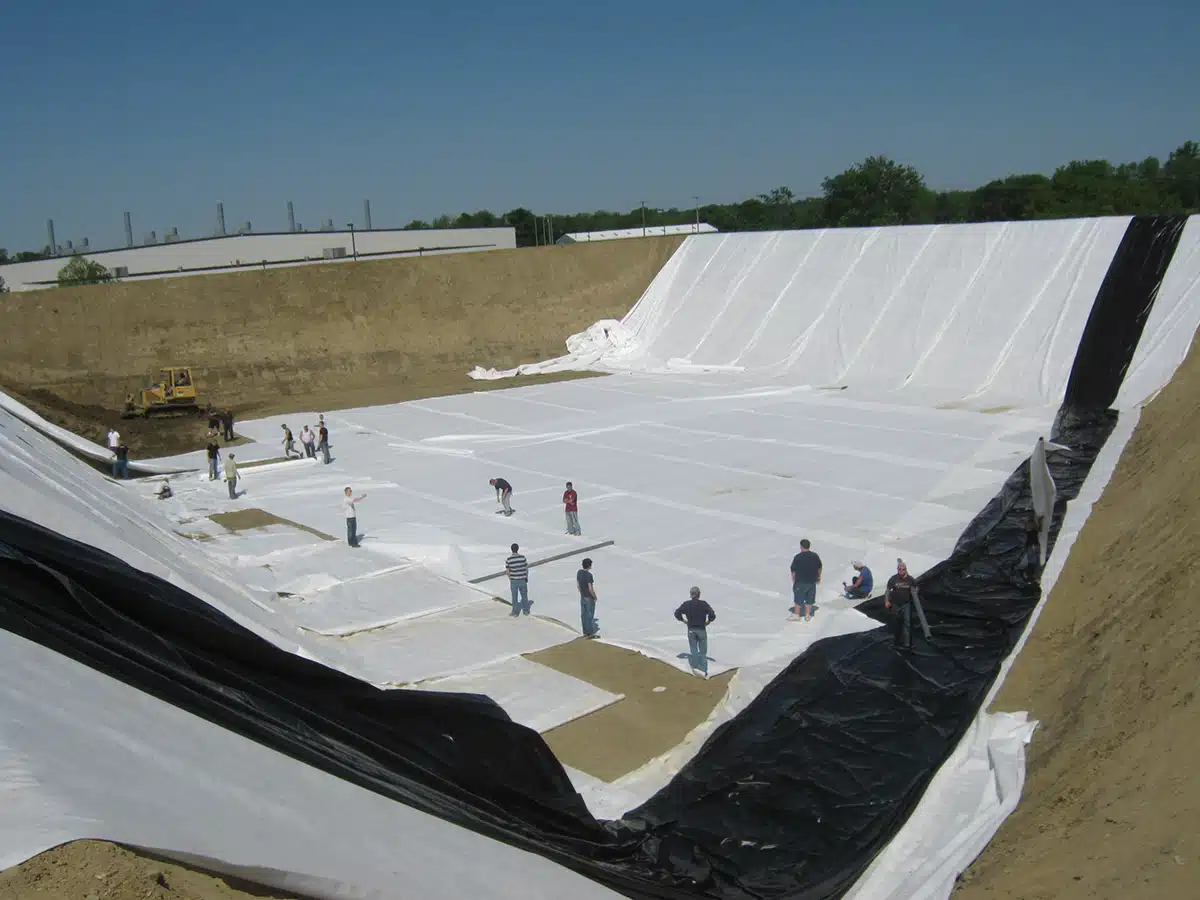
According to widely accepted engineering standards, Geosynthetics are divided into six main product groups: geotextiles, geomembranes, geogrids, geonets, geocells, and geocomposites. Each category performs a distinct function within soil systems and infrastructure projects.
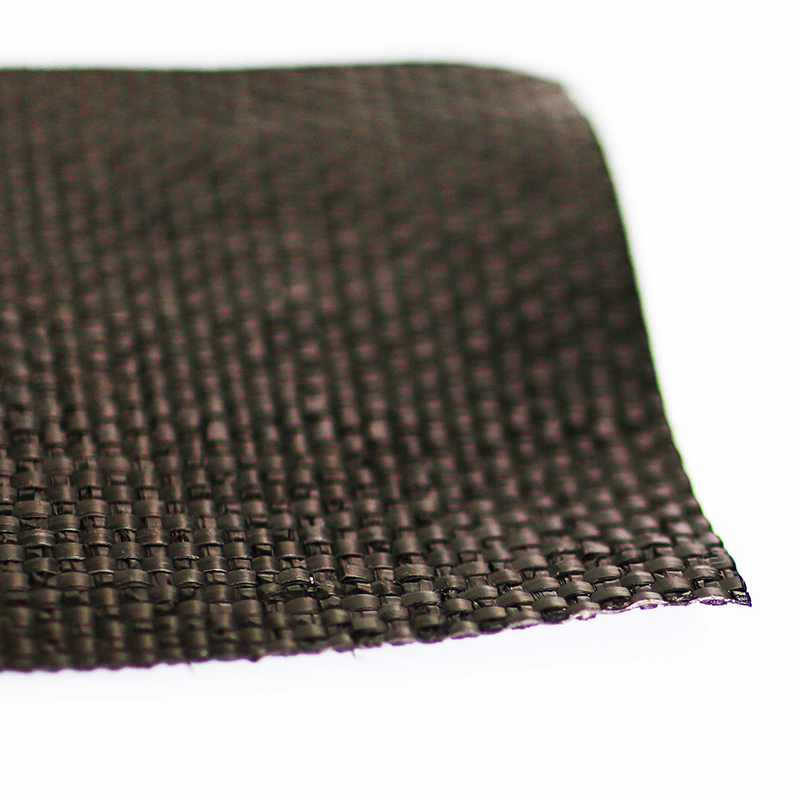
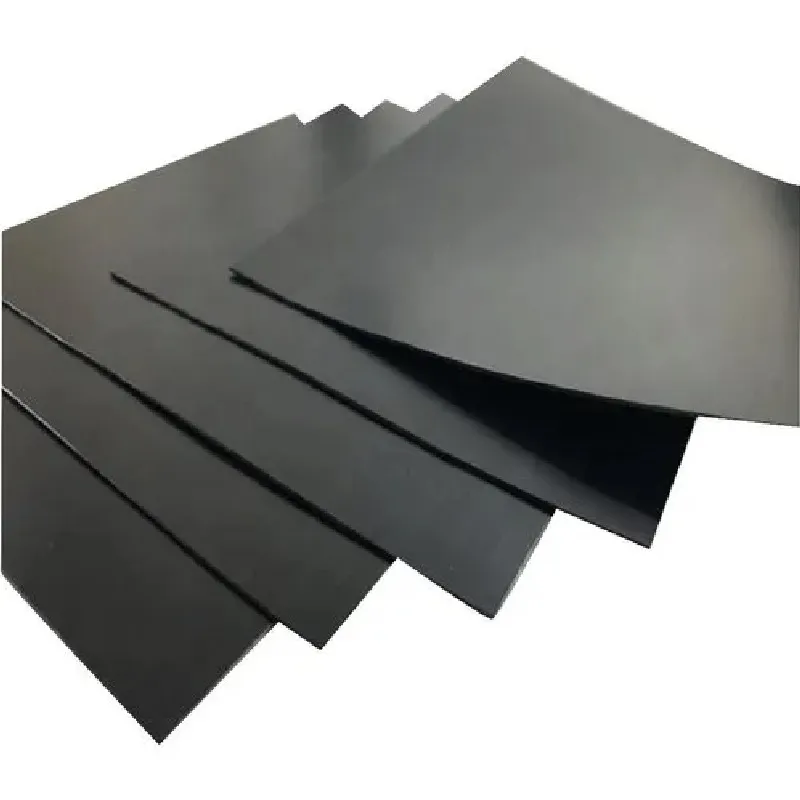
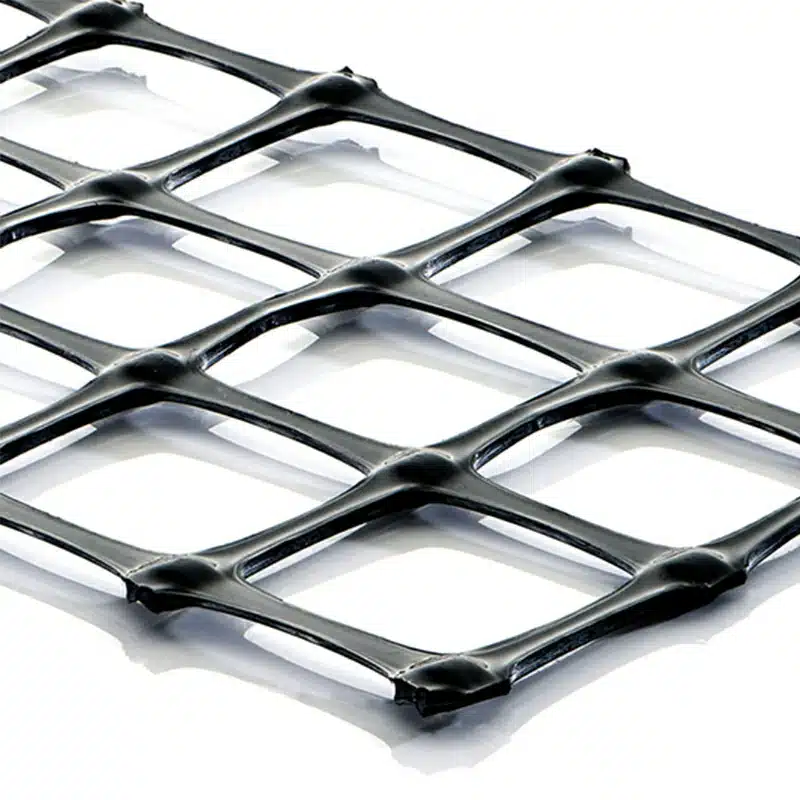
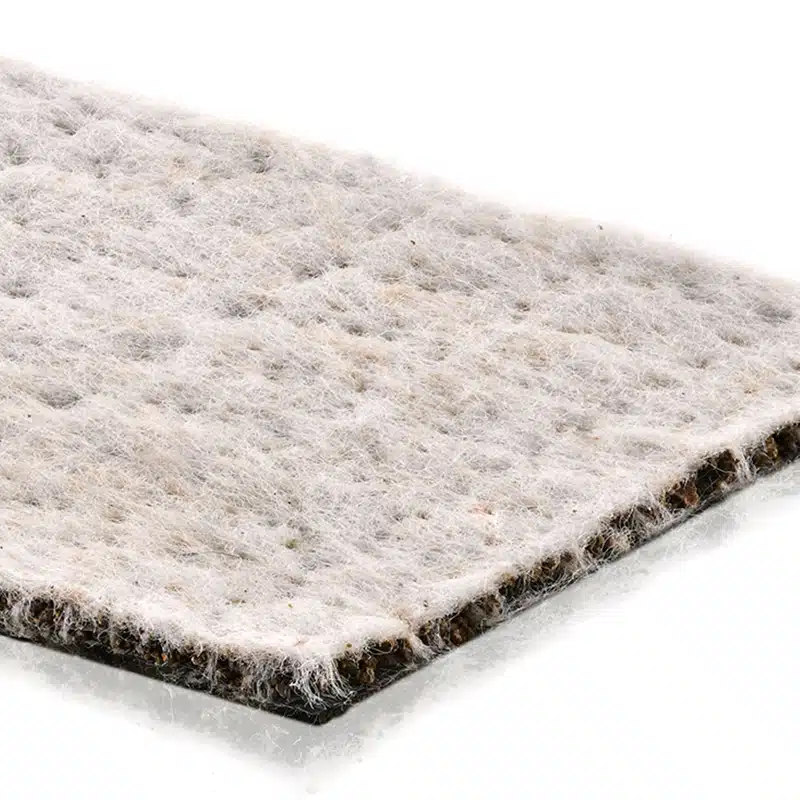
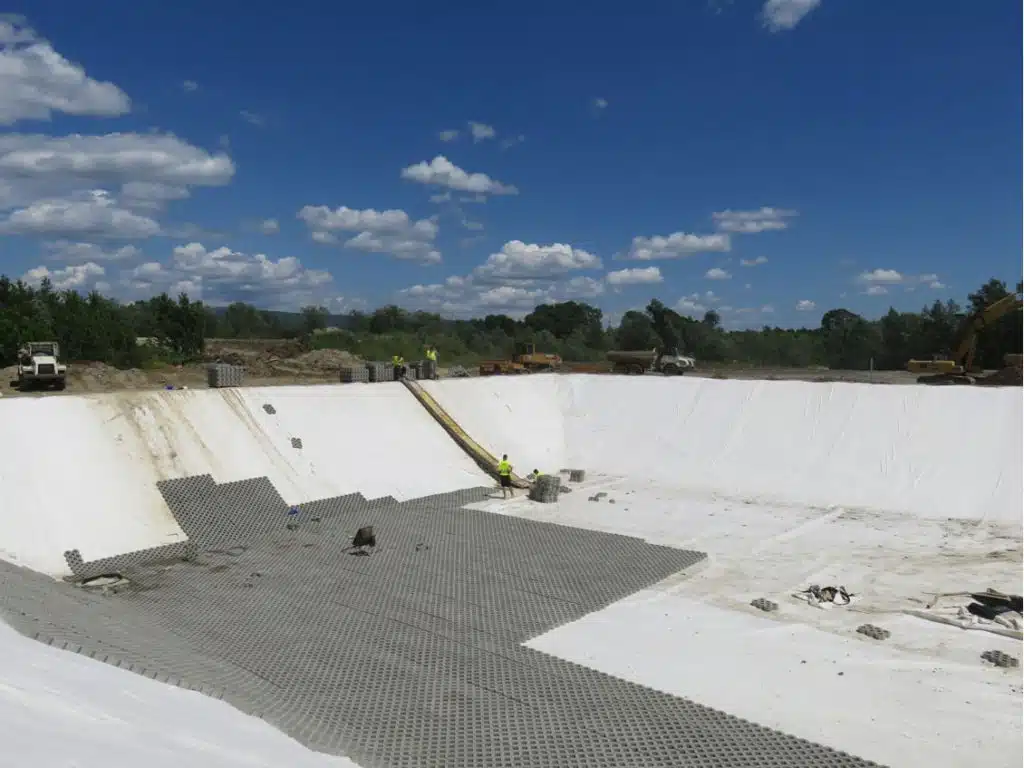
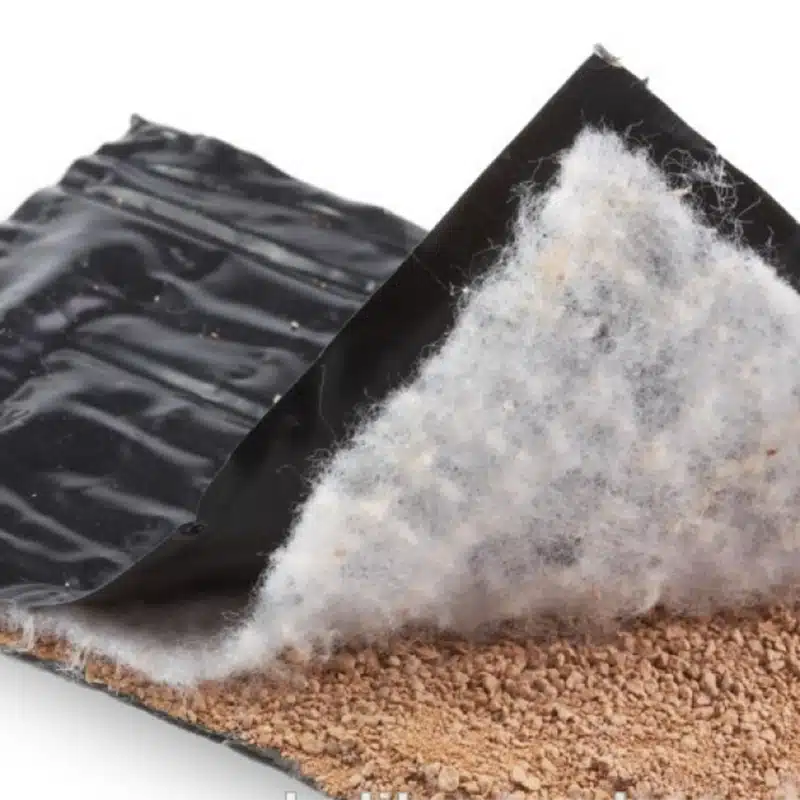
Geotextiles are permeable fabrics used for separation, filtration, and reinforcement between soil layers. Geomembranes are impermeable liners commonly installed in landfill and reservoir containment systems. Geogrids are polymer grid structures designed to strengthen soil and distribute loads in road construction and retaining walls. Geonets support drainage by creating channels that guide water flow within engineered layers. Geocells form three-dimensional honeycomb structures that stabilize slopes and load-bearing surfaces. Geocomposites combine multiple materials to provide integrated drainage or filtration functions in complex engineering environments.
How Engineers Choose the Right Geosynthetic Material
Understanding how Geosynthetics are divided into functional groups helps engineers choose the correct material for different site conditions. Before selecting a product, engineers evaluate soil type, load capacity, drainage requirements, and environmental exposure. These factors determine whether reinforcement, filtration, or containment materials will provide the best performance.
For example, geogrids are frequently used in road base reinforcement to improve load distribution. Landfill systems often combine geomembranes with geotextiles to create protective barriers that prevent contamination. Drainage layers may include geonets or geocomposites to efficiently move water away from structural areas. By understanding Geosynthetics are divided into specialized materials for reinforcement and drainage, engineers can ensure the selected solution performs reliably over the life of the project.
Why Understanding Geosynthetic Classification Is Important
For contractors, engineers, and procurement managers, knowing how Geosynthetics are divided into material categories improves decision-making during project planning and purchasing. Clear classification allows project teams to communicate technical requirements more effectively with suppliers and manufacturers. This helps avoid material mismatches and ensures the selected products meet design specifications.
Proper material selection also improves structural performance and reduces maintenance costs over time. Infrastructure projects such as highways, railways, and landfill containment systems rely heavily on geosynthetic materials for long-term stability. Because Geosynthetics are divided into different engineering functions, designers can integrate these materials into complex projects with greater efficiency and reliability.
In summary, Geosynthetics are divided into several major categories according to their structure and engineering function. These categories—including geotextiles, geomembranes, geogrids, geonets, geocells, and geocomposites—allow engineers to solve a wide range of geotechnical challenges. From soil reinforcement and drainage control to environmental containment, geosynthetics play a critical role in modern infrastructure development. Understanding these classifications helps engineers and buyers choose appropriate materials and build safer, more durable engineering systems.


Get Free Sample
We’ll respond as soon as possible(within 12 hours)