

+86-159 9860 6917
info@geofantex.com
geofantex@gmail.com
+86-400-8266163-44899
Geotextile fabric for driveway applications provide an effective solution for contractors, distributors, and property owners seeking stronger, longer-lasting gravel and concrete driveways. Installed beneath aggregate base layers or concrete slabs, this geosynthetic material improves soil stabilization, distributes loads more evenly, enhances drainage, and prevents aggregate migration. Choosing the right geotextile fabric for driveway construction projects can reduce long-term maintenance costs while improving the overall performance and service life of the driveway.
Is Geotextile Fabric for Driveway Necessary Under a Gravel Driveway?
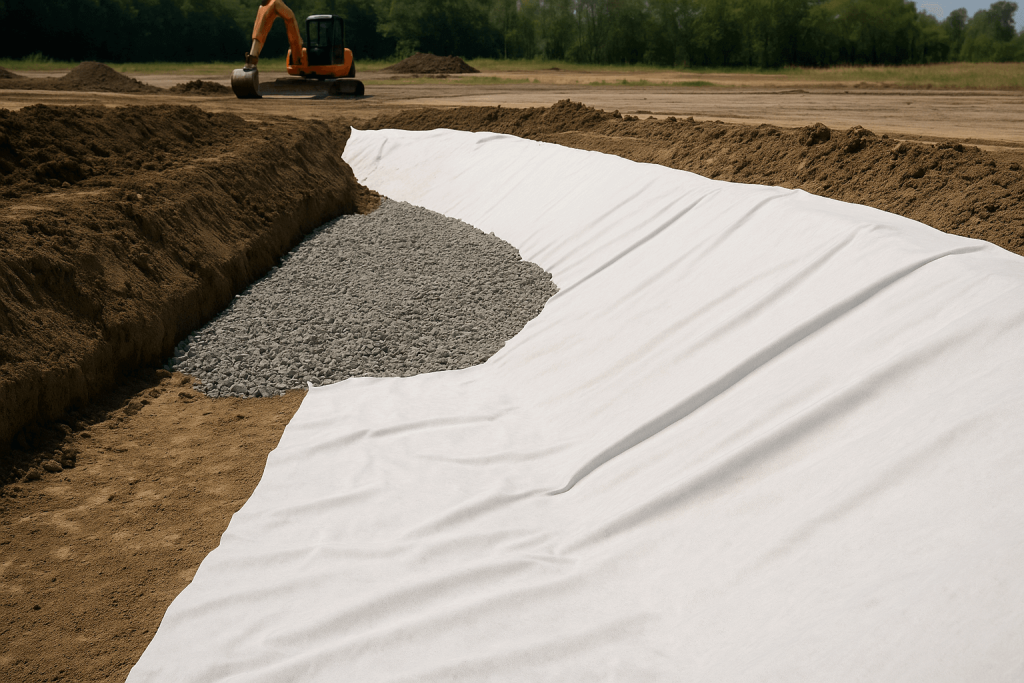
Installing geotextile fabric for driveway beneath a gravel driveway is highly recommended for both residential and commercial projects. The fabric functions as a separation layer between the natural subgrade and the aggregate base, preventing gravel from sinking into soft soil while maintaining a stable driving surface.
Compared with ordinary landscape fabric, geotextile products are specifically engineered for civil engineering applications. They provide higher tensile strength and better resistance to heavy vehicle loads, making them ideal for residential driveways, farm roads, parking areas, and industrial access routes.
Additional benefits include:
- Preventing aggregate migration into soft soil.
- Improving load distribution under traffic.
- Reducing rutting, potholes, and surface deformation.
- Lowering long-term maintenance requirements.
- Extending the service life of gravel driveways.
What Is the Best Geotextile Fabric for Driveway Installation?
Selecting the appropriate material depends on soil conditions, expected traffic loads, drainage requirements, and project specifications. Choosing a woven geotextile fabric for driveway stabilization ensures higher tensile strength, improved load distribution, and long-term performance for residential and commercial access roads.
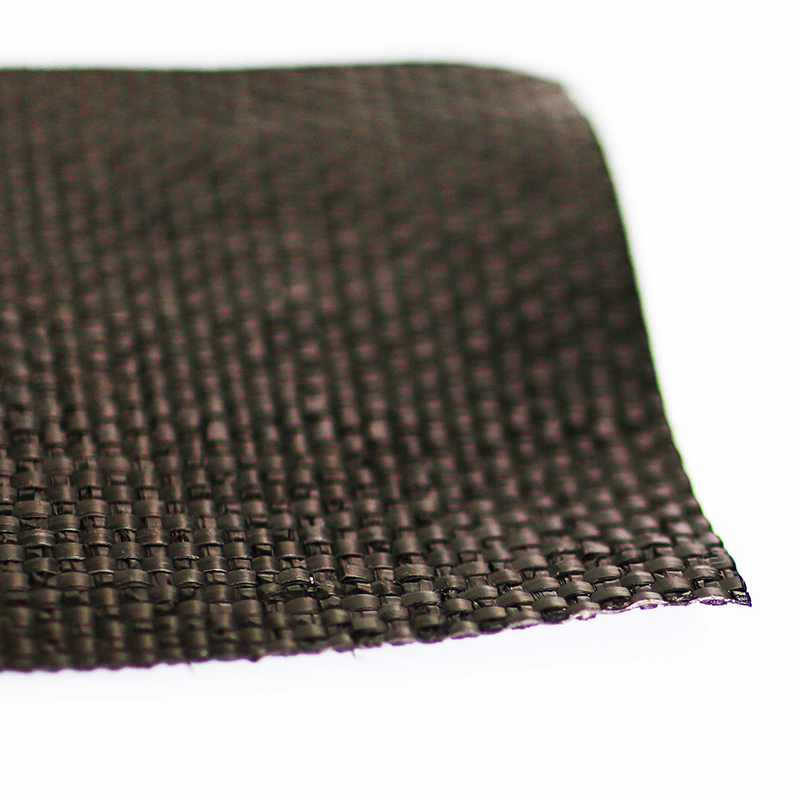
For most gravel driveway projects, woven geotextile fabric is the preferred choice because of its high tensile strength and excellent stabilization performance. Its woven structure interlocks with aggregate, reinforcing the base layer and minimizing differential settlement.
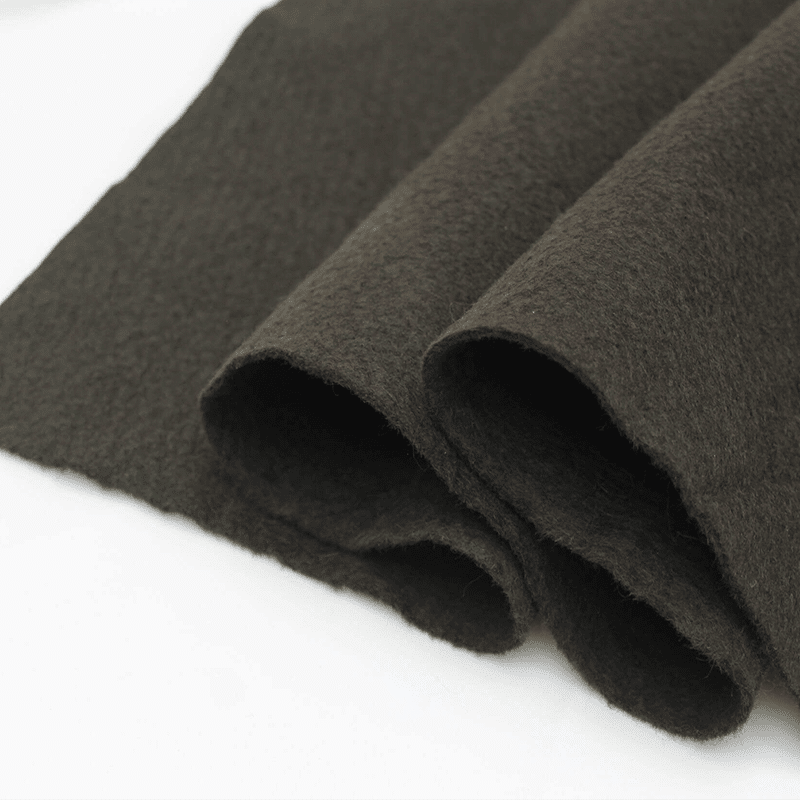
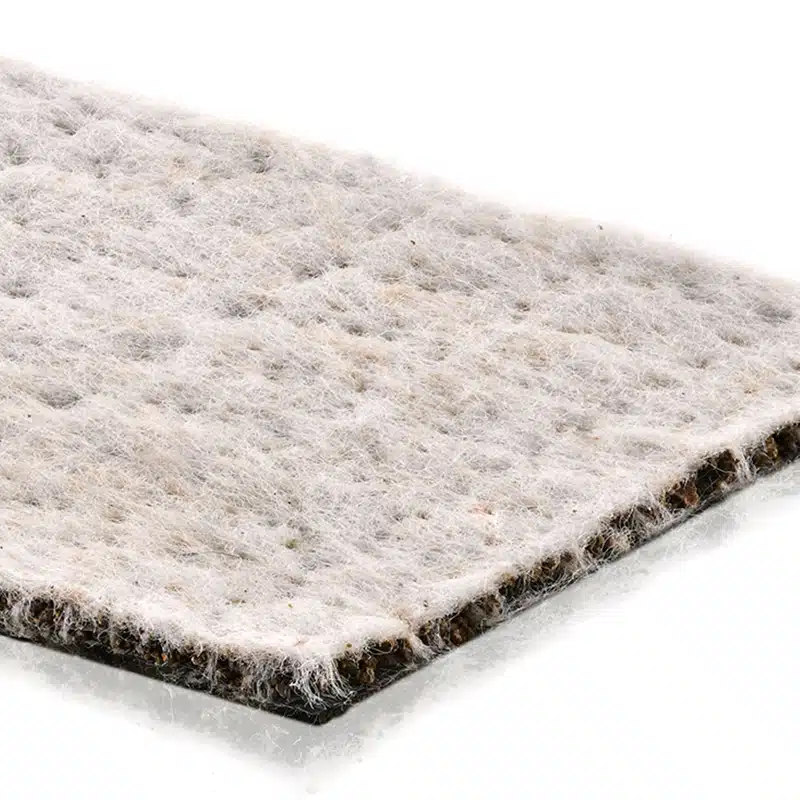
Nonwoven geotextile fabric, on the other hand, is designed primarily for filtration, drainage, and erosion control. It allows water to flow freely while preventing soil particles from clogging drainage systems, making it suitable for French drains, retaining walls, subsurface drainage, and landscaping applications.
When choosing a geotextile fabric for a driveway, consider the following factors:
- Soil bearing capacity.
- Vehicle traffic frequency.
- Aggregate thickness.
- Drainage performance.
- Installation conditions.
- Required service life.
Selecting the correct geotextile helps improve pavement performance while minimizing future repair and maintenance costs.
Can Geotextile Fabric Be Used Under Concrete Driveways?
Yes. Geotextile fabric for driveways is widely installed beneath concrete slabs to improve the stability of the supporting foundation.
The fabric separates fine soil particles from the aggregate base, helping maintain the structural integrity of the subgrade. It also reduces differential settlement, one of the primary causes of concrete cracking and uneven pavement surfaces.
Although geotextile fabric does not replace steel reinforcement within the concrete itself, it plays an essential role beneath the slab by creating a more stable foundation. Many engineers combine woven geotextiles with properly compacted aggregate to increase bearing capacity and improve long-term pavement performance.
For projects involving expansive soils, weak foundations, or high groundwater levels, geotextile reinforcement provides additional protection against settlement and structural movement.
Does Geotextile Fabric Improve Drainage?
Effective water management is essential for maintaining the performance of any driveway.
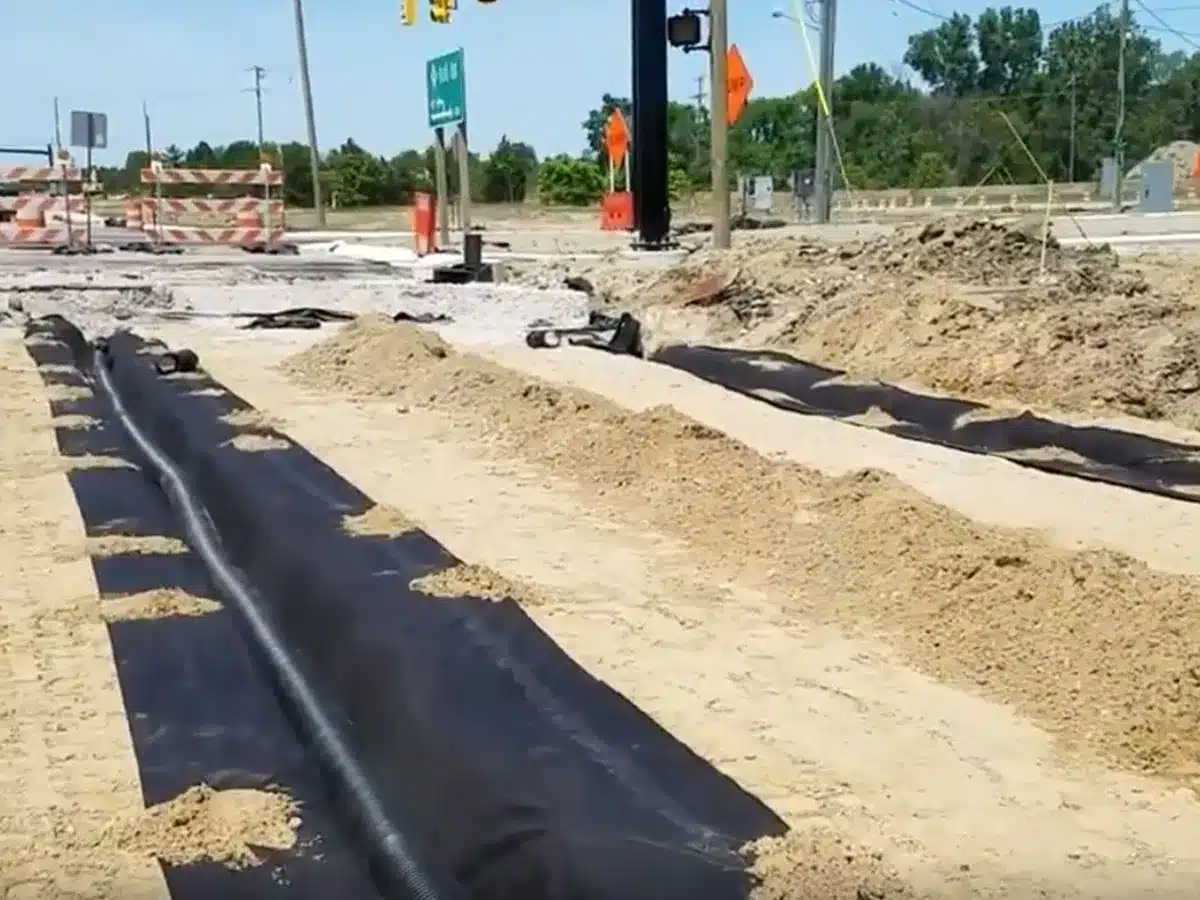
Woven geotextiles provide controlled permeability while maintaining excellent soil separation. Nonwoven geotextiles offer higher permeability, making them suitable for applications where drainage and filtration are the primary objectives.
A properly designed drainage system incorporating geotextile fabric for driveway drainage and soil separation helps:
- Prevent water accumulation beneath the pavement.
- Reduce frost heave in cold climates.
- Minimize soil erosion.
- Protect the aggregate base from washout.
- Extend the lifespan of the driveway.
Proper drainage also reduces maintenance requirements and improves overall pavement reliability.
Woven vs. Nonwoven Geotextile Fabric
Understanding the differences between woven and nonwoven geotextiles helps ensure the correct product is selected for each project.
Woven geotextile fabric offers:
- High tensile strength.
- Excellent soil stabilization.
- Superior load distribution.
- Outstanding durability under vehicle traffic.
Nonwoven geotextile fabric provides:
- High water permeability.
- Excellent filtration performance.
- Effective erosion control.
- Flexible installation around drainage systems.
For gravel driveways, access roads, and other load-bearing applications, woven geotextiles are generally the preferred option because they provide superior reinforcement and long-term structural stability. Nonwoven products remain the better choice for drainage, filtration, and erosion control applications.
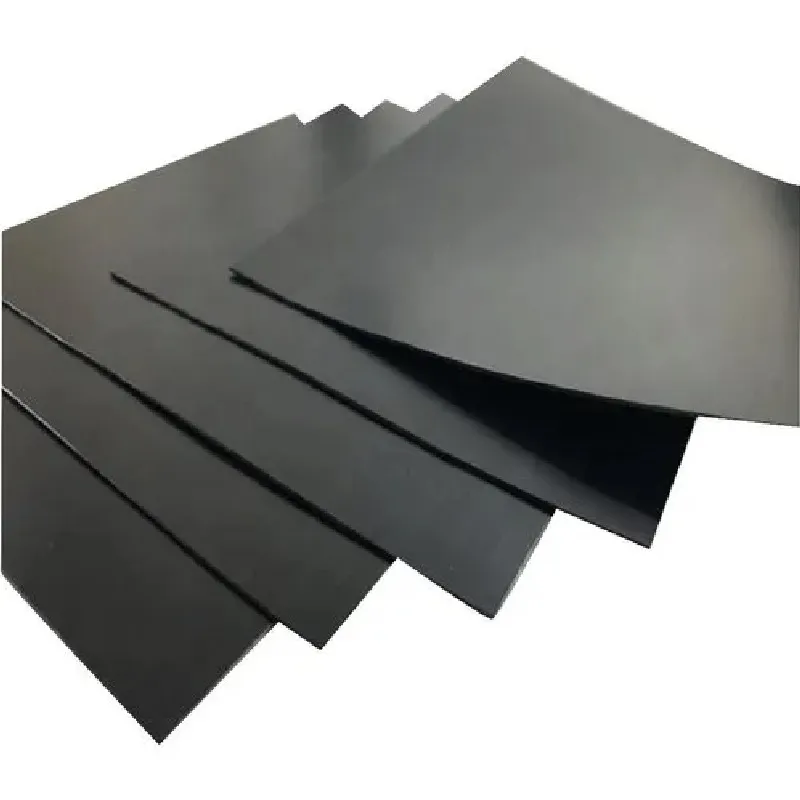
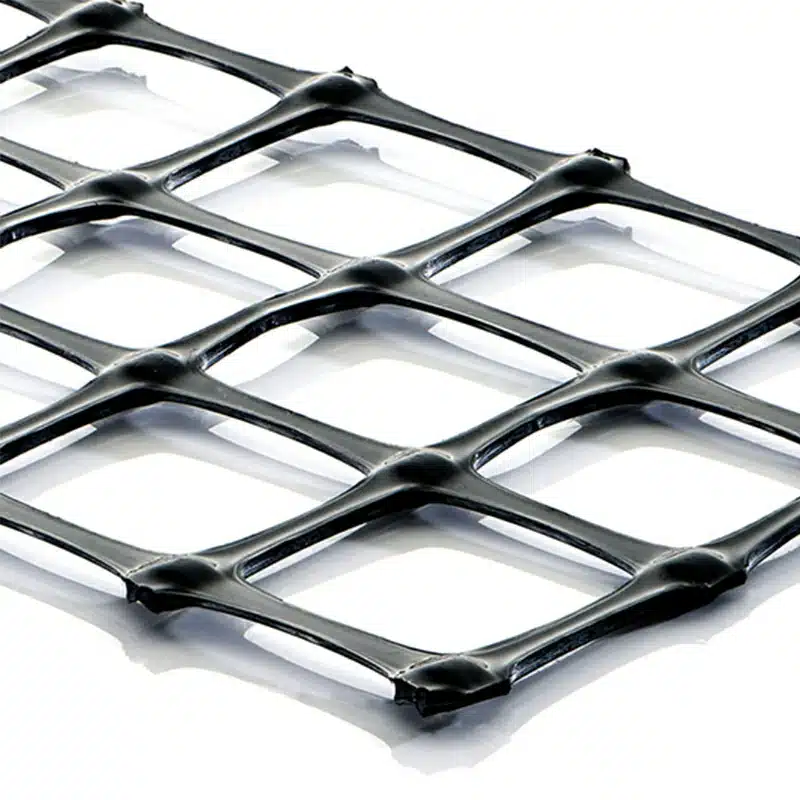
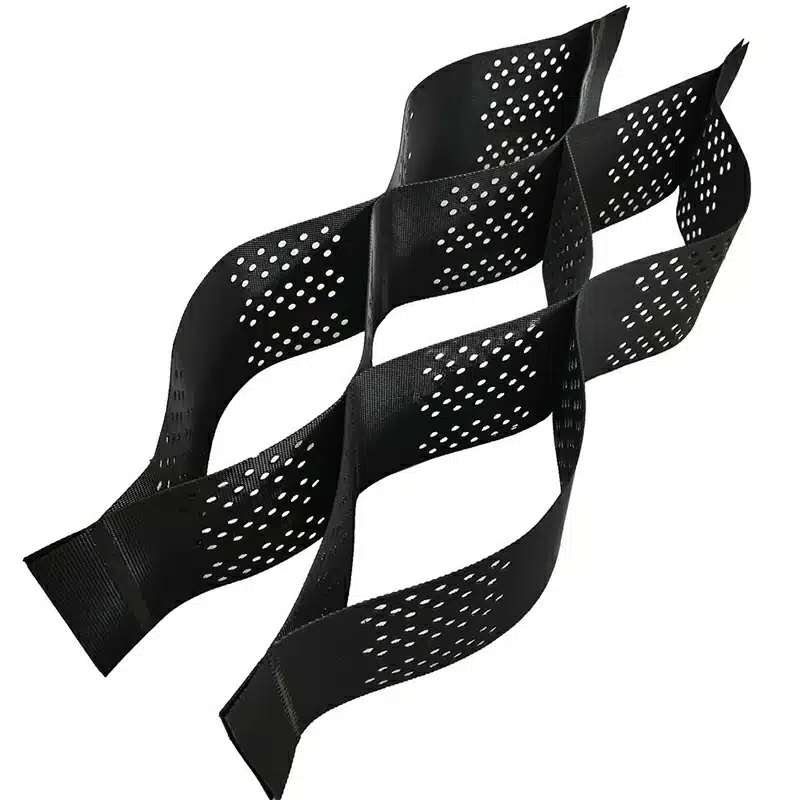
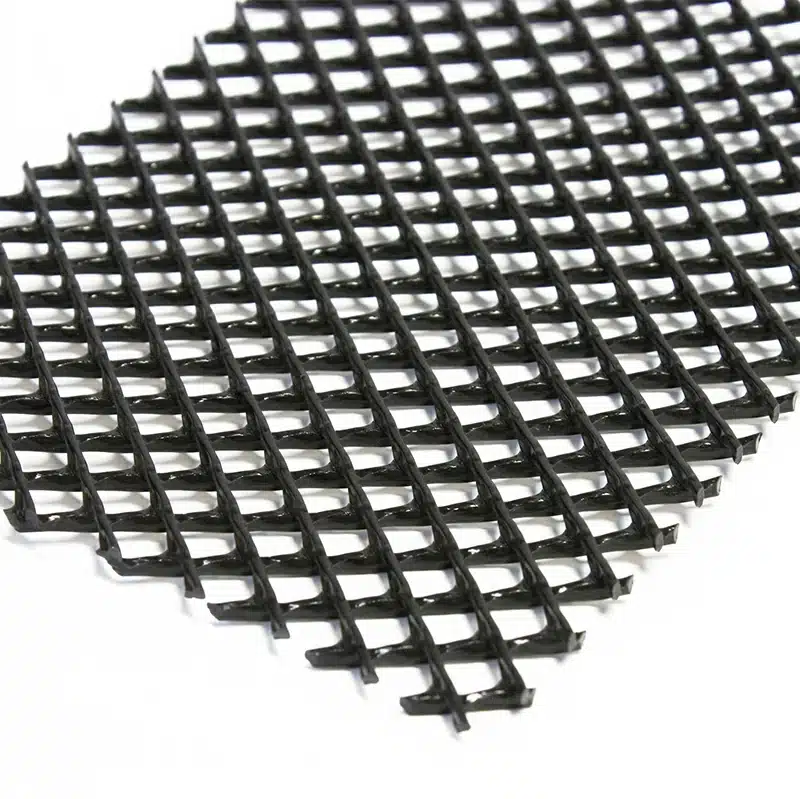
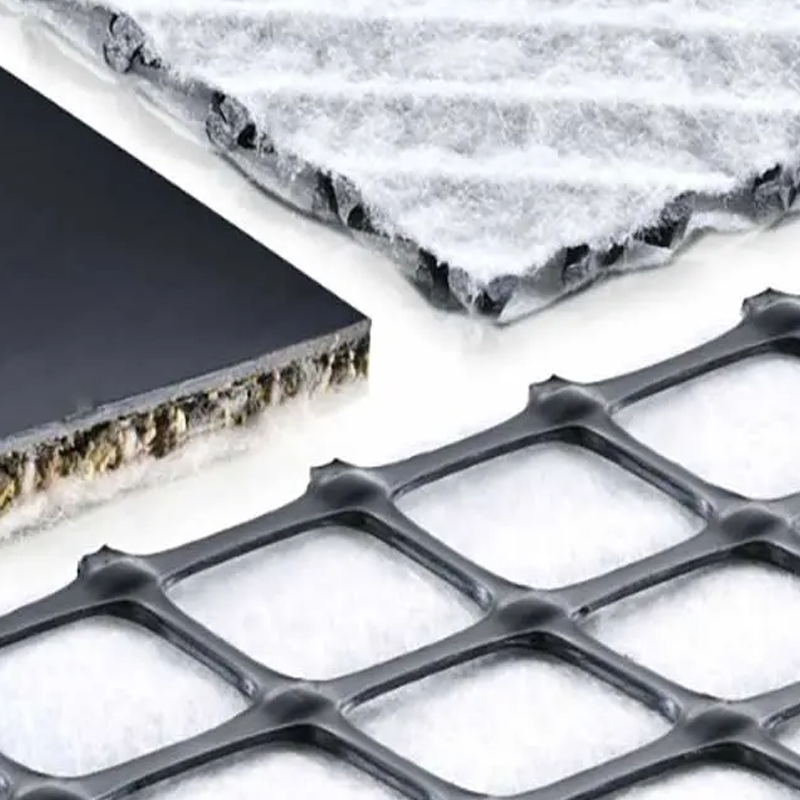
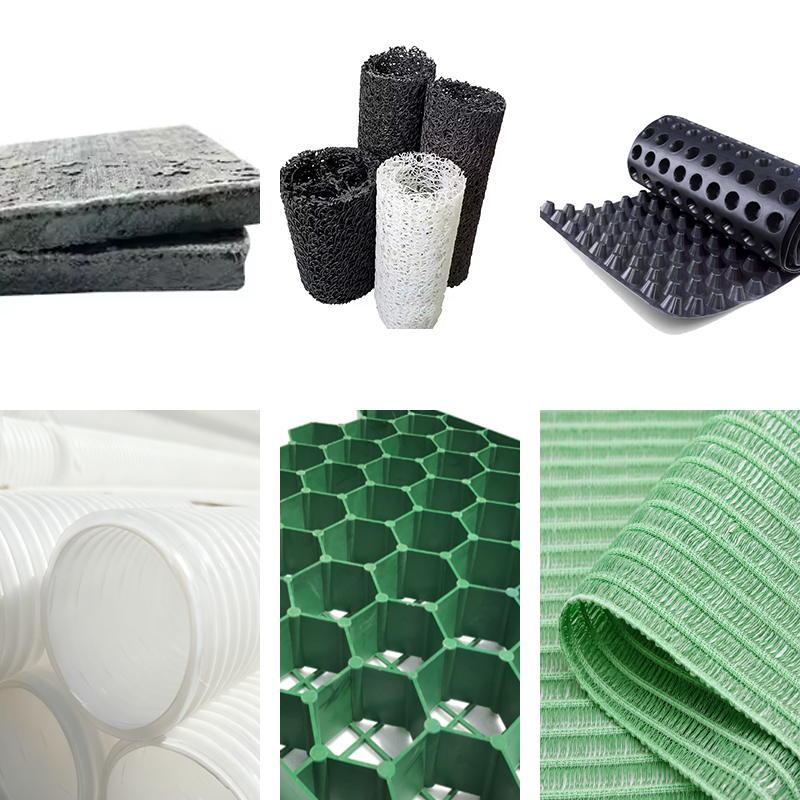
Geotextiles and geocomposites play a vital role in civil engineering, construction, and landscaping by providing stability, drainage, filtration, and reinforcement. Woven geotextiles offer high tensile strength, making them ideal for stabilizing gravel driveways, dirt roads, and other load-bearing surfaces, while non-woven geotextiles provide excellent permeability for drainage, erosion control, and slope stabilization. Geocomposites combine multiple geosynthetic materials—such as geotextiles, geogrids, geomembranes, and geonets—into a single system, delivering multifunctional solutions for filtration, separation, reinforcement, drainage, and containment. Their applications span from driveways and retaining walls to landfills, green roofs, and coastal protection projects, offering both durability and cost-effectiveness. Selecting the appropriate material and ensuring proper installation are essential to achieve long-term stability, efficient water management, and reduced maintenance, making geotextiles and geocomposites indispensable in modern engineering and landscaping projects.
Frequently Asked Questions About
Get Free Sample
We’ll respond as soon as possible(within 12 hours)