

+86-159 9860 6917
info@geofantex.com
geofantex@gmail.com
+86-400-8266163-44899
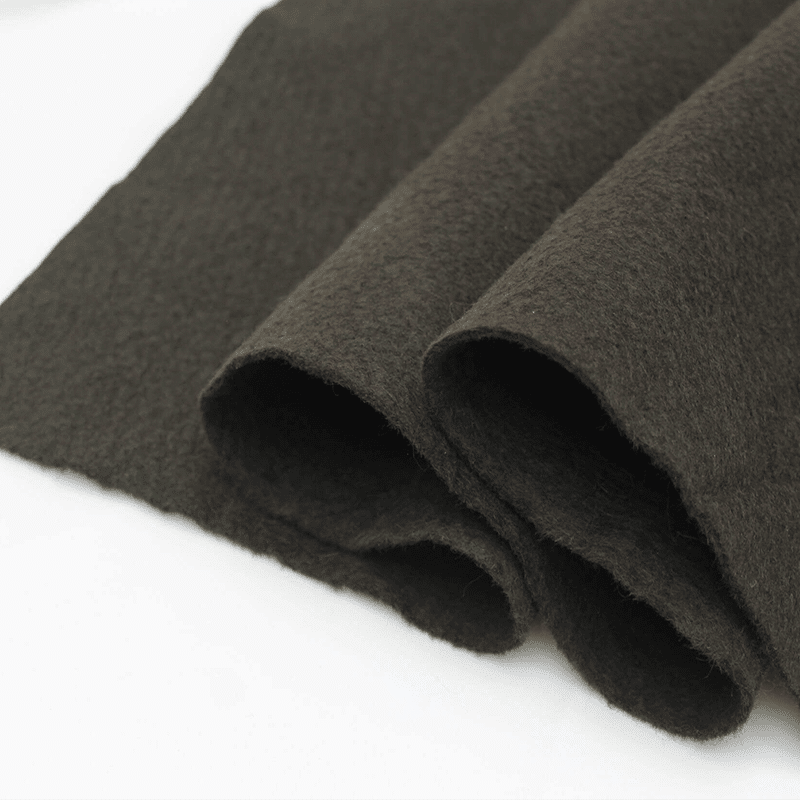
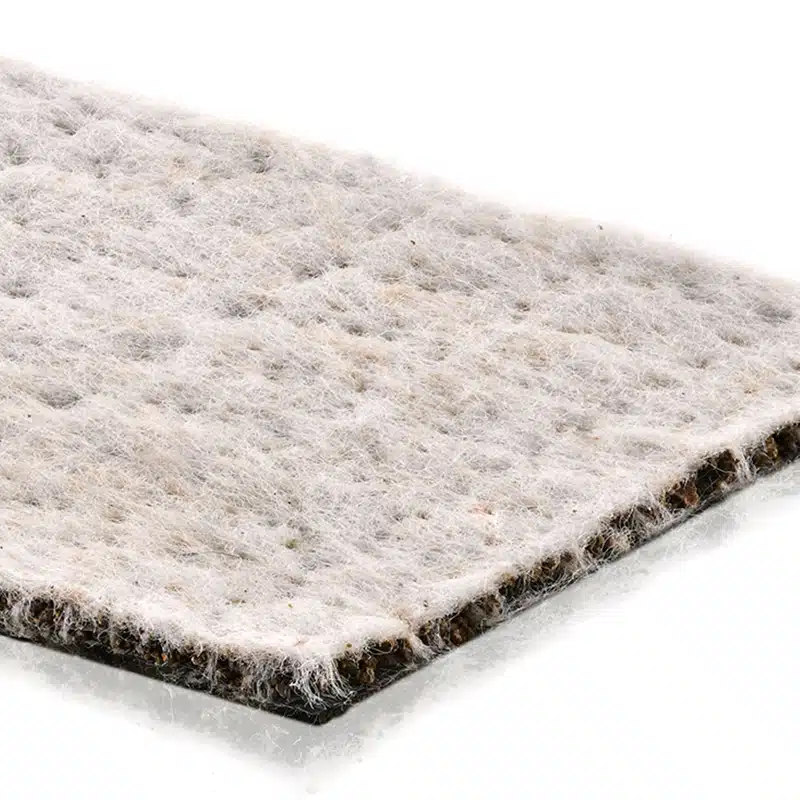
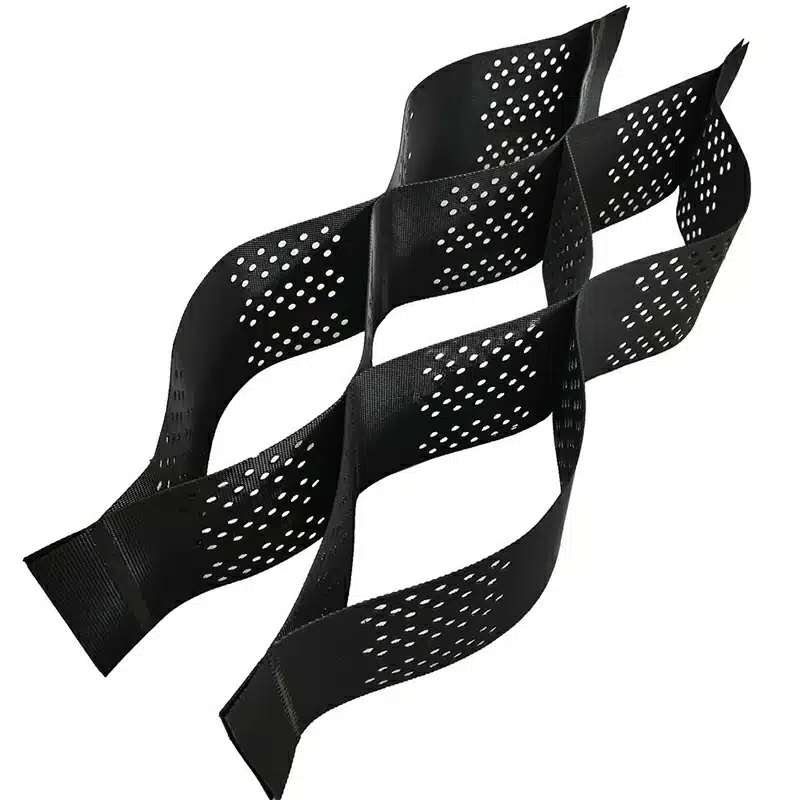
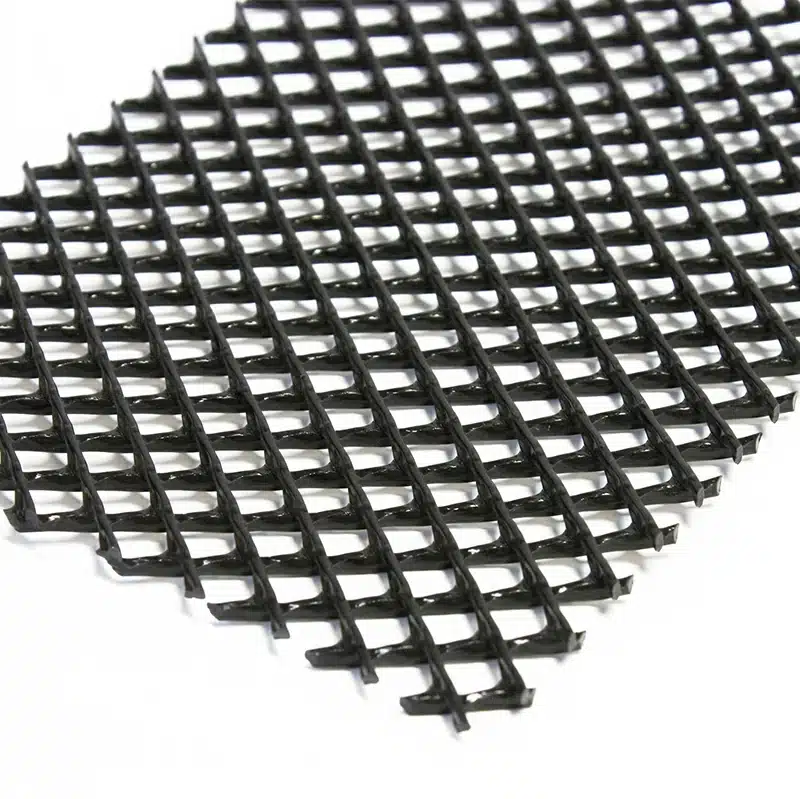
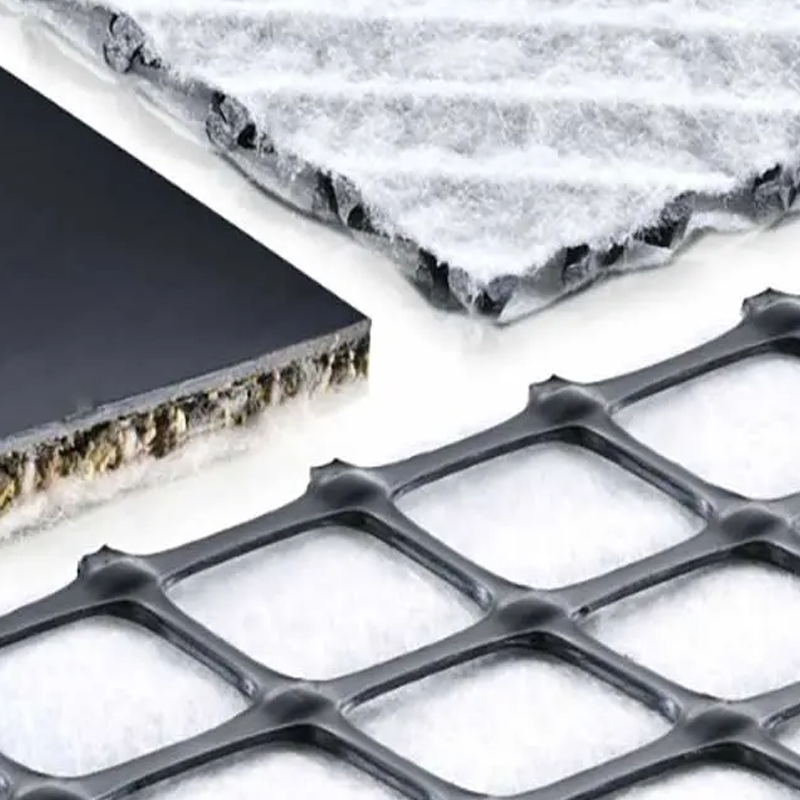
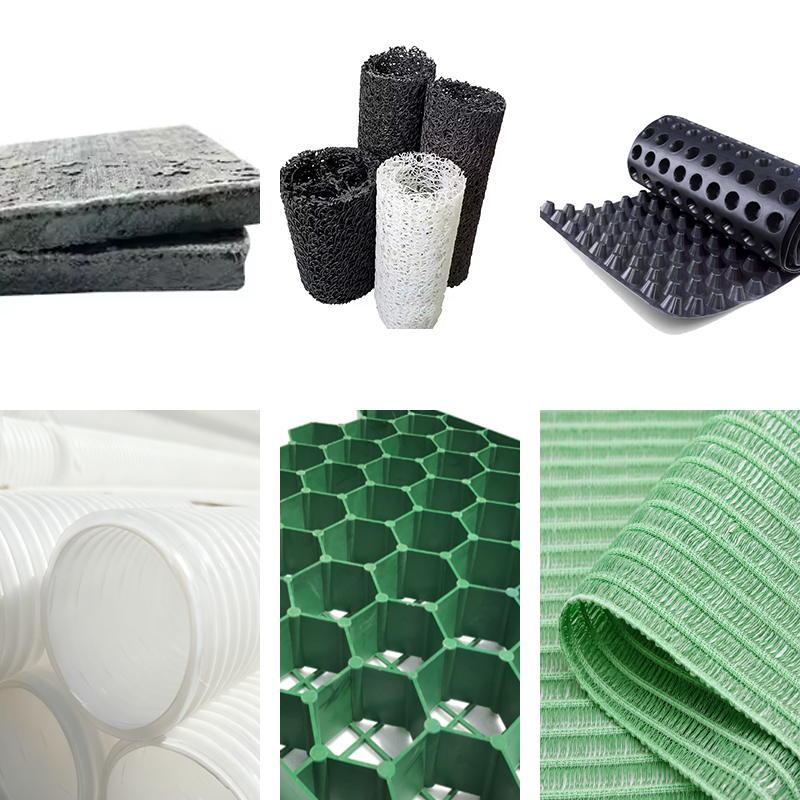
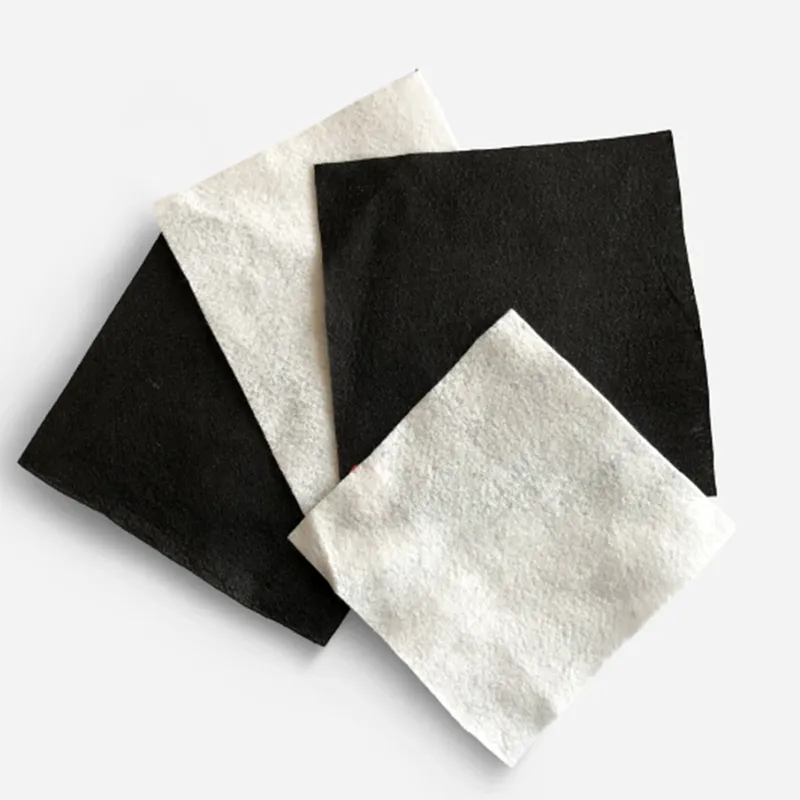
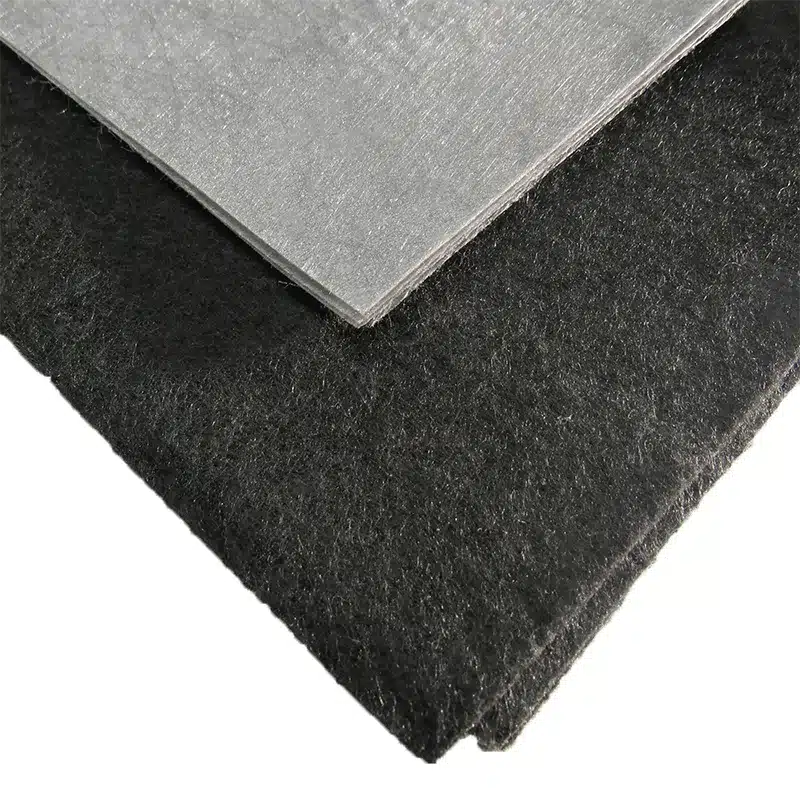
Geotextile non woven fabric is widely used in modern geosynthetics systems to address challenges such as soil instability, water retention, and reduced structural durability in civil engineering projects. As a core material in advanced geosynthetics, it supports long-term performance across infrastructure applications.
Modern construction projects often suffer from weak subgrade soils, inefficient drainage, and accelerated erosion. Without proper separation and filtration layers, these issues lead to higher maintenance costs and shortened service life. High-performance non woven materials, such as those used in geotextile products help engineers improve foundation reliability while reducing material usage.
What problems occur when soil layers are not properly separated?
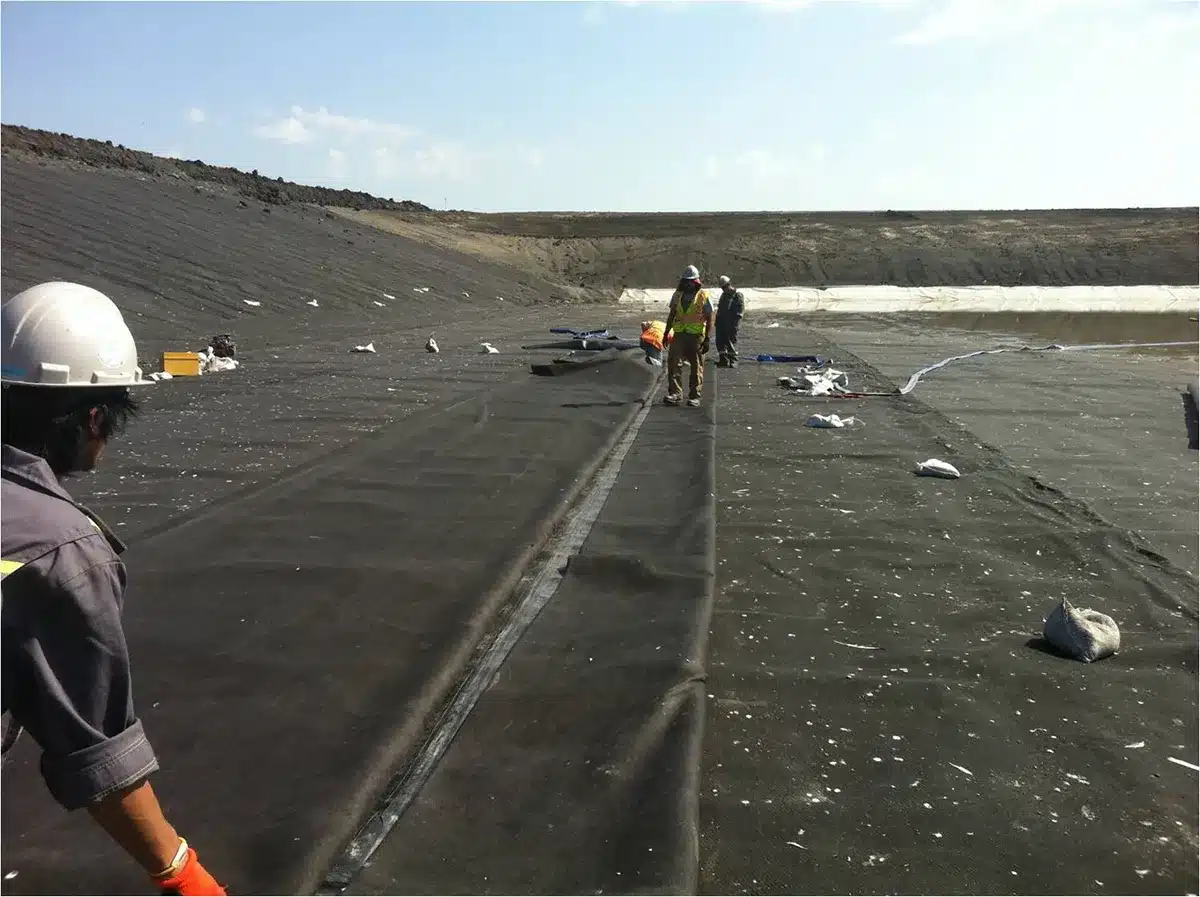
When fine soils migrate into aggregate layers, load-bearing capacity decreases rapidly. This contamination results in rutting, settlement, and premature pavement failure, especially in road construction and access routes.
Why is drainage a critical issue in geotechnical engineering?
Excess water trapped within soil layers increases pore pressure and weakens structural integrity. Effective drainage layers are essential to prevent erosion and maintain slope and embankment stability.
How do geosynthetics improve filtration and drainage performance?
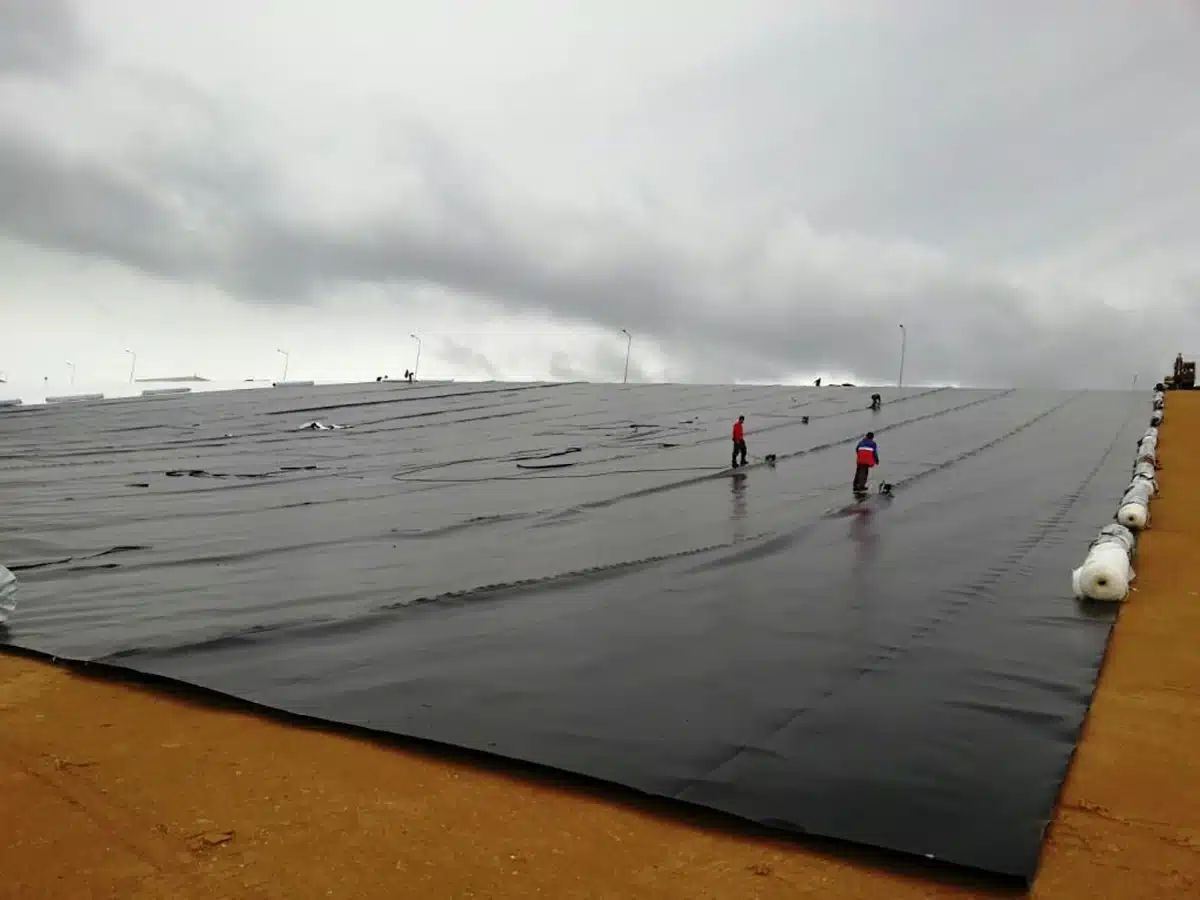
Engineered materials allow water to pass while retaining fine particles. Geotextile non woven fabric provides consistent filtration and drainage, making it suitable for highways, railways, and landfill systems. These functions are fundamental to geosynthetics solutions used in large-scale infrastructure projects.
Why is this solution suitable for long-term infrastructure projects?
This material reduces aggregate thickness requirements, speeds up installation, and enhances durability. Its adaptability makes it effective in drainage, separation, and protection applications across varying soil conditions.
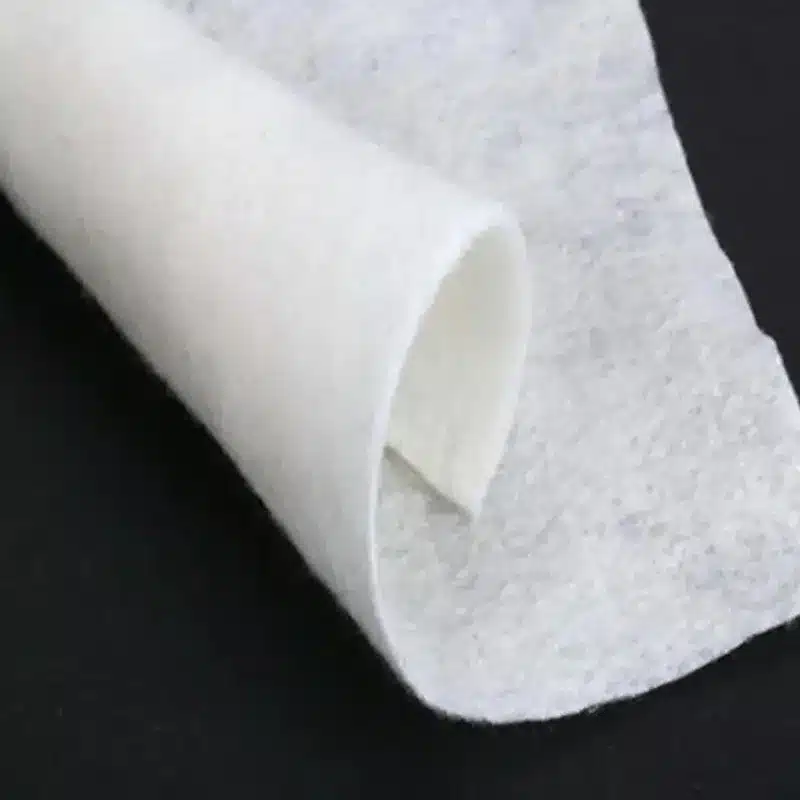
By selecting the right geosynthetics approach, engineers can significantly improve construction efficiency and service life. Geotextile non woven fabric remains a reliable solution for achieving stable, cost-effective, and sustainable civil engineering outcomes.
Get Free Sample
We’ll respond as soon as possible(within 12 hours)