

+86-159 9860 6917
info@geofantex.com
geofantex@gmail.com
+86-400-8266163-44899
The geocomposite drainage layer plays a critical role in modern geosynthetics by providing efficient subsurface water control for civil, environmental, and infrastructure projects. As construction standards rise and long-term performance becomes more important, engineered materials such as geosynthetics drainage solutions are increasingly adopted worldwide to improve stability, durability, and cost efficiency.
What is a geocomposite drainage layer and how is it structured?
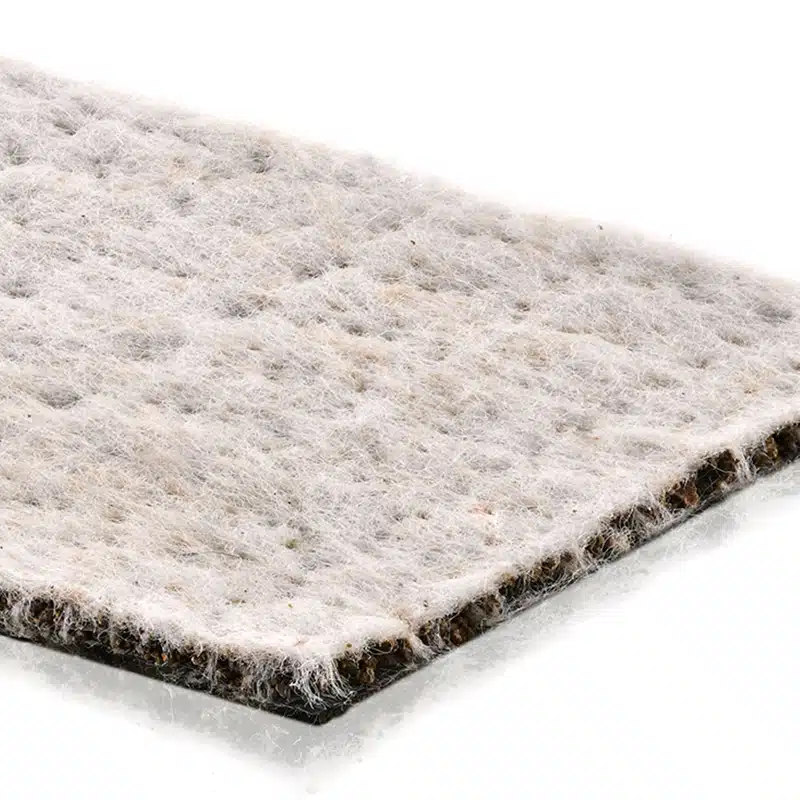
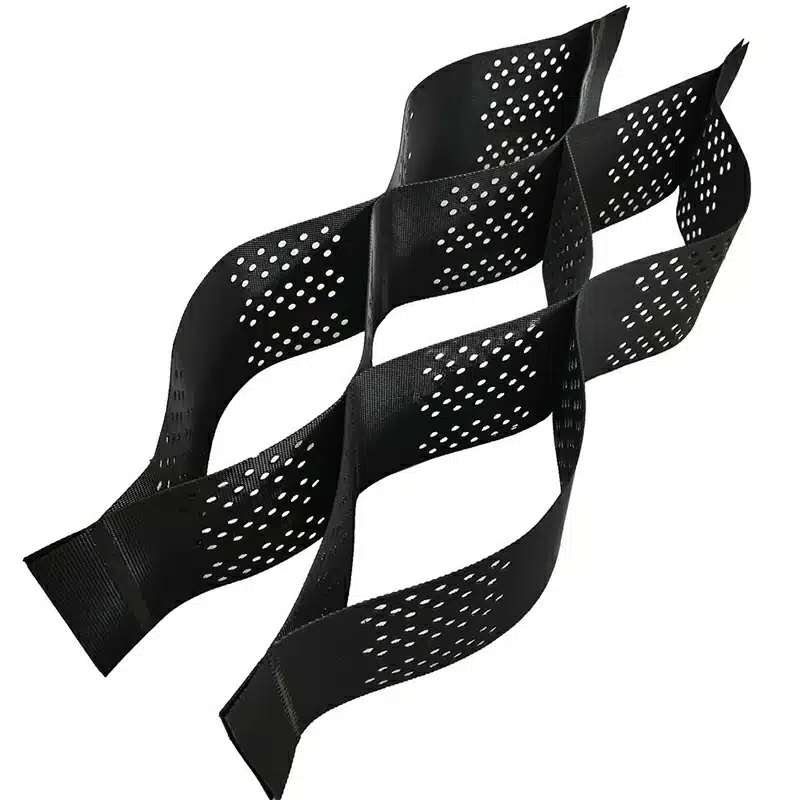
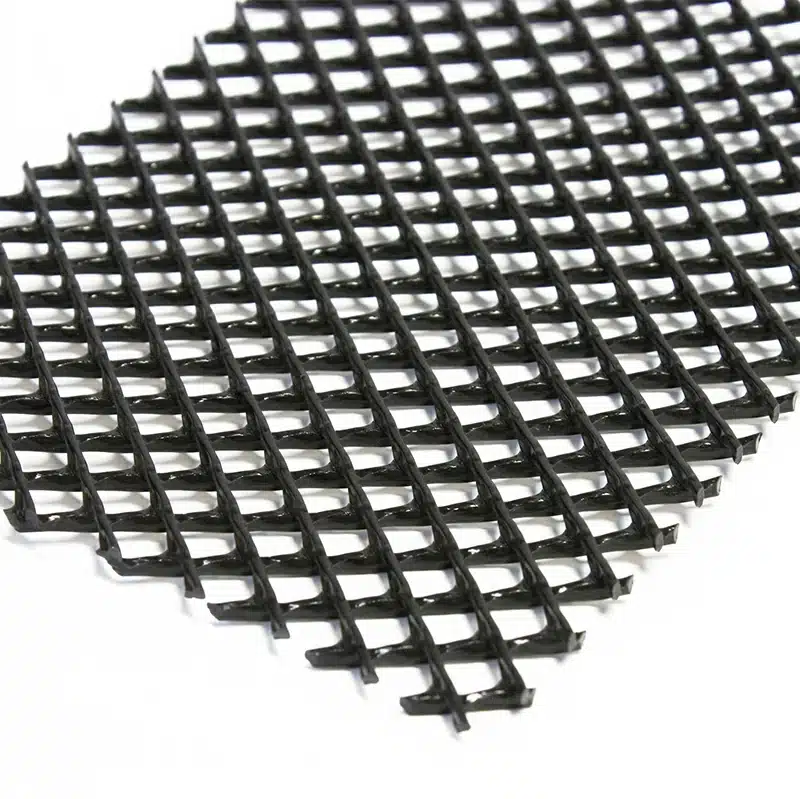
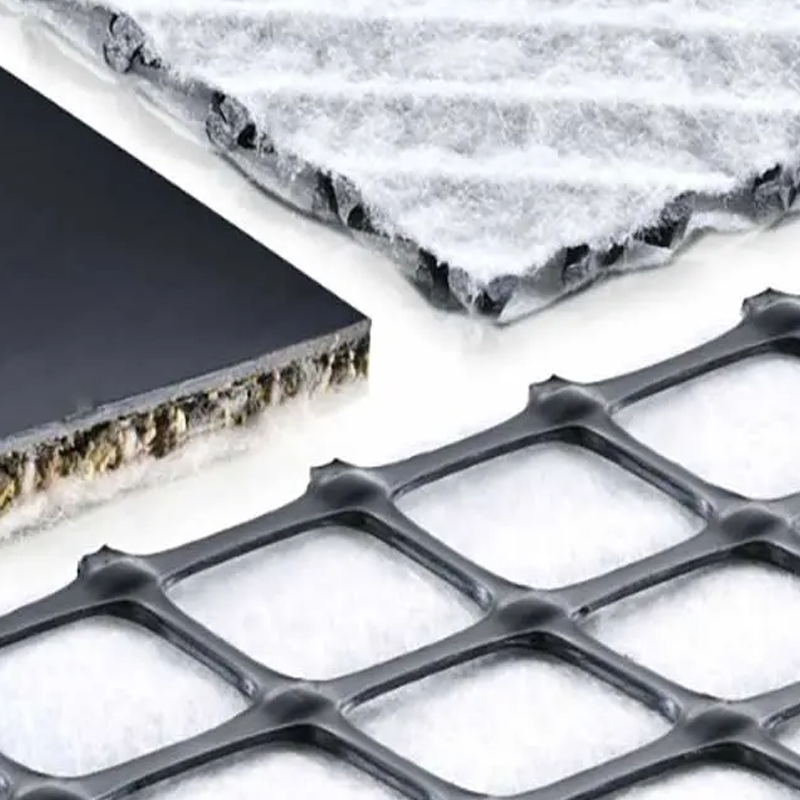
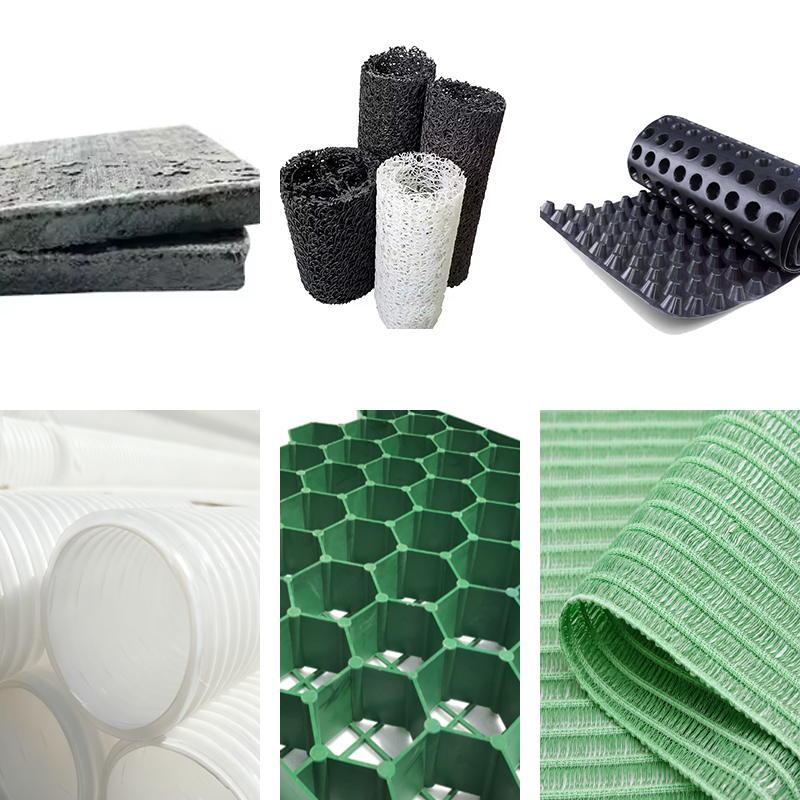
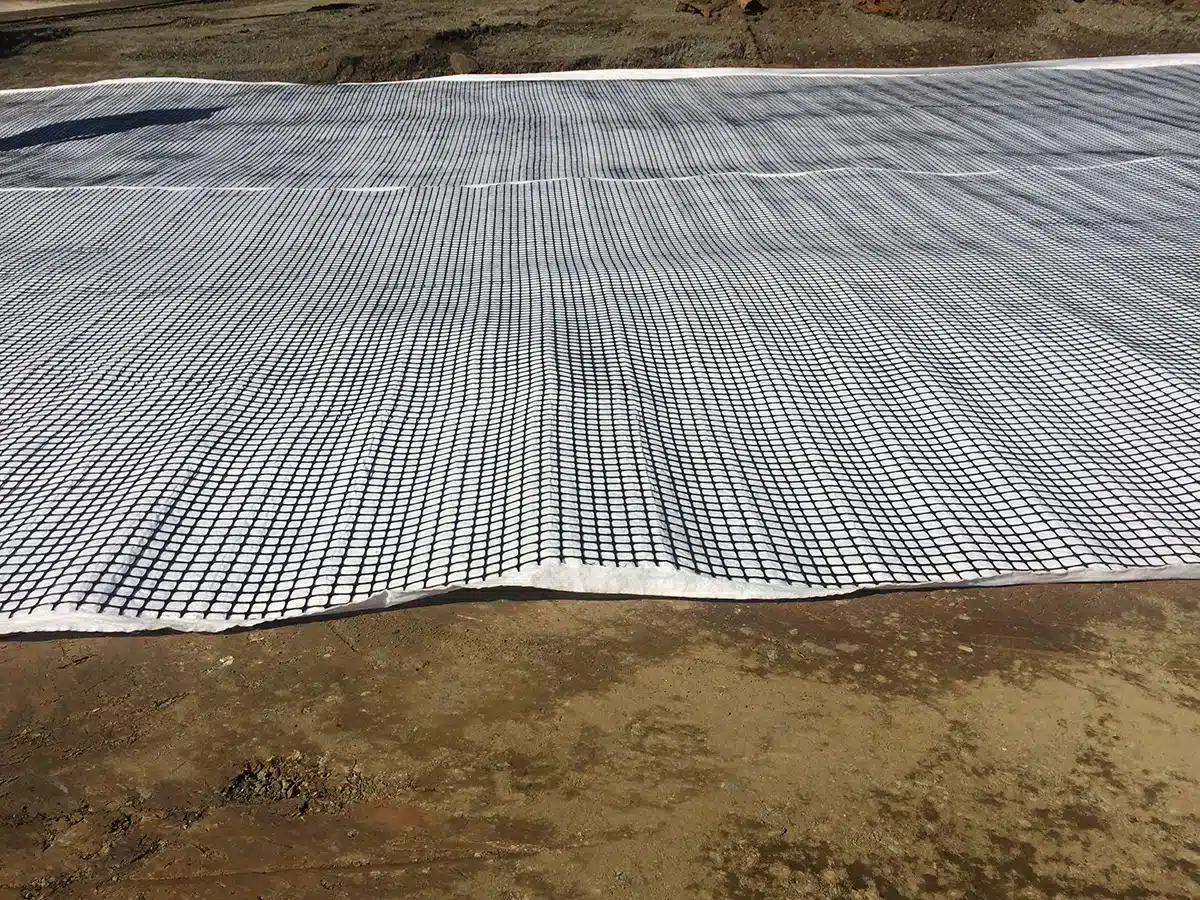
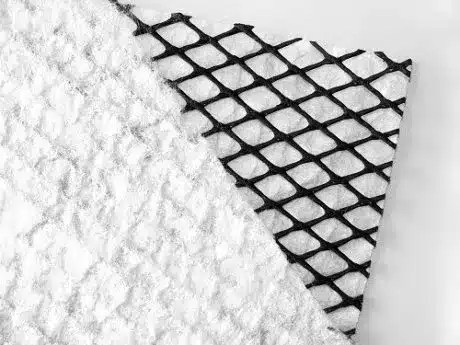
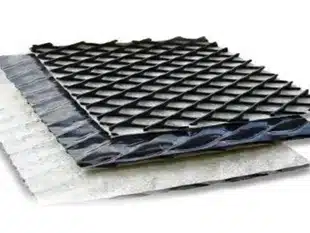
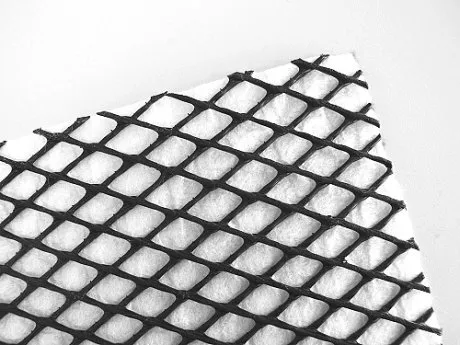
A geocomposite drainage layer is an engineered product composed of multiple geosynthetic components combined into a single integrated system. It typically consists of a polymer drainage core bonded with geotextile layers that perform filtration and separation functions. This structure allows water to flow efficiently within the plane of the material while preventing soil particles from entering and clogging the drainage channels. Compared with traditional gravel layers, drainage geocomposite systems provide reduced thickness, lighter weight, and more consistent hydraulic performance.
Why are drainage geocomposites essential in geotechnical engineering?
Drainage performance is a critical factor in geotechnical engineering because excess water accumulation can significantly reduce soil strength and threaten structural stability. By rapidly removing water and reducing pore water pressure, geocomposites help prevent settlement, erosion, and long-term damage to foundations and earth structures. Industry data indicates that drainage-related products represent approximately 44.5% of global geocomposites demand (Source: Grand View Research), underscoring the importance of drainage functions within geosynthetics applications.
What industry data supports the growth of geocomposite drainage products?
Market research demonstrates strong global growth for geosynthetics driven by infrastructure development and environmental protection needs. The global geosynthetics market reached USD 17–21 billion in the mid-2020s and is projected to grow at over 8% CAGR (Source: Business Research Insights). At the same time, the drainage geocomposite segment alone was valued at approximately USD 1.2 billion in 2024 (Source: Verified Market Reports), reflecting increasing demand for engineered drainage solutions in transportation, urban construction, and environmental containment projects.
Where are geocomposite drainage layers commonly used and what are future trends?
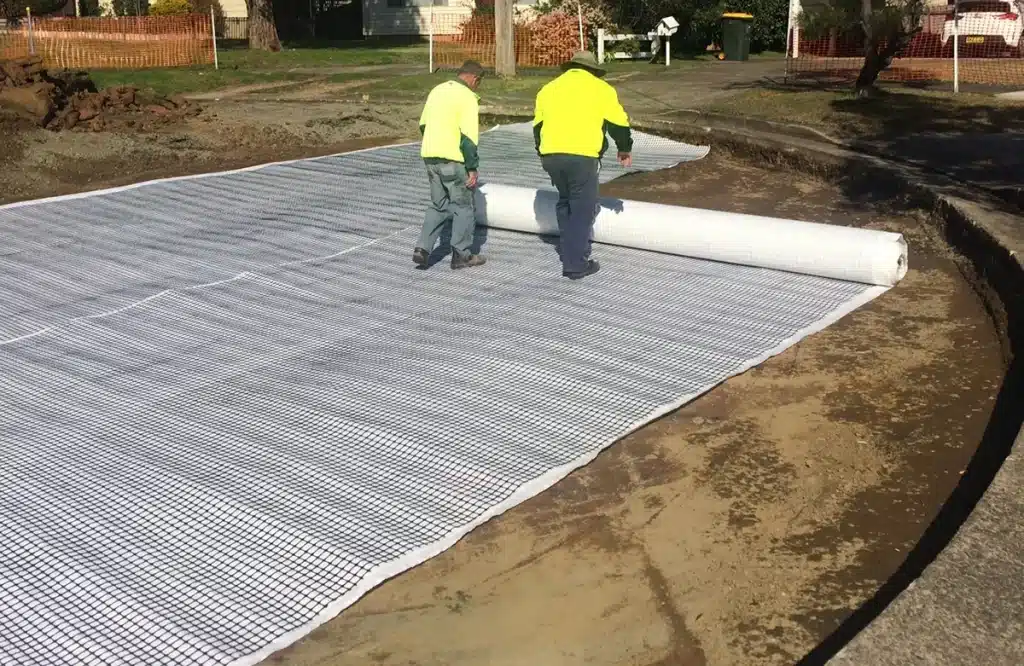
Geocomposite drainage layers are widely used in roads, retaining walls, tunnels, green roofs, and especially in landfill and foundation drainage applications where long-term water control is essential. Their lightweight structure, fast installation, and predictable performance make them increasingly preferred over traditional drainage aggregates. Looking ahead, trends such as sustainable construction, higher performance standards, and integrated drainage design continue to strengthen the role of the geocomposite drainage layer in future geotechnical and environmental engineering projects.
Get Free Sample
We’ll respond as soon as possible(within 12 hours)