

+86-159 9860 6917
info@geofantex.com
geofantex@gmail.com
+86-400-8266163-44899
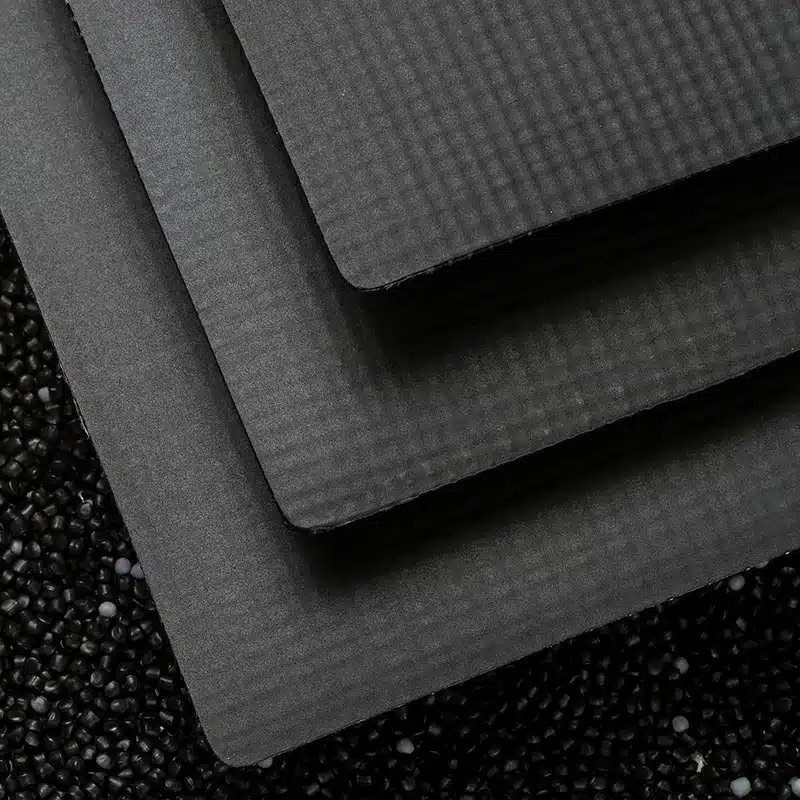
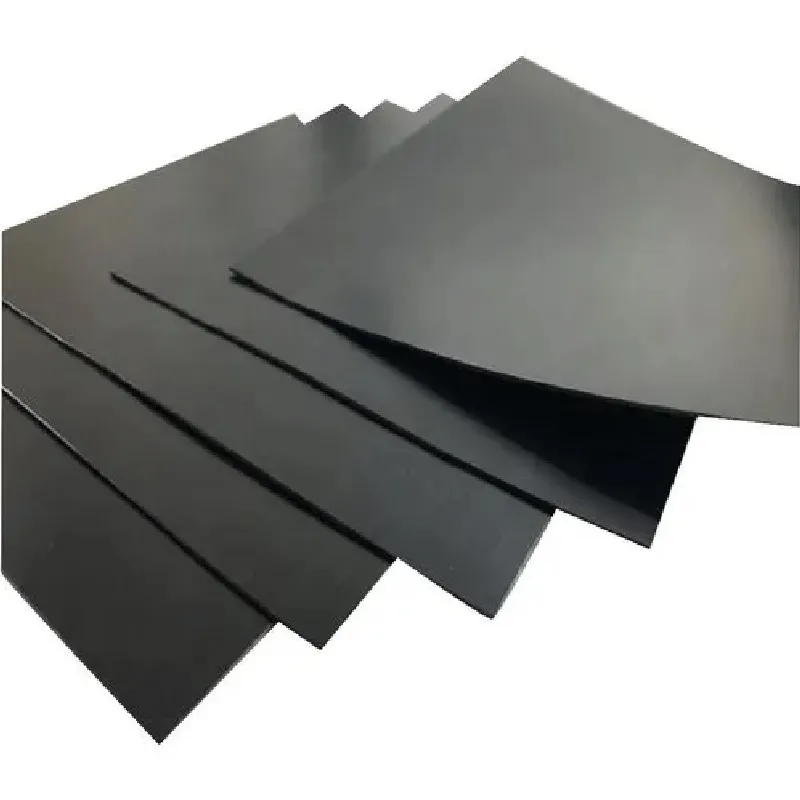
An impermeable membrane is a geosynthetic barrier used to control liquid migration in wastewater treatment, mining, landfills, and water containment projects. For engineers and buyers, selecting the appropriate material requires evaluating chemical compatibility, flexibility, thickness, installation requirements, and project costs. HDPE, LLDPE, and PVC geomembranes, along with geosynthetic clay liners (GCLs), offer different characteristics that should be assessed against actual site conditions.
Impermeable Membrane Types and Material Differences
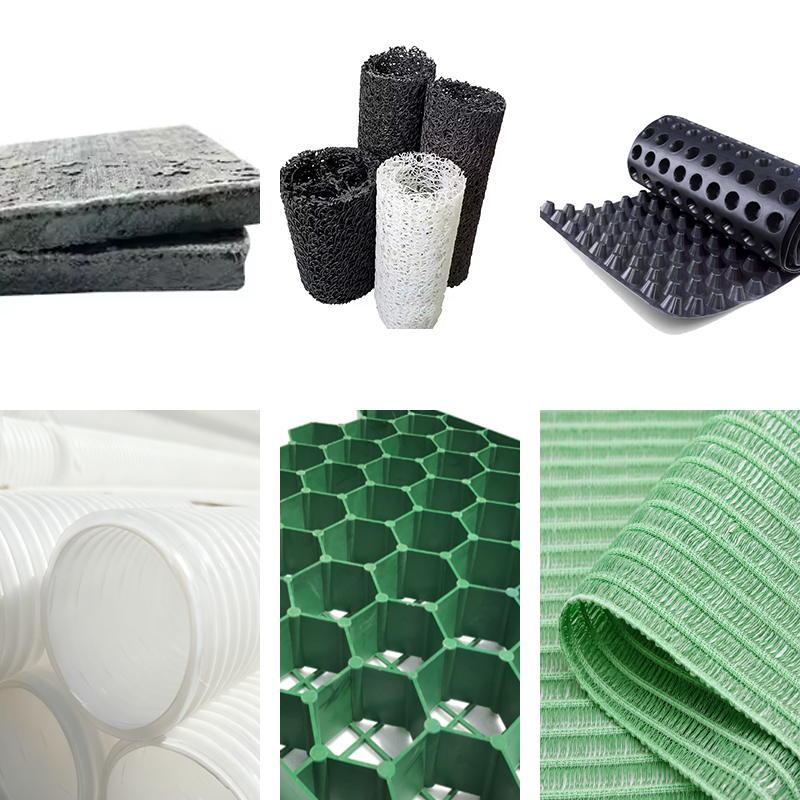
The most common geosynthetic barrier materials include HDPE, LLDPE, PVC, and GCLs. Each has distinct material properties and installation requirements that influence its suitability for different containment applications.
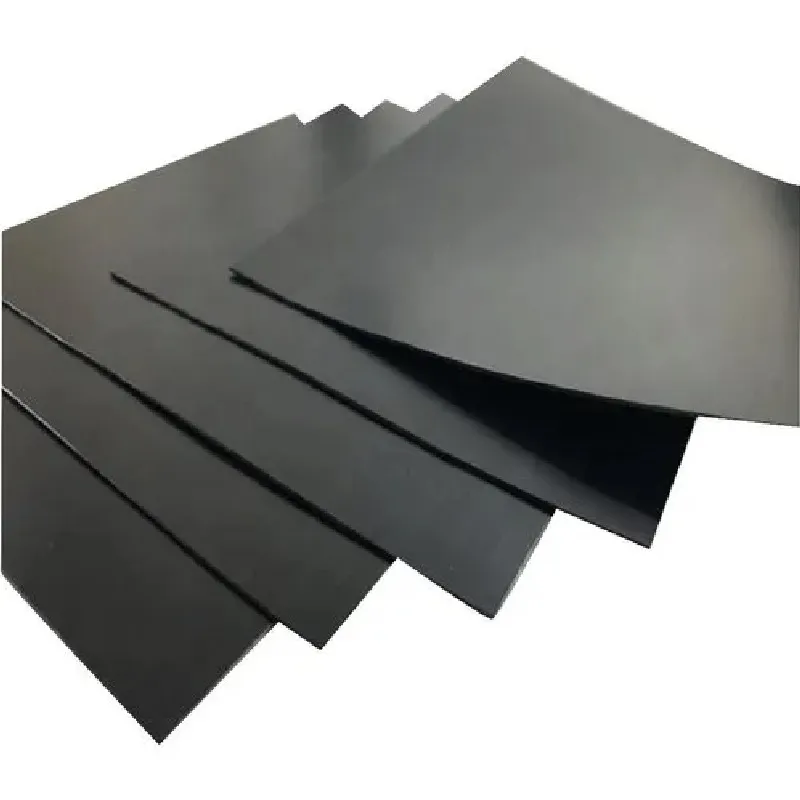
HDPE geomembranes offer relatively high stiffness and resistance to many chemicals, making them widely specified for wastewater ponds, landfill liners, and mining containment systems. However, their lower flexibility requires careful installation around corners, penetrations, and areas subject to settlement. LLDPE geomembranes provide greater flexibility and strain accommodation, making them suitable candidates for irregular subgrades, complex geometries, and projects where ground movement is anticipated.
PVC geomembranes are flexible and can accommodate complex installation details, although their suitability depends on formulation, chemical exposure, temperature, and long-term material stability. Geosynthetic clay liners (GCLs) use bentonite clay to form a low-hydraulic-conductivity barrier under appropriate hydration and confinement conditions. They are frequently incorporated into composite containment systems rather than used as direct substitutes for polymeric geomembranes.
Buyers comparing these materials can review impermeable membrane material options for containment projects to identify suitable specifications before requesting a quotation.
Impermeable Membrane Selection for Wastewater Treatment
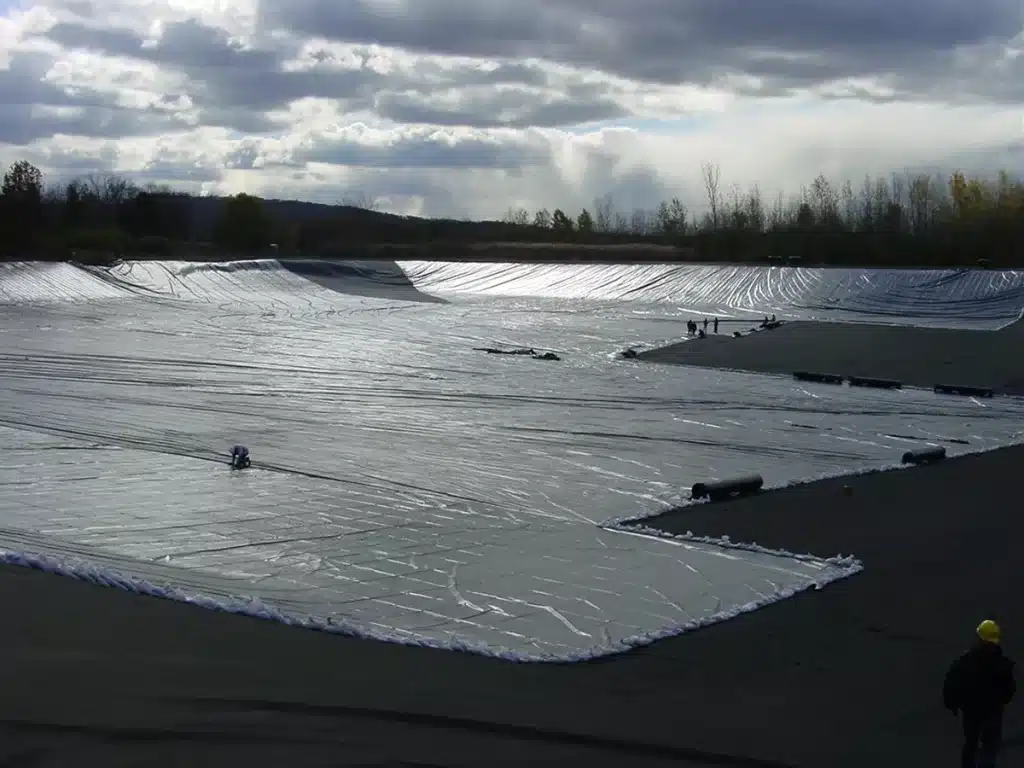
Wastewater treatment facilities require barrier systems that limit seepage and protect surrounding soil and groundwater. HDPE geomembranes are commonly considered for industrial wastewater ponds, treatment lagoons, and sludge containment areas because of their resistance to many chemicals. However, material selection must account for wastewater composition, operating temperature, hydraulic head, and potential exposure to cleaning chemicals. LLDPE may be considered where irregular pond geometry or anticipated settlement makes additional flexibility desirable.
Important selection factors include:
- Wastewater chemical composition and operating temperature
- Subgrade preparation and potential settlement
- Hydraulic loading and expected service conditions
- Seam welding, testing, and installation accessibility
- Required thickness and applicable technical standards
The appropriate liner thickness must be determined through engineering evaluation rather than selected solely based on the application. Installation quality, seam integrity, and compatibility with the contained liquid are equally important to overall containment performance.
Geomembrane Selection for Mining Containment
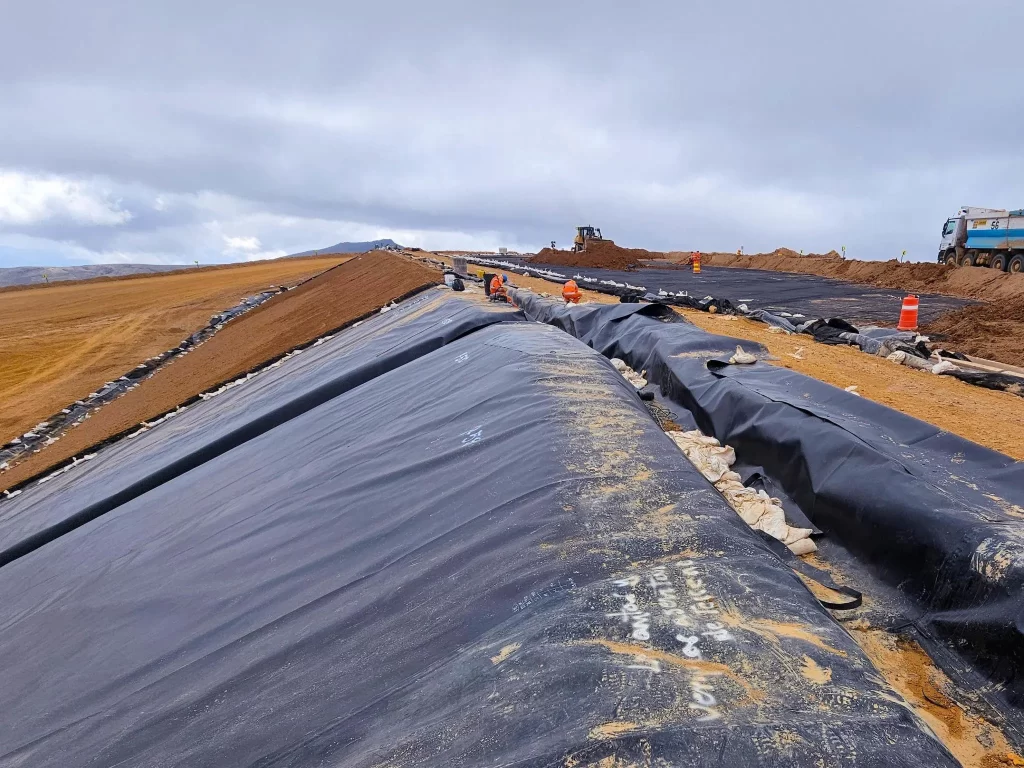
Mining applications can involve chemically aggressive liquids, high mechanical loads, and demanding installation environments. HDPE geomembranes are commonly evaluated for heap leach pads, process solution ponds, and other mining containment facilities. Their suitability depends on the chemical composition of the contained liquids and the anticipated mechanical and thermal conditions. LLDPE geomembranes may offer advantages where flexibility and strain accommodation are important, although puncture resistance, interface shear strength, and chemical compatibility still require verification.
For mining projects, impermeable membrane specifications for mining containment should be reviewed alongside site-specific engineering requirements. Critical considerations include chemical concentration, pH, operating temperature, applied loads, puncture protection, slope stability, and interface shear resistance. Exposure to sunlight, temperature fluctuations, seam integrity, and construction quality assurance must also be considered. Protective geotextiles and suitable drainage layers may be necessary as part of the overall containment design.
Smooth vs. Textured Geomembranes
Surface texture is another important selection factor. Smooth geomembranes are commonly used in relatively flat containment areas where interface shear requirements can be satisfied. Textured geomembranes, by contrast, are considered for slopes and interfaces requiring greater frictional resistance. However, textured surfaces do not automatically guarantee slope stability.
Engineers should evaluate interface shear test results, slope geometry, normal stress, and adjacent materials before selecting the surface configuration. The final choice should reflect the overall liner system design rather than surface texture alone.
Thickness and Technical Specifications
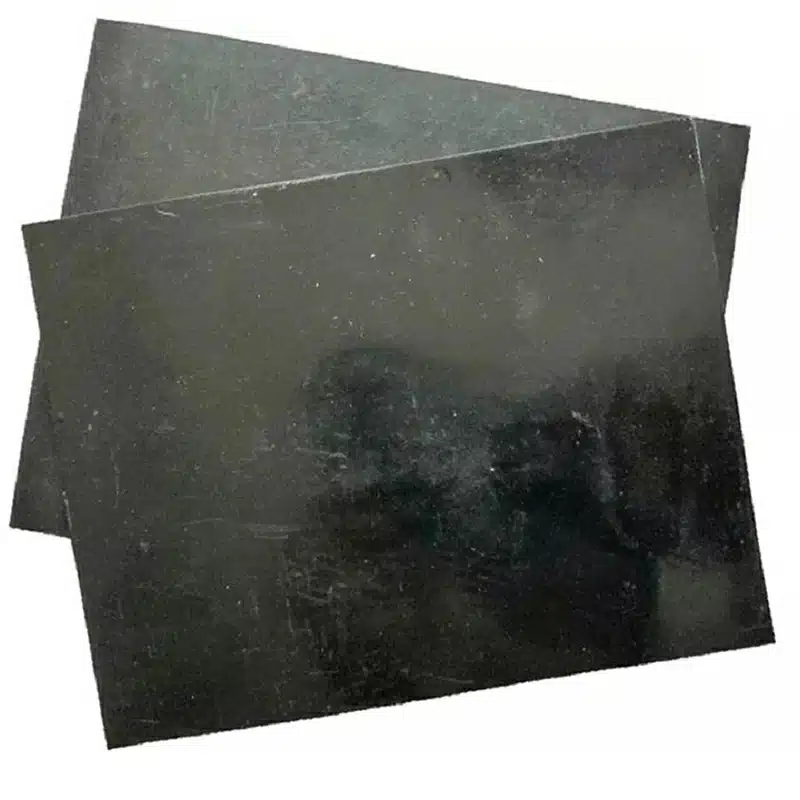
Common nominal thicknesses for polyethylene geomembranes include 1.0 mm, 1.5 mm, 2.0 mm, and 2.5 mm. Thicker sheets may provide additional mechanical robustness, but thickness alone does not determine containment performance. Material properties, dimensional tolerances, seam performance, and installation quality should be evaluated together.
For HDPE geomembranes, GRI-GM13 is a commonly referenced material specification, while GRI-GM17 addresses LLDPE geomembranes. Project requirements may also reference ASTM or ISO test methods. The appropriate specifications should be confirmed against the project’s engineering and regulatory requirements.
Information Required for a Geomembrane Quotation
To recommend an appropriate product, Geofantex needs sufficient information about the intended application and operating environment. Buyers should provide the project location, containment application, liquid composition, preferred material, required thickness, surface type, and estimated quantity in square meters.
Additional details, including applicable engineering standards, preferred roll dimensions, delivery destination, and installation conditions, can help refine product selection. Where material selection remains uncertain, project drawings, operating conditions, and technical requirements can support a preliminary product assessment.
Explore impermeable membrane solutions for wastewater and mining projects when preparing your technical inquiry.
Choosing the correct geosynthetic barrier requires comparing polymer properties, chemical compatibility, installation conditions, and project-specific performance requirements. HDPE, LLDPE, PVC, and GCL systems each offer different characteristics, and material selection should be supported by engineering evaluation, documented material properties, and applicable project specifications.
Contact Geofantex with your project details to discuss available geomembrane options, technical documentation, and quotation requirements.
Get Free Sample
We’ll respond as soon as possible(within 12 hours)