

+86-159 9860 6917
info@geofantex.com
geofantex@gmail.com
+86-400-8266163-44899
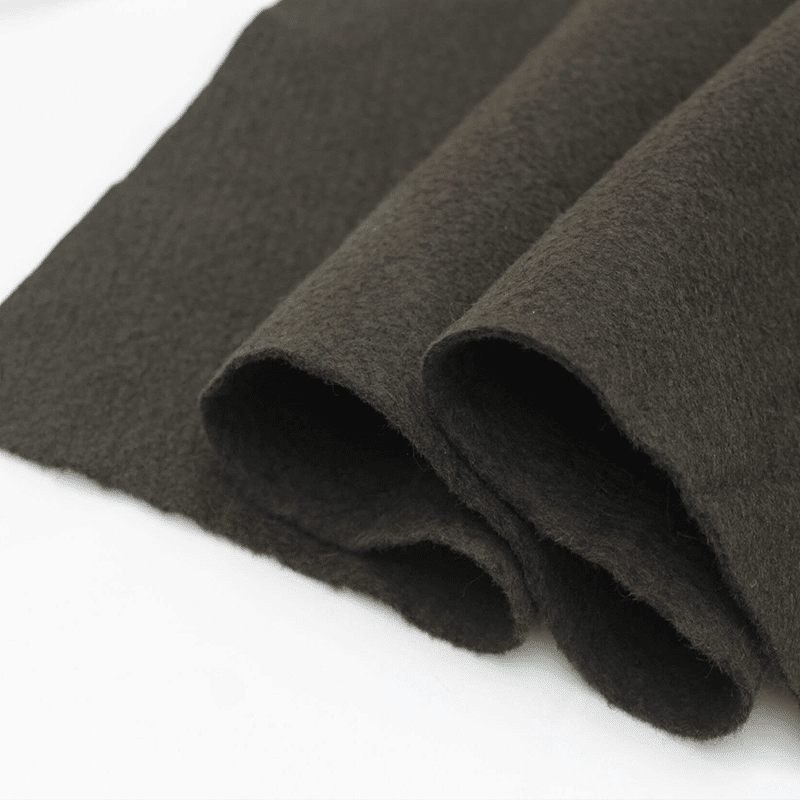
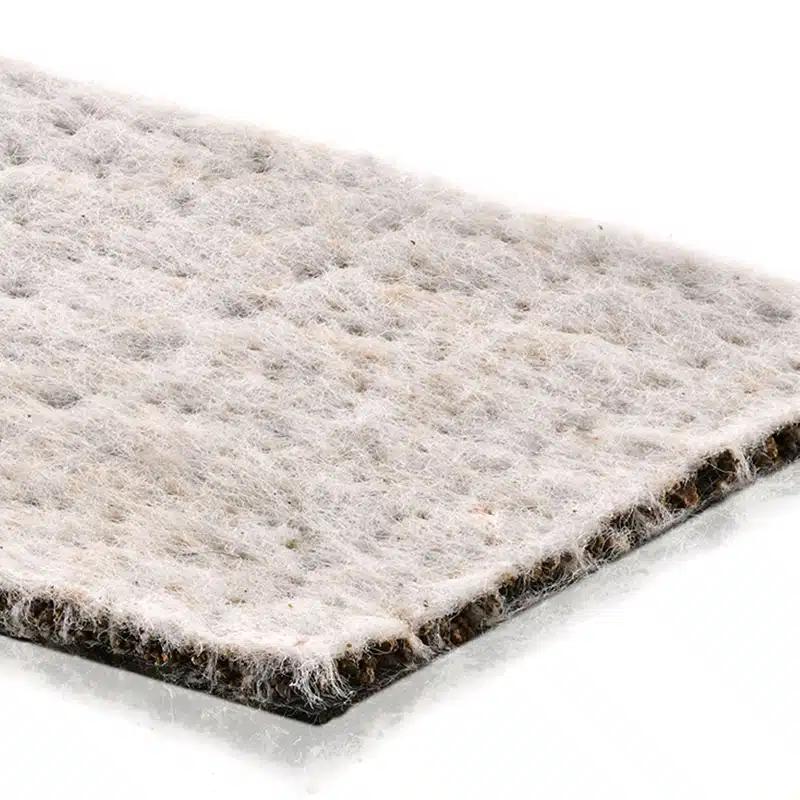
Nonwoven geotextile fabric is a reliable engineering material used for soil separation, drainage, filtration, and ground stabilization. Widely applied in retaining walls, road construction, erosion control, and landscaping projects, it helps maintain structural stability, extend service life, and reduce maintenance costs. Understanding its differences from conventional landscape fabric enables contractors, distributors, and project buyers to select the right material for specific site conditions.
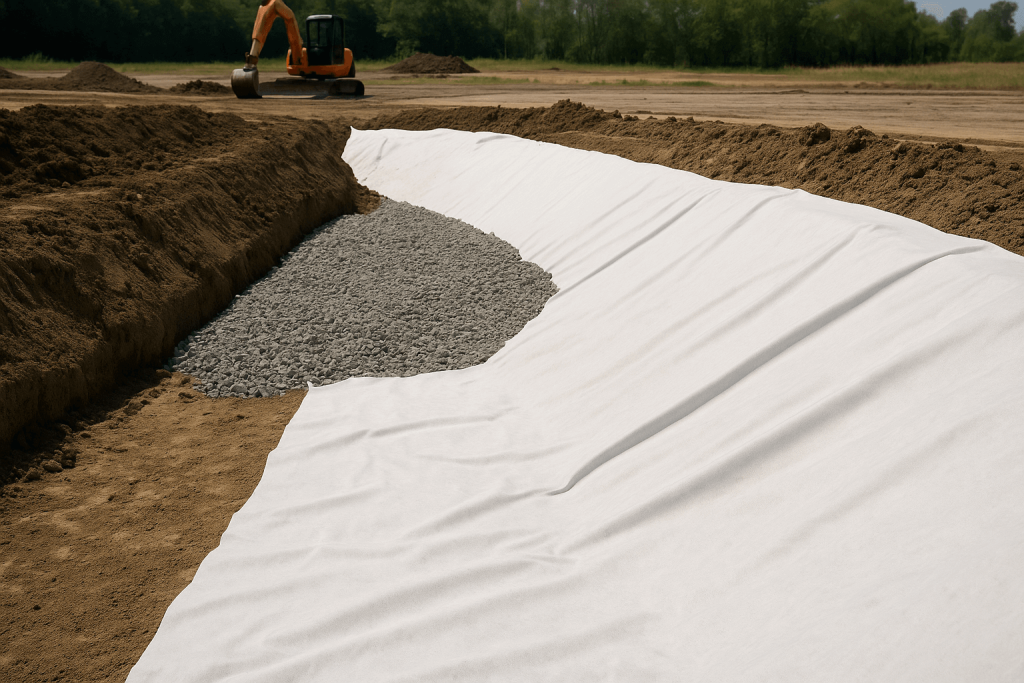
Nonwoven Geotextile Fabric vs. Landscape Fabric: What’s the Difference?
Although these materials may look similar, their primary functions and performance requirements differ.
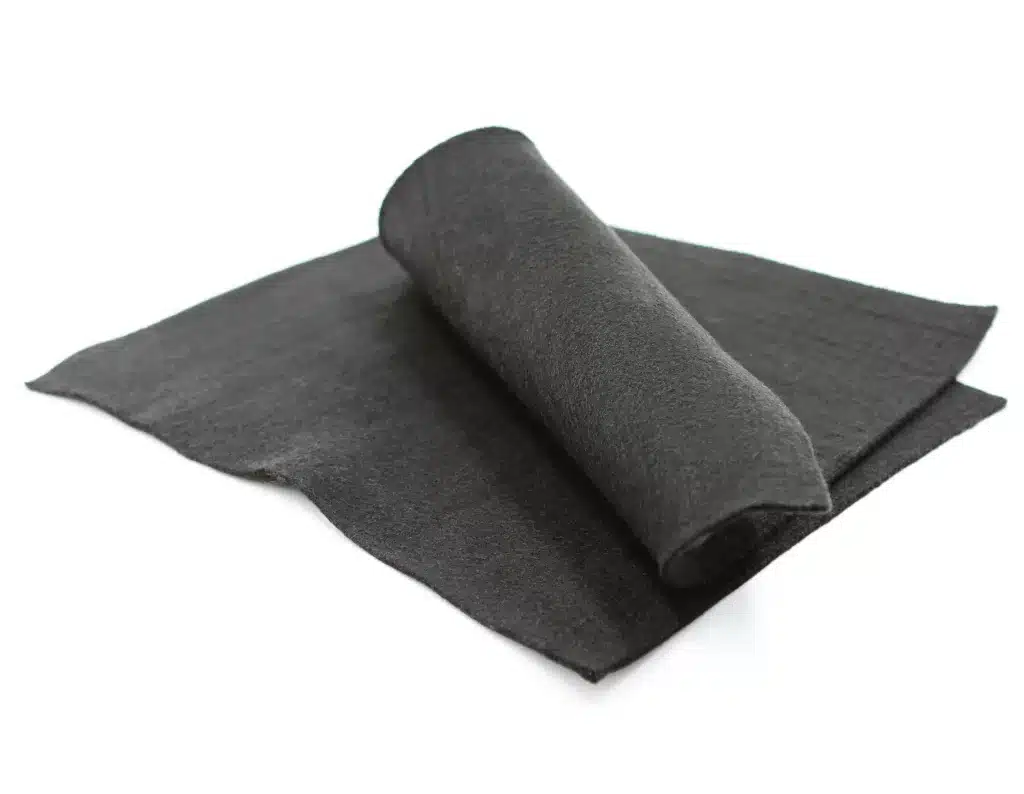
Engineering-grade nonwoven geotextiles consist of bonded synthetic fibers, typically polypropylene or polyester. Their permeable structure allows water to pass through while retaining soil particles, making them suitable for civil engineering and drainage applications.
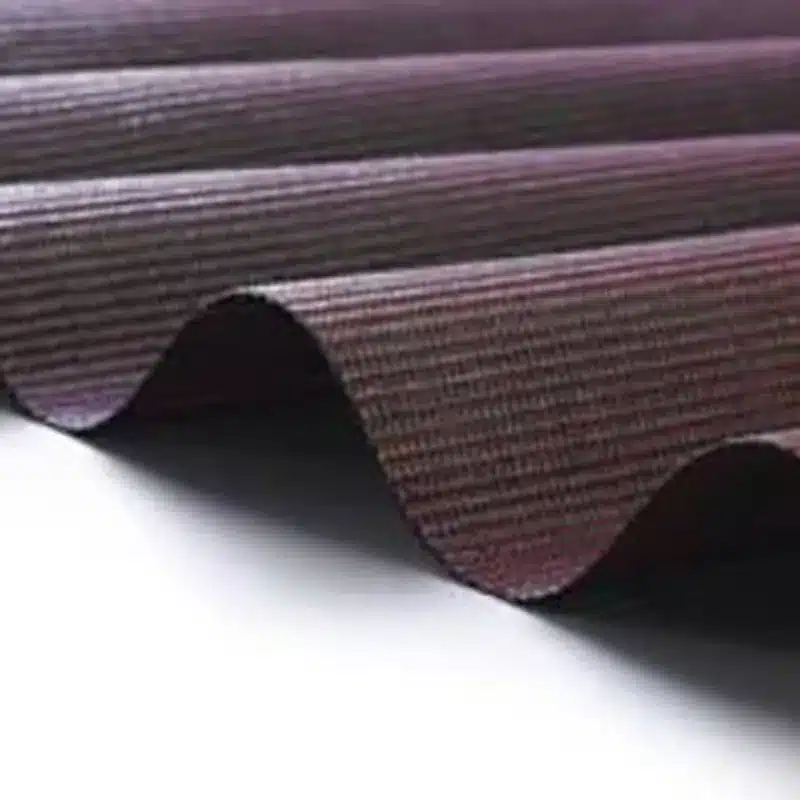
Conventional landscape fabric is primarily designed for weed suppression and light-duty landscaping. It is commonly installed beneath mulch, decorative gravel, and planted areas.
While both materials can support landscaping projects, engineering-grade geotextiles are manufactured to meet specific requirements for permeability, tensile strength, puncture resistance, and filtration performance.
When Should You Use Nonwoven Geotextile Fabric Instead of Landscape Fabric?
Nonwoven materials are particularly suitable for projects requiring reliable drainage, soil retention, and long-term separation performance.
Typical applications include:
- Retaining walls: Separates backfill soil from drainage aggregates and helps maintain effective water flow.
- French drains: Filters soil particles and reduces the risk of drainage system clogging.
- Road foundations: Prevents mixing between subgrade soil and aggregate layers.
- Erosion control systems: Provides filtration and soil retention beneath protective materials.
- Landscaped foundations: Maintains separation between soil, gravel, and other construction materials.
For garden beds and decorative areas where weed suppression is the primary objective, conventional landscape fabric may be sufficient.
Can Nonwoven Geotextile Fabric Be Used for Landscaping Projects?
Yes. Its permeability, flexibility, and filtration properties make it suitable for residential, commercial, and infrastructure landscaping applications.
- Weed Suppression: Limits sunlight penetration while allowing water and air to reach the soil.
- Drainage Enhancement: Supports efficient water movement and helps prevent fine soil particles from entering drainage aggregates.
- Soil Stabilization: Maintains aggregate separation and supports the stability of pathways, patios, and driveways.
- Erosion Prevention: Helps retain soil beneath erosion protection systems on slopes and embankments.
- Layer Separation: Prevents soil from mixing with decorative stones or gravel, preserving surface appearance and reducing maintenance.
Selecting an appropriate non-woven geotextile fabric can improve landscape performance, particularly in areas exposed to rainfall, weak subgrade conditions, or frequent surface loading.

How to Choose Between Woven and Non-Woven Geotextiles for Landscaping
The choice between woven and nonwoven materials depends on project requirements, soil characteristics, drainage conditions, and expected loads.
Water Permeability and Filtration
Nonwoven geotextile fabric generally provides excellent water permeability and filtration, making it suitable for subsurface drainage and retaining wall applications.
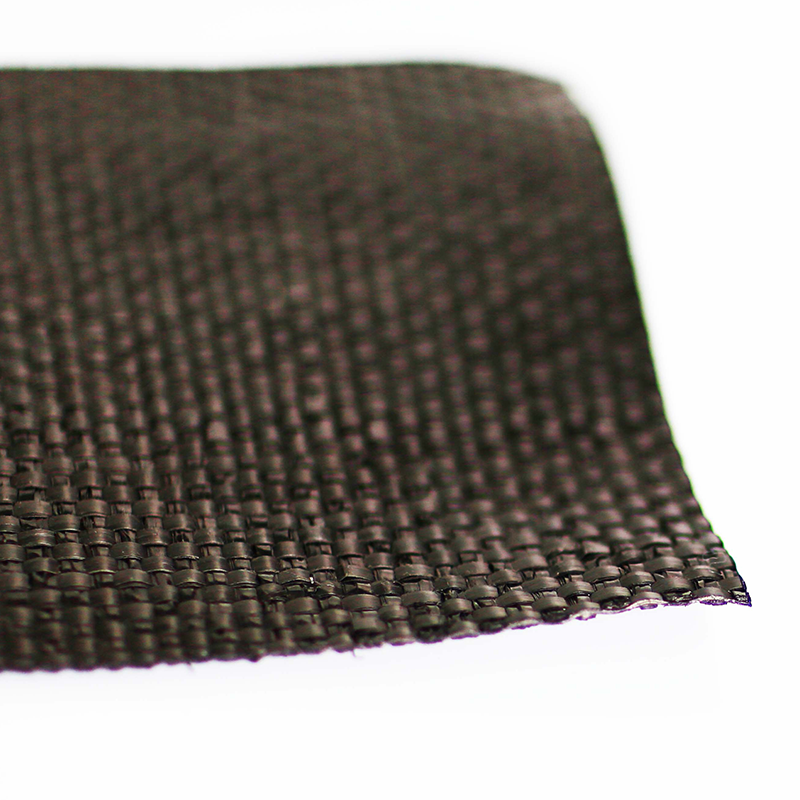
Woven geotextiles offer varying levels of permeability depending on their yarn structure and manufacturing method.
Strength and Load Requirements
Woven materials are commonly selected for applications requiring high tensile strength and low elongation, including access roads, driveways, and reinforced foundations.
Nonwoven fabrics provide effective separation, filtration, and cushioning while accommodating irregular ground surfaces.
Durability and Installation
Both materials can provide long-term performance when properly specified and installed. UV resistance depends on polymer composition, stabilizers, and exposure conditions.
Nonwoven fabrics are generally flexible and easy to cut, while woven materials are often preferred where higher reinforcement performance is required.
What Should You Consider When Selecting Geotextile Fabric?
Choosing the correct material requires evaluating several technical parameters rather than relying solely on fabric weight or appearance.
Key selection criteria include:
- Material composition and mass per unit area (g/m²)
- Tensile strength and elongation
- Water permeability and characteristic opening size
- Puncture resistance and installation survivability
- Soil characteristics and anticipated loading conditions
- Applicable project specifications and testing standards
For engineering applications, these properties should be evaluated against relevant ASTM, ISO, or EN standards and project-specific requirements.
Nonwoven geotextile fabric provides an effective solution for landscaping, drainage, soil separation, and civil engineering applications. Compared with conventional landscape fabric, it offers more clearly defined engineering performance for demanding site conditions.
By selecting the appropriate geotextile material based on filtration, permeability, strength, and installation requirements, contractors and project buyers can improve infrastructure reliability, minimize maintenance, and achieve long-term project performance.

Get Free Sample
We’ll respond as soon as possible(within 12 hours)