

+86-159 9860 6917
info@geofantex.com
geofantex@gmail.com
+86-400-8266163-44899
Road fabric is a geotextile material used in road construction to separate soil from aggregate, provide filtration, and maintain the integrity of pavement foundation layers. Choosing the right product requires an understanding of its intended function and the project’s specific conditions.
Woven and nonwoven geotextiles offer different mechanical and hydraulic properties. Engineers, contractors, and procurement teams should compare material specifications, subgrade conditions, traffic requirements, and installation methods before placing an order.
What Is Road Fabric Used for in Road Construction?
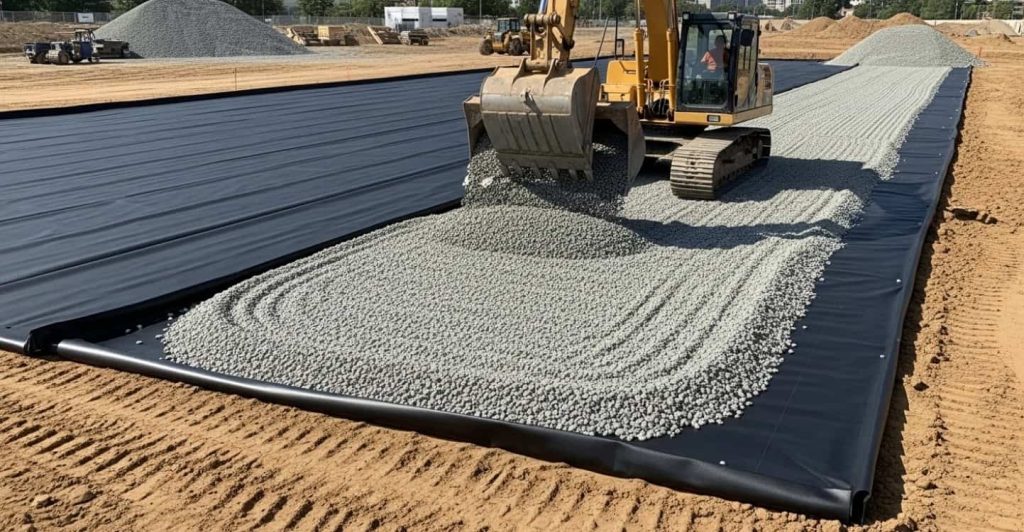
Geotextiles perform several functions in road construction, including separation, filtration, drainage, and stabilization. When installed between the subgrade and aggregate base, they help prevent soil particles from contaminating the aggregate, preserving the intended structure of the pavement foundation.
For unpaved roads and construction access routes, suitable geotextiles can help limit aggregate intrusion into weak subgrades and reduce maintenance requirements. In drainage applications, permeable fabrics allow water to pass while retaining soil particles.
Selecting the appropriate road fabric for gravel roads depends on subgrade strength, aggregate characteristics, expected traffic loads, and the primary engineering function required.
Woven vs. Nonwoven Road Fabric: Which Should You Choose?
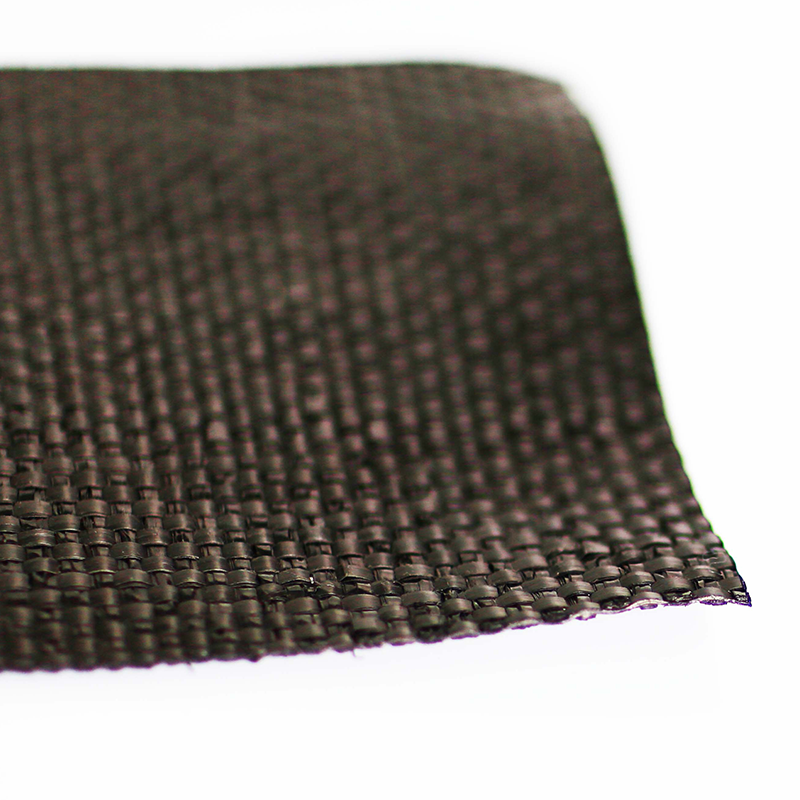
Woven geotextiles are manufactured from interlaced synthetic yarns or tapes. They are commonly specified for separation and stabilization beneath aggregate roads, particularly where tensile performance and dimensional stability are important. Their hydraulic properties depend on the fabric construction.
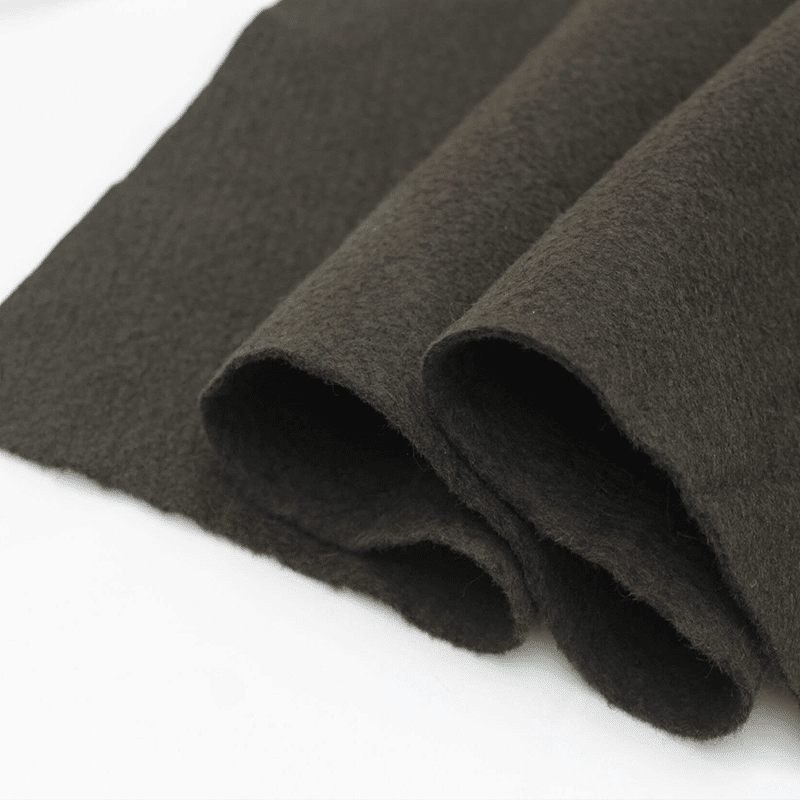
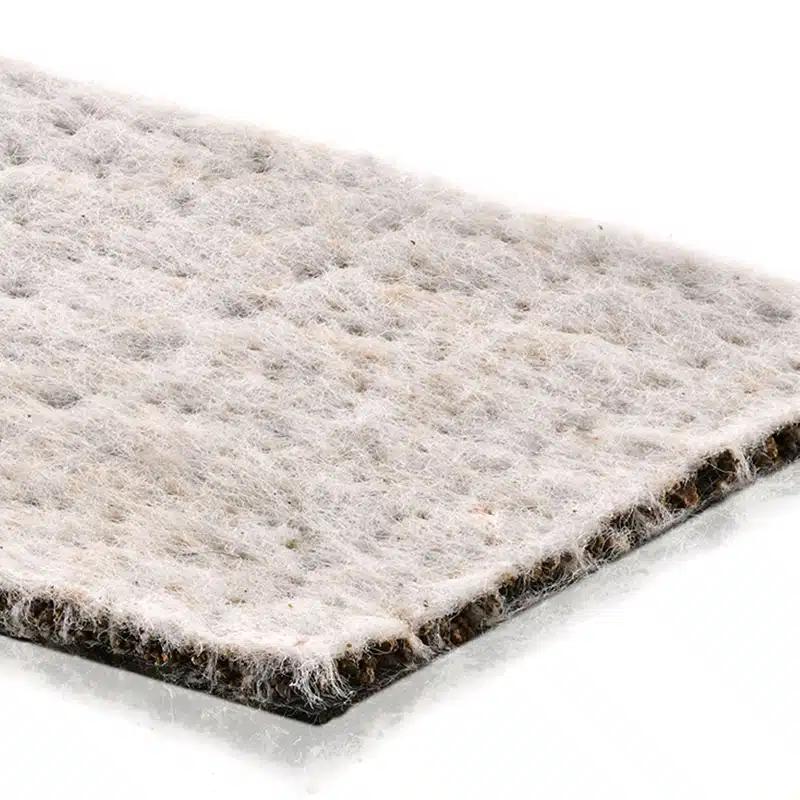
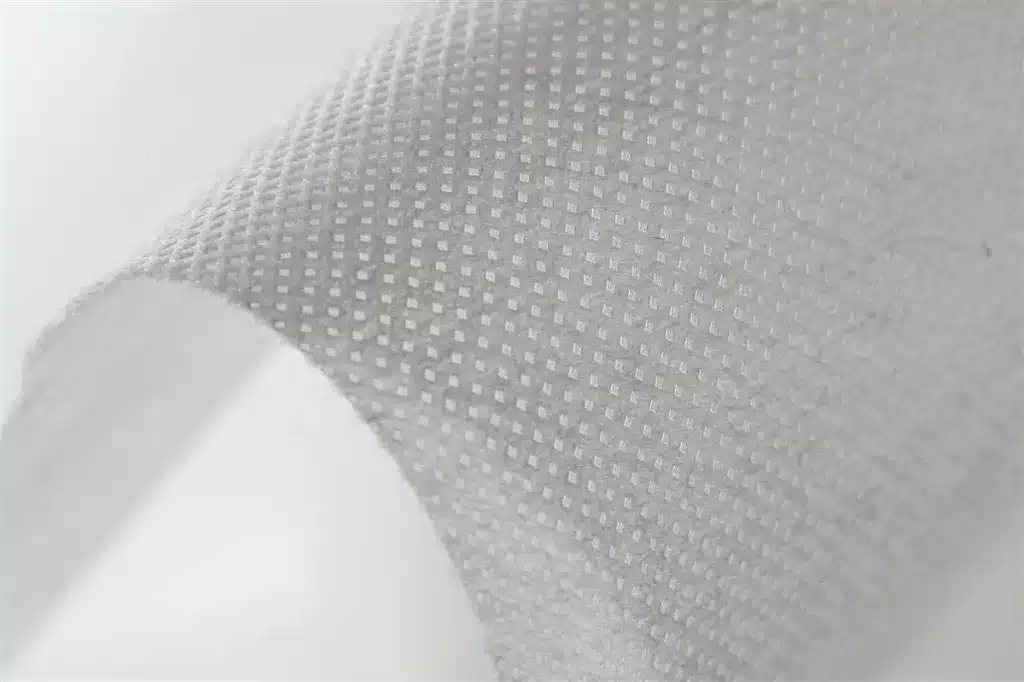
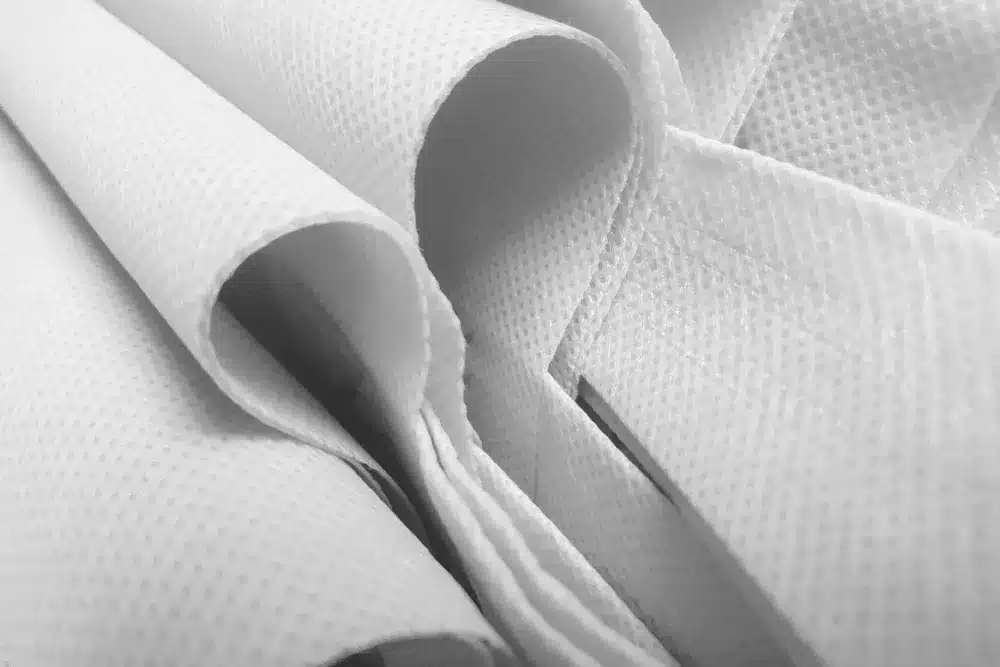
Nonwoven geotextiles typically consist of needle-punched or bonded synthetic fibers. They are widely used for filtration, drainage, separation, and protection. Their permeability and soil retention characteristics make them suitable for many subsurface drainage systems.
When comparing woven road fabric for stabilization with nonwoven road fabric for drainage, consider the required function rather than material weight alone. Some projects may require separate products for reinforcement and filtration.

Which Geotextile Specifications Matter Most?
Tensile strength and elongation help determine mechanical performance under installation and service conditions. Puncture resistance is particularly important when placing angular aggregate or operating construction equipment over the fabric. Mass per unit area is useful for product identification but does not independently establish suitability.
For filtration applications, apparent opening size and permittivity help assess soil retention and water flow. These properties must be evaluated against the characteristics of the surrounding soil and the project’s drainage requirements.
Buyers should request technical data sheets and relevant test results when reviewing road fabric specifications for construction. Applicable ASTM, ISO, EN, or project-specific requirements should guide product acceptance, with test methods and minimum performance values clearly identified.
How Should Buyers Calculate Quantities and Compare Suppliers?
Start by calculating the installation area using the road length and width. Add extra material for overlaps, trimming, irregular boundaries, and installation waste, based on the project drawings and construction specifications. Confirm available roll widths and lengths before finalizing quantities.
When comparing suppliers, evaluate equivalent material specifications, product documentation, roll dimensions, packaging, production lead times, and delivery terms. Assess unit prices alongside freight costs and installation requirements to determine total procurement cost.
Before ordering, provide the intended application, soil conditions, required technical properties, total quantity, and delivery destination. These details help suppliers identify suitable products and prepare comparable quotations.
Selecting the right geotextile for road construction requires matching mechanical and hydraulic properties to project conditions. Woven and nonwoven materials serve different purposes, making technical evaluation essential before purchasing.
Geofantex supplies geotextile solutions for road and infrastructure projects. Contact Geofantex with your project specifications, required quantity, intended application, and delivery destination to receive product recommendations and a tailored quotation.

Get Free Sample
We’ll respond as soon as possible(within 12 hours)