what is geogrid
What is geogrid? Original supply, spot stock, stable performance. Learn benefits and request a quote today.
Tel: +86-411-39569550 | E-mail: info@geofantex.com/geofantex@gmail.com

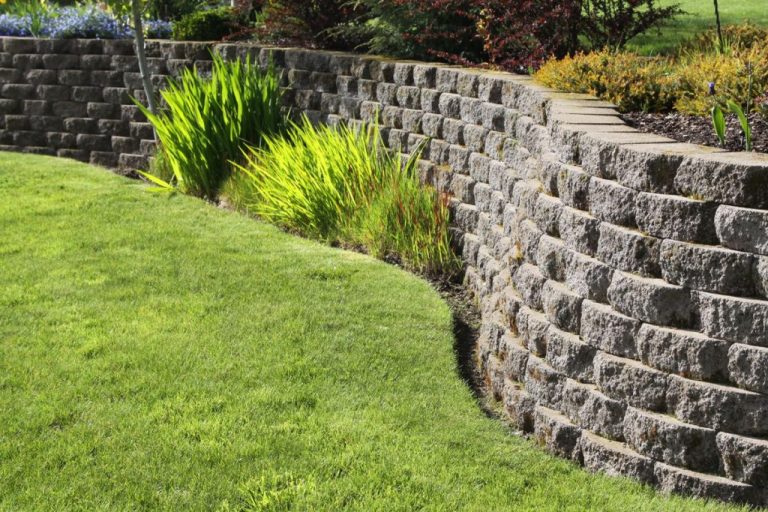
What is geogrid? Original supply, spot stock, stable performance. Learn benefits and request a quote today.
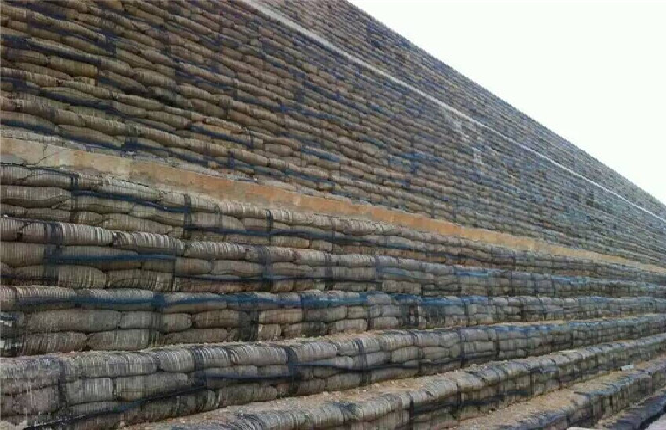
Explore how using a geogrid for retaining wall reinforcement improves soil stability, load distribution, and long-term structural performance.
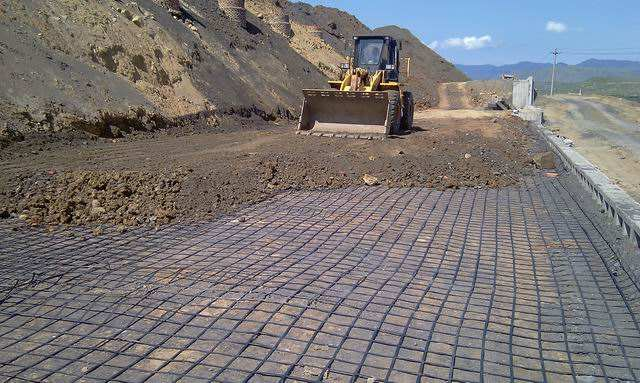
Explore how geogrid fabric enhances roads, slopes, and landfills through real-world geosynthetics case studies.
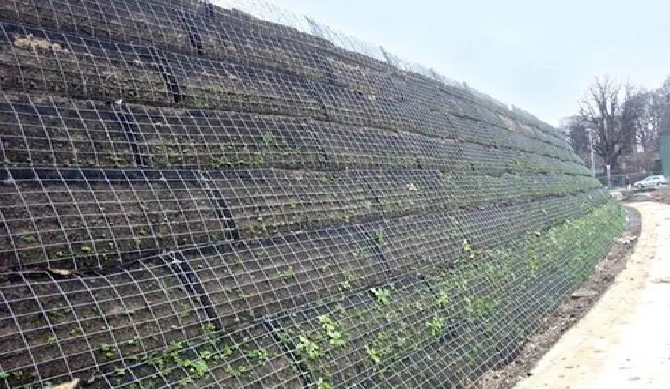
Geogrid retaining wall solutions for better soil stability and erosion control. Learn benefits and installation basics.
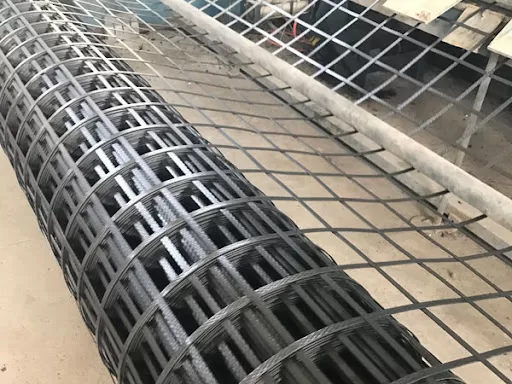
Shop premium geogrid for sale at Geofantex — ideal for soil reinforcement and ground stabilization projects.
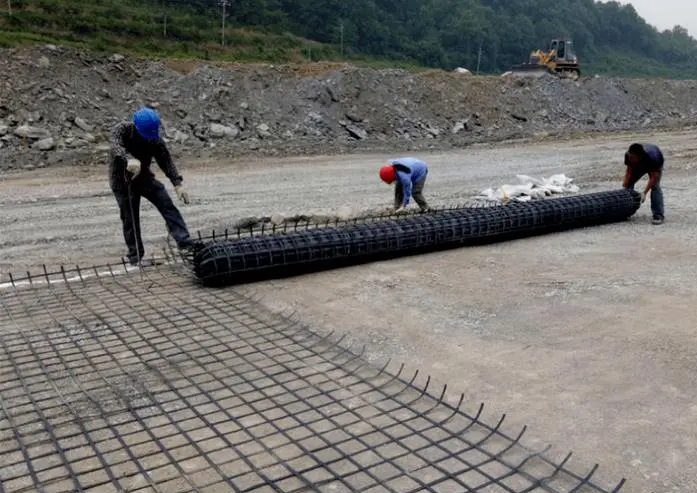
The global geogrid material market is experiencing a notable surge, driven by escalating infrastructure projects.
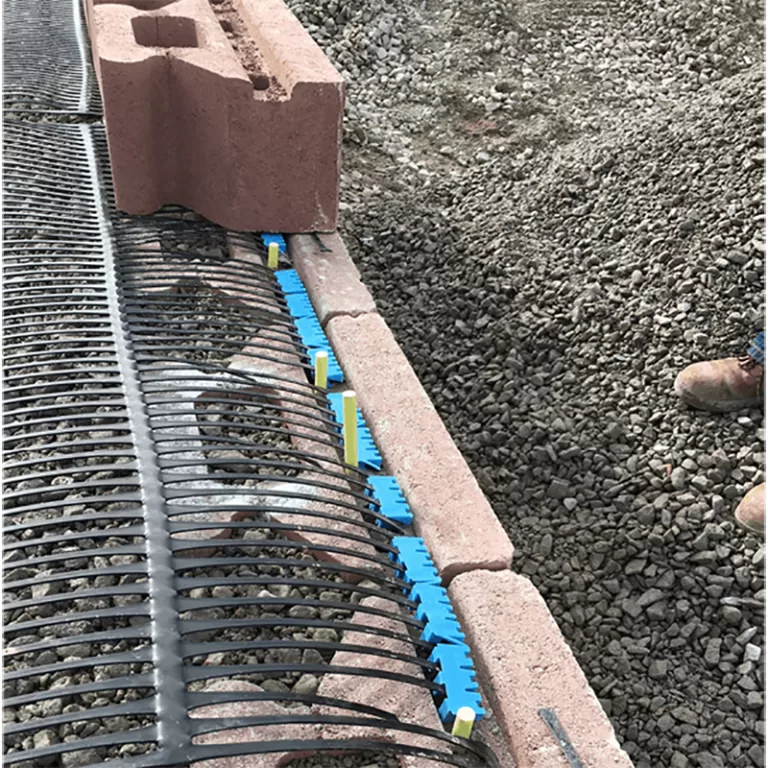
Uniaxial geogrids play a crucial role in modern civil engineering, particularly in soil reinforcement and construction.
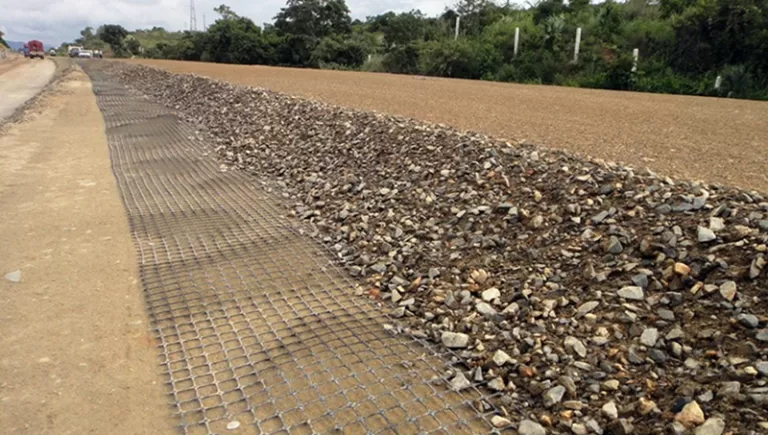
Gravel driveways are a popular choice for many homeowners due to their cost-effectiveness and rustic appeal. However, they can be prone to issues like rutting, shifting, and unevenness over time, especially with regular traffic. A solution to these common problems is the use of geogrid—a geosynthetic material designed to reinforce the gravel driveway’s base. Geogrids provide greater stability, prevent rutting, and keep the gravel in place, significantly reducing long-term maintenance needs.
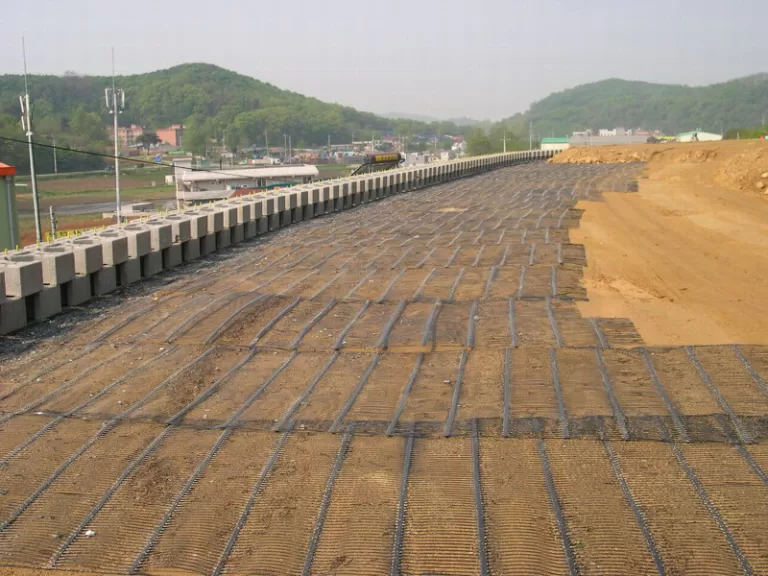
Geogrid fabric has emerged as a critical component in modern road construction and rehabilitation. This innovative material, designed to enhance the structural integrity of roadways, plays a vital role in supporting and distributing loads, improving drainage, and preventing soil erosion. In this article, we’ll explore the various applications of geogrid fabric in road construction, answer common questions about its benefits, and understand its significance in pavement design.
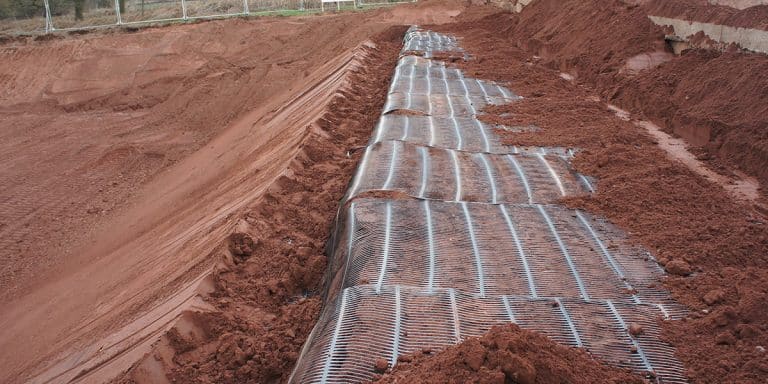
The amount of geogrid required for a retaining wall depends on several factors, including wall height, soil type, and load conditions.
End of content
End of content
WhatsApp us