Enhancing Road Durability with Geogrids: A Modern Construction Marvel

Enhancing Road Durability with Geogrids: A Modern Construction Marvel

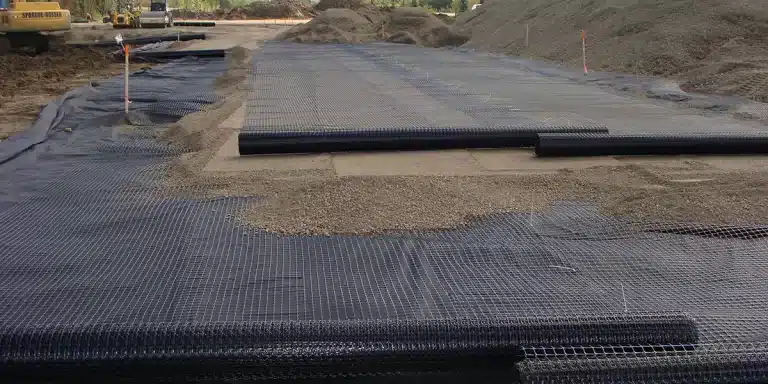
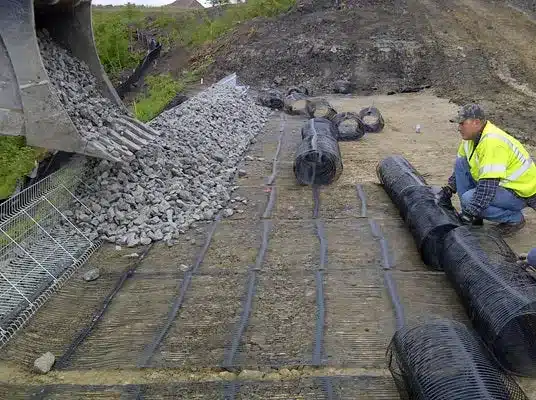
In the ever-evolving field of civil engineering, the quest for more durable, cost-effective, and environmentally friendly construction methods has led to the adoption of innovative materials. Among these, geogrids have emerged as the ideal solution for reinforcing paved roads and aggregate roadways, marking a significant advancement in road construction. This article delves into the essence of geogrids, highlighting their critical application in road construction, the specific role of asphalt geogrids, and the myriad benefits they offer to modern infrastructure projects.
Differences and Characteristics Between Biaxial Geogrid and Uniaxial Geogrid

Differences and Characteristics Between Biaxial Geogrid and Uniaxial Geogrid

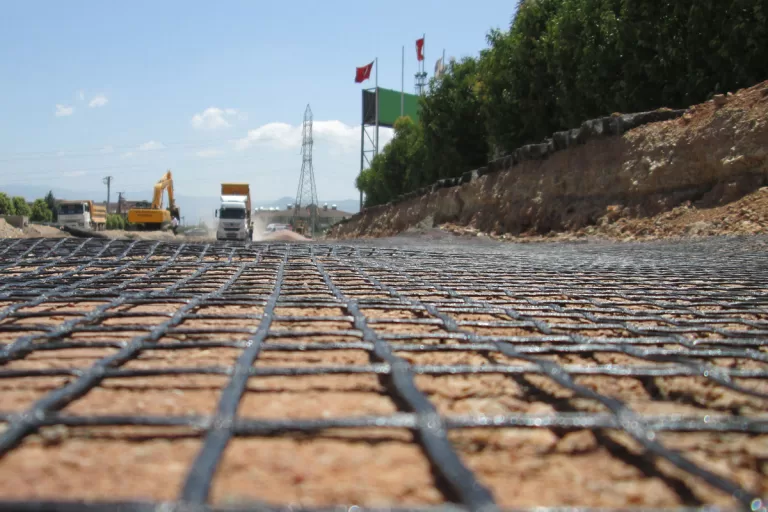
Biaxial geogrids and uniaxial geogrids are the prevailing types of geogrids. A geogrid is characterized as a geosynthetic material comprising interconnected parallel sets of tensile ribs with openings of adequate size to enable the infiltration of surrounding soil, stone, or other geotechnical materials (Koerner 1998). In simpler terms, geogrids can be described as plastic lattice structures with distinct technical properties and functions.

End of content

End of content