

+86-159 9860 6917
info@geofantex.com
geofantex@gmail.com
+86-400-8266163-44899
Geotextile behind retaining wall systems helps contractors and project buyers manage filtration, drainage, and soil separation around retaining structures. Selecting the correct fabric requires more than choosing a roll weight. Soil conditions, water flow, permeability, opening size, strength, and installation requirements should all be reviewed before purchasing. For infrastructure projects, matching these properties to the engineering specification can reduce drainage problems and simplify material procurement.
Why Use Geotextile Behind Retaining Wall Systems?
Water and fine soil migration are common concerns around retaining structures. When groundwater or rainfall moves through the retained soil, fine particles can enter the drainage aggregate and gradually reduce its drainage capacity.
A geotextile behind retaining wall acts as a filtration and separation layer. It allows water to pass through while helping retain soil particles and limiting contamination of the drainage zone.
The fabric can be installed between the soil and drainage aggregate and combined with perforated pipes, drainage boards, or geocomposite drainage products.
For contractors evaluating geotextile behind retaining wall drainage solutions, the required filtration properties should be confirmed based on soil characteristics and project specifications rather than by selecting fabric based on weight alone.
What Fabric Should Be Used Behind a Retaining Wall?
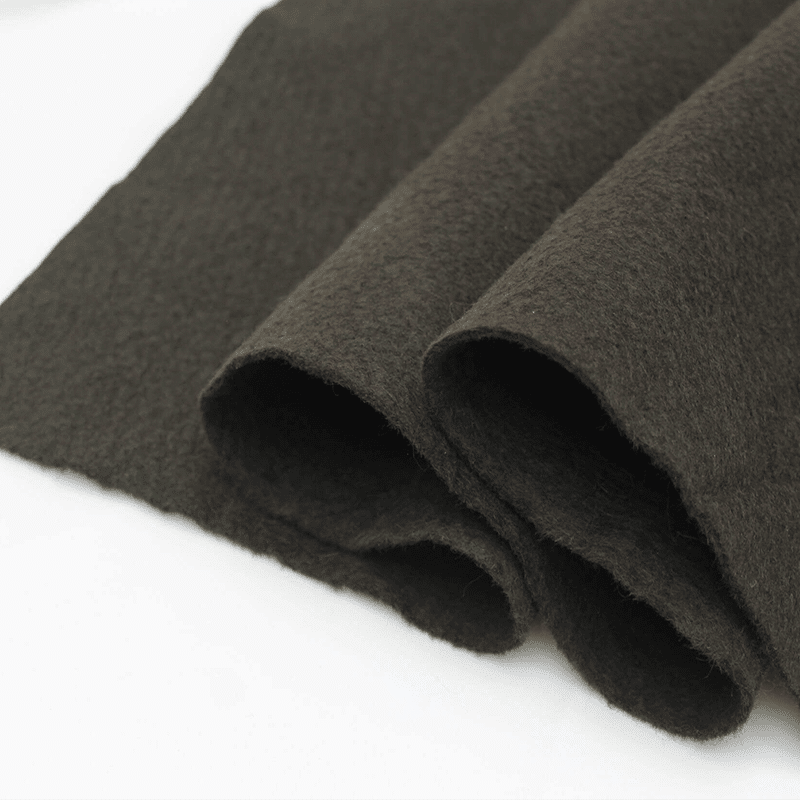
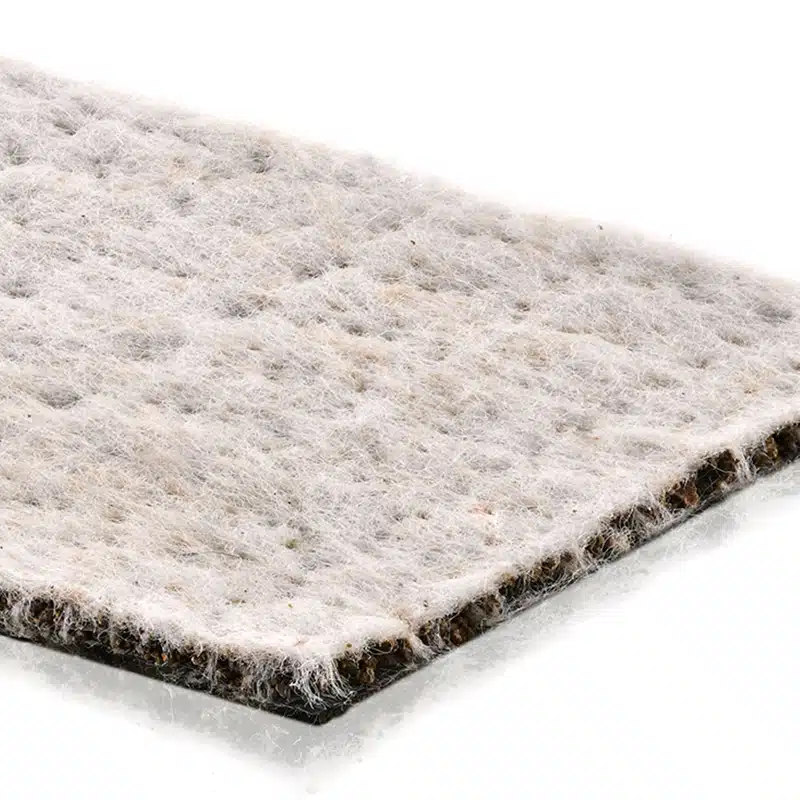
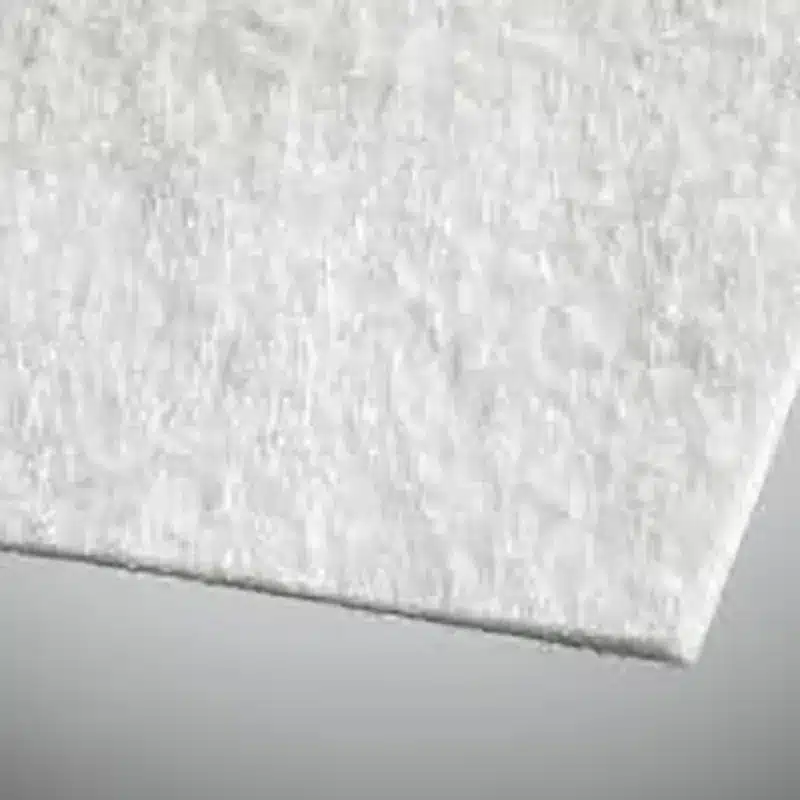
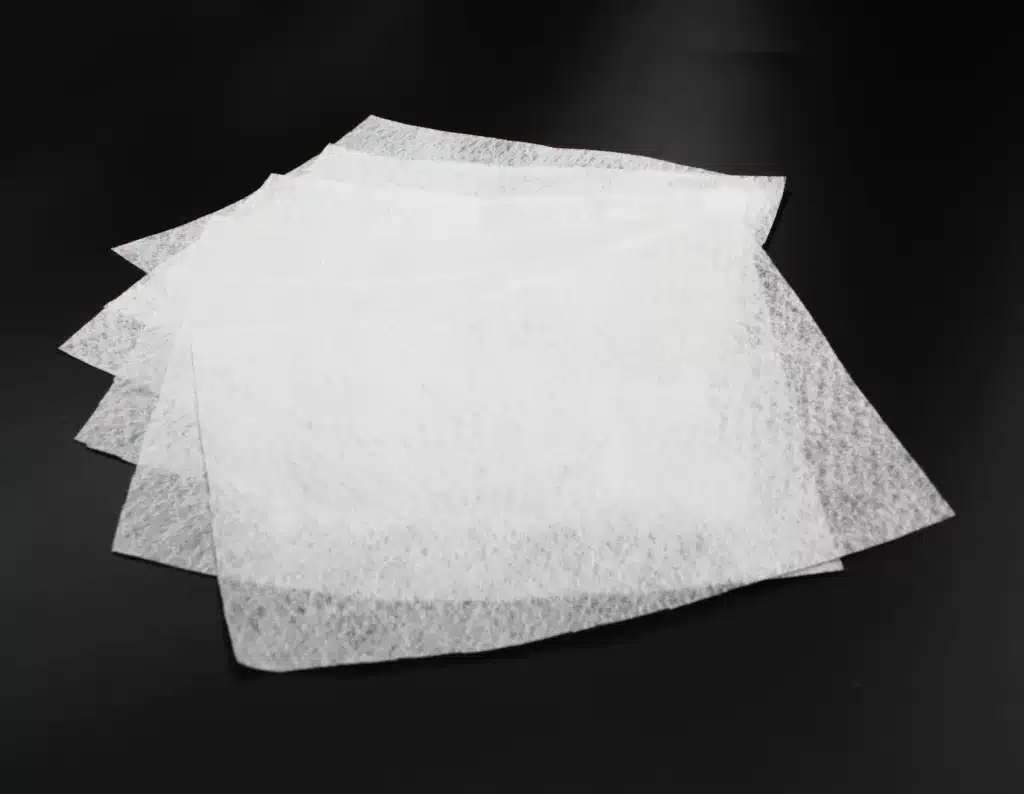
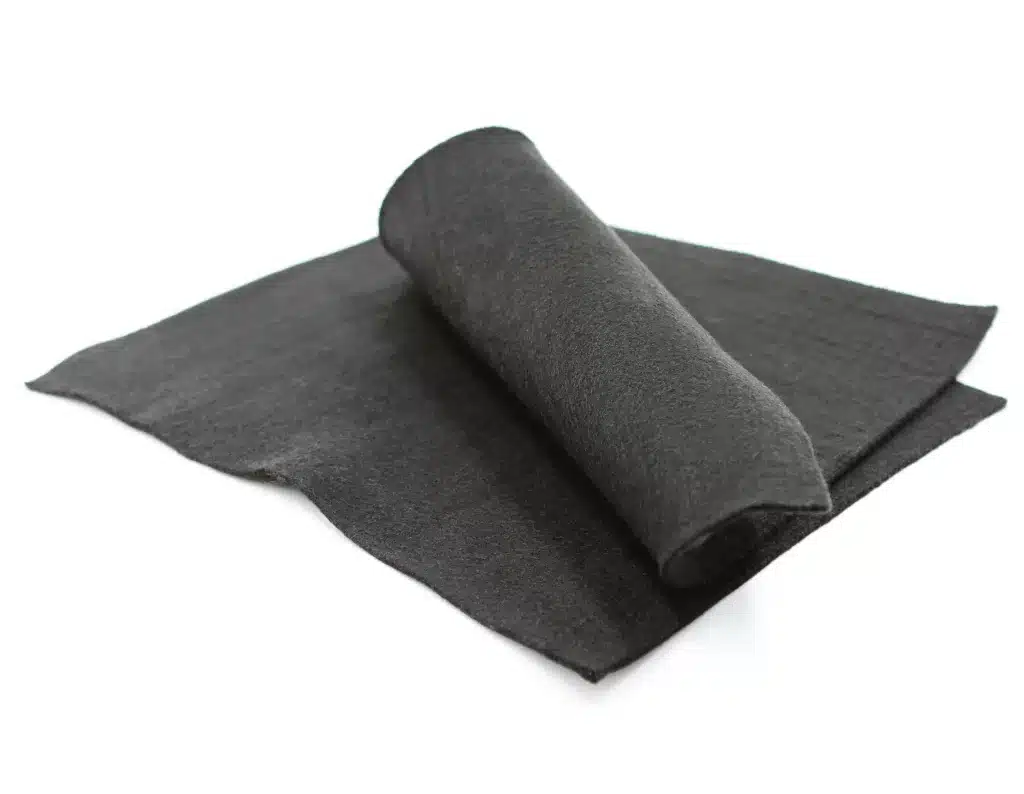
Needle-punched nonwoven polypropylene geotextile is commonly used where filtration and drainage are the primary functions. Its porous structure allows water to pass through while helping prevent fine soil particles from migrating into the drainage layer.
Important purchasing parameters include:
- mass per unit area
- tensile strength
- puncture resistance
- permeability or permittivity
- apparent opening size (AOS)
- roll width and length
- applicable ASTM or ISO test methods
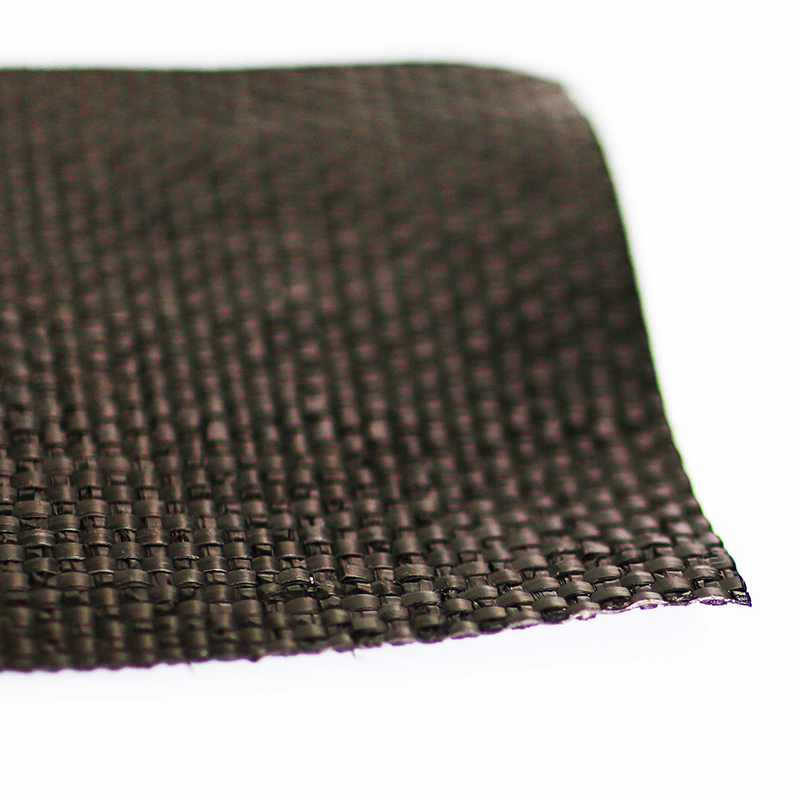
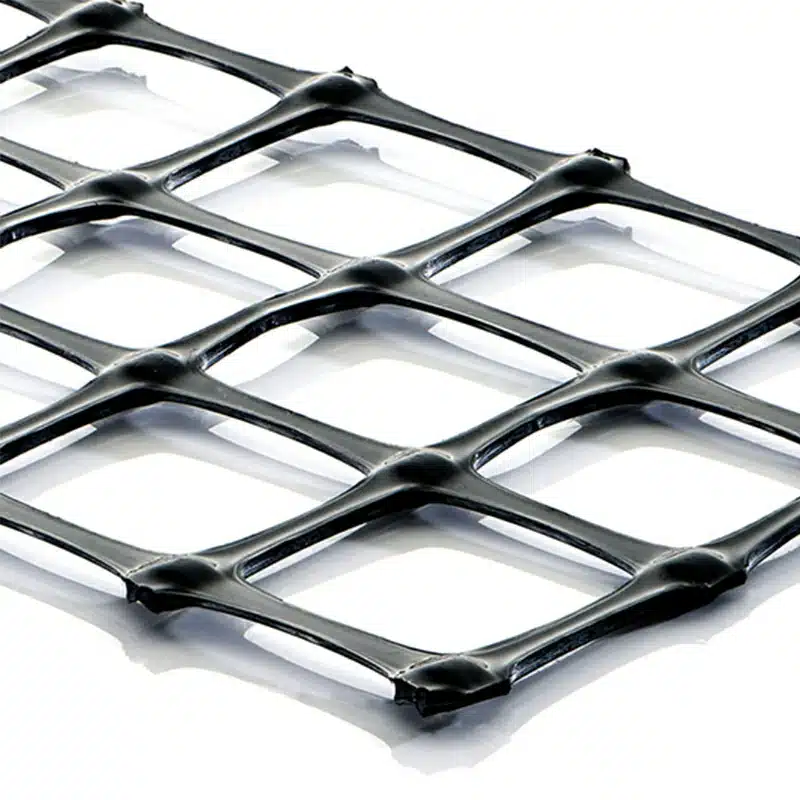
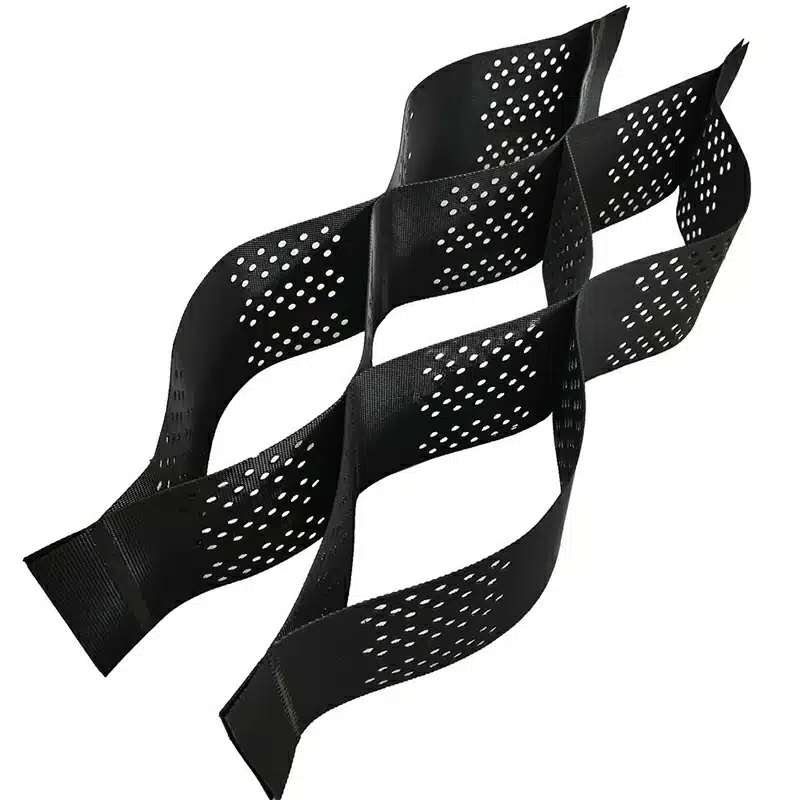
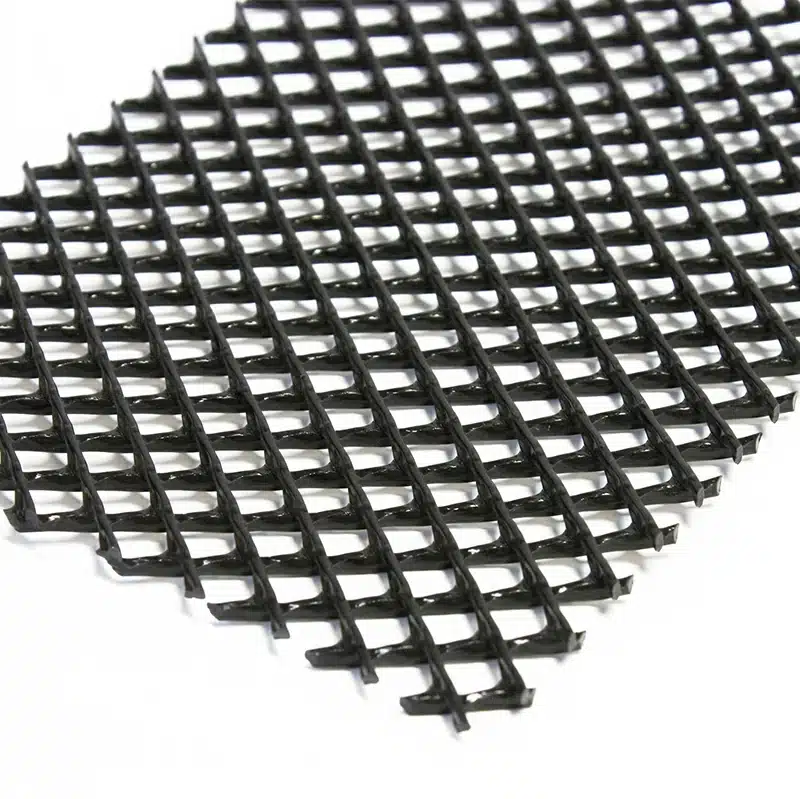
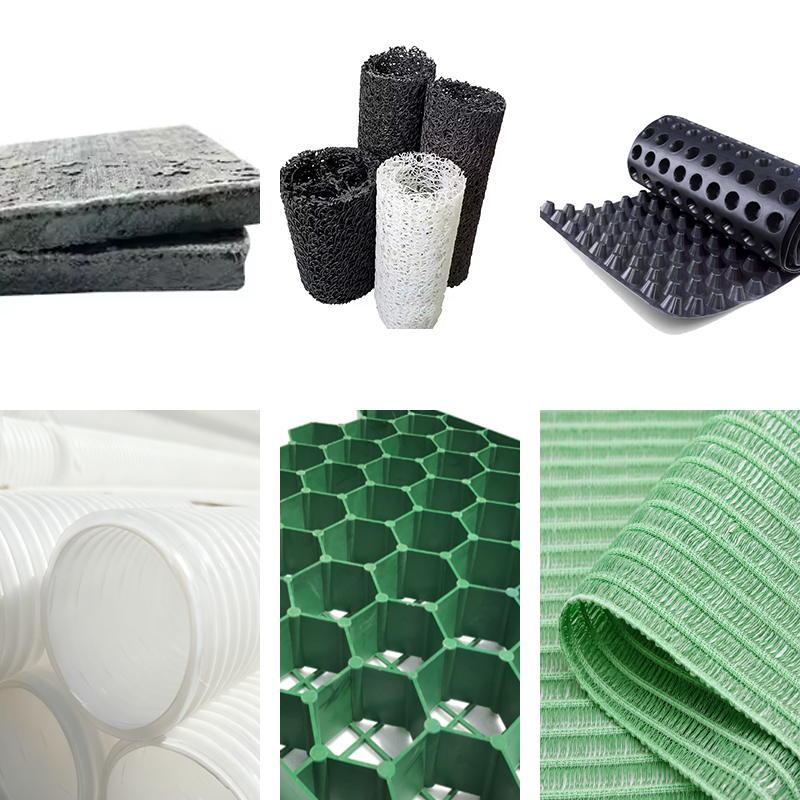
Woven geotextiles may be considered when separation and higher tensile properties are required. Geogrids, meanwhile, perform a different function and are typically selected when soil reinforcement is part of the structural design.
Buyers comparing geotextile fabric behind retaining wall applications should therefore identify the required engineering function before requesting a quotation.
Where Is Geotextile Behind Retaining Wall Installed?
The exact arrangement depends on the wall design. In a typical drainage configuration, geotextile behind retaining wall construction separates the retained soil from clean drainage aggregate.
A simplified system may follow this sequence:
Retaining Wall → Drainage Aggregate → Geotextile → Retained Soil
A perforated drainage pipe may also be installed near the base to collect water and direct it to an appropriate outlet.
The fabric should remain continuous across the filtration area. Adjacent rolls must have sufficient overlap according to the project specifications, while wrinkles, excessive tension, and installation damage should be avoided.
When placing aggregate, contractors should prevent sharp stones or construction equipment from puncturing or displacing the exposed material.
Geotextile Behind Retaining Wall for Road Projects
Retaining structures are frequently constructed alongside highways, access roads, bridge approaches, and reinforced embankments. These applications may experience significant surface runoff and subsurface water movement.
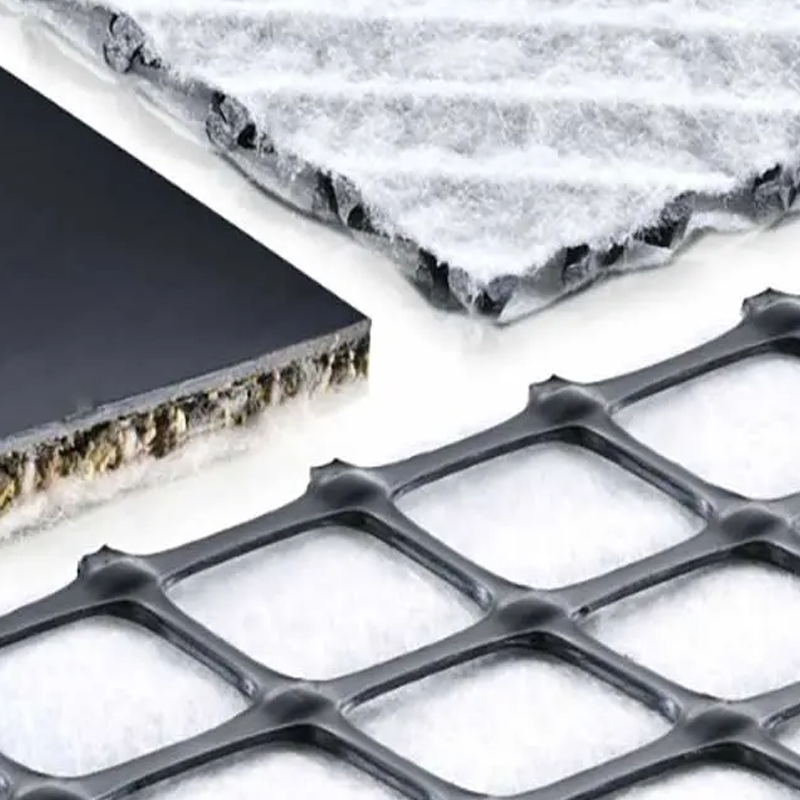
Using geotextile behind retaining wall drainage zones can help separate surrounding soil from drainage aggregate while maintaining a path for water flow. Depending on the design, the system may also include geogrids for reinforcement or drainage geocomposites where conventional aggregate drainage is difficult to install.
For road projects, engineers and procurement teams should confirm hydraulic properties, mechanical requirements, roll dimensions, and required testing standards before ordering.
How to Specify Geotextile for Procurement
A quotation request should provide enough technical information for accurate product selection. Useful information includes wall type, soil conditions, required geotextile properties, testing standards, roll dimensions, estimated quantity, and project location.
For overseas procurement, packaging requirements and container loading quantities should also be considered.
Geofantex supplies woven and nonwoven geotextiles for filtration, separation, drainage, stabilization, and retaining wall applications. Providing the project specifications allows the supplier to compare the required properties with available product grades before production.
For buyers sourcing geotextile behind retaining wall materials, confirming technical specifications before placing an order can reduce product mismatches and make quotation comparisons more efficient.
Contact Geofantex with your project specifications, required quantity, and application conditions to receive product recommendations and a quotation.
Get Free Sample
We’ll respond as soon as possible(within 12 hours)