

+86-159 9860 6917
info@geofantex.com
geofantex@gmail.com
+86-400-8266163-44899
Geotextile gravel driveway construction uses geotextile fabric between the subgrade and aggregate to improve separation, filtration, and long-term stability. For contractors, engineers, and buyers sourcing driveway materials, selecting the correct woven or nonwoven geotextile can help maintain aggregate integrity, control soil migration, and improve performance under traffic and changing ground conditions.
Why Use Geotextile for a Gravel Driveway?
Without an effective separation layer, aggregate can gradually penetrate soft subgrade while fine soil particles migrate upward. This contamination can reduce the effective thickness of the aggregate layer and contribute to rutting, deformation, and increased maintenance.
A geotextile gravel driveway creates a defined interface between the subgrade and aggregate. The geotextile helps maintain separation while allowing appropriate water movement according to the selected fabric properties.
This is particularly useful for roads and driveways built over clay, silt, wet ground, or other weak subgrades. According to FHWA guidance, separation geotextiles are used to prevent the mixing of dissimilar materials while maintaining their intended functions.
For material selection, contractors can compare geotextile gravel driveway fabric specifications according to subgrade strength, aggregate characteristics, drainage conditions, and anticipated traffic.
Which Geotextile Gravel Driveway Fabric Should You Choose?
Woven and nonwoven geotextiles can both be used beneath aggregate, but their properties and intended functions differ.
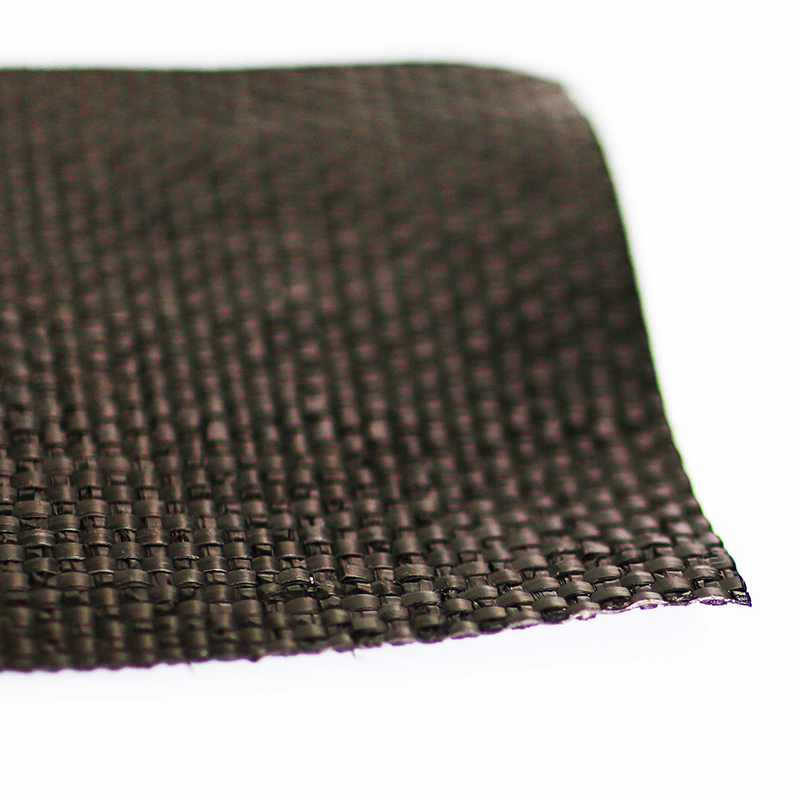
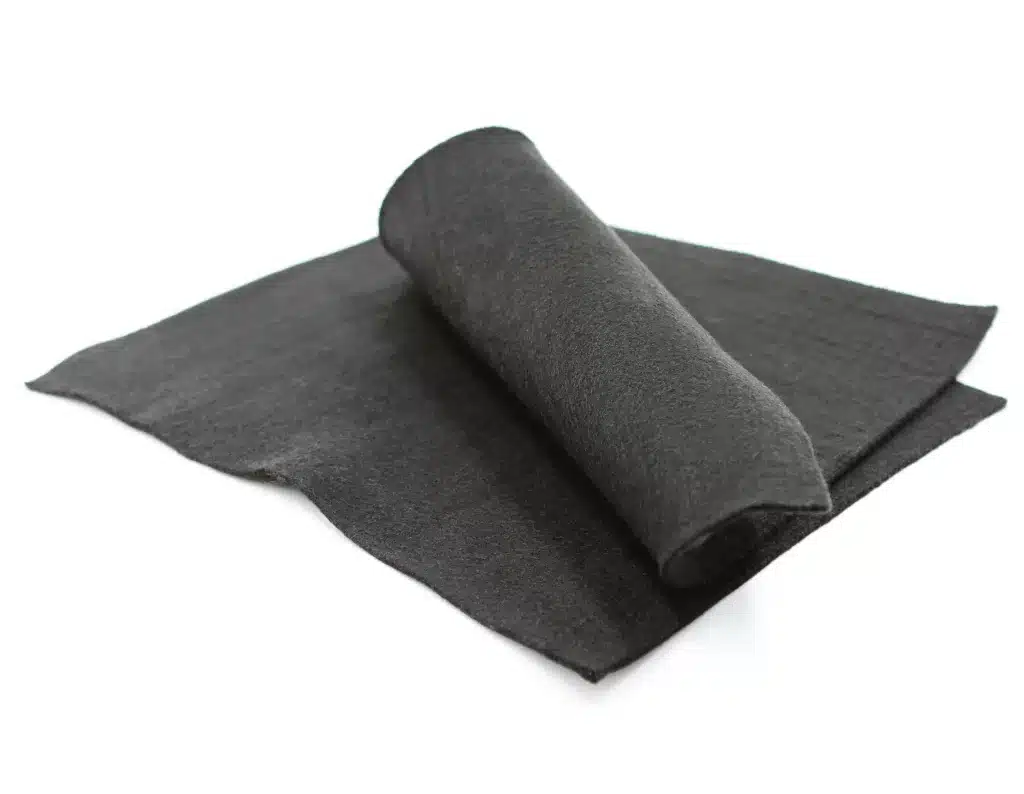
Woven geotextiles typically provide high tensile strength and relatively low elongation. They are commonly considered where separation and mechanical stability are important.
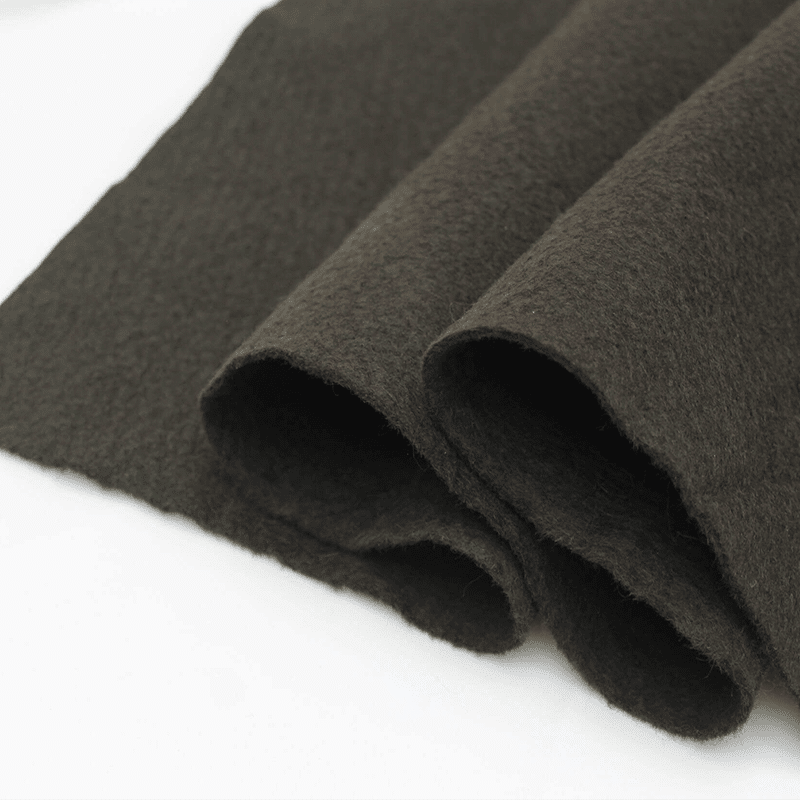
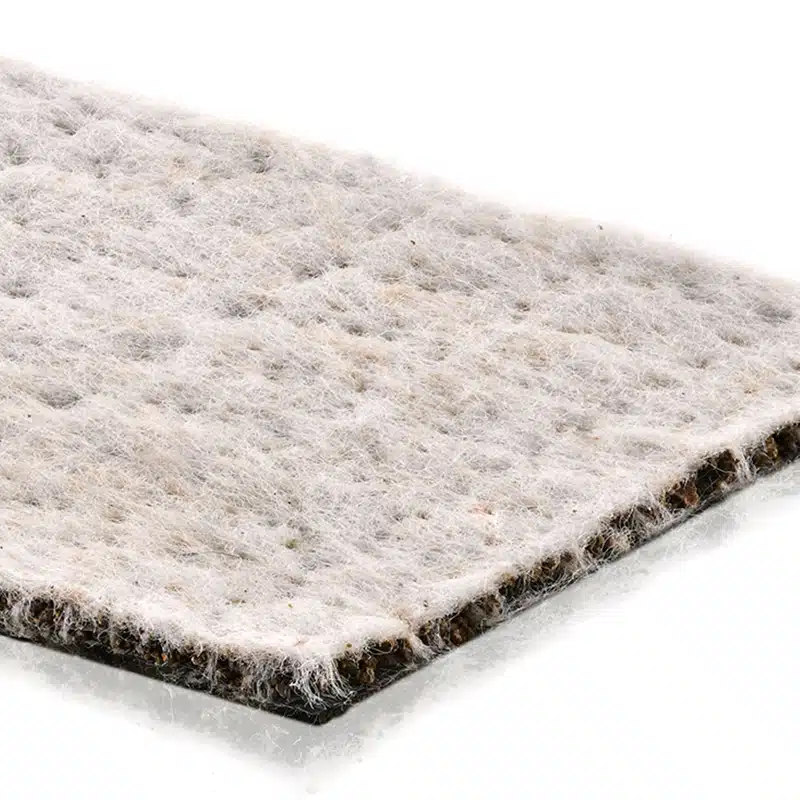
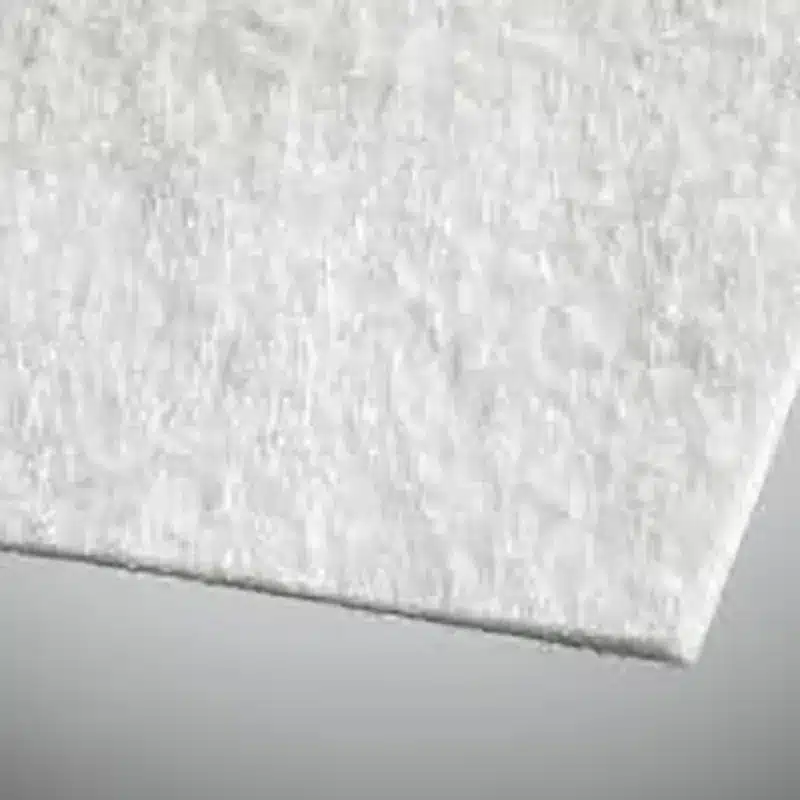
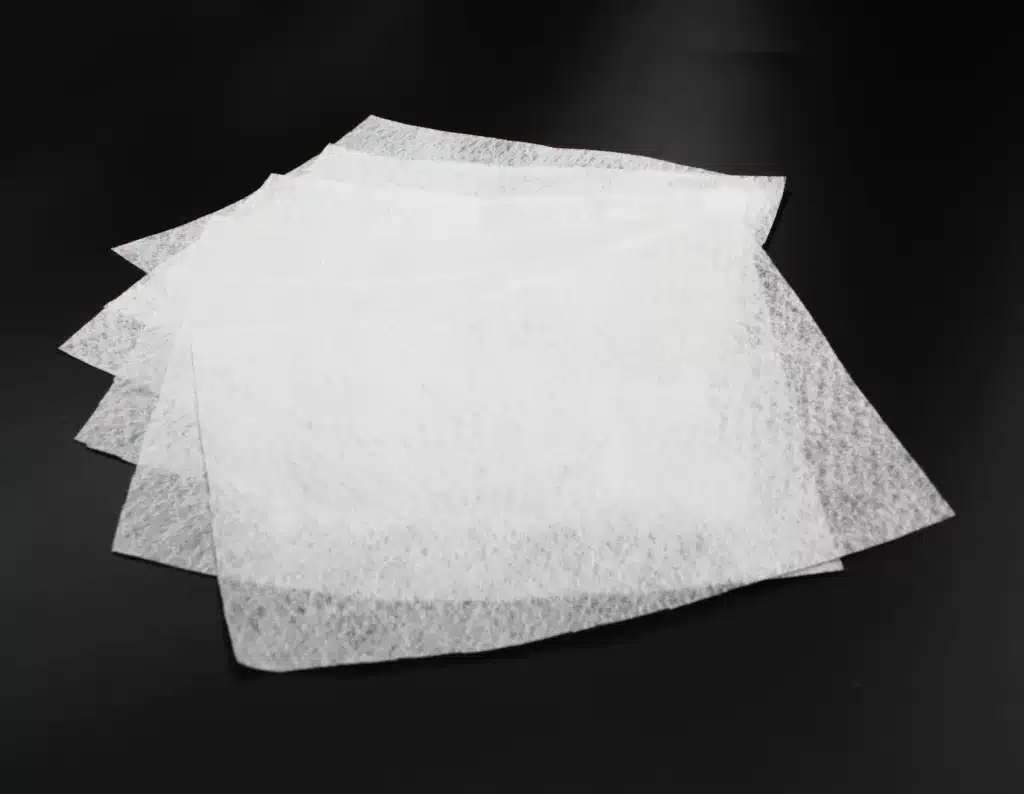
Nonwoven geotextiles generally provide good permeability and filtration characteristics. They may be preferred where filtration and water movement are major design requirements.
For a geotextile gravel driveway, buyers should therefore evaluate the required engineering function rather than selecting a product based only on fabric weight or price.
Important purchasing parameters include tensile strength, elongation, apparent opening size (AOS), permittivity, puncture resistance, polymer type, roll dimensions, and relevant project specifications.
Buyers comparing different materials can use woven and nonwoven geotextile gravel driveway options to determine which structure better matches the site’s soil, drainage, and loading conditions.
How Is Geotextile Installed Under a Gravel Driveway?
Installation normally begins by removing vegetation, roots, debris, and unsuitable material from the construction area. The subgrade should then be graded and obvious soft spots addressed.
The geotextile is unrolled over the prepared surface with unnecessary wrinkles minimized. Adjacent rolls should have sufficient overlap according to the project design and site conditions.
Aggregate is then placed carefully over the fabric. Construction equipment should generally avoid unnecessary direct traffic over exposed geotextile to reduce the risk of installation damage.
For a geotextile gravel driveway, aggregate thickness and compaction remain important. Geotextile does not replace an adequately designed aggregate layer; instead, it helps preserve separation between the aggregate and underlying soil.
Contractors planning installation can review geotextile gravel driveway installation guidance when estimating roll quantities, overlaps, aggregate placement, and construction sequencing.
Do I Need Geotextile Under Gravel?
Not every gravel surface requires the same geotextile solution. Site conditions should determine whether the material provides a meaningful engineering benefit.
A geotextile gravel driveway should particularly be considered where the project has soft subgrade, fine-grained soil, poor drainage, frequent traffic, aggregate contamination, or recurring rutting.
Another common question is whether geotextile can simply be installed over existing gravel. If separation is the primary objective, the fabric is normally positioned between the prepared subgrade and aggregate layer. Placing it over an existing gravel surface does not provide the same subgrade-separation function.
For commercial projects, material selection should consider soil conditions, traffic loads, drainage requirements, aggregate gradation, filtration properties, and installation conditions rather than relying on a universal specification.
A correctly selected geotextile gravel driveway system can improve separation, reduce aggregate-soil intermixing, and help preserve the integrity of the aggregate layer.
The appropriate product depends on the required function. Woven geotextiles can provide strong separation and mechanical properties, while nonwoven products can offer effective filtration and water flow. Buyers should compare technical properties, site conditions, installation requirements, and project specifications before ordering.
Get Free Sample
We’ll respond as soon as possible(within 12 hours)