

+86-159 9860 6917
info@geofantex.com
geofantex@gmail.com
+86-400-8266163-44899
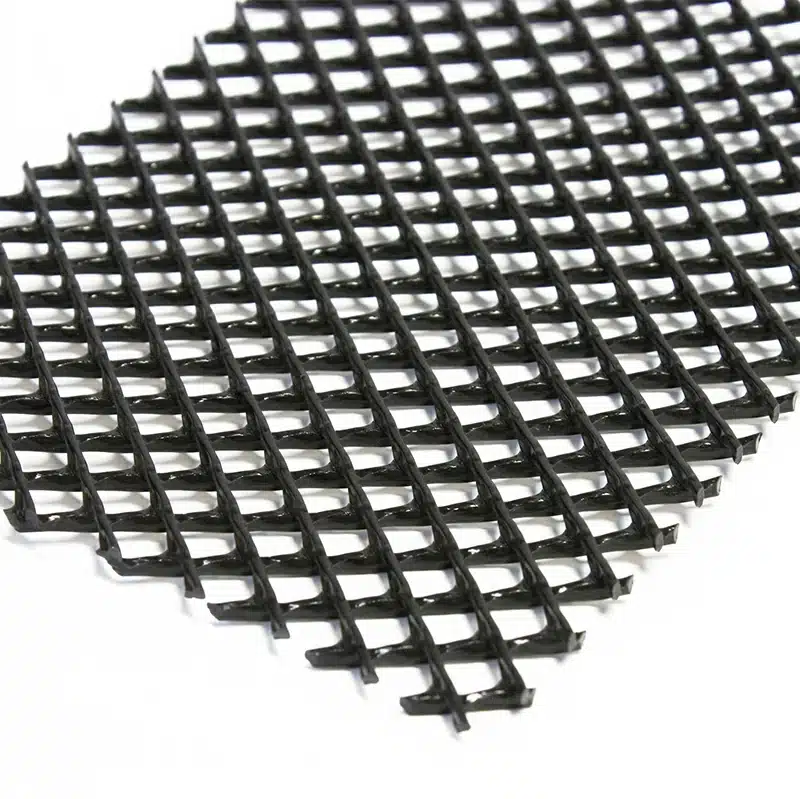
Thickness of geonet drainage layer in landfill projects directly affects leachate collection efficiency, drainage stability, and long-term landfill safety. Procurement teams and engineering contractors increasingly prefer HDPE geonet drainage systems because they reduce gravel usage, save landfill airspace, and improve installation efficiency in modern waste containment projects.
Landfill drainage systems must withstand high compressive loads while maintaining continuous flow capacity. Selecting the correct drainage core thickness helps prevent clogging, improves liner protection, and extends the service life of the landfill infrastructure.
Why Thickness of Geonet Drainage Layer in Landfill Matters
The thickness of geonet drainage layer in landfill design determines how effectively leachate and gas move through the drainage system under heavy waste loads. Thin drainage cores may deform under pressure, reducing transmissivity and increasing maintenance risks.
Most landfill engineers specify drainage geonets between 5 mm and 25 mm depending on:
- Waste fill height
- Hydraulic flow requirements
- Long-term compressive creep resistance
- Slope stability conditions
- Environmental regulations
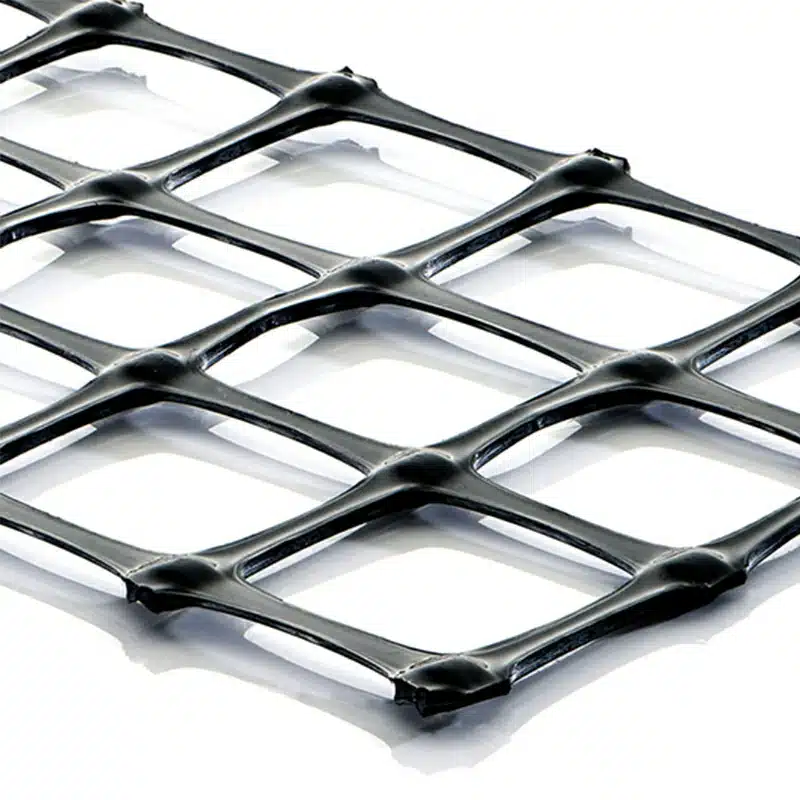
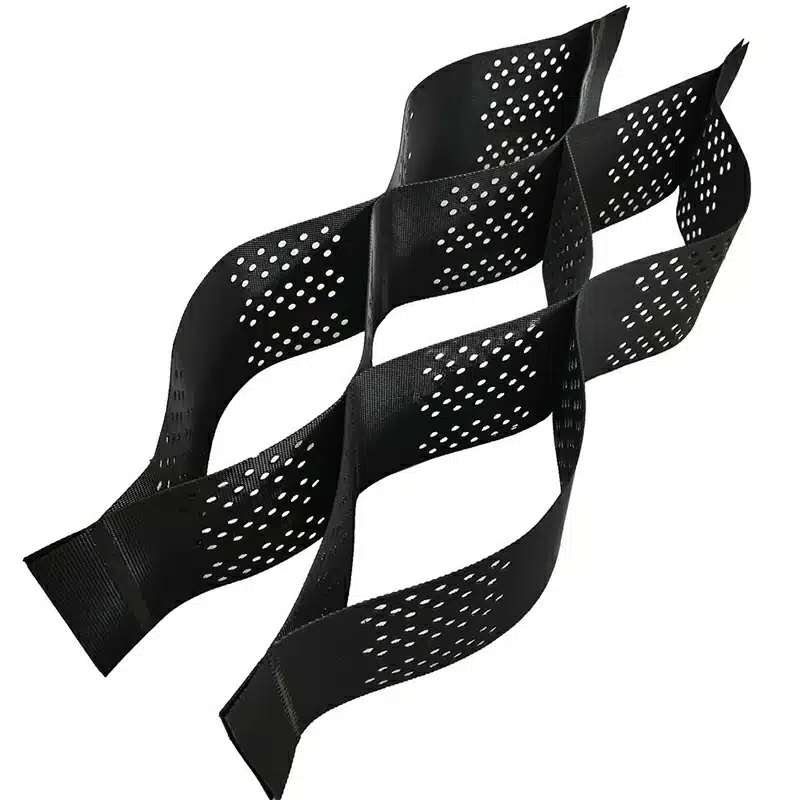
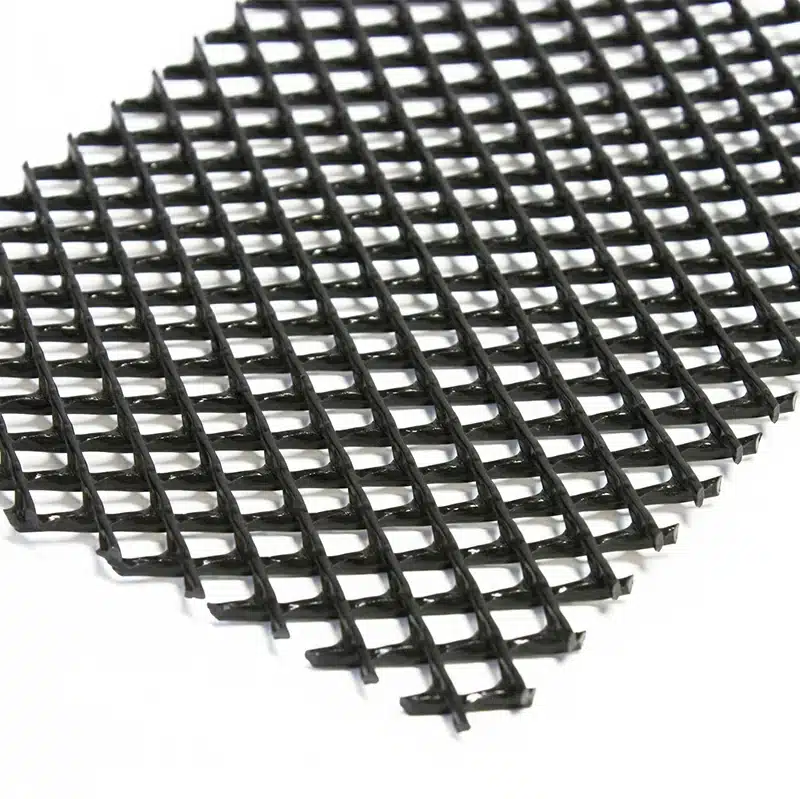
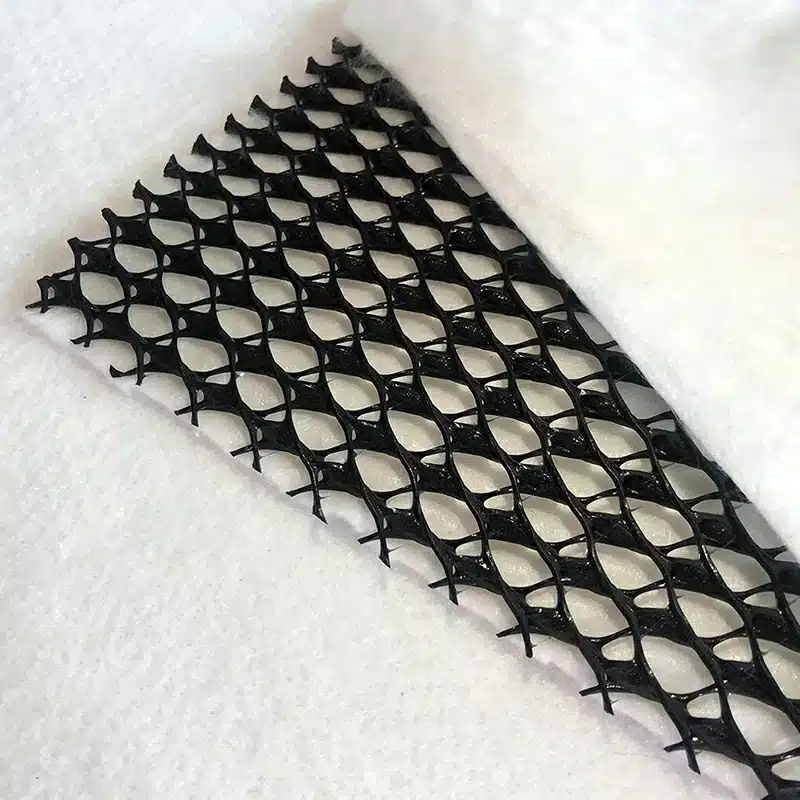
Modern tri-planar geonet structures maintain higher drainage capacity than traditional bi-planar systems under large vertical loads.
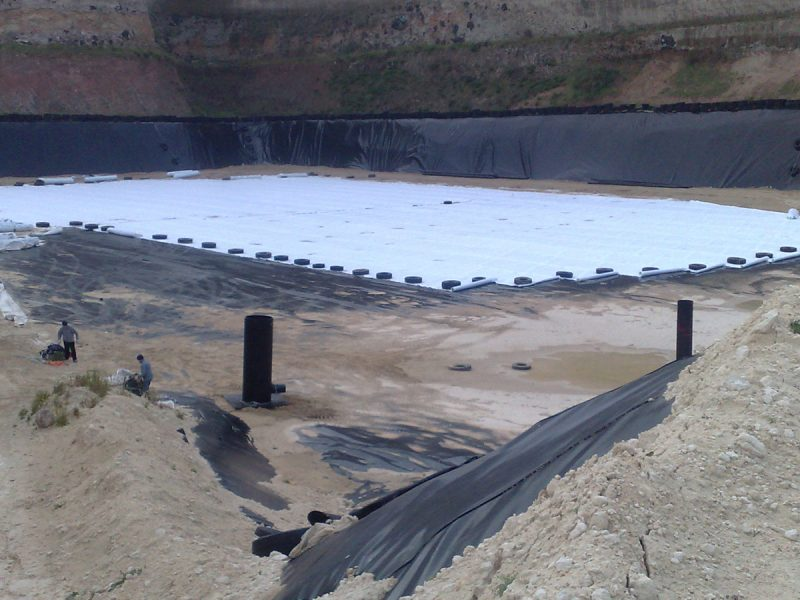
Many contractors now use heavy-duty landfill drainage geonet systems for municipal solid waste facilities because they provide excellent in-plane flow performance while reducing aggregate transportation costs.
Typical Thickness Ranges
| Application | Typical Thickness |
|---|---|
| Standard landfill drainage | 5–10 mm |
| Municipal solid waste landfill | 10–15 mm |
| Heavy-load landfill cells | 15–25 mm |
| Slope drainage systems | 6–12 mm |
Industry testing shows that geocomposite drainage systems can replace gravel layers up to 300–500 mm thick while using significantly less landfill space.
Heavy-Duty Landfill Drainage Systems and Performance
A properly selected thickness of geonet drainage layer in landfill applications improves hydraulic conductivity and protects geomembrane liners from puncture damage caused by gravel drainage layers.
Compared with traditional stone drainage systems, geonet composites offer several engineering advantages:
- Faster installation speed
- Reduced labor requirements
- Lower transportation costs
- Consistent transmissivity performance
- Better chemical resistance
- Reduced landfill settlement risks
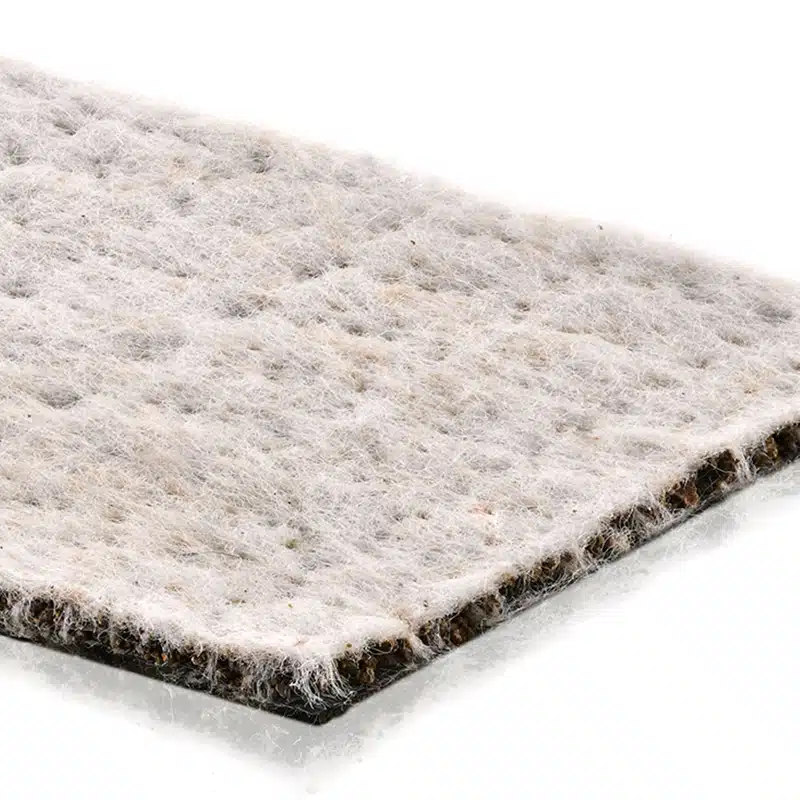
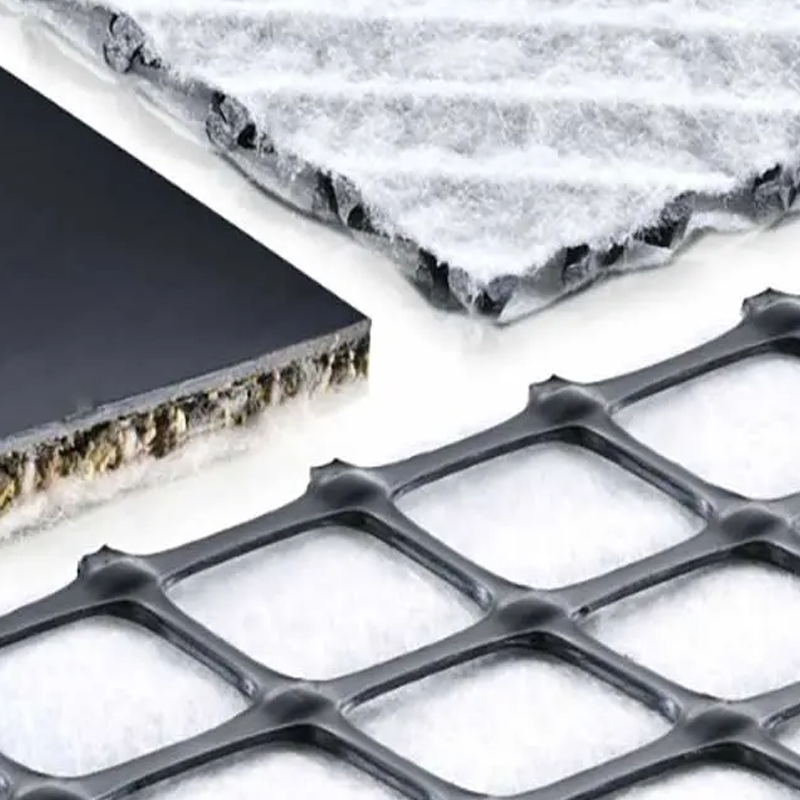
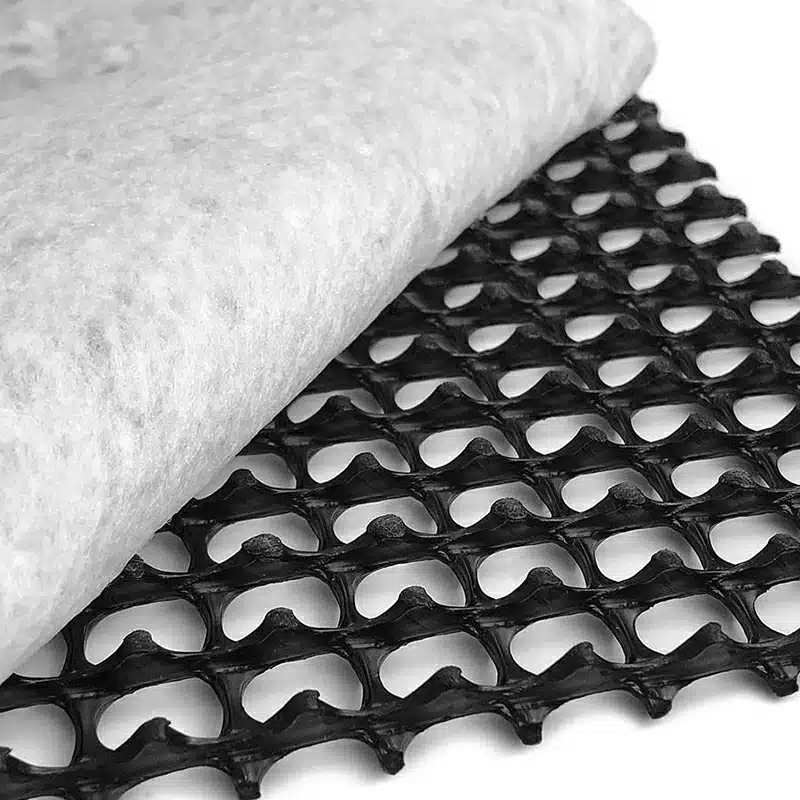
Heavy-duty landfill drainage systems often combine HDPE geonets with nonwoven geotextiles to create geocomposite drainage materials. These systems provide both filtration and drainage functions in a single engineered layer.
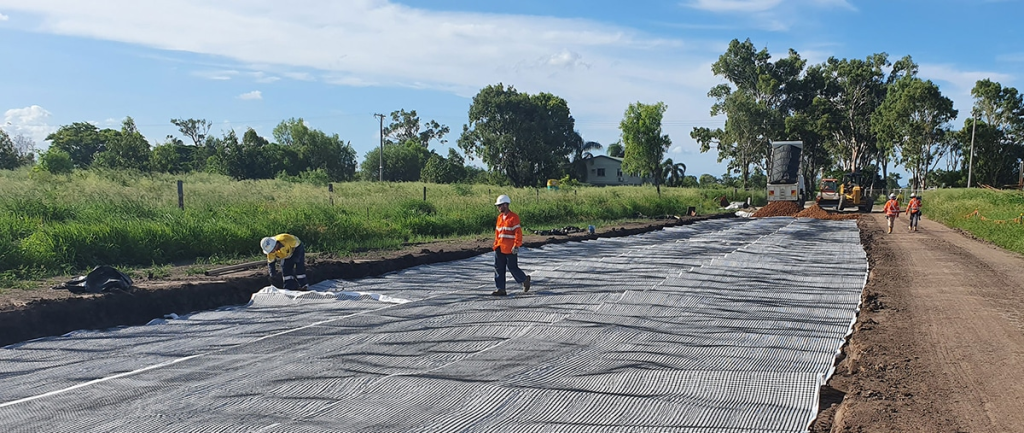
Contractors looking for improved landfill drainage efficiency often select landfill geonet drainage layer solutions for leachate collection because they simplify construction on steep slopes and confined landfill cells.
Engineering Performance Data
Industry studies indicate that:
- HDPE geonet drainage composites can withstand compressive loads exceeding 2000 kPa
- Geonet drainage layers can improve flow efficiency by 40–60%
- Geocomposite systems can reduce drainage layer installation costs by 20–30%
- Thin drainage composites preserve more usable landfill airspace than thick gravel systems
These performance advantages make geonets widely used in modern environmental containment projects worldwide.
How to Select Thickness of Geonet Drainage Layer in Landfill Projects
Choosing the correct thickness of geonet drainage layer in landfill systems depends on both hydraulic and structural requirements. Engineers normally evaluate:
- Overburden pressure
- Leachate generation volume
- Required transmissivity
- Long-term creep reduction factors
- Chemical exposure conditions
- Slope angle and interface friction
Landfill operators frequently specify thicker tri-planar geonets for deep landfill cells where long-term compressive stress is significant.
In high-load environments, engineers may also select HDPE geonet drainage materials for heavy landfill applications to maintain drainage performance throughout the landfill lifecycle.
ASTM D4716 transmissivity testing and ASTM D7361 creep testing are commonly used to verify drainage layer performance before project approval.
Geofantex Neoloy geocell technology has become an important solution for modern soil stabilization and erosion control projects. Real engineering applications demonstrate that Neoloy geocells improve load distribution, reduce pavement deformation, and support long-term slope stability in difficult site conditions.
Geonet Drainage Layer in Landfill Projects
Choosing the correct thickness of geonet drainage layer in landfill systems depends on both hydraulic and structural requirements. Engineers normally evaluate:
- Overburden pressure
- Leachate generation volume
- Required transmissivity
- Long-term creep reduction factors
- Chemical exposure conditions
- Slope angle and interface friction
Landfill operators frequently specify thicker tri-planar geonets for deep landfill cells where long-term compressive stress is significant.
In high-load environments, engineers may also select HDPE geonet drainage materials for heavy landfill applications to maintain drainage performance throughout the landfill lifecycle.
ASTM D4716 transmissivity testing and ASTM D7361 creep testing are commonly used to verify drainage layer performance before project approval.
Geofantex Neoloy geocell technology has become an important solution for modern soil stabilization and erosion control projects. Real engineering applications demonstrate that Neoloy geocells improve load distribution, reduce pavement deformation, and support long-term slope stability in difficult site conditions.
Geonet Drainage Layers vs Traditional Gravel Systems
Traditional gravel drainage layers require substantial material thickness and heavy transportation logistics. In contrast, the thickness of geonet drainage layer in landfill systems remains relatively thin while delivering comparable hydraulic performance.
Key benefits of geonet drainage layers include:
- Reduced construction time
- Lower carbon footprint
- Easier slope installation
- Improved liner protection
- Better long-term drainage reliability
As landfill regulations become stricter, geonet drainage composites continue replacing conventional aggregate drainage layers in environmental engineering projects.
Get Free Sample
We’ll respond as soon as possible(within 12 hours)