

+86-159 9860 6917
info@geofantex.com
geofantex@gmail.com
+86-400-8266163-44899
Geocomposite drain systems provide an efficient solution for groundwater collection, filtration, and drainage in civil and environmental engineering. For contractors, distributors, and project buyers, selecting the correct drainage core, geotextile filter, flow capacity, and roll specification is essential for reliable installation and long-term performance.
How Geocomposite Drain Systems Work
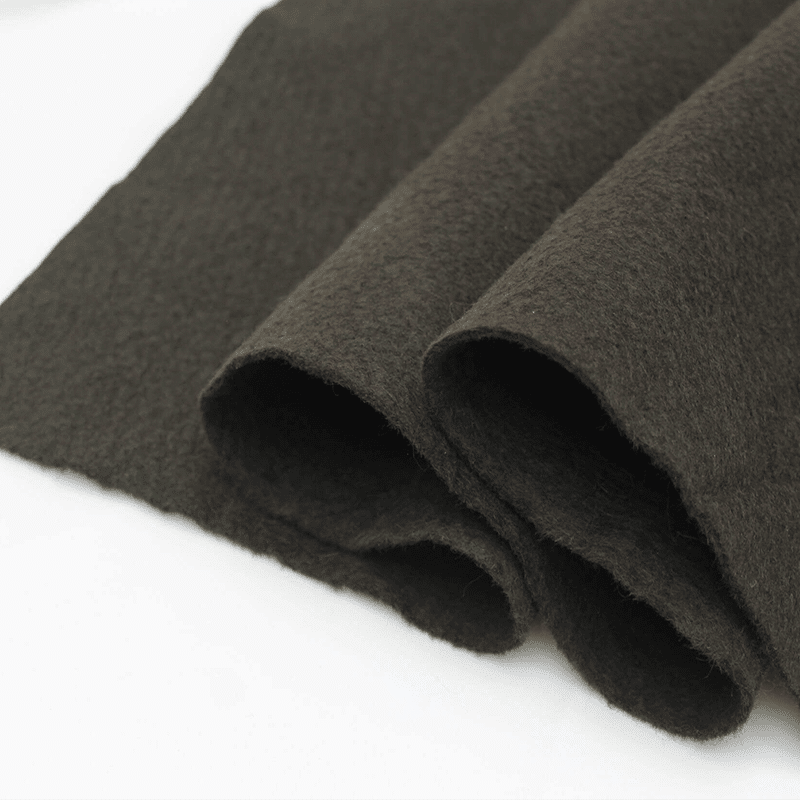
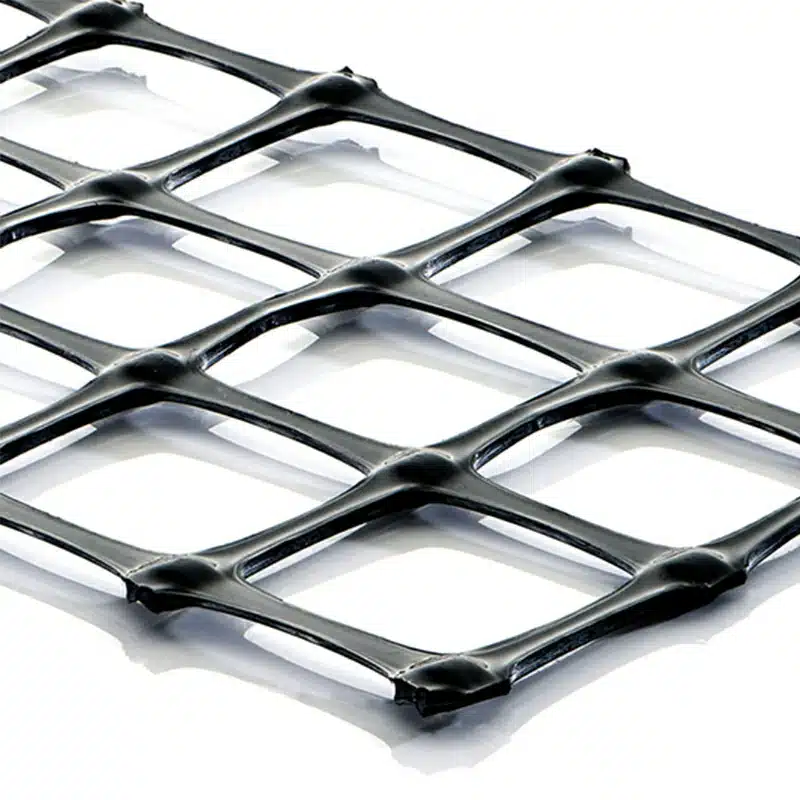
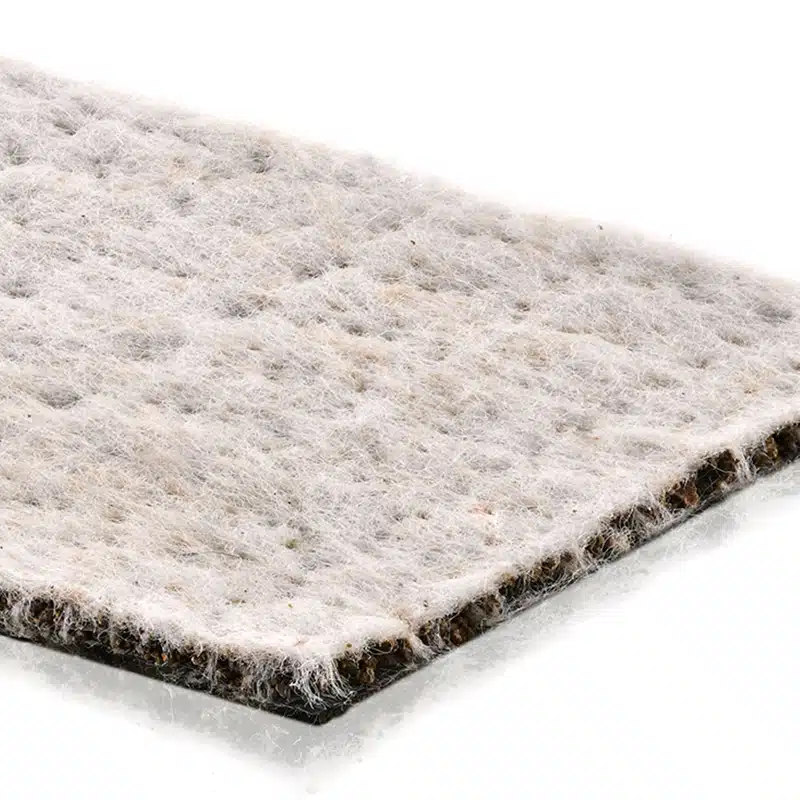
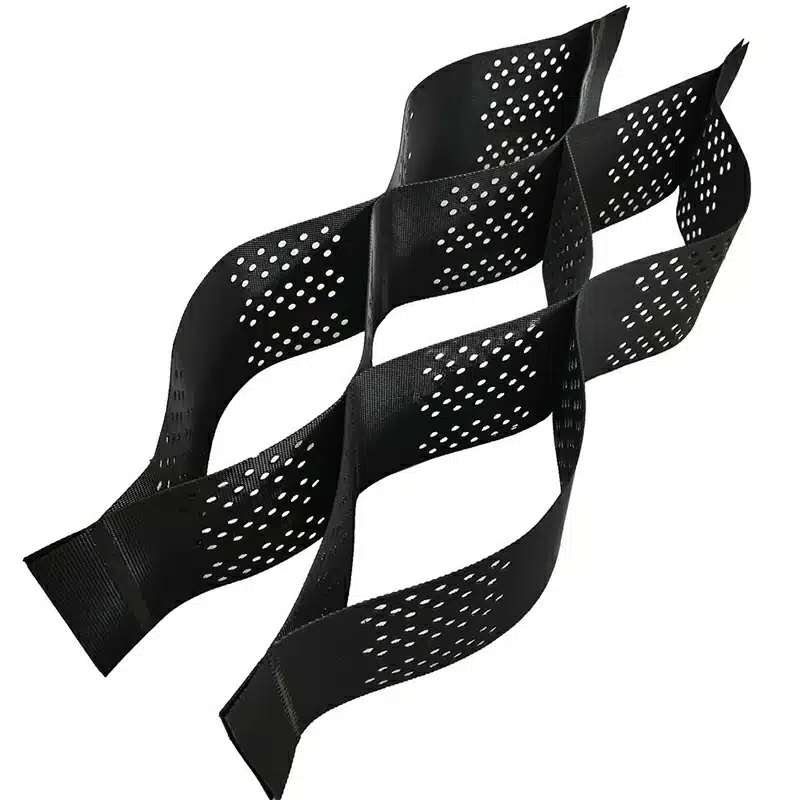
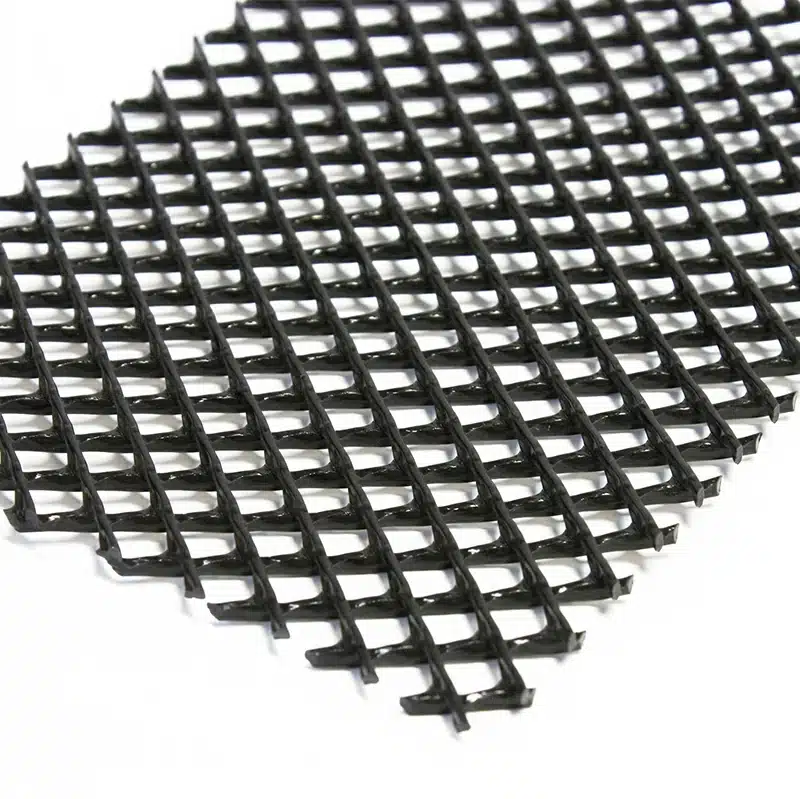
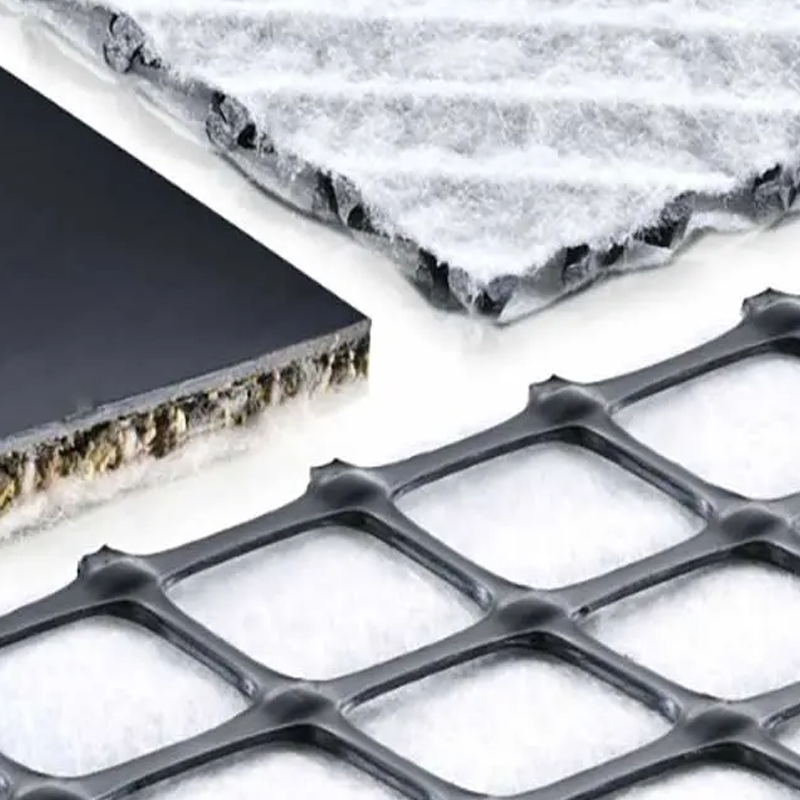
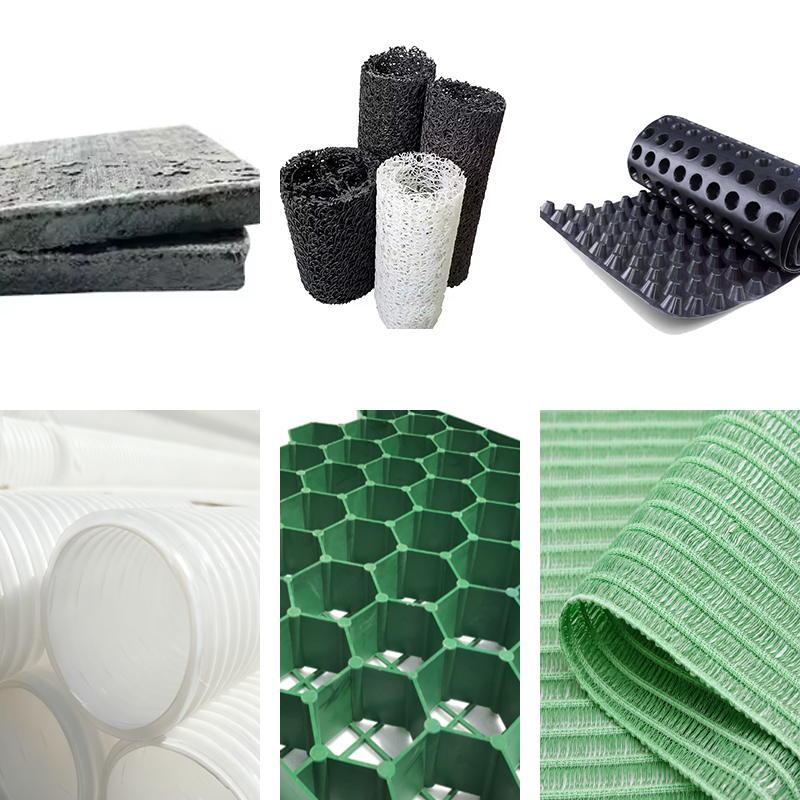
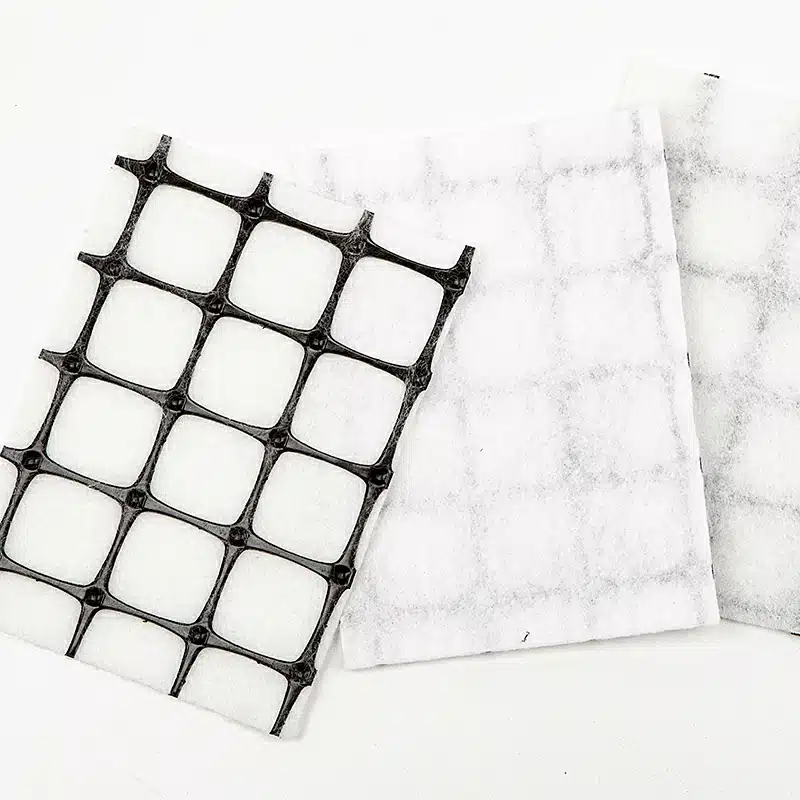
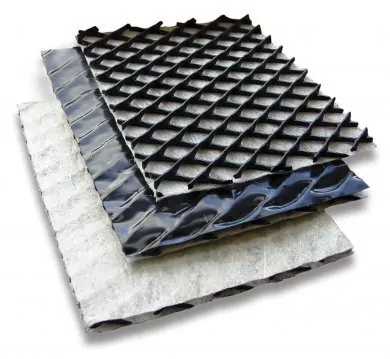
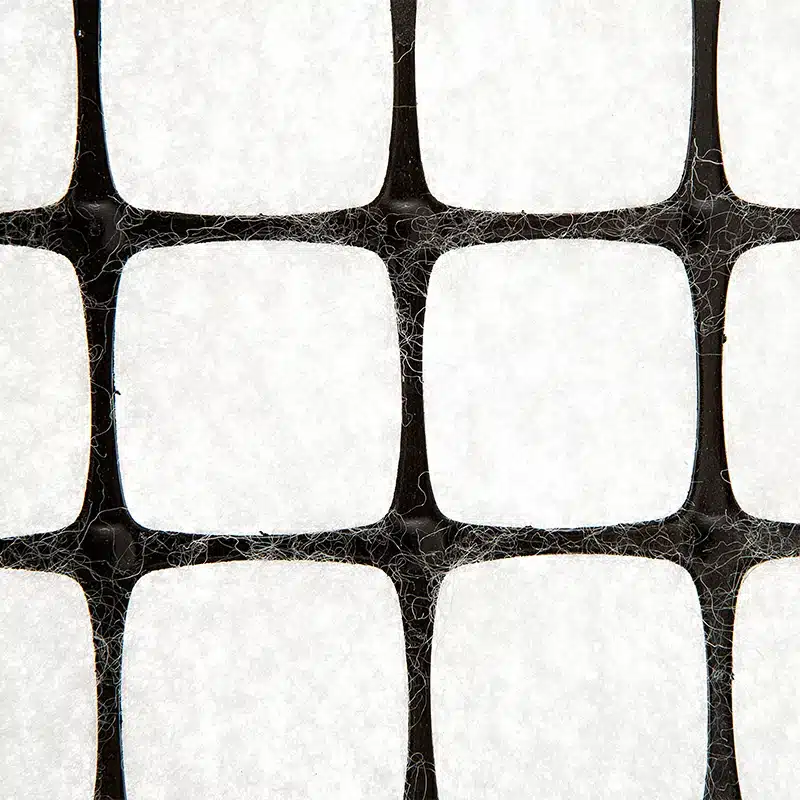
A drainage geocomposite typically combines a three-dimensional polymer drainage core with a nonwoven geotextile filter. The geotextile allows water to enter the system while retaining surrounding soil particles, and the drainage core creates channels that convey collected water toward designated outlets.
Depending on project requirements, products can be manufactured with geotextile bonded to one or both sides of the drainage core. Some systems may also incorporate an impermeable backing where water needs to be directed away from a structure.
Compared with thick layers of graded aggregate, these systems can reduce drainage-layer thickness and simplify material handling. This is particularly useful for vertical structures, landfill slopes, highway cuttings, retaining walls, and other areas where construction space is limited.
For project procurement, geocomposite drainage system specifications should therefore be evaluated according to actual hydraulic and loading conditions rather than product thickness alone.
Geocomposite Drain Case: Landfill Drainage
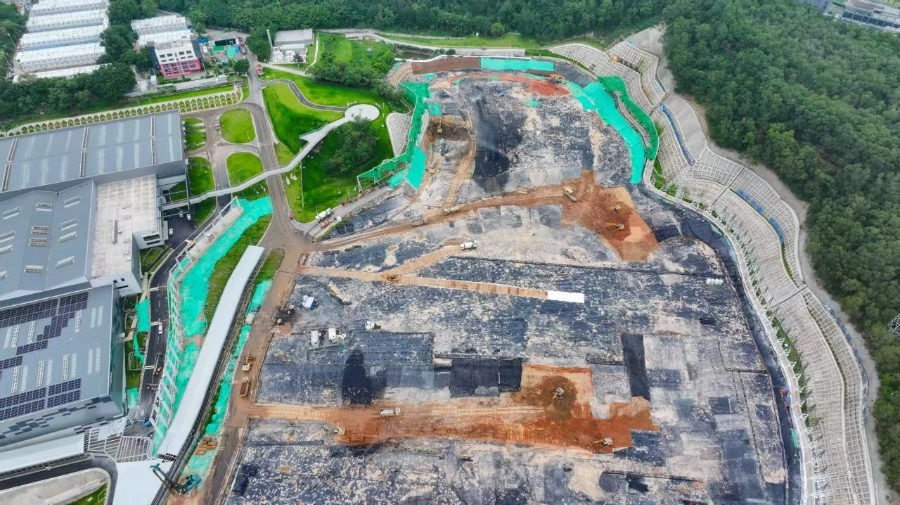
Landfills require controlled drainage to manage leachate, infiltrating water, and landfill gas while protecting the integrity of containment systems.
A practical example is the Grady Road Landfill in Georgia, USA. Its final cover incorporated a geomembrane together with drainage geocomposites for liquid drainage and landfill-gas collection. A tubular drainage system using nonwoven geotextiles and perforated polypropylene drainage elements was evaluated to meet the project’s hydraulic transmissivity requirements.
The system provided drainage over a large surface while remaining relatively lightweight for installation. Approximately one million square feet of material was included in the first delivery, demonstrating the practicality of geosynthetic drainage for large environmental projects.
Another example can be found at Melbourne Regional Landfill in Australia. A geonet-based drainage layer was incorporated into the sidewall leachate collection system as an alternative to conventional gravel drainage.
These cases demonstrate how a geocomposite drain can work together with geomembranes, protection geotextiles, and collection pipes to form an integrated landfill drainage system.
Highway Engineering Case
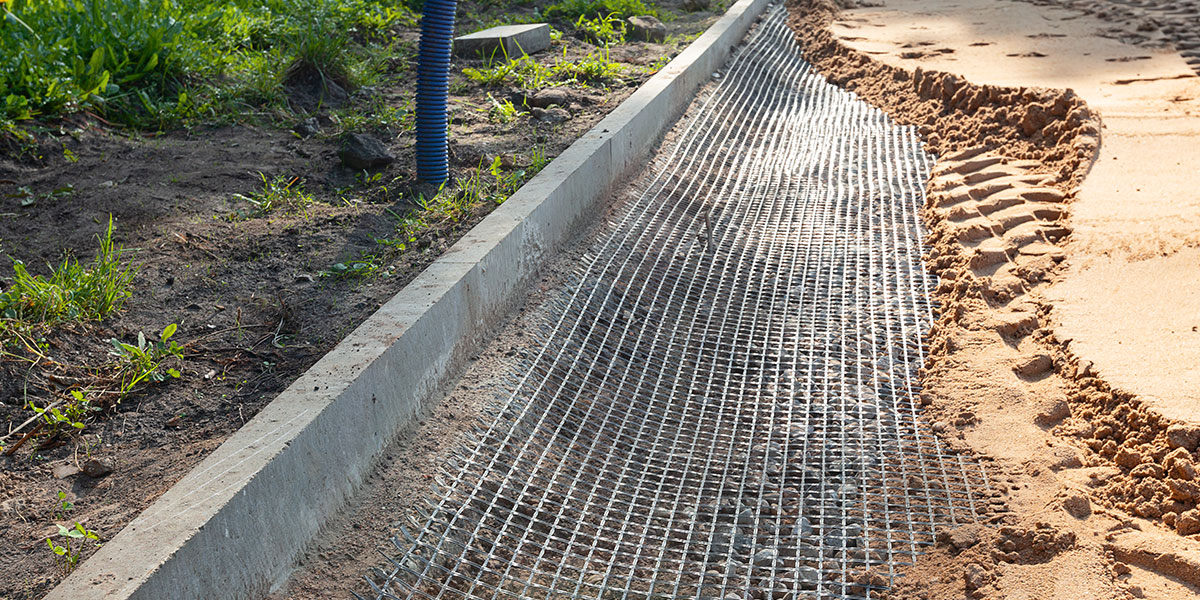
Highway infrastructure presents different drainage challenges. Groundwater behind retaining walls, bridge abutments, and highway cuttings can increase hydrostatic pressure, contribute to soil erosion, and reduce long-term structural performance.
On the Eastern Peripheral Expressway around Delhi, India, approximately 50,000 m² of drainage geocomposite was used for retaining-wall drainage. Instead of relying entirely on thick gravel drainage layers, the sheet drainage material provided a controlled pathway for infiltrating groundwater while its geotextile layer helped retain surrounding soil particles.
Another example is the A19/A1058 Coast Road Interchange near Newcastle, UK. The project included a deep highway cutting supported by hundreds of contiguous piles. Drainage material was installed between the piles to collect groundwater and direct it downward toward the drainage network.
For highway contractors, geocomposite drain for retaining wall applications can reduce the space occupied by granular drainage while simplifying installation on vertical surfaces.
Key Engineering Factors for Product Selection
Drainage capacity should not be evaluated only from an initial laboratory flow value. Normal pressure from soil, concrete, or other construction materials can compress the drainage core and influence long-term transmissivity.
Engineers should therefore consider compressive strength, hydraulic transmissivity under design loading, creep behavior, geotextile permeability, apparent opening size, soil retention, and installation damage.
Outlet configuration is another critical factor. Water collected within the drainage layer must have an effective route to perforated pipes, toe drains, collection channels, or other discharge systems.
The filter geotextile should also be selected according to the surrounding soil. Appropriate filtration helps minimize soil-particle migration while maintaining sufficient water flow into the drainage core.
Buyers comparing geocomposite drain manufacturer specifications should request technical data based on the intended application, loading conditions, required flow capacity, roll dimensions, and project-specific installation requirements.
Applications and Procurement Considerations
Typical applications include landfill liners and caps, retaining walls, highway cuttings, bridge abutments, tunnels, basement walls, reservoirs, roof gardens, and other subsurface drainage works.
The landfill and highway cases demonstrate that drainage geocomposites can perform multiple functions within relatively thin systems, particularly where conventional aggregate drainage would require additional excavation, transportation, or installation space.
For procurement, project teams should provide application details, required drainage capacity, expected loading, dimensions, geotextile requirements, and applicable technical standards. This allows manufacturers to recommend a suitable structure rather than selecting a product solely according to price or nominal thickness.
A properly specified geocomposite drain can therefore provide an efficient drainage pathway while integrating filtration, collection, and water conveyance into a single geosynthetic system.
Get Free Sample
We’ll respond as soon as possible(within 12 hours)