

+86-159 9860 6917
info@geofantex.com
geofantex@gmail.com
+86-400-8266163-44899
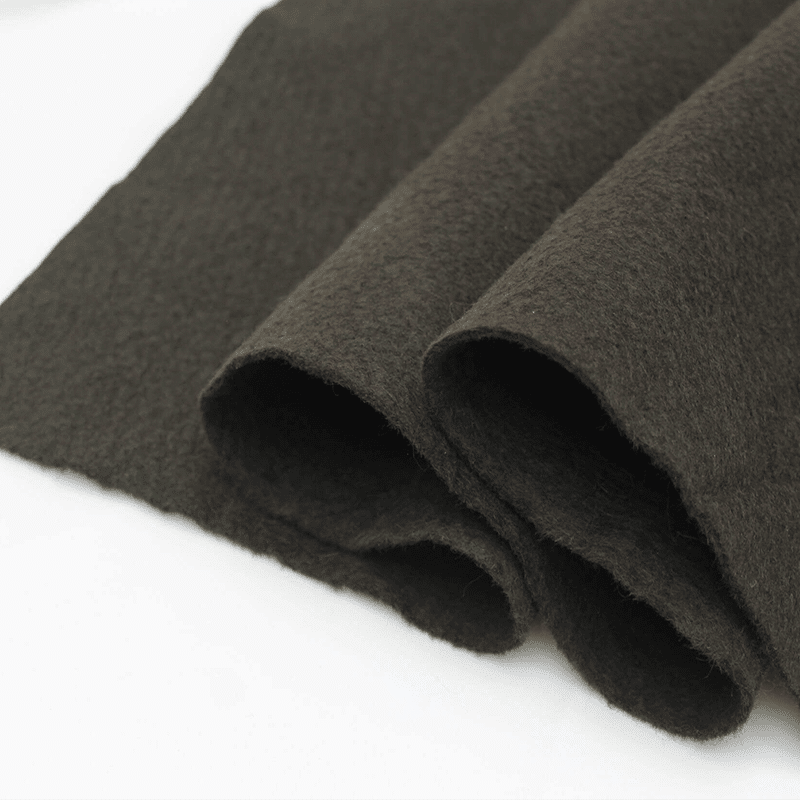
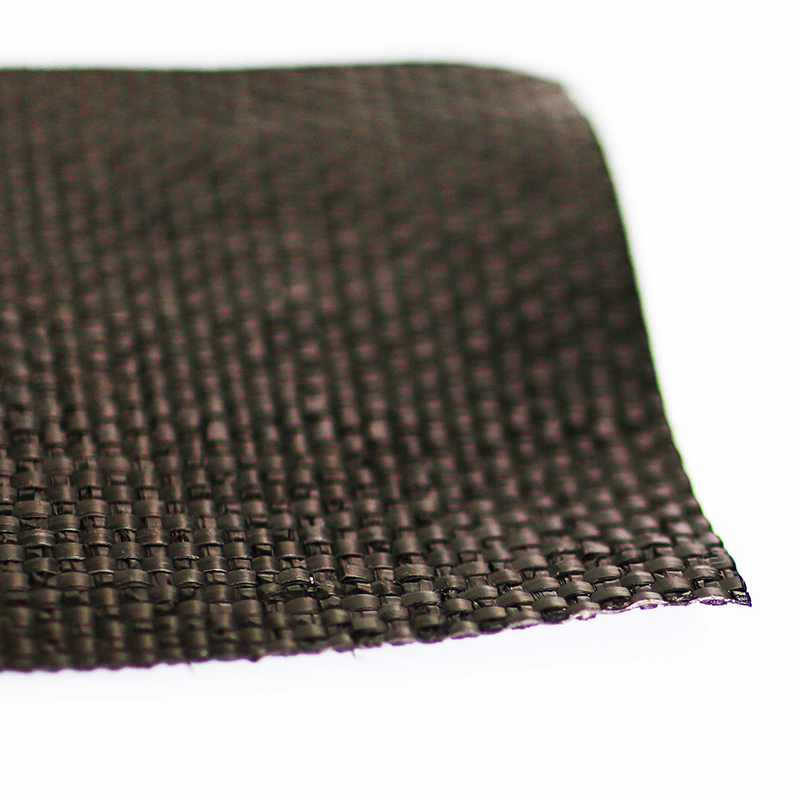
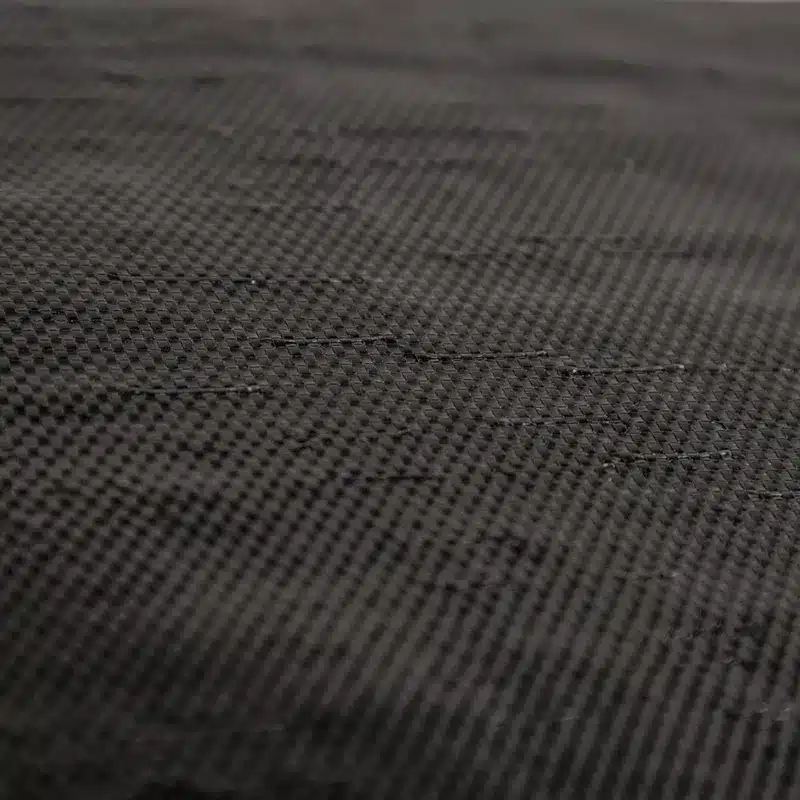
Woven geotextile fabric provides separation, stabilization, and reinforcement for roads and geotechnical projects built on weak or unstable soils. For contractors, distributors, and project buyers, selecting the correct tensile strength, opening size, roll dimensions, and material can improve construction efficiency and reduce aggregate loss. Understanding project conditions before purchasing helps ensure the selected geotextile meets both technical and installation requirements.
What Problems Can Woven Geotextile Fabric Solve?
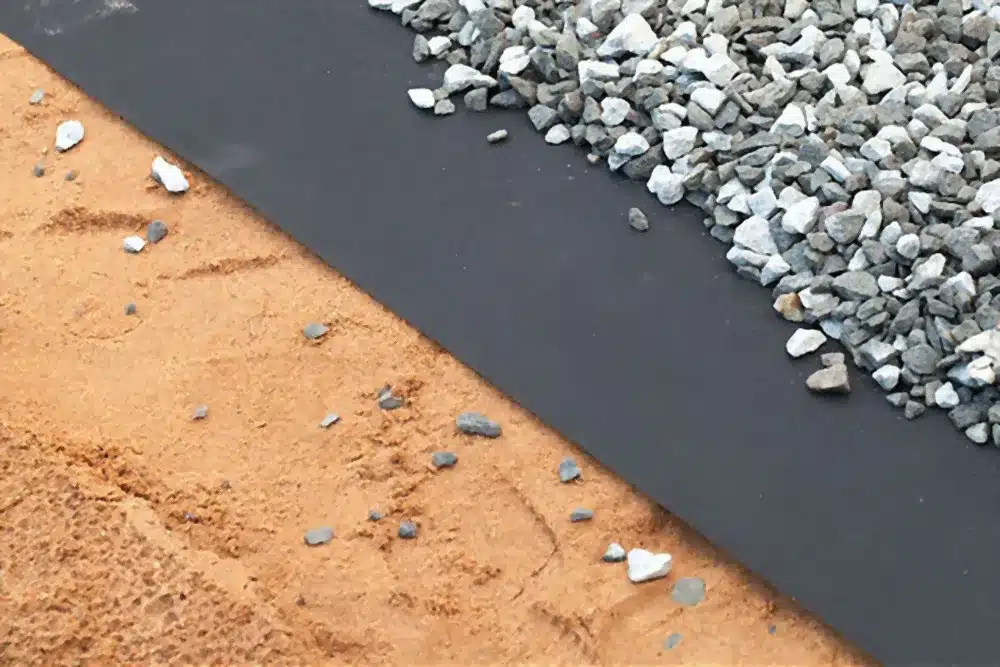
Weak subgrade is a common challenge in road construction, access roads, embankments, and other geotechnical works. When aggregate is placed directly over soft soil, stone can gradually penetrate the subgrade while fine soil moves upward. This contamination reduces the effective thickness of the aggregate layer and may contribute to rutting or deformation.
A woven geotextile installed between the soil and aggregate creates a stable separation layer. It helps prevent the mixing of different materials while maintaining the designed structure of the base course.
For projects involving soft soils or repeated construction loads, woven geotextile fabric for soil stabilization can also contribute to load distribution and provide tensile resistance within the soil–aggregate system.
Typical applications include:
- Paved and unpaved roads
- Temporary access roads
- Construction platforms
- Embankments and foundations
- Parking and storage areas
- Railway and infrastructure projects
The required geotextile properties should always be matched to soil conditions, loading, aggregate characteristics, and project design.
How Do You Select Woven Geotextile Fabric?
Choosing the right material requires more than comparing weight or price. Buyers should review the technical specification first. They should then identify the mechanical and hydraulic properties required for the application.
Tensile strength is important where the material must resist stresses generated during installation or service. Elongation indicates how much deformation occurs under tensile loading, while CBR puncture resistance helps evaluate survivability when the geotextile is exposed to coarse aggregate or construction activities.
Apparent Opening Size (AOS) should also be considered where soil retention is required. If water must pass through the system, permittivity and water-flow characteristics become additional selection factors.
Roll width and length influence installation efficiency as well. Wider rolls may reduce the number of overlaps on large projects, while customized roll dimensions can simplify transportation and site handling.
Before ordering, buyers can compare woven geotextile fabric specifications for road projects according to tensile strength, elongation, puncture resistance, AOS, roll size, polymer type, and applicable testing standards.
Woven or Nonwoven Geotextile: Which Should You Use?
The correct choice depends primarily on the engineering function.
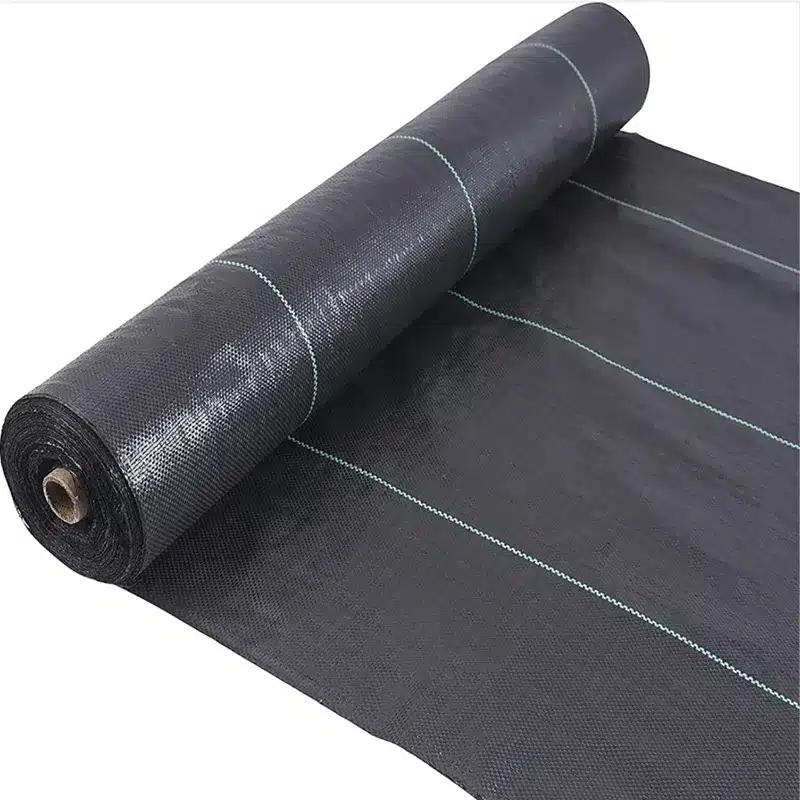
Woven geotextiles are generally used where separation, stabilization, and tensile performance are important. Their woven structure provides relatively high tensile strength and controlled deformation, making them suitable for many road and geotechnical applications.
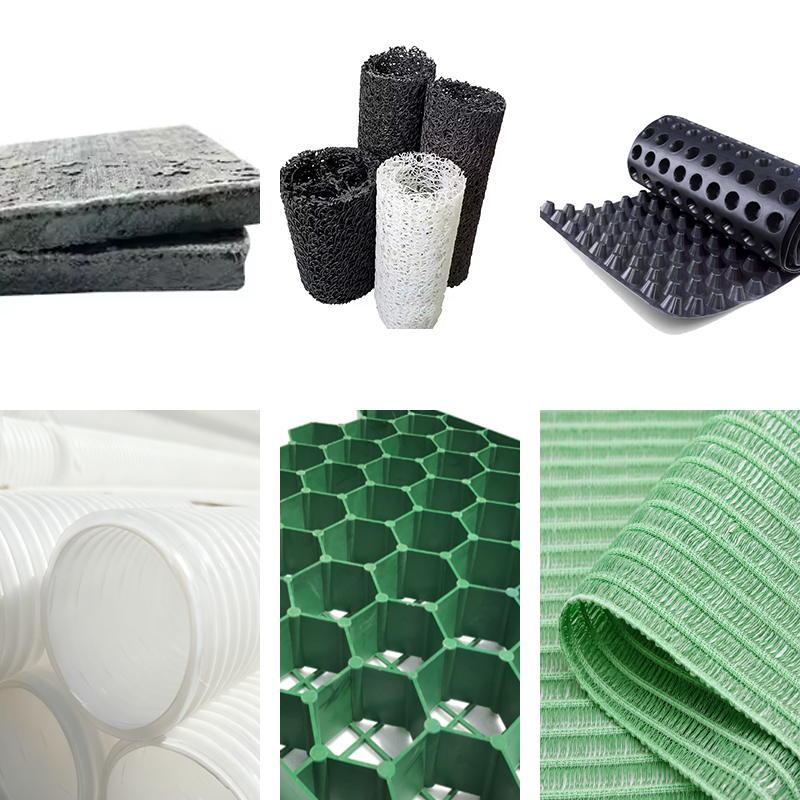
Nonwoven geotextiles have a fiber-based structure and are commonly selected for filtration, drainage, separation, and protection. Their structure generally provides different hydraulic and mechanical characteristics from woven products.
For example, a road constructed over weak subgrade may use woven material to maintain separation between aggregate and soil while supporting stabilization requirements. A drainage trench may instead require a nonwoven geotextile where filtration and water transmission are the primary functions.
Therefore, buyers should not select a product simply because one type is stronger than another. Soil characteristics, hydraulic conditions, expected loads, installation conditions, and engineering specifications should determine the final selection.
For procurement planning, reviewing woven geotextile fabric for road construction applications alongside the project specification can help identify the appropriate material before placing a bulk order.
How Should the Material Be Installed?
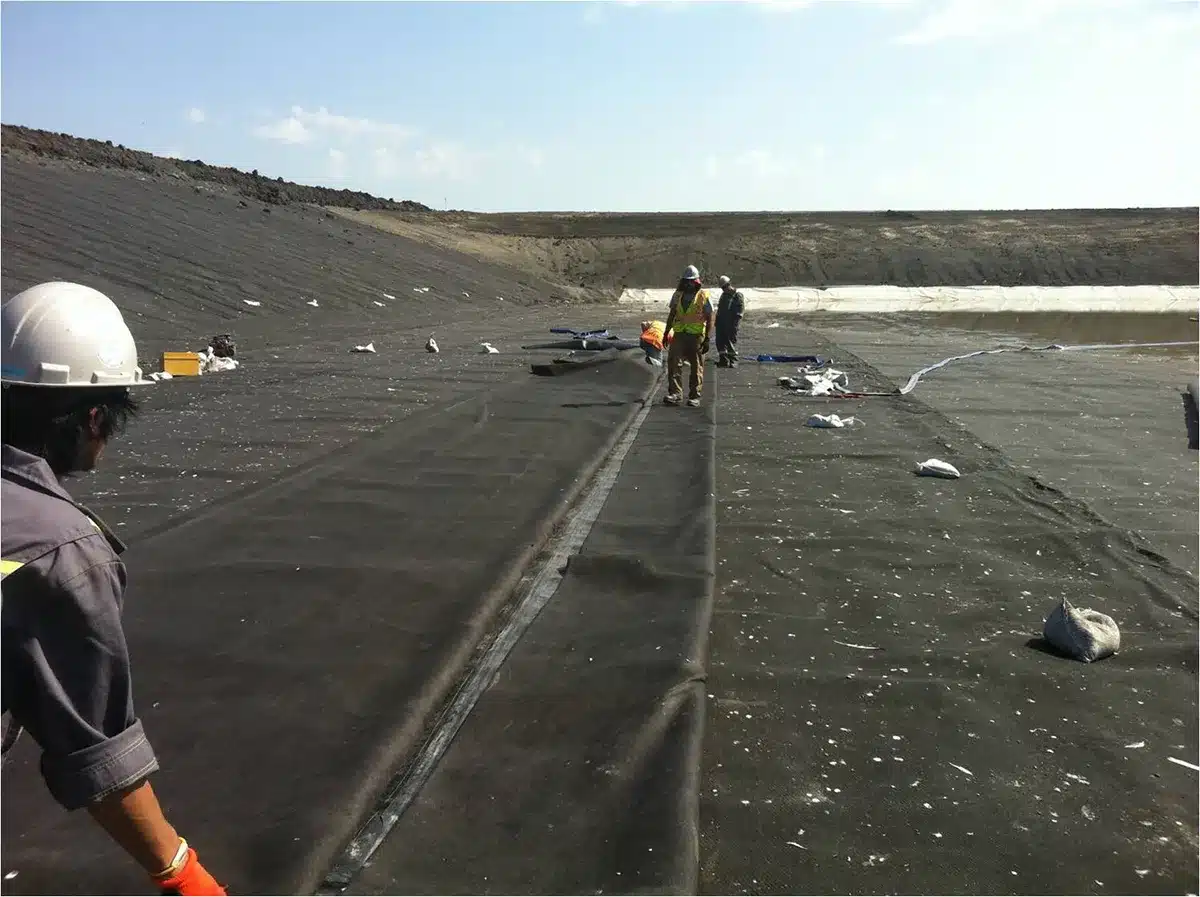
Correct installation is essential for achieving the intended performance of woven geotextile fabric. Before deployment, the subgrade should be prepared by removing sharp objects, large debris, and other materials that could puncture or damage the geotextile.
The rolls should be positioned according to the project drawings and deployed smoothly over the prepared surface. Wrinkles, folds, and unnecessary displacement should be minimized.
Overlap requirements depend on soil strength, site conditions, construction procedures, and engineering specifications. Very soft or highly deformable subgrades may require different overlap or seaming arrangements from stable ground.
Aggregate should then be placed carefully to avoid shifting or damaging the exposed geotextile. Direct construction traffic over uncovered material should be avoided unless specifically permitted by the installation specification.
Any damaged area should be repaired before subsequent aggregate layers are placed. Proper product selection, subgrade preparation, deployment, overlap control, and aggregate placement help maintain the intended separation and stabilization functions throughout construction and service.

Get Free Sample
We’ll respond as soon as possible(within 12 hours)