

+86-159 9860 6917
info@geofantex.com
geofantex@gmail.com
+86-400-8266163-44899
The cost of installation of geogrid depends on material type, tensile strength, project size, site conditions, and installation requirements. For contractors, distributors, and project buyers, total costs also vary with order quantity, roll dimensions, shipping, and supplier pricing. Comparing these factors helps buyers select the right geogrid without overspending. Before ordering, evaluate the required specifications, project area, expected loads, and installation conditions to estimate material quantities and overall costs more accurately.
How much does a geogrid cost?
The cost of geogrid can vary widely depending on several factors:
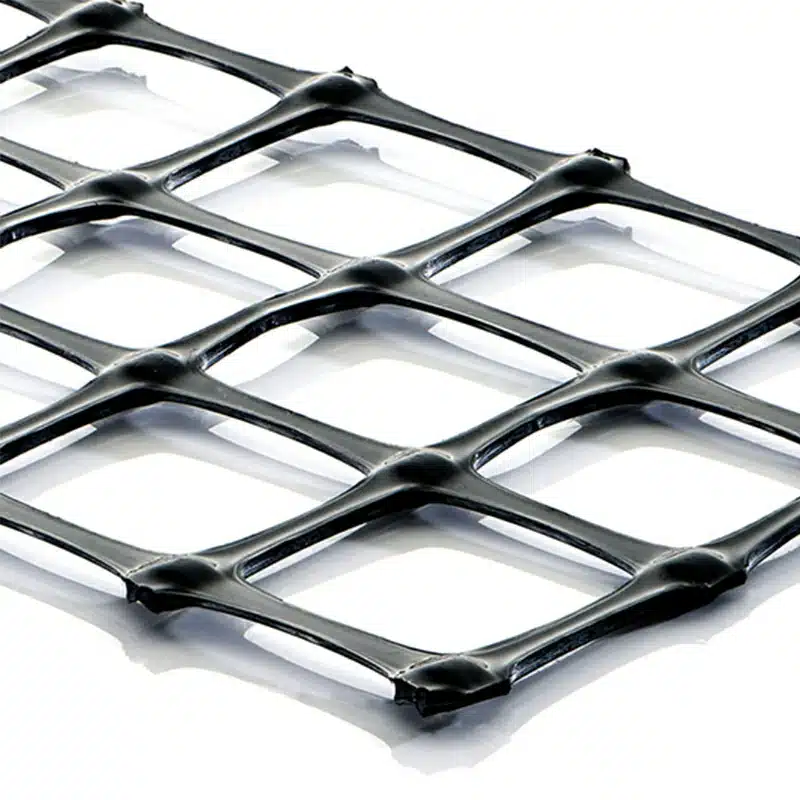
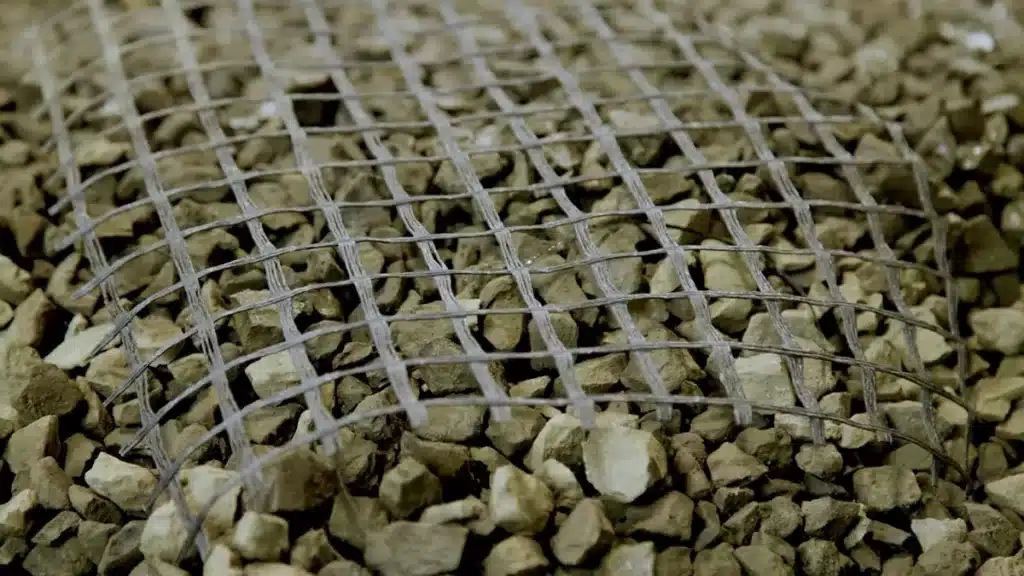
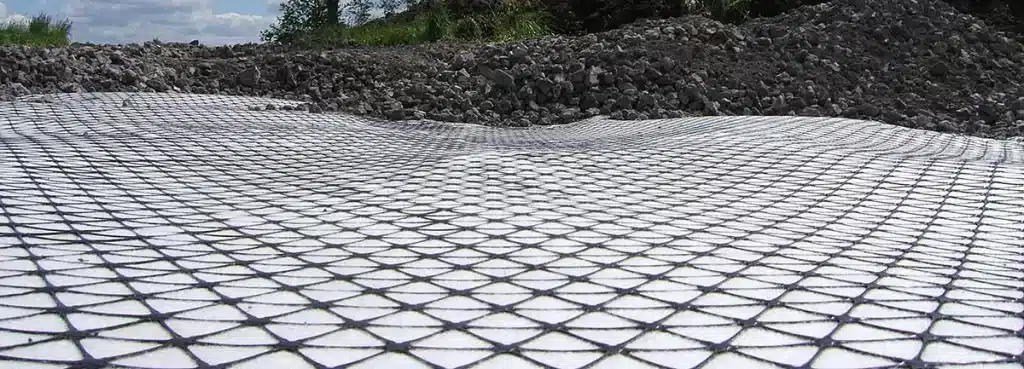
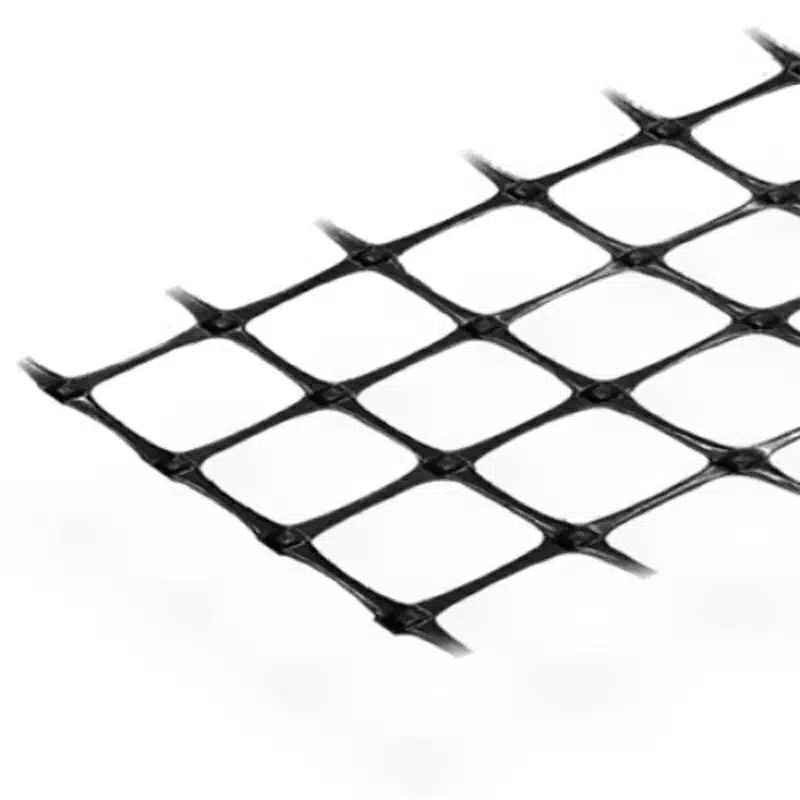
- Type of Geogrid: There are different types of geogrids available, including biaxial geogrids, uniaxial geogrids, and high-strength options. The cost will vary based on the specific type required for your project.
- Material: Geogrids are made from various materials, such as polyethylene, polyester, or fiberglass. The material choice can significantly impact the cost, with some materials being more expensive than others.
- Strength and Durability: High-strength geogrids designed for heavy loads or steep slopes tend to be more expensive due to their specialized construction and added strength.
- Size and Quantity: The size and quantity of geogrid rolls or panels needed for your project will affect the overall cost. Larger or more extensive projects will require more geogrid material.
- Supplier and Location: Prices can also vary depending on your supplier and geographical location. Different suppliers may offer different pricing structures, and local market conditions can influence costs.
Free Shipping – Please call +86-15998606917 for pricing on larger quantities than listed below.
| Number of Units | Price Per Unit |
| 1+ | $1,209.80 |
| 2+ | $881.36 |
| 3+ | $782.34 |
| 10+ | $681.37 |
How do you calculate geogrid requirements?
Calculating geogrid requirements is essential to ensure proper reinforcement, cost efficiency, and structural stability. The process involves:
- Define the Project Scope: Identify whether the application is for a retaining wall, slope stabilization, road base, or embankment reinforcement.
- Measure the Area: Calculate the length and width of the site to determine total coverage (Area = Length × Width).
- Check Roll Dimensions: Review the size of the geogrid roll (e.g., 1.5 m × 50 m = 75 m² per roll).
- Estimate Quantity: Divide the total project area by the coverage per roll, then round up. Add 5–10% for overlaps, anchorage, and waste.
- Consider Soil and Load Factors: Assess soil properties, slope geometry, and load conditions. This ensures the geogrid chosen has sufficient tensile strength and aperture size.
- Spacing and Layout: For retaining walls or steep slopes, determine vertical and horizontal spacing of geogrid layers to meet design requirements.
- Engineering Verification: Use geotechnical analysis or design software to confirm both internal stability (soil–geogrid interaction) and external stability (sliding, overturning, bearing capacity).
By following these steps, you can accurately determine the amount and type of geogrid required, avoiding material shortages or excessive costs. For complex projects, consulting a geotechnical engineer is strongly recommended.
Is Geogrid necessary?
To calculate geogrid requirements:
- Define Project: Identify application (e.g., retaining wall, slope stabilization) and load conditions.
- Soil Properties: Analyze soil type, strength, and geometry.
- Design Strength: Calculate required tensile strength using earth pressure theories (e.g., Rankine) and apply safety factors.
- Spacing: Determine vertical and horizontal spacing based on soil and load distribution.
- Stability Check: Verify internal (soil-geogrid interaction) and external stability (overturning, sliding).
- Select Geogrid: Choose based on tensile strength, aperture size, and material.
For precise designs, follow engineering standards or use geotechnical software. Always consult a qualified engineer.
Is Geocell expensive?
To calculate geogrid for a project, follow these key steps:
- Measure the area to be covered by determining the length and width of the site (Area = Length × Width).
- Check the size of the geogrid roll, usually given in square meters (e.g., 1.5 m × 50 m = 75 m² per roll).
- Calculate the number of rolls needed by dividing the total area by the area covered per roll, and round up to the nearest whole number.
- Account for overlaps and waste, typically adding 5–10% to the total quantity.
- Consider design factors like soil strength, load requirements, geogrid strength, and safety factors if the application is structural.
These steps help ensure you purchase the correct amount of geogrid for effective and economical installation.
In conclusion, understanding the cost of geogrid installation involves considering various factors, including the type of geogrid, material, strength, size, and location. Proper calculations and assessments are essential for determining geogrid requirements accurately. Geogrids are necessary for many soil stabilization and erosion control projects, but their necessity should be evaluated on a case-by-case basis. Geocell can be a cost-effective alternative, depending on the project’s specific requirements and benefits.
Get Free Sample
We’ll respond as soon as possible(within 12 hours)