

+86-159 9860 6917
info@geofantex.com
geofantex@gmail.com
+86-400-8266163-44899
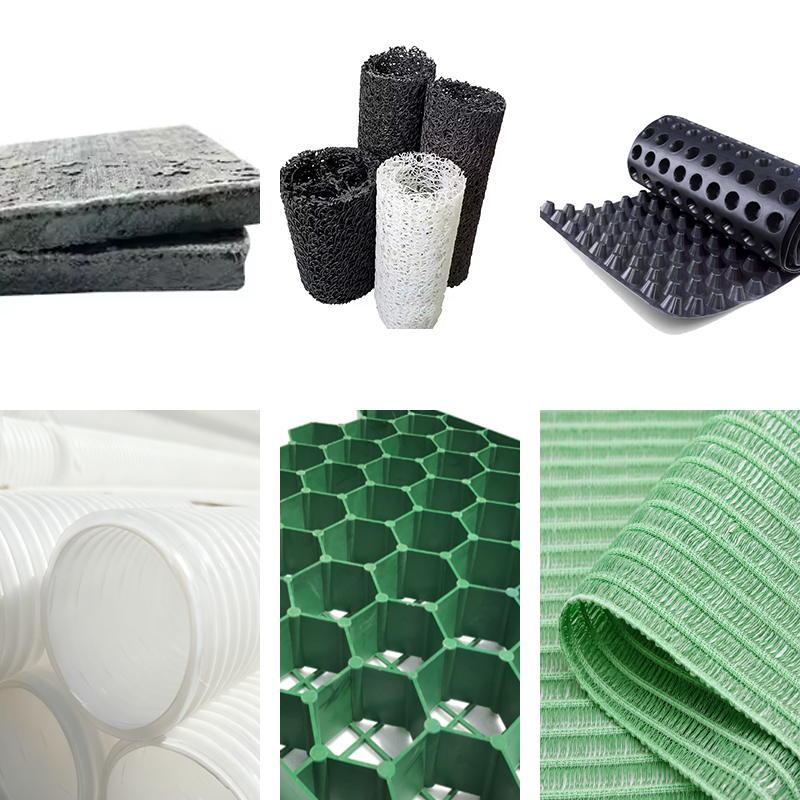
Geocomposite drain strips provide an efficient drainage solution for contractors, engineers, distributors, and bulk buyers who need reliable water management in civil engineering and infrastructure projects. By combining filtration and drainage functions in one system, they help manage subsurface water, reduce hydrostatic pressure, and protect structures from moisture-related problems. Selecting the appropriate drainage core, filter fabric, flow capacity, and dimensions is essential for achieving reliable performance under actual site conditions.
What Is Geocomposite Drainage?
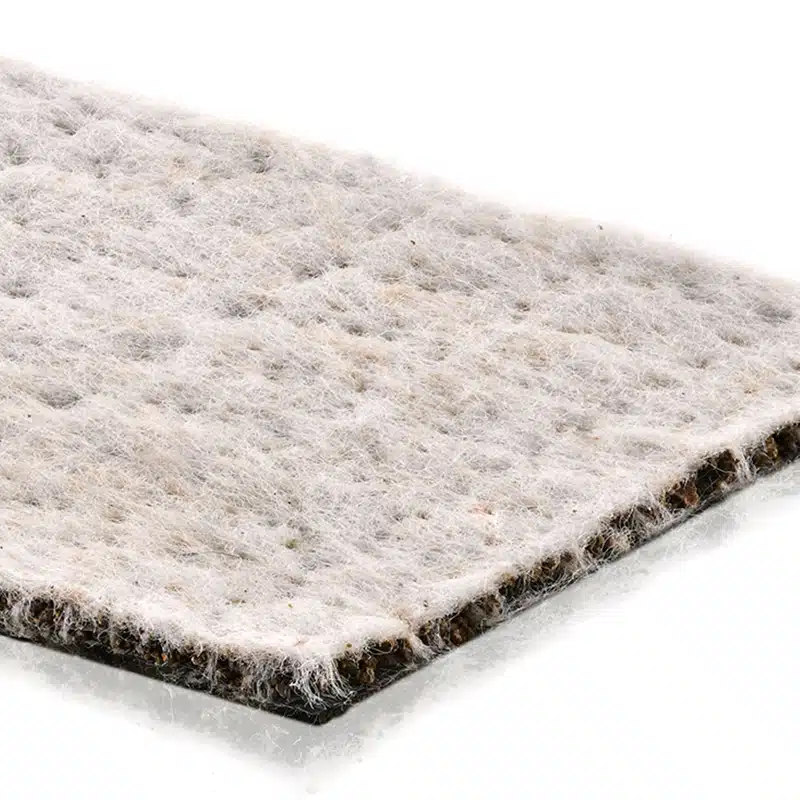
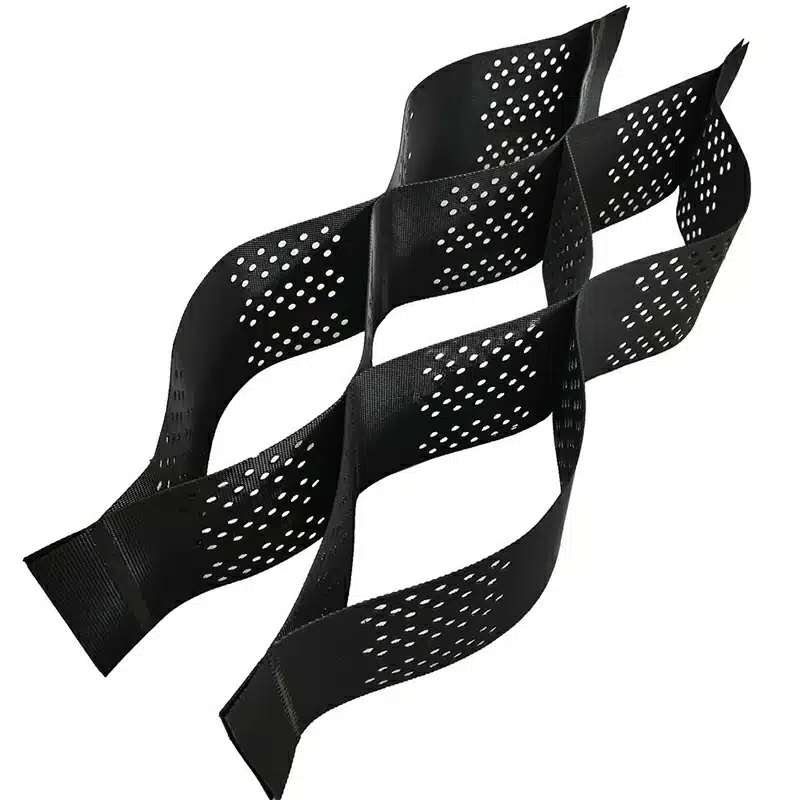
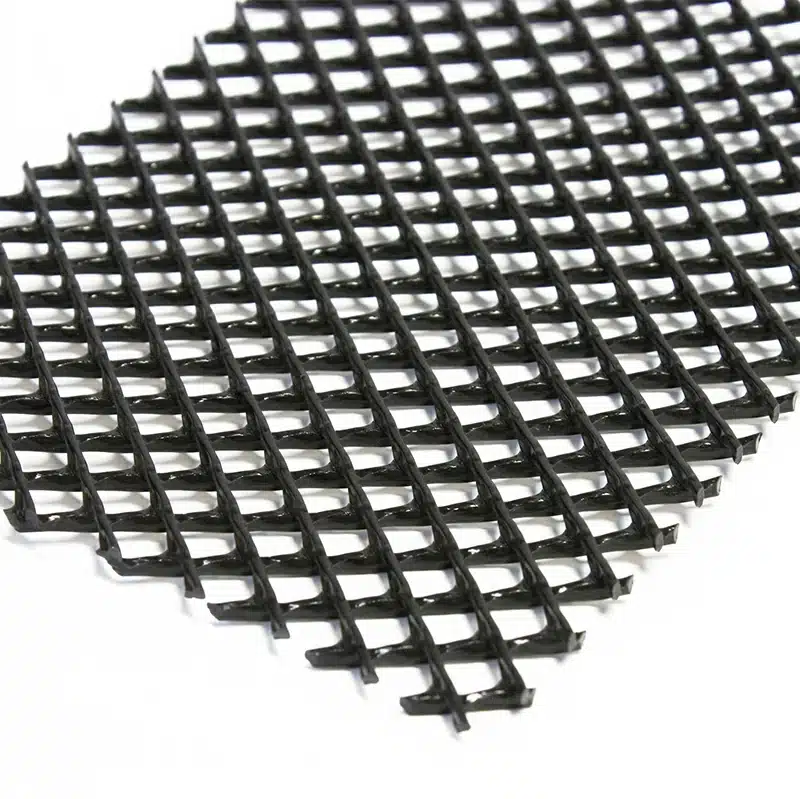
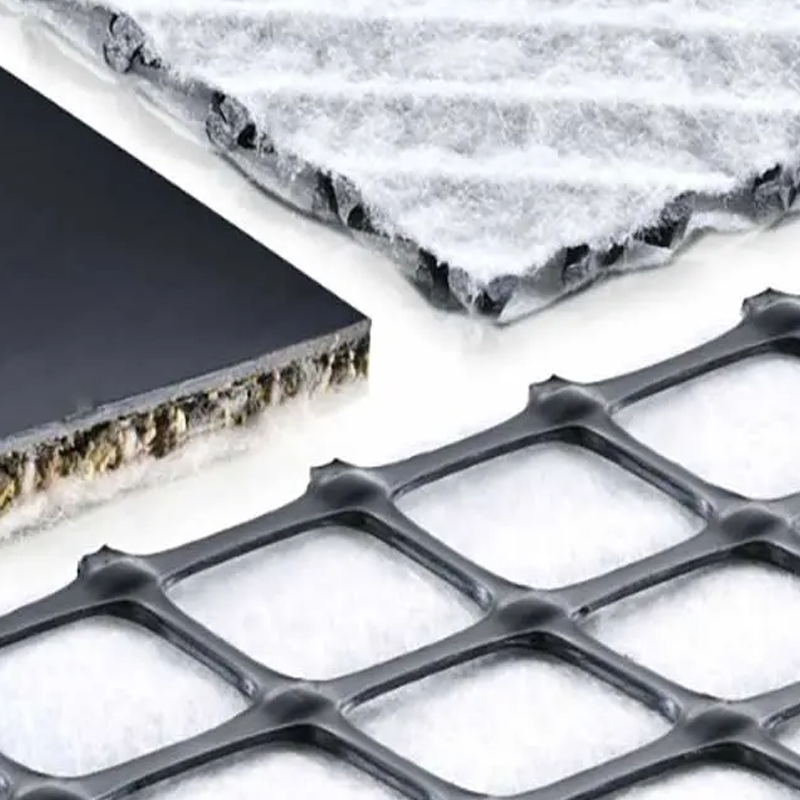
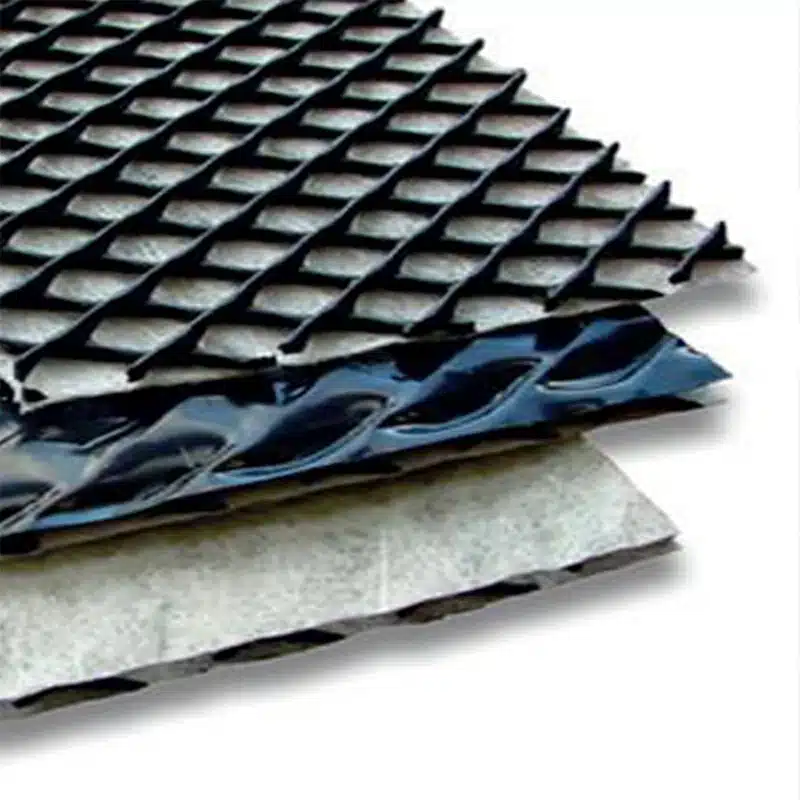
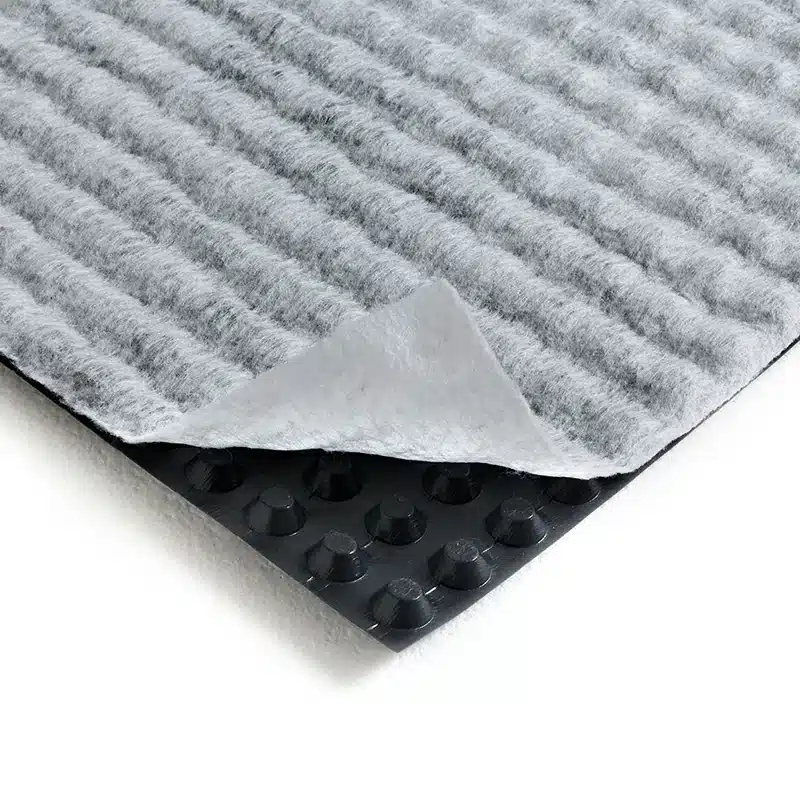
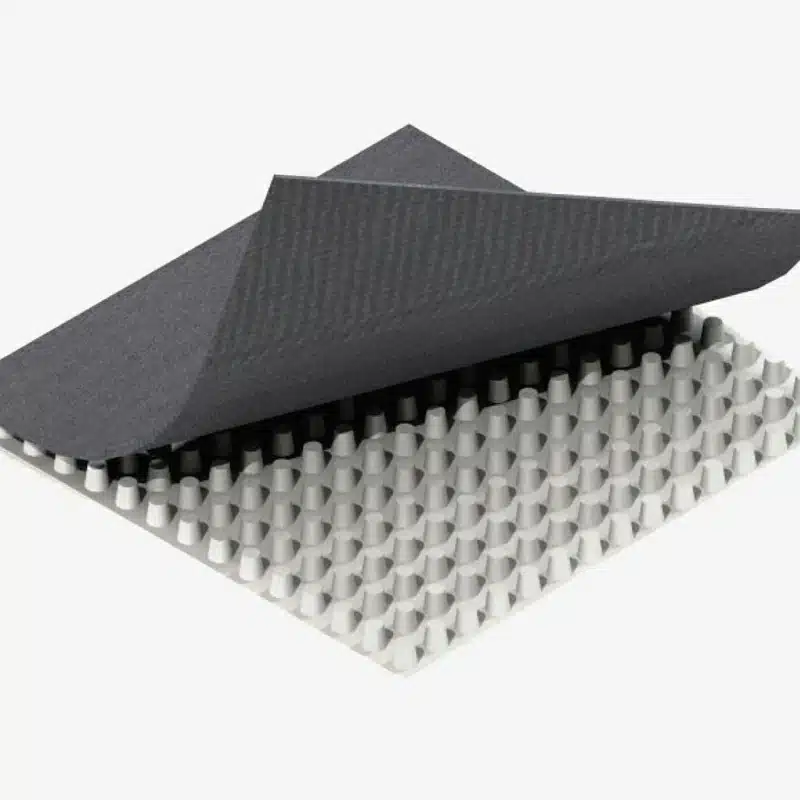
Geocomposite drainage typically combines a permeable geotextile filter with a polymer drainage core. The geotextile allows water to enter while helping retain fine soil particles. Meanwhile, the core creates a continuous pathway that conveys collected water toward pipes or designated outlets.
Compared with some conventional aggregate drainage systems, geocomposite drain strips can provide drainage capacity within a relatively thin profile. This can simplify installation and reduce the volume of drainage aggregate required, depending on the project design.
The final specification should consider soil conditions, expected water flow, applied pressure, filtration requirements, and the configuration of the drainage outlet.
How Does a Geocomposite Drainage System Manage Water?
Water first passes through the geotextile filter and enters the drainage core. The core then transports it toward a collection pipe or another specified discharge point.
This process helps prevent excessive water accumulation behind or beneath structures. Effective drainage can also reduce hydrostatic pressure and limit problems associated with prolonged moisture exposure.
For long-term performance, geocomposite drain strips should provide sufficient in-plane flow capacity under the expected loading conditions. Engineers should therefore evaluate hydraulic properties together with compressive behavior and filtration performance.
Geocomposite Drainage Core and Filter Fabric Functions
The polymer core creates channels through which water can flow. Its structure must maintain adequate drainage capacity when subjected to soil or structural pressure.
The geotextile performs the filtration function. It allows water to pass while helping prevent soil particles from entering and obstructing the drainage pathway.
What Are Geocomposite Drain Strips?
These products consist of a polymer drainage core bonded to or wrapped with geotextile filter fabric. Depending on the design, filtration material may be applied to one or both sides of the core.
The combination creates a compact drainage system that performs both filtration and water conveyance. Properly specified geocomposite drainage products can maintain a continuous flow path while helping limit the migration of surrounding soil particles.
Product selection should not rely on thickness alone. Core configuration, transmissivity, geotextile properties, compressive strength, roll dimensions, and installation conditions should also be reviewed before purchasing.
Where Are Geocomposite Drain Strips Used?
These drainage products can be incorporated into many civil, transportation, environmental, and building projects.
Typical applications include:
- Foundation drainage to manage water around below-grade structures.
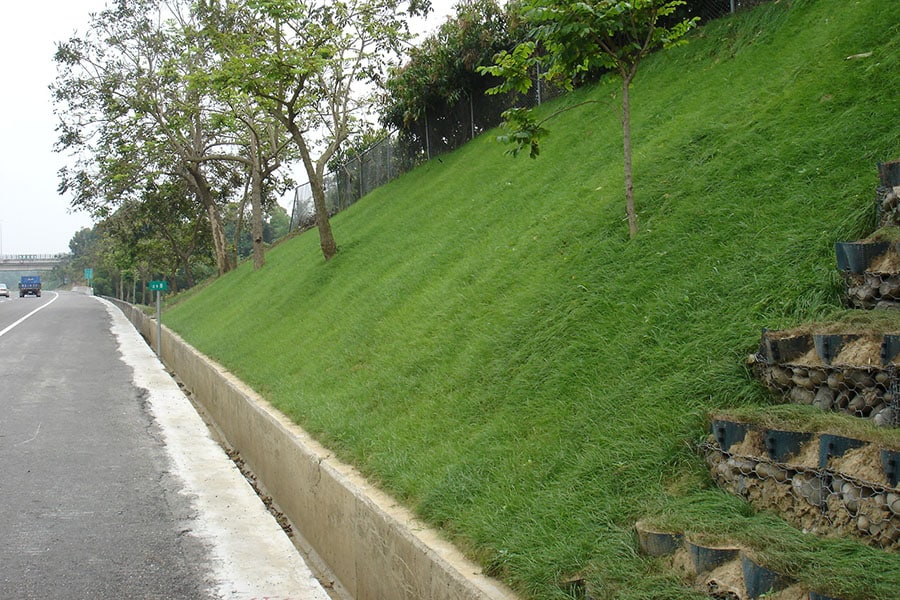
- Retaining walls to help relieve hydrostatic pressure.
- Basement drainage to control subsurface moisture.
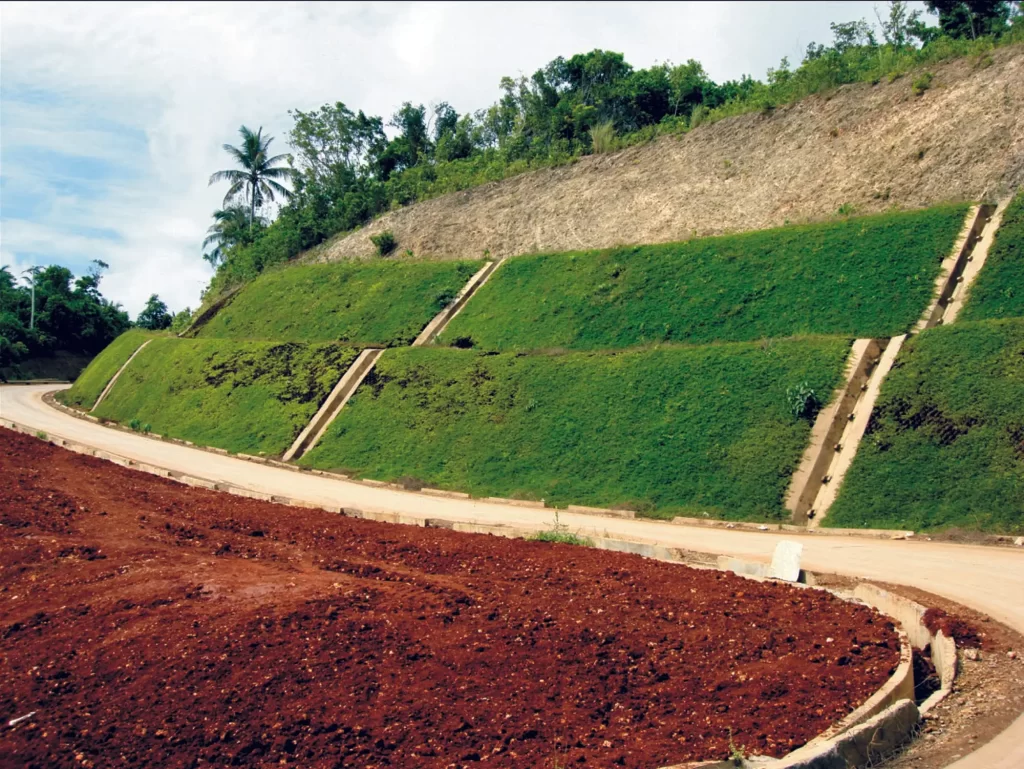
- Roads and highways where subsurface water must be removed.
- Landscaping and green infrastructure requiring controlled drainage.
- Environmental projects where filtration and drainage are required together.
For retaining walls and foundations, geocomposite drain strips can provide a direct drainage pathway behind the structure. In transportation projects, drainage geocomposites may help remove water from areas where prolonged saturation could affect surrounding materials.
What Are the Main Benefits?
One important advantage is the integration of filtration and drainage into a single manufactured product. This simplifies the drainage layer and can make transportation and installation more efficient.
Other benefits include:
- Efficient collection and conveyance of water.
- Reduced hydrostatic pressure when correctly designed.
- Separation of soil particles from drainage pathways.
- Lightweight rolls that simplify handling on site.
- Compatibility with different civil engineering applications.
- Reduced reliance on drainage aggregate in suitable designs.
Because these drainage geocomposites are manufactured in controlled dimensions, they can also provide consistent properties across large project areas. However, actual performance depends on correct product selection, outlet design, installation, and site conditions.
How Can I Install Geocomposite Drain Strips?
Installation begins with preparing the surface according to the engineering design. Sharp projections, loose materials, or other conditions that could damage the product should be addressed before placement.
The drainage material is then positioned with the correct orientation and connected to the specified collection or discharge system. Joints, overlaps, terminations, and connections should follow the project specifications and manufacturer’s recommendations.
During backfilling, installers should avoid excessive displacement or damage to the drainage core and filter layer. Maintaining an uninterrupted flow path is essential for reliable operation.
Before purchasing geocomposite drain strips, buyers should provide information about the application, installation depth, expected loads, drainage requirements, dimensions, and required quantity. These details allow manufacturers to recommend a suitable specification and prepare a more accurate quotation.
When properly selected and installed, geocomposite drainage systems offer a practical way to combine filtration and water conveyance in foundations, retaining walls, transportation infrastructure, and environmental projects.
Get Free Sample
We’ll respond as soon as possible(within 12 hours)