


+86-159 9860 6917
info@geofantex.com
geofantex@gmail.com
+86-400-8266163-44899
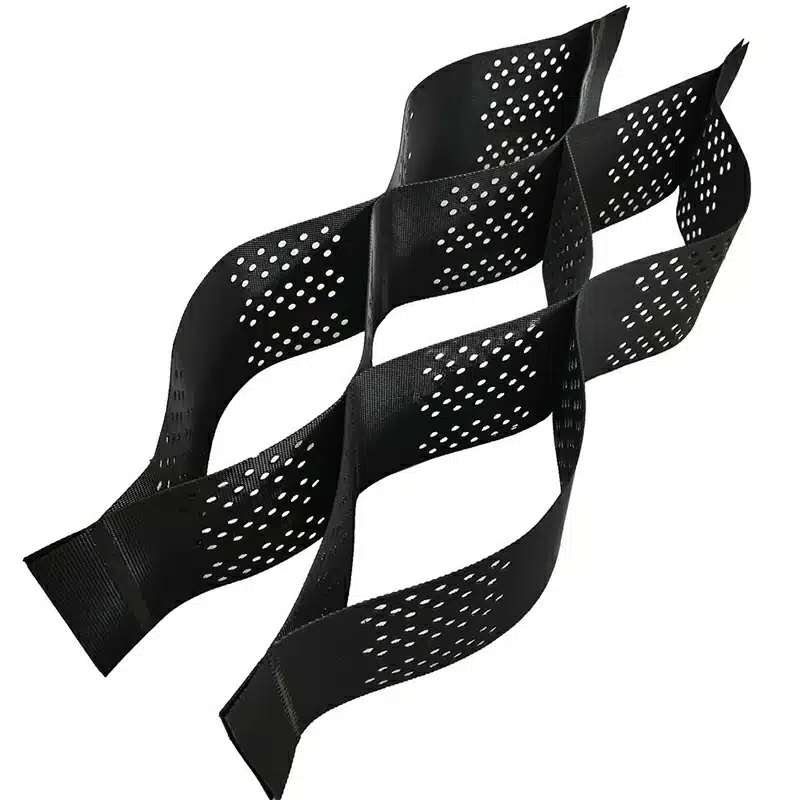
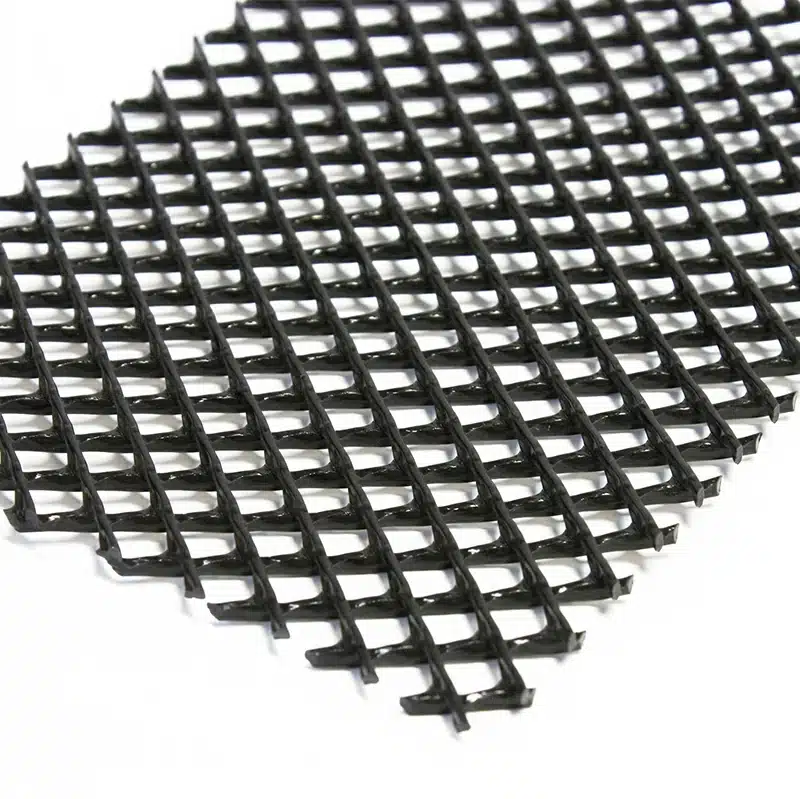
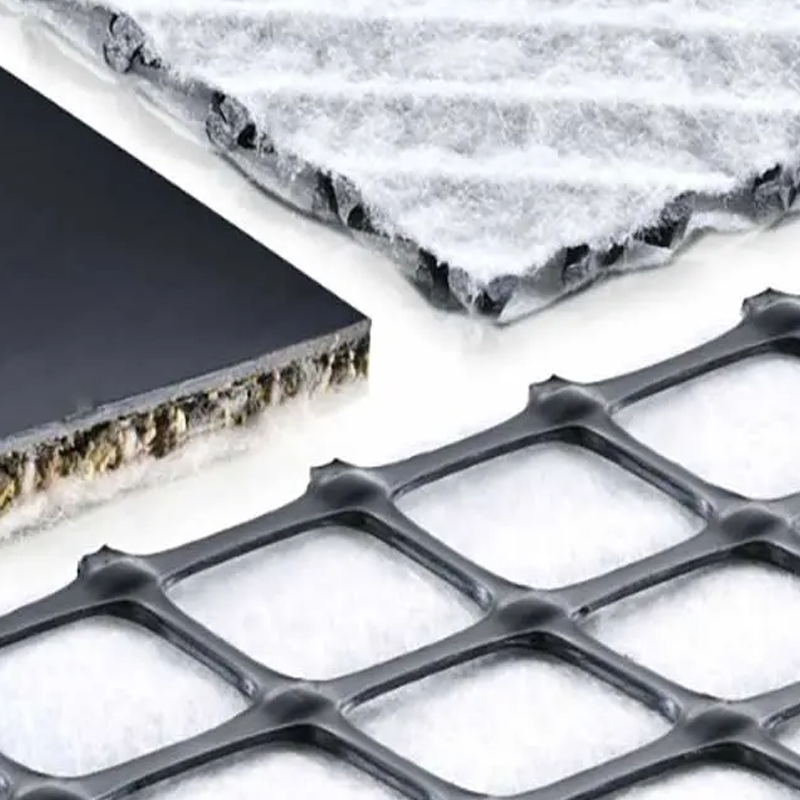
Geogrids are widely used in civil engineering projects to enhance soil stability, improve load distribution, and reduce long-term maintenance costs. For buyers and project contractors, choosing the right reinforcement material directly impacts performance, durability, and overall project ROI.
How geogrids Solve Soil Stabilization Challenges
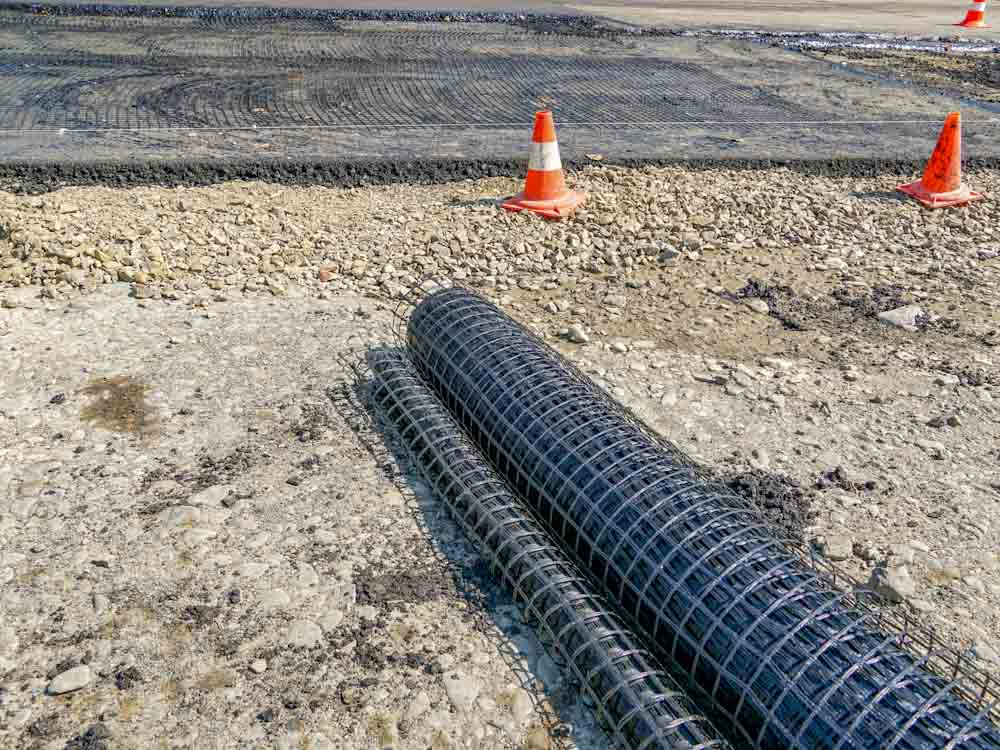
Weak subgrades, excessive settlement, and poor load-bearing capacity are common issues in infrastructure projects. These problems often lead to structural deformation and increased maintenance cycles. By integrating geogrids into the base layer, engineers can create a mechanically stabilized system that improves interlock between aggregates and distributes loads efficiently.
This reinforcement mechanism transforms weak soils into stable foundations, especially in road construction and embankment systems. Many contractors rely on high-strength geogrids reinforcement solutions for road base stabilization to achieve long-term durability while reducing material consumption.
Why geogrids Improve Pavement Performance
Roads and highways are constantly subjected to dynamic loads, which can cause rutting and cracking over time. Without reinforcement, aggregates tend to shift laterally, weakening the pavement structure. The application of geogrids restricts this movement and maintains structural integrity under repeated loading conditions.
In practical applications, using geogrids allows engineers to reduce base thickness while maintaining performance standards. This not only lowers construction costs but also extends service life. Many infrastructure developers prefer durable geogrids systems for heavy traffic pavement applications to balance performance and cost efficiency.
When to Use geogrids in Slope and Retaining Systems
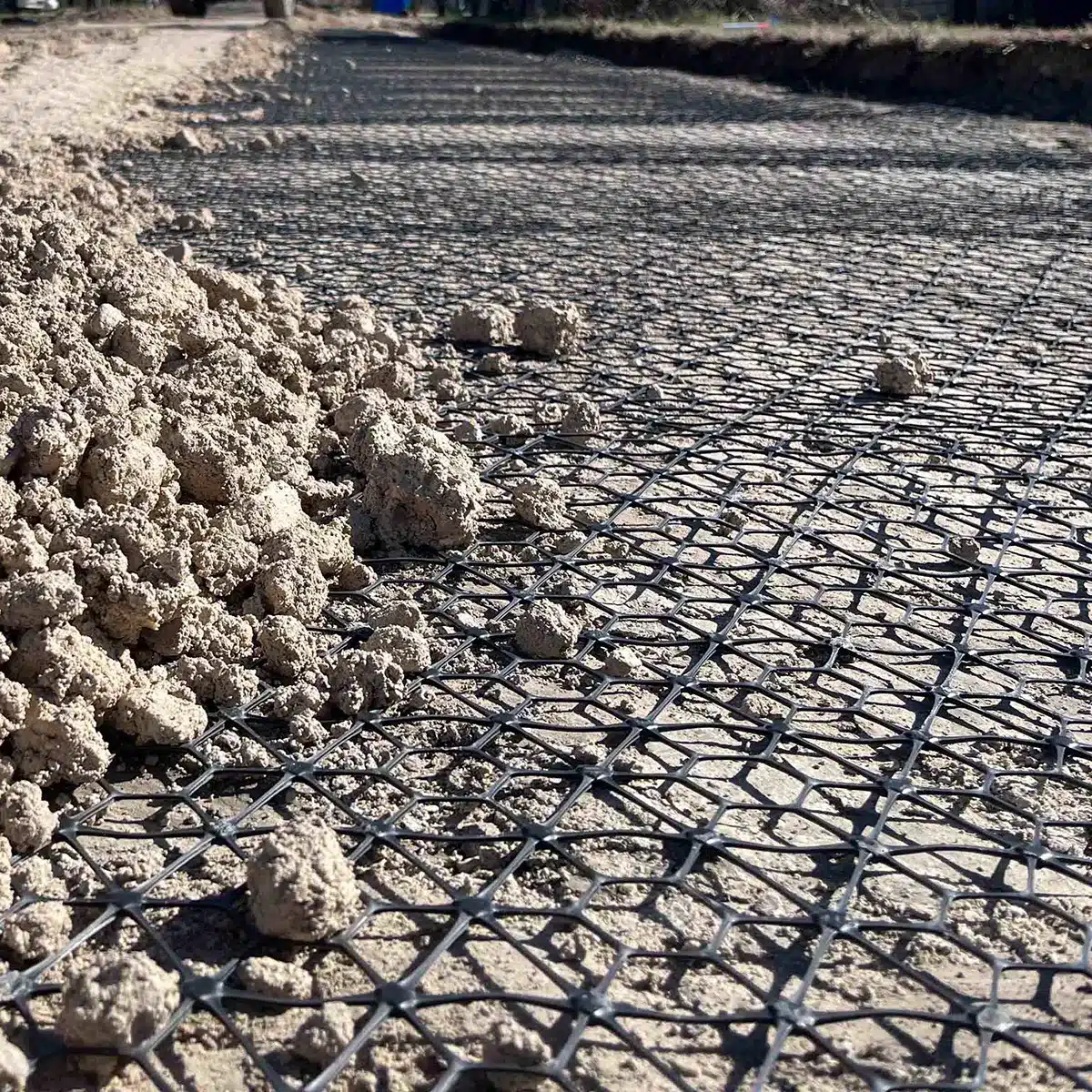
Slope instability is a critical issue in areas with loose soil, steep gradients, or water infiltration. Traditional concrete solutions can be expensive and less adaptable to environmental conditions. In contrast, geogrids provide a flexible reinforcement system that integrates with soil to form a stable composite structure.
They are particularly effective in reinforced soil walls and steep slopes, where tensile strength and soil interaction are essential. Engineers often choose engineered geogrids solutions for reinforced soil slope systems to ensure both structural safety and environmental compatibility.
How to Select the Right geogrids for Your Project
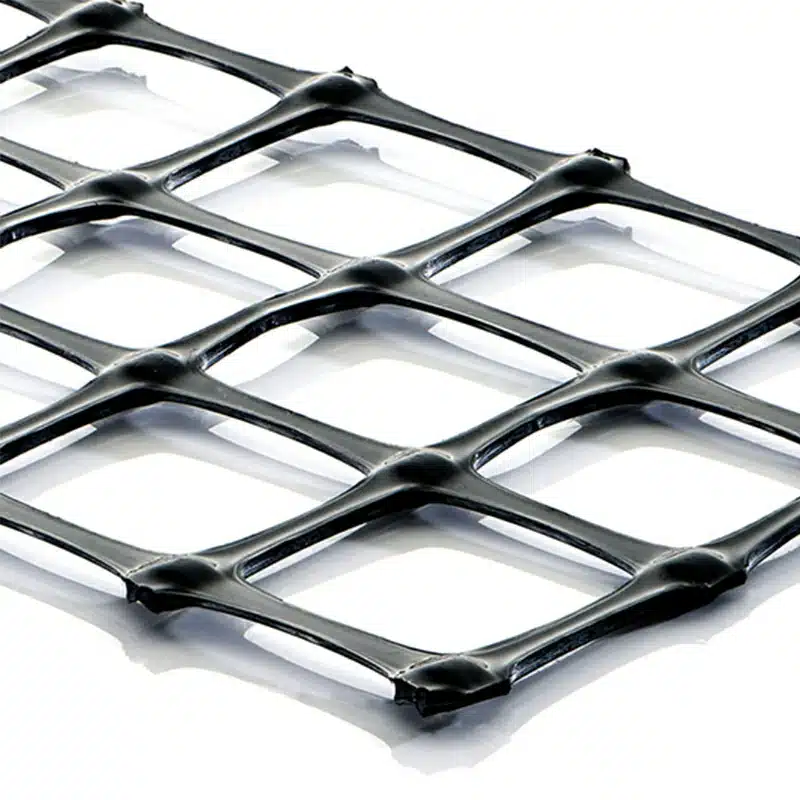
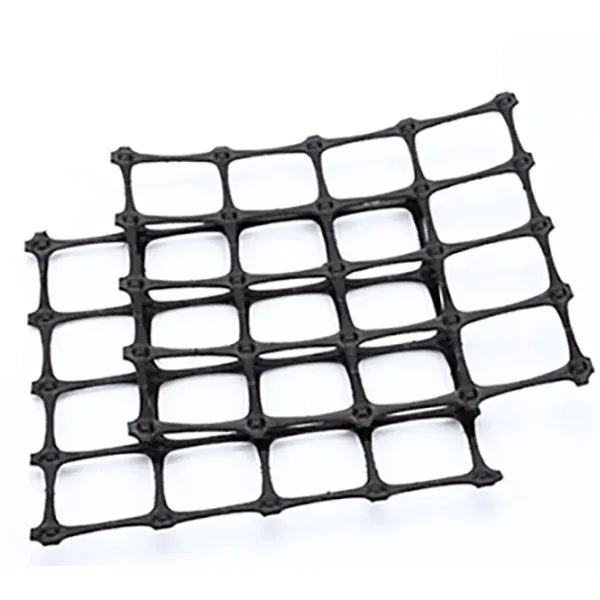
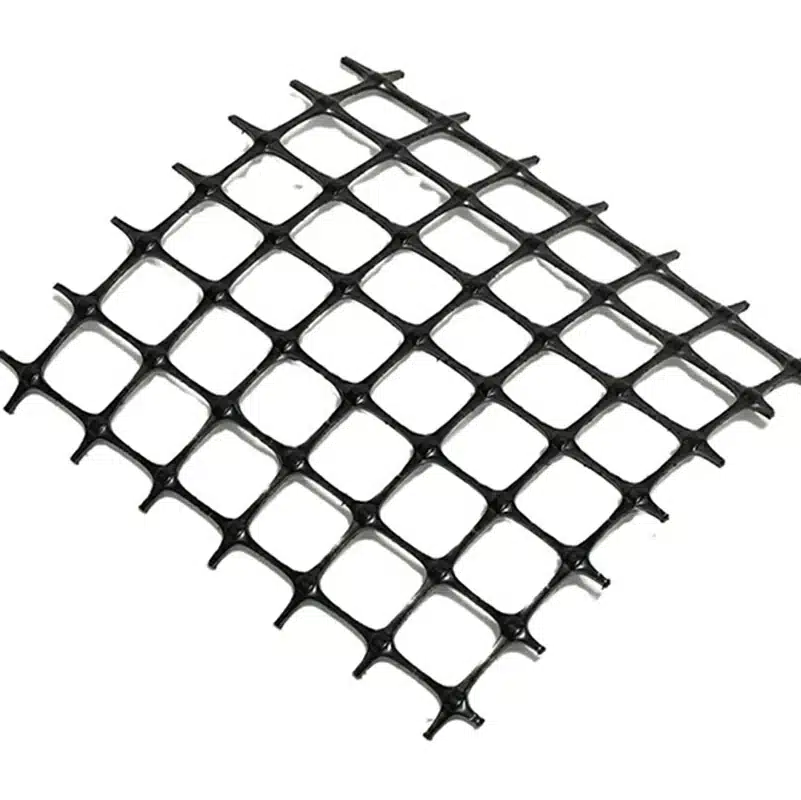
Tensile strength must match load requirements, while aperture size should align with aggregate gradation for optimal interlock. Additionally, environmental factors such as UV exposure, chemical resistance, and installation conditions must be considered.
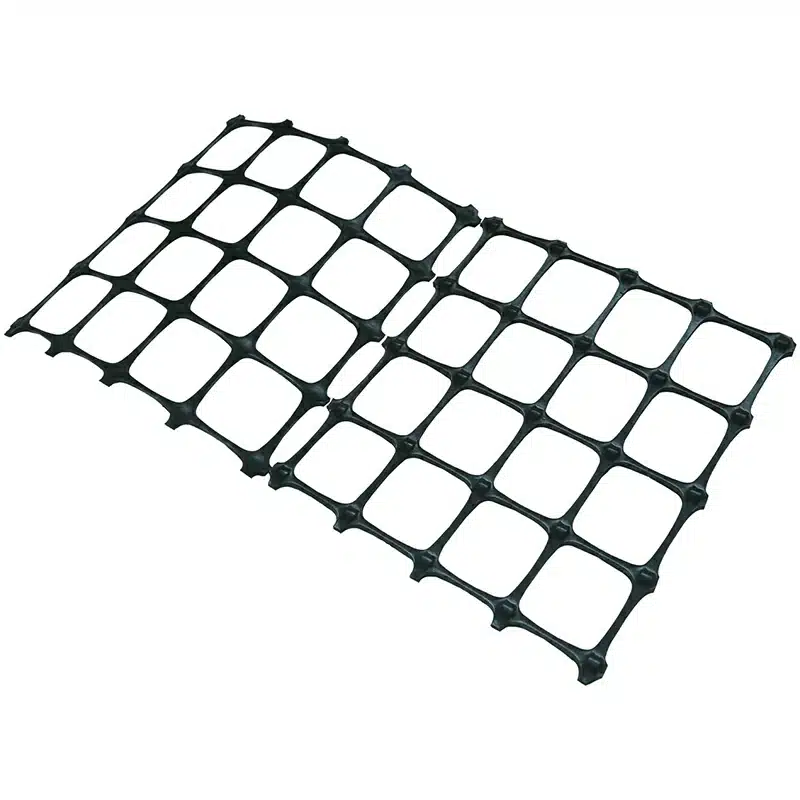
Modern geogrids are available in different materials such as polypropylene, polyester, and fiberglass, each suited to specific applications. For procurement teams, choosing reliable geogrids supply for infrastructure and construction projects ensures consistent quality and long-term performance.
Geogrids play a crucial role in modern geotechnical engineering by improving soil strength, reducing deformation, and enhancing infrastructure longevity. From road construction to slope stabilization, they provide a cost-effective and reliable solution for a wide range of applications. By selecting the appropriate type and specification, projects can achieve better performance, lower lifecycle costs, and improved structural safety.
Get Free Sample
We’ll respond as soon as possible(within 12 hours)