

+86-159 9860 6917
info@geofantex.com
geofantex@gmail.com
+86-400-8266163-44899
Geosynthetic liner solutions play a critical role in modern containment projects where leakage prevention, environmental protection, and long-term durability are essential. Whether used for water storage facilities, landfill systems, mining operations, or industrial ponds, selecting the right liner directly impacts project performance and regulatory compliance. For project owners and contractors, understanding the key benefits and applications of these systems helps ensure better project outcomes.
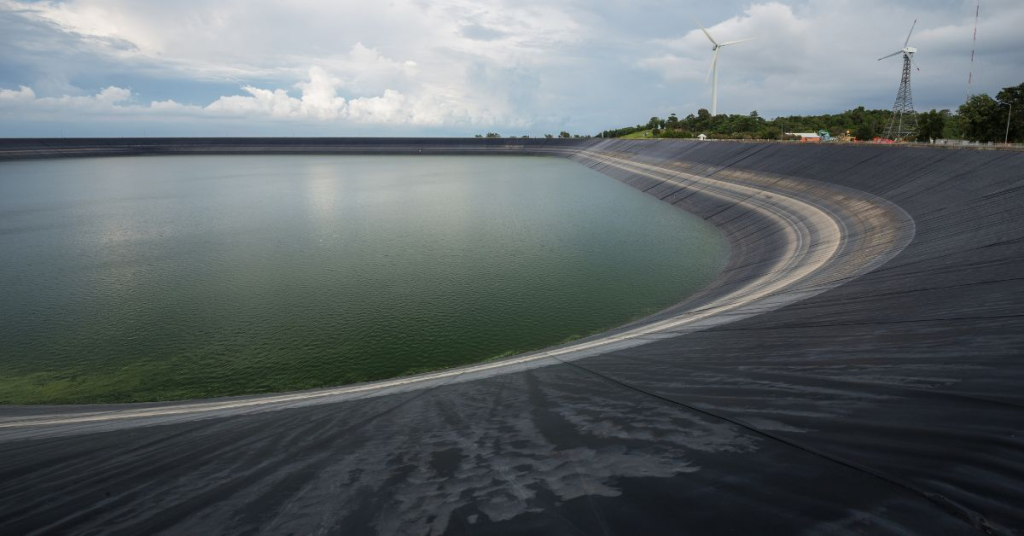
What Is a Geosynthetic Liner?
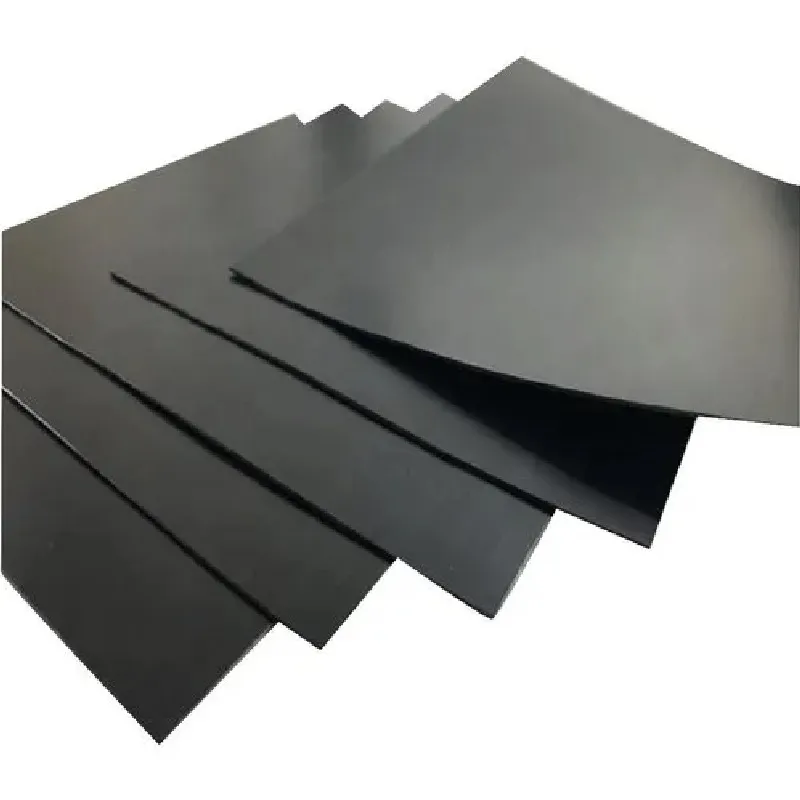
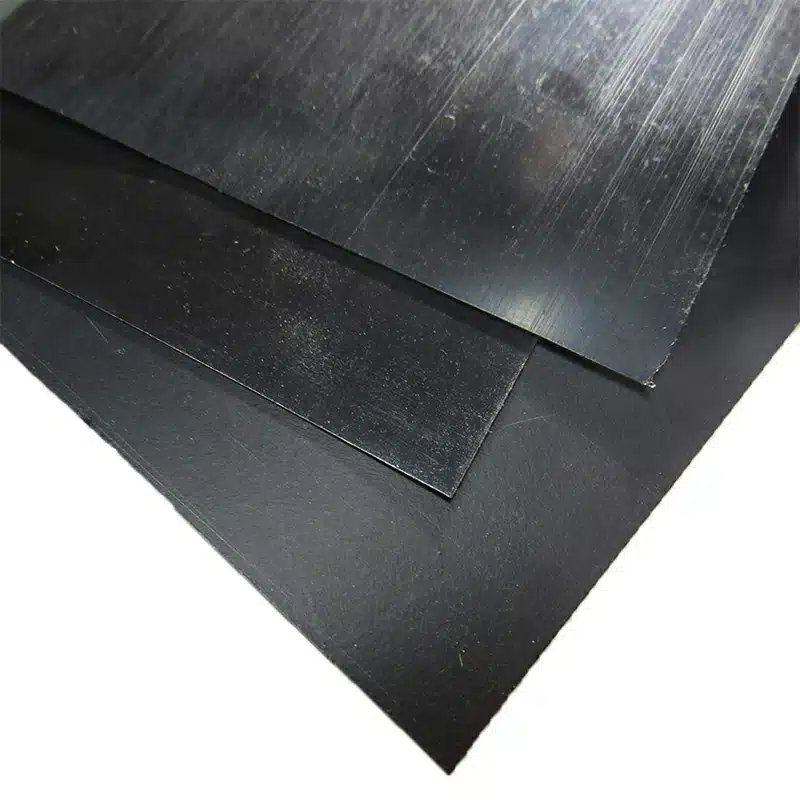
An engineered containment system creates a barrier that prevents liquids, chemicals, and contaminants from moving into surrounding soil and groundwater. Manufacturers design these systems to provide reliable impermeability and strong mechanical performance under a wide range of site conditions.
Compared with traditional compacted clay barriers, geosynthetic solutions offer easier installation, improved quality control, and more predictable performance. Many engineers choose these systems because they reduce construction time while providing reliable long-term containment.
Organizations looking for advanced geosynthetic liner solutions for containment projects often prioritize durability, chemical resistance, and compliance with environmental standards when selecting materials.
How Does a Geosynthetic Liner Support Water Resource Management?
Water conservation projects require effective seepage control to maximize efficiency. Containment systems help reduce water loss in reservoirs, irrigation canals, stormwater retention ponds, and agricultural storage facilities.
By minimizing infiltration into the surrounding ground, liner systems improve water retention and reduce operational costs. This is particularly important in regions facing water scarcity or strict water management requirements.
In addition to water conservation benefits, liner systems help maintain water quality by reducing contamination from external sources. This makes them an ideal solution for municipal, agricultural, and industrial water management applications.
For project owners evaluating geosynthetic liner systems for water management infrastructure, long-term performance and low maintenance requirements often provide significant lifecycle cost advantages.
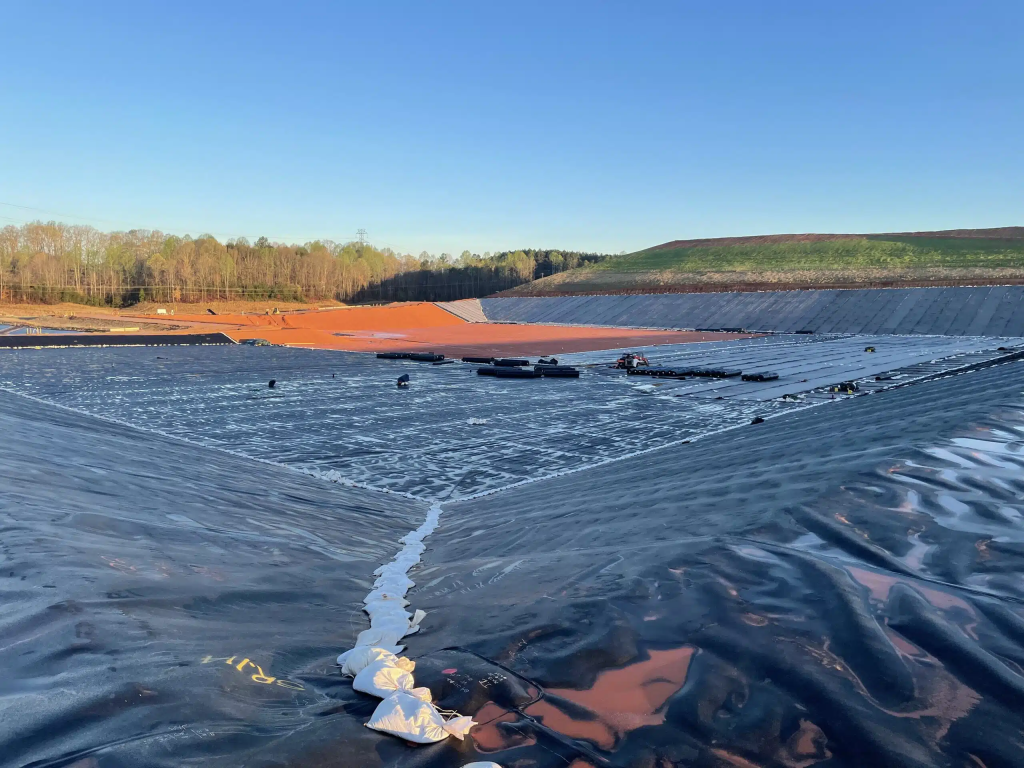
Why Are Containment Systems Important for Waste Management?
Waste management facilities rely on dependable barriers to protect the environment and meet regulatory requirements. In landfill and waste storage applications, these systems help prevent leachate from reaching groundwater and surrounding ecosystems.
Modern landfill designs often include multiple layers of protection. Engineered barriers serve as a key component within these systems. They help operators reduce environmental risks while supporting long-term facility performance.
Because waste containment systems operate under challenging conditions, material quality is essential. High-performance liners offer excellent puncture resistance, chemical stability, and long service life, helping operators maintain safe and efficient facilities.
Many contractors choose geosynthetic liner products for landfill and waste enclosure applications because they deliver proven performance in demanding environments.
Why Are Geosynthetic Liners Important for Waste Containment?
Choosing the right liner requires evaluating several technical and commercial factors. Material thickness, chemical resistance, tensile strength, UV stability, and installation conditions should all be considered during the selection process.
Project requirements vary significantly depending on the application. Water storage projects may prioritize seepage control and durability, while waste containment facilities often focus on chemical resistance and environmental compliance.
Working with an experienced manufacturer can simplify the selection process by ensuring that product specifications align with project goals. Technical support, quality documentation, and consistent manufacturing standards are equally important when comparing suppliers.
Why Partner with Geofantex?
Geofantex specializes in geosynthetic products designed to support environmental protection and infrastructure development projects worldwide. Through advanced manufacturing technology and strict quality control processes, the company delivers reliable containment materials that meet international standards.
Customers benefit from professional technical guidance, customized product recommendations, and dependable global supply capabilities. Whether the project involves water resource management, landfill engineering, mining operations, or industrial containment, Geofantex provides solutions designed to support long-term performance and project success.
A geosynthetic liner is an essential component of modern containment systems, providing effective leakage prevention, environmental protection, and operational reliability. From water resource management projects to landfill and waste enclosure applications, these engineered barriers help organizations achieve regulatory compliance and long-term cost efficiency. By partnering with an experienced supplier such as Geofantex, project owners can access high-quality materials and technical expertise that contribute to successful project outcomes.
Get Free Sample
We’ll respond as soon as possible(within 12 hours)