

+86-159 9860 6917
info@geofantex.com
geofantex@gmail.com
+86-400-8266163-44899
Geocell driveway systems are increasingly used for farm roads, gravel driveways, rural access routes, and other unpaved surfaces where buyers need better ground stability and longer service life. For contractors and project purchasers, selecting the correct geocell specification can help control aggregate movement, improve load distribution, and reduce maintenance requirements, particularly when roads are constructed over soft or variable subgrades.
Improving the Performance of Unpaved Roads
Traditional gravel roads can gradually develop rutting, depressions, and loose aggregate under repeated vehicle traffic. These problems become more significant when the underlying soil has low bearing capacity or when rainfall causes the subgrade to soften.
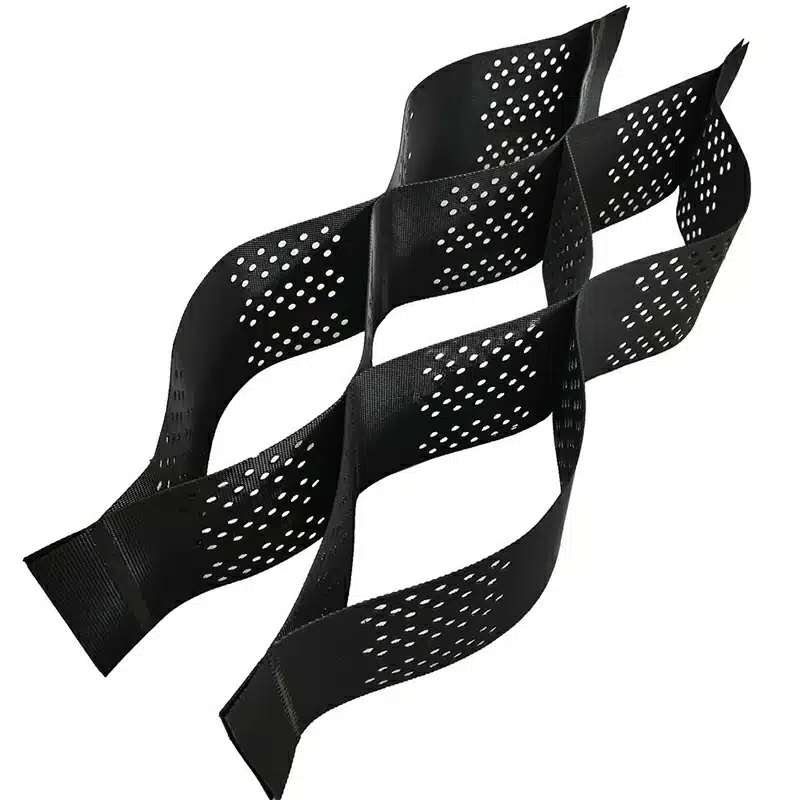
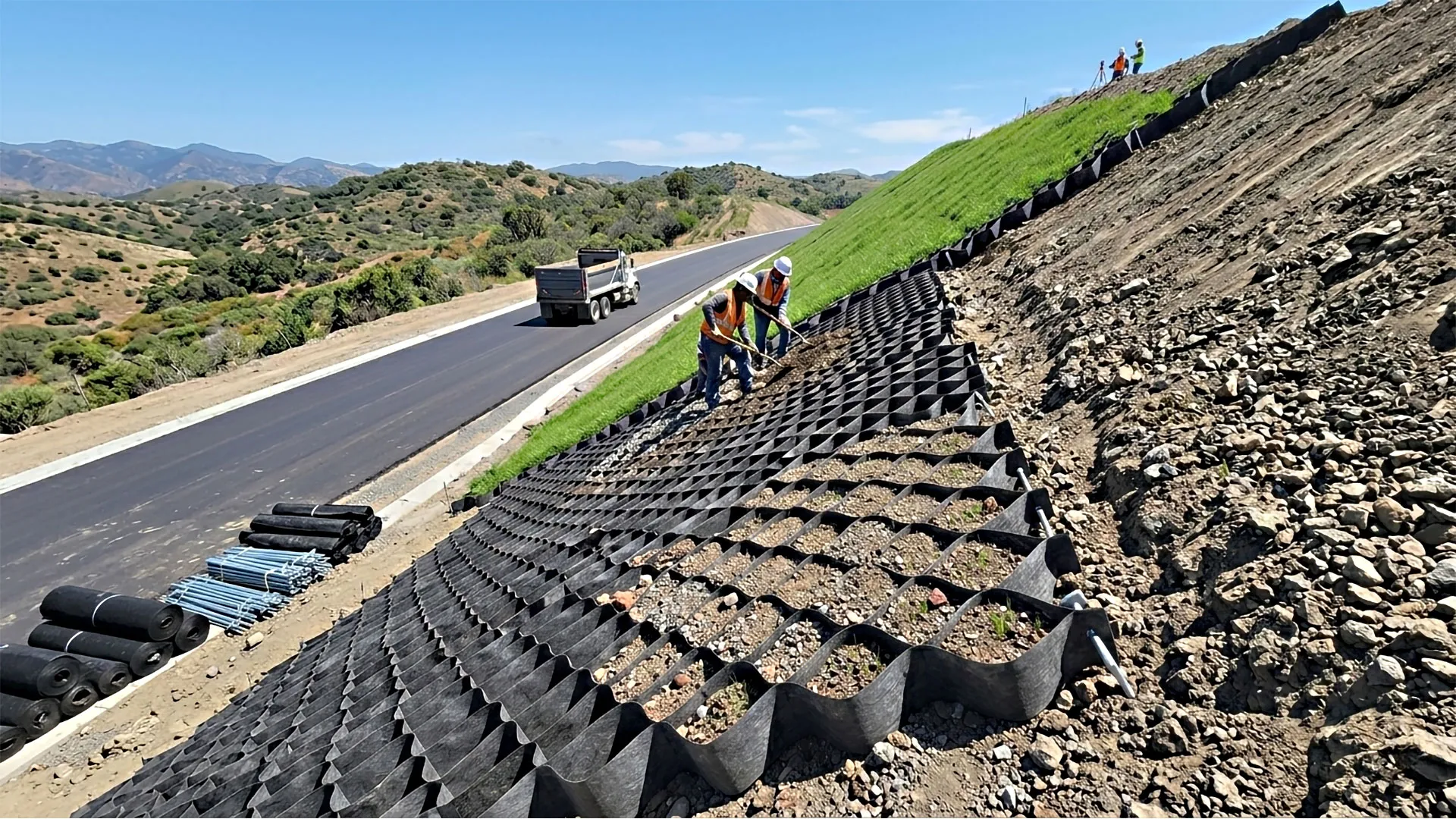
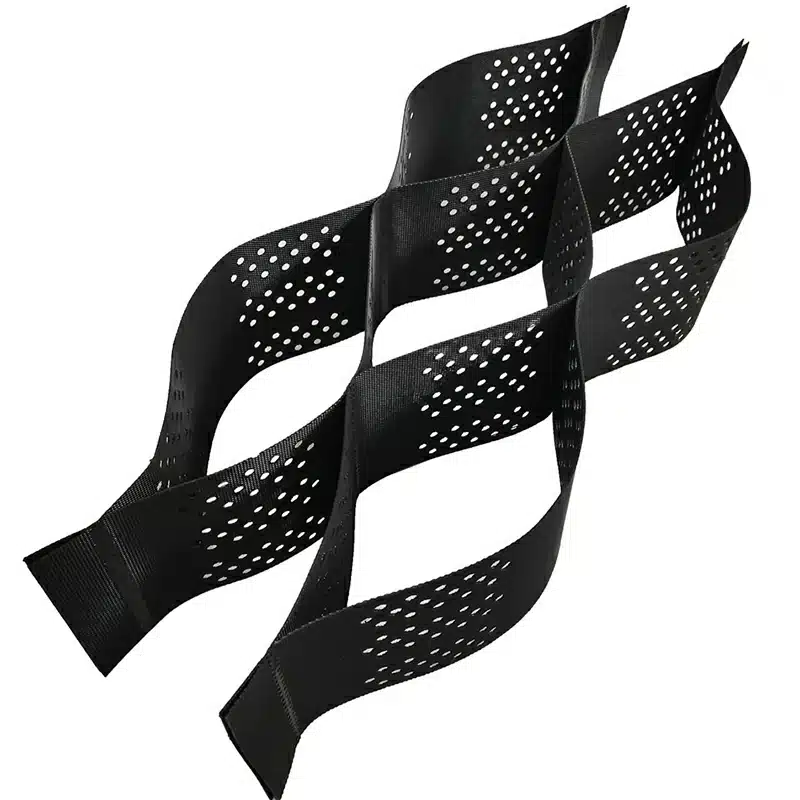
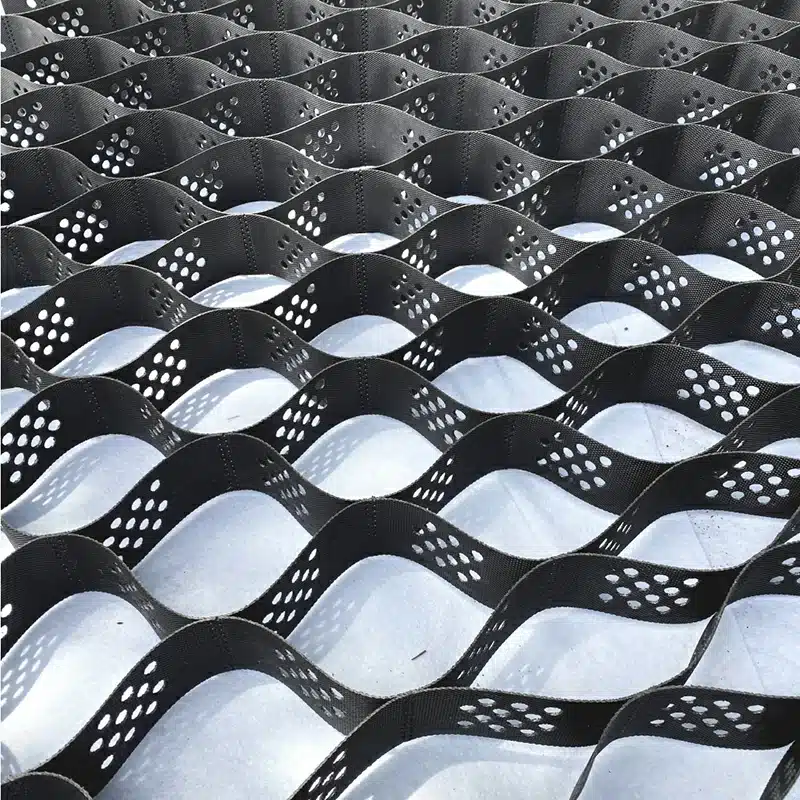
A geocell system addresses these conditions through three-dimensional cellular confinement. Once the expanded cells are filled with gravel or crushed aggregate, the cell walls restrict lateral movement of the infill. This creates a more stable structural layer and helps distribute vehicle loads across a wider area.
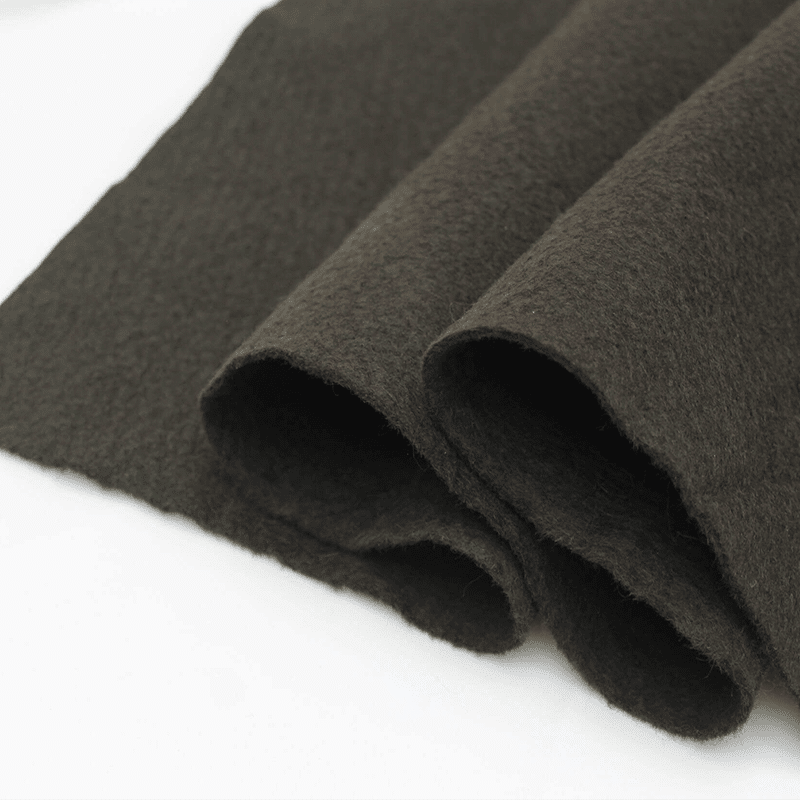
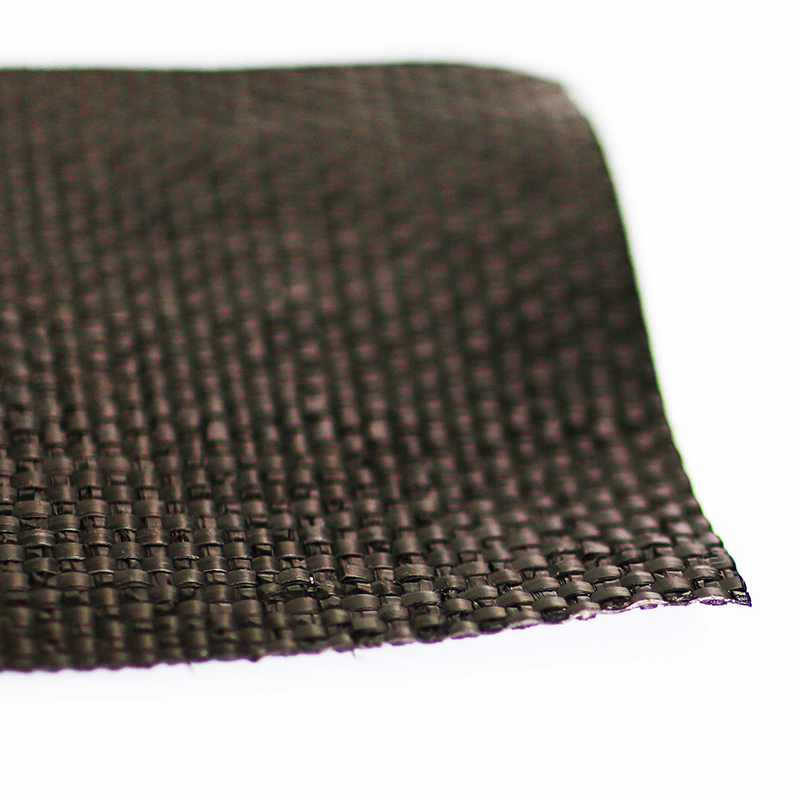
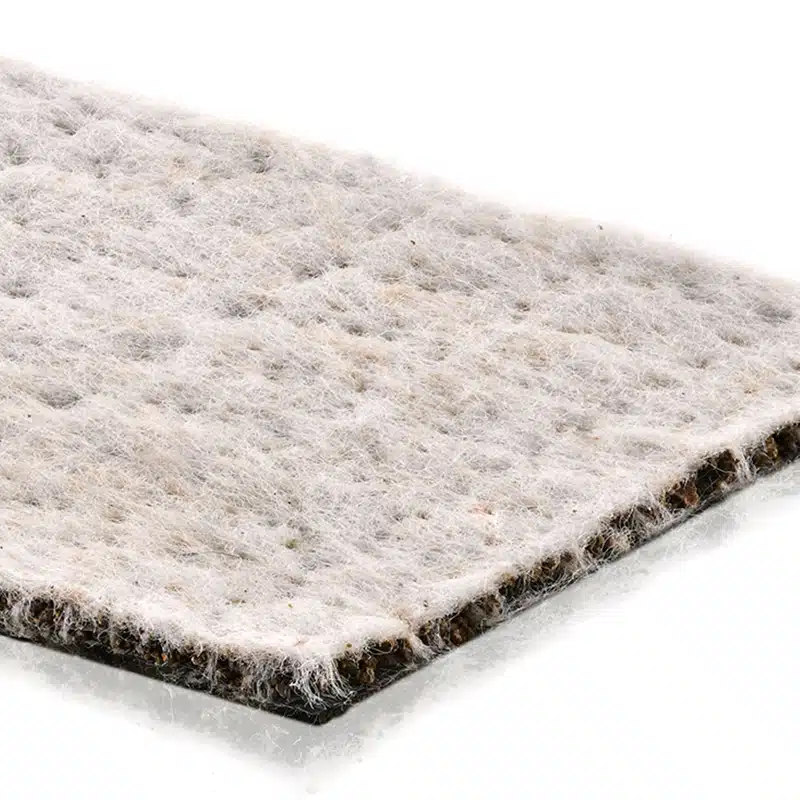
For projects involving weak subgrades, a geotextile can also be installed beneath the geocell. The geotextile provides separation between the aggregate and natural soil, while the geocell provides confinement.
For project planning, understanding geocell driveway stabilization for weak subgrades can help engineers and buyers determine whether cellular confinement is suitable for the expected traffic and site conditions.
Geocell Driveway Case 1: Agricultural Access Road
Agricultural roads often carry tractors, harvesters, loaded trailers, and other equipment while being exposed to seasonal rainfall and changing soil moisture. A conventional gravel surface can become unstable when repeated wheel loads force aggregate sideways or into a soft subgrade.
In a typical agricultural access road project, the existing soil is first graded and prepared. Where separation is necessary, geotextile is placed directly over the subgrade. Geocell panels are then expanded, connected, and filled with locally available crushed aggregate.
The cellular structure helps retain the aggregate within the road section instead of allowing it to migrate toward the shoulders. This is particularly valuable along wheel paths, where repeated agricultural traffic creates concentrated loading.
For farms, plantations, livestock facilities, and other rural projects, geocell driveway solutions for agricultural roads can provide a practical approach when improving an existing unpaved road or constructing a new access route.
Geocell Driveway Case 2: Gravel Road Stabilization
Gravel roads are economical and relatively simple to construct, but maintaining an even surface can become difficult under frequent traffic. Loose aggregate can move laterally, while weak areas beneath the road may develop localized settlement and rutting.
A cellular structure changes how the filled layer responds to wheel loads. Instead of depending only on material thickness and compaction, the cells physically restrict the movement of the infill.
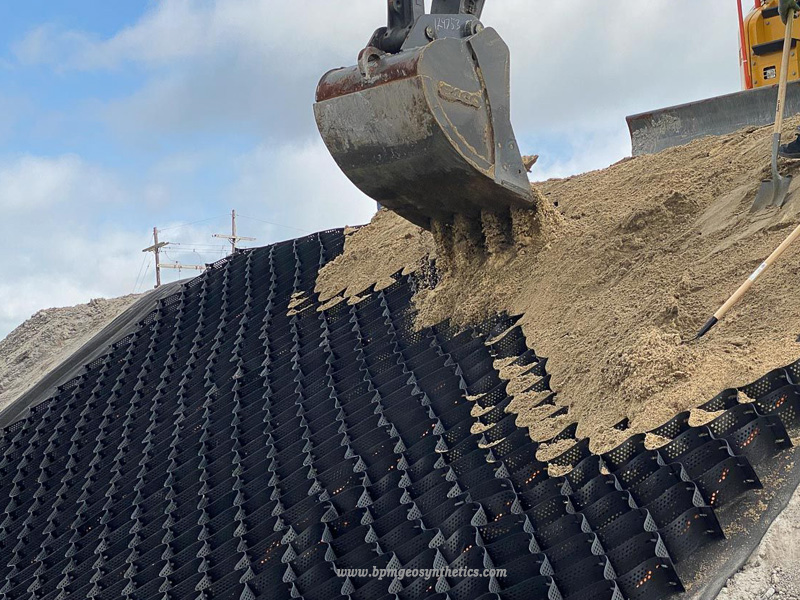
For a gravel access road, geocell can be expanded over the prepared foundation and filled with appropriately graded aggregate. The infill is then compacted according to the project requirements, with an additional surface layer used where required by the design.
This configuration applies to residential entrances, industrial access routes, temporary construction roads, parking areas, and rural gravel roads.
Buyers evaluating geocell driveway systems for gravel road construction should consider cell depth, panel dimensions, material properties, subgrade strength, aggregate type, drainage conditions, and anticipated vehicle loads before selecting a specification.
Selecting Geocell for Driveway Projects
Not every road requires the same geocell configuration. A residential driveway carrying passenger vehicles has different loading conditions from an agricultural road regularly used by tractors and loaded trucks.
Important project information should therefore be provided before procurement, including subgrade conditions, road dimensions, expected traffic, maximum vehicle loading, available infill material, drainage conditions, and required service life.
Cell depth is particularly important. Deeper cells can provide greater confinement depth, but increasing cell height should not be treated as a substitute for engineering assessment. The complete road structure—including subgrade preparation, geotextile separation, infill selection, compaction, and drainage—should be considered together.
Procurement Considerations
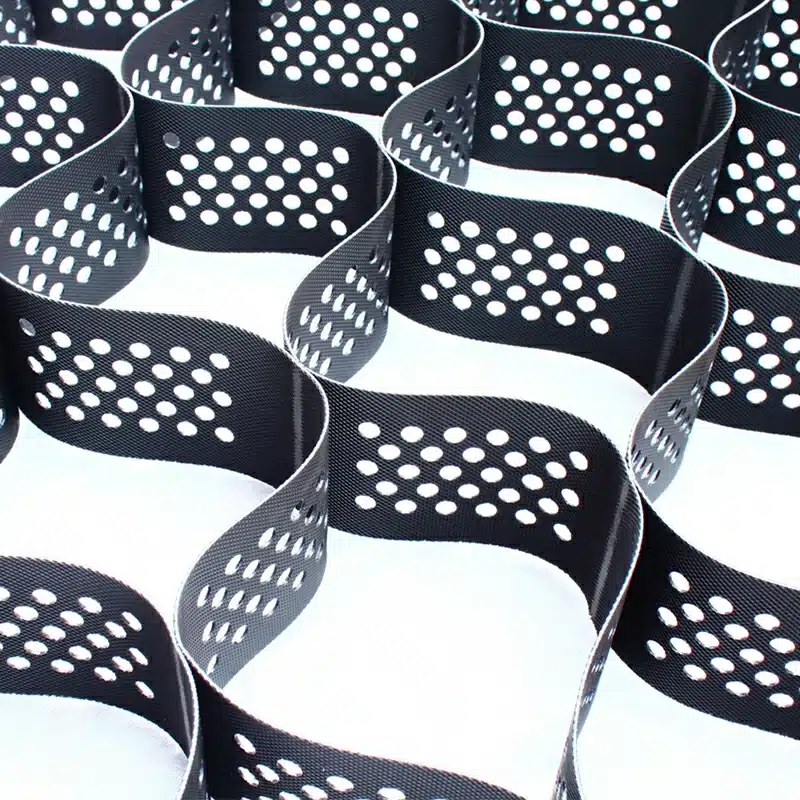
For contractors, distributors, and engineering project buyers, purchasing decisions should be based on more than panel dimensions alone. Resin quality, weld strength, cell geometry, surface texture, perforation options, manufacturing consistency, and project requirements can all influence product selection.
Before ordering a geocell driveway system, buyers should provide basic project parameters to the manufacturer. This allows the supplier to recommend a suitable product specification and estimate the required quantity according to the installation area.
For large agricultural roads, gravel access routes, or commercial driveway projects, early technical communication can also help determine suitable packing, shipping quantities, and installation requirements.
Geocell does not eliminate the need for proper road design, but when correctly specified and installed, cellular confinement can provide an effective geosynthetic solution for stabilizing aggregate surfaces and improving the performance of unpaved access roads.
Get Free Sample
We’ll respond as soon as possible(within 12 hours)