

+86-159 9860 6917
info@geofantex.com
geofantex@gmail.com
+86-400-8266163-44899
Geosynthetic clay liners (GCLs) are engineered barriers used to control liquid migration in landfills, wastewater treatment facilities, and other containment systems. Selecting the right product requires careful consideration of hydraulic performance, chemical compatibility, and site conditions.
For engineers, contractors, and procurement teams, understanding material specifications and installation requirements is essential. This guide addresses four practical questions to help buyers evaluate suitable liners, avoid common installation problems, and make informed purchasing decisions.

How Do You Select Geosynthetic Clay Liners for Different Applications?
The right liner depends on the liquid being contained, subgrade conditions, and anticipated mechanical stresses. Landfill projects require attention to leachate compatibility and long-term hydraulic performance, while wastewater treatment facilities may involve liquids that affect bentonite swelling. For slopes, internal and interface shear strength are particularly important.
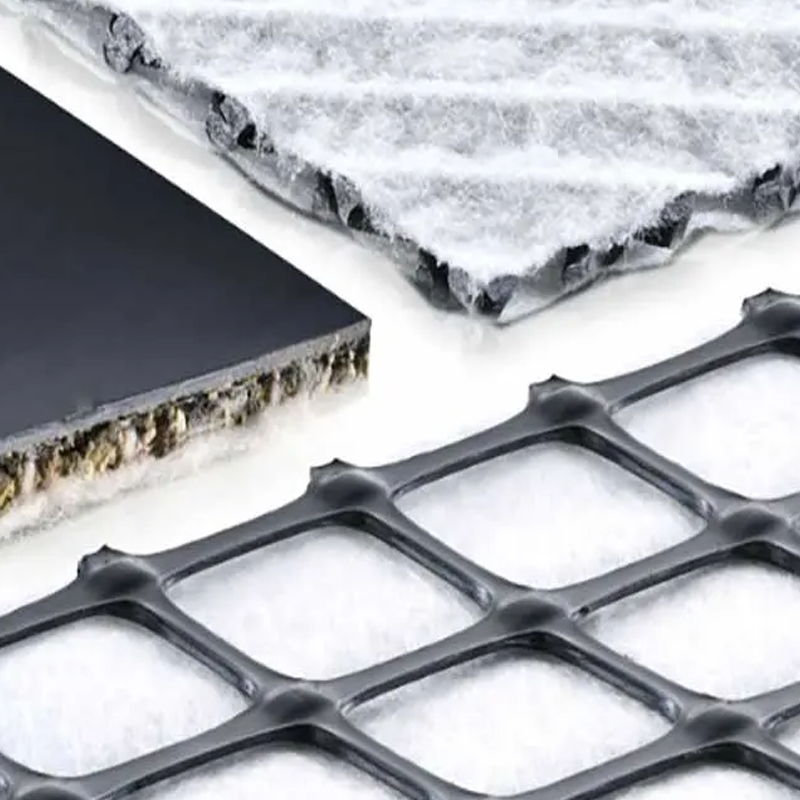
Needle-punched GCLs reinforce geotextile layers, but their suitability must still be verified against project-specific requirements. Engineers should review hydraulic conductivity, chemical compatibility, and stability under anticipated loading conditions. Comparing geosynthetic clay liner applications helps procurement teams identify appropriate product constructions without relying solely on price or material thickness.
Which Geosynthetic Clay Liner Specifications Matter Most?
Hydraulic conductivity is a primary selection criterion because it indicates how readily liquid can pass through the barrier under specified test conditions. However, results must be evaluated alongside the chemistry of the contained liquid, applied stresses, and expected field conditions. Bentonite mass per unit area alone cannot establish overall barrier performance.
Buyers should also examine tensile strength, peel strength, internal shear strength, and roll dimensions. These properties influence handling, slope stability, and installation efficiency. Reviewing geosynthetic clay liner specifications alongside manufacturer test reports and project requirements provides a more reliable basis for comparing suppliers. Request documentation identifying applicable test methods and product quality-control procedures before ordering.
How Can Installation Problems and Leakage Risks Be Prevented?
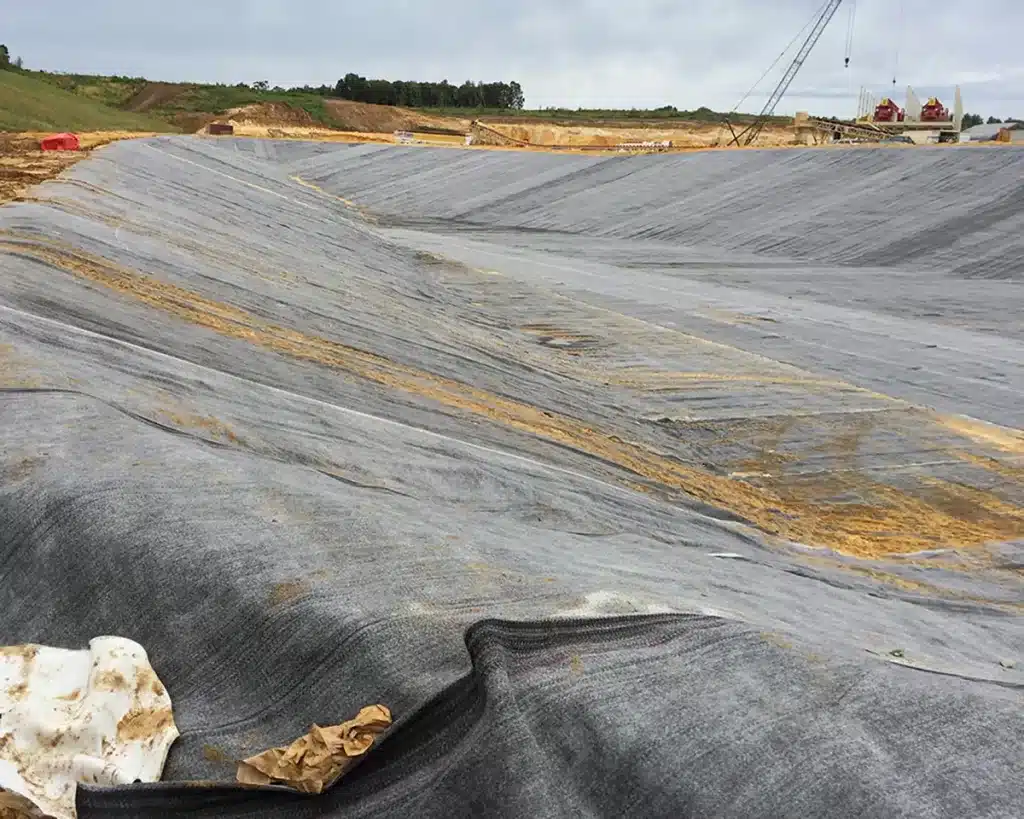
Proper installation begins with a prepared subgrade free of sharp objects, standing water, and surface irregularities that could damage the liner. Rolls should remain protected from moisture before placement. Uncontrolled hydration can complicate handling and compromise overlap integrity before the required confinement is established.
During installation, contractors must follow approved overlap dimensions, joint treatment procedures, and cover placement requirements. Particular attention is needed around penetrations, anchor trenches, and changes in slope. The manufacturer’s geosynthetic clay liner installation guide should be reviewed alongside project drawings and specifications. Field inspections should verify overlap continuity, material condition, and adequate protection before subsequent construction activities.
What Should Buyers Check Before Placing a Bulk Order?
Bulk purchasing decisions should account for technical compliance, usable coverage, transportation, and installation costs rather than unit price alone. Roll width and length influence overlap requirements, handling arrangements, and material waste. Buyers should calculate quantities using the approved layout, including allowances for overlaps, anchor trenches, and irregular site geometry.
Before confirming an order, request technical data sheets, quality-control documentation, packaging details, production lead times, and container-loading information. International importers should also confirm applicable Incoterms and shipping arrangements. Comparing geosynthetic clay liner suppliers against consistent technical and commercial requirements helps distributors and contractors identify suitable products while reducing procurement uncertainty and avoidable project delays.
Selecting a suitable containment liner requires a balanced assessment of hydraulic performance, chemical compatibility, installation conditions, and procurement requirements. Technical documentation and project-specific verification are essential for reliable material selection.
Geofantex helps engineers, contractors, and international buyers evaluate geosynthetic clay liner options for their containment projects. Contact Geofantex to discuss material requirements, available specifications, and purchasing arrangements.

Get Free Sample
We’ll respond as soon as possible(within 12 hours)