

+86-159 9860 6917
info@geofantex.com
geofantex@gmail.com
+86-400-8266163-44899
Geocell road technology is playing an increasingly important role in modern ground stabilization, particularly in transportation, mining, and industrial access infrastructure. As global construction standards continue to emphasize durability and lifecycle performance, engineers are adopting cellular confinement systems to improve weak subgrades and optimize aggregate usage. This shift is accelerating demand for engineered geosynthetics across public and private sector projects.
Geocell Road Engineering Principles and Structural Performance
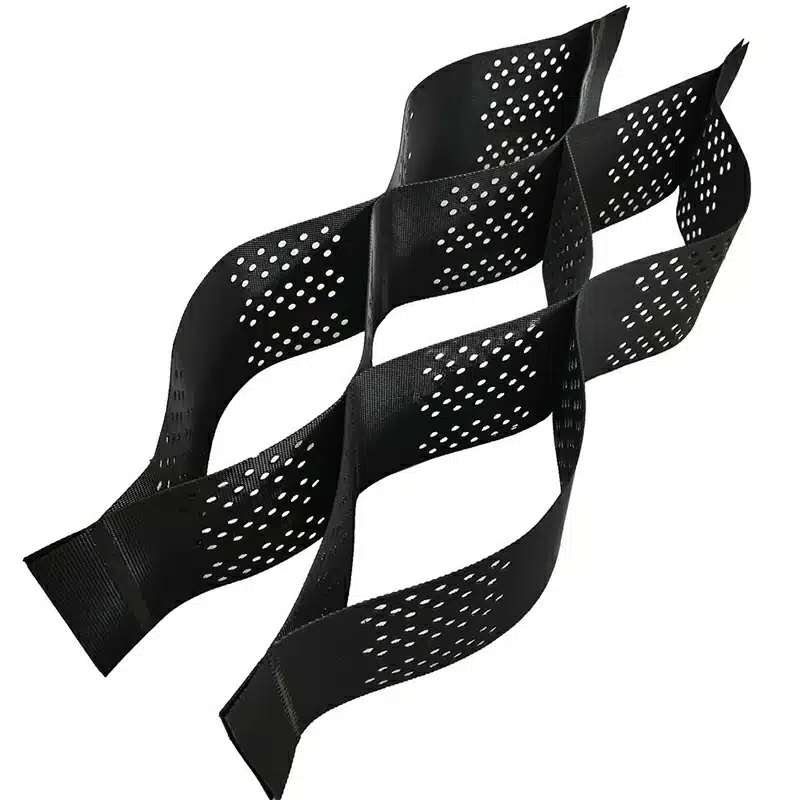
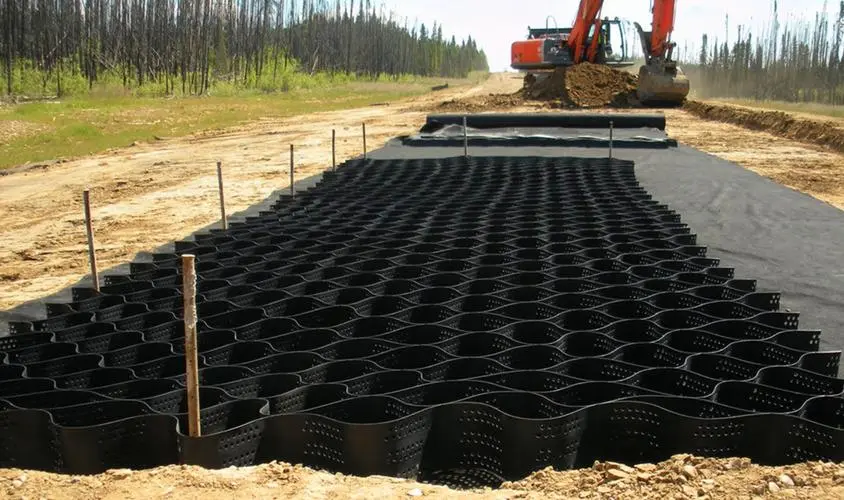
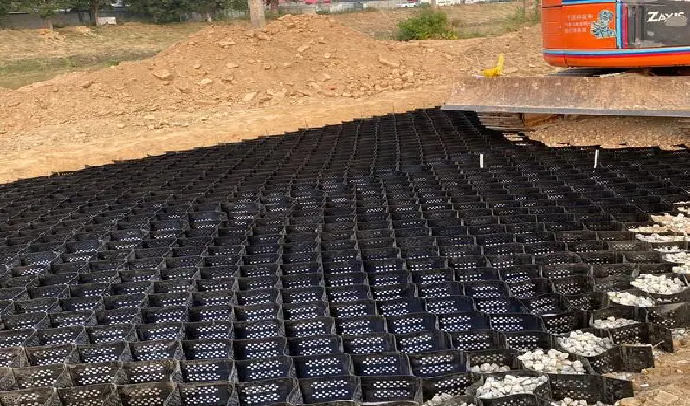
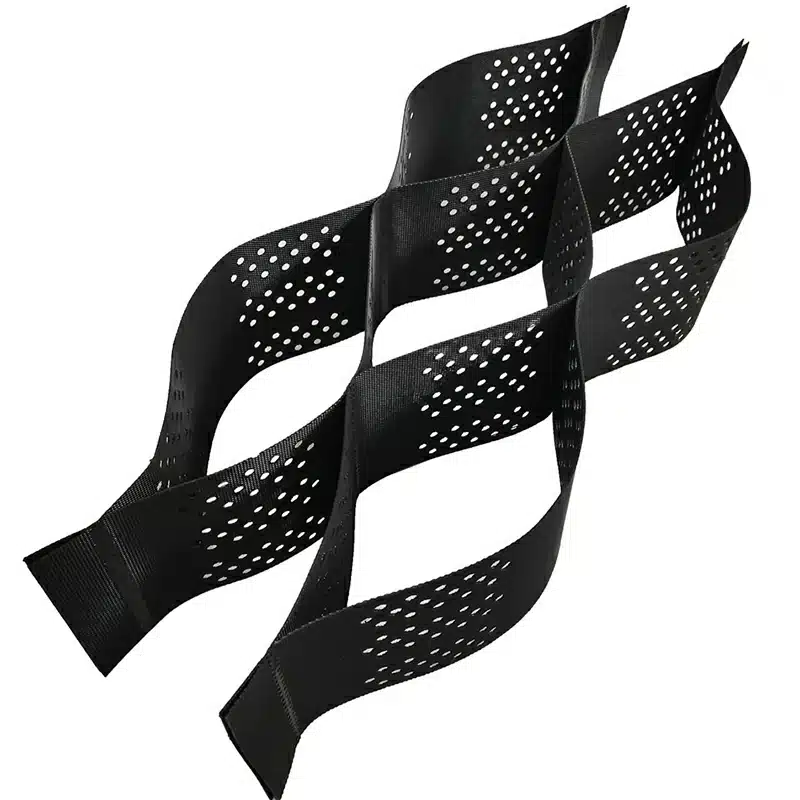
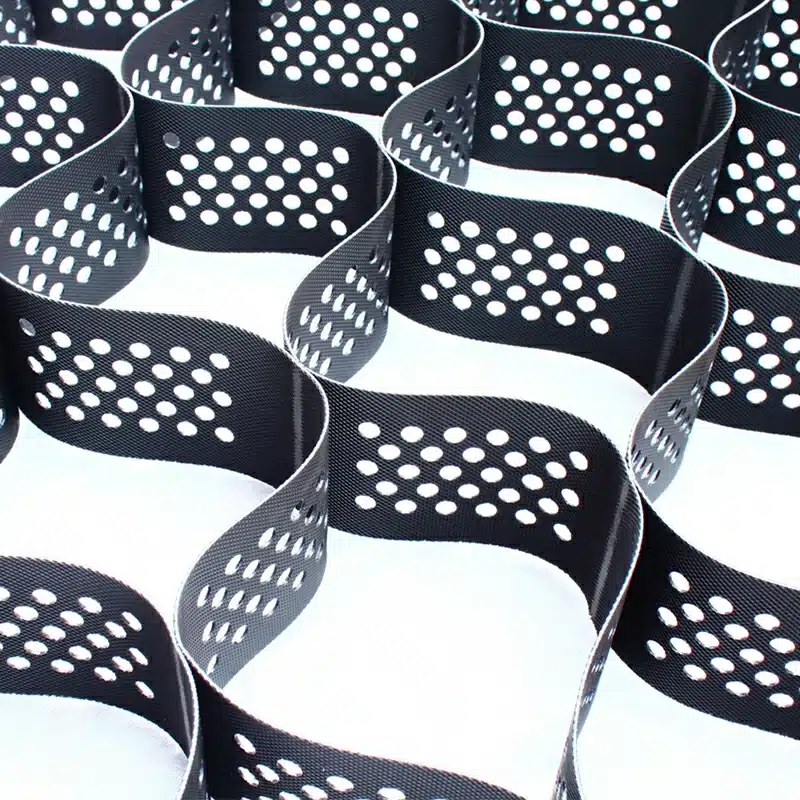
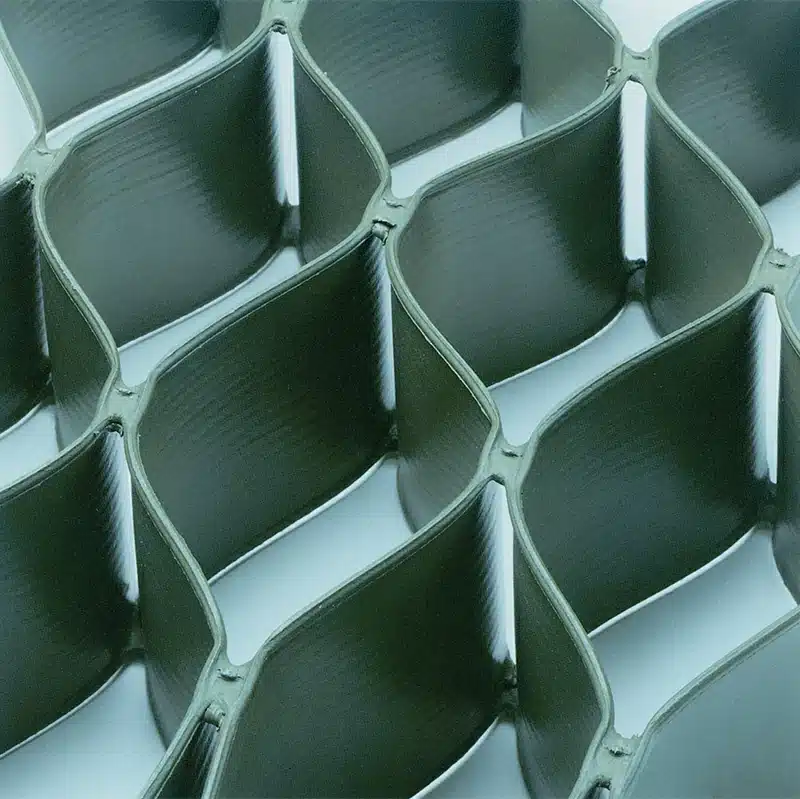
A geocell road structure forms a three-dimensional honeycomb matrix that confines soil, gravel, or recycled infill materials. Once compacted, the infill is mechanically locked in place, reducing lateral movement and enhancing vertical load distribution. This confinement effect increases bearing capacity and minimizes rutting under repeated traffic loads.
For a deeper technical overview, contractors often review Geocell Road design and installation guidelines before finalizing base thickness calculations. Cell height, weld spacing, and material thickness must align with axle load requirements and subgrade strength. When engineered correctly, a geocell road system delivers consistent structural stability while optimizing aggregate consumption.
Geocell Road Applications in Mining and Transportation
The adaptability of geocell road systems supports deployment in mining haul roads, rural highways, port yards, oilfield access routes, and heavy equipment platforms. In soft soil environments, the reinforced base layer controls differential settlement and improves surface durability over time.
Project planners evaluating heavy-duty scenarios frequently consult Geocell Road solutions for mining and heavy haul projects to assess long-term performance under extreme loading conditions. In industrial construction zones, cellular confinement systems can also integrate with geotextiles and site pump series equipment to manage groundwater during foundation preparation. This integrated ground stabilization approach enhances both operational safety and construction efficiency.
Lightweight and foldable panel structures simplify transportation and onsite deployment, making the system practical for remote or logistically challenging locations.
Geocell Road Lifecycle Efficiency and B2B Supply Model
From a lifecycle perspective, a properly designed geocell road structure supports predictable maintenance planning and material control. Reduced aggregate thickness lowers transportation demand, while improved confinement performance decreases surface rehabilitation frequency.
Infrastructure developers seeking comparative benchmarks often explore Geocell Road case studies in infrastructure reinforcement to evaluate field performance across different soil classifications. When combined with drainage pumps or temporary dewatering pump series systems, the stabilized base maintains structural consistency during seasonal rainfall or high groundwater conditions.
For distributors and EPC contractors, partnering with an original manufacturer ensures batch traceability, standardized welding quality, customizable specifications, and coordinated export logistics. Structured factory-direct cooperation supports phased project delivery and long-term international infrastructure partnerships.
As global investment in resilient transportation networks continues, geocell road technology remains a core geosynthetics solution for engineered ground reinforcement and scalable B2B collaboration.
Get Free Sample
We’ll respond as soon as possible(within 12 hours)