

+86-159 9860 6917
info@geofantex.com
geofantex@gmail.com
+86-400-8266163-44899
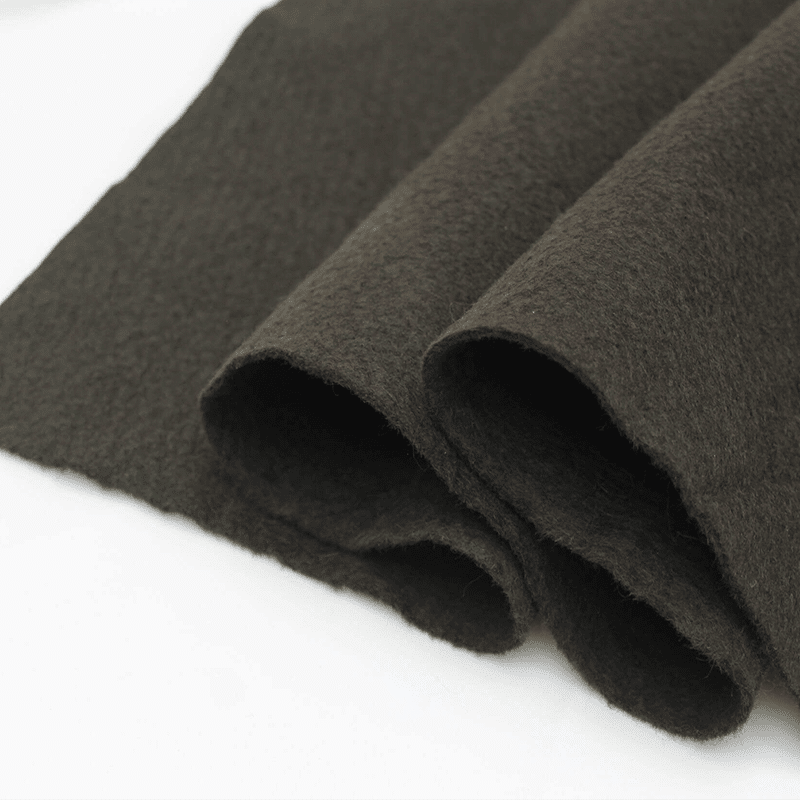
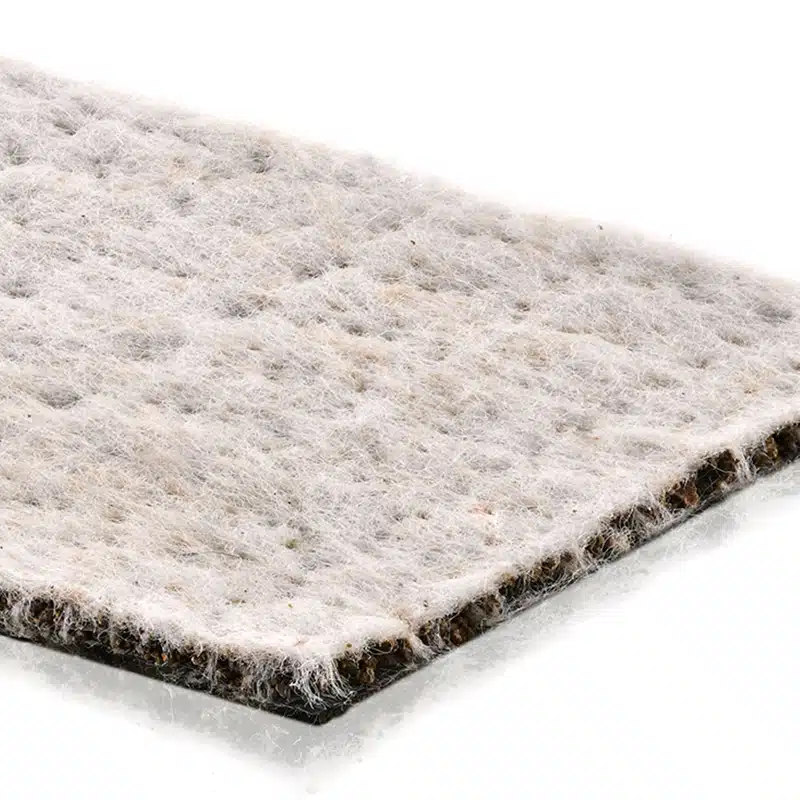
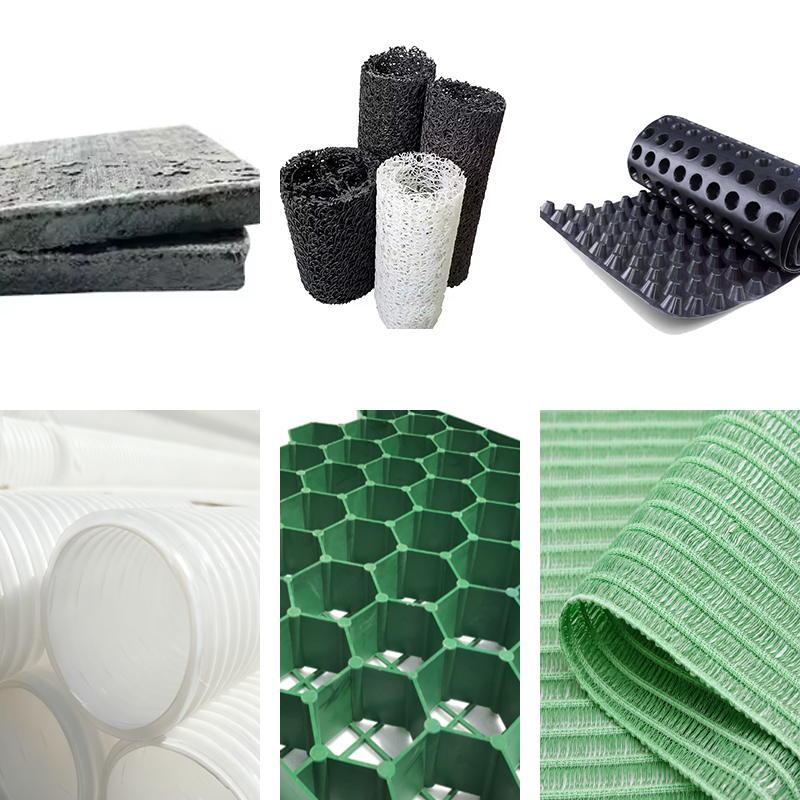
The first sentence must contain the keyword, so here it is: Geocomposites have become essential components in geosynthetics engineering, offering efficient solutions for drainage, filtration, and structural reinforcement across diverse infrastructure projects. Engineers frequently evaluate them alongside materials such as nonwoven geotextiles to select the best-performing system for long-term durability.
Railway Engineering Case
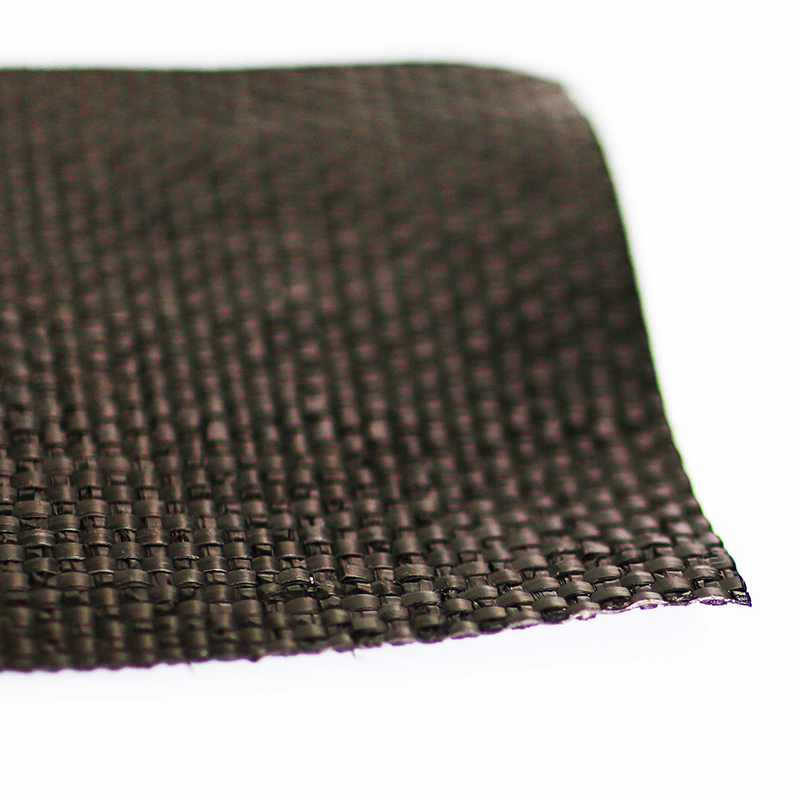
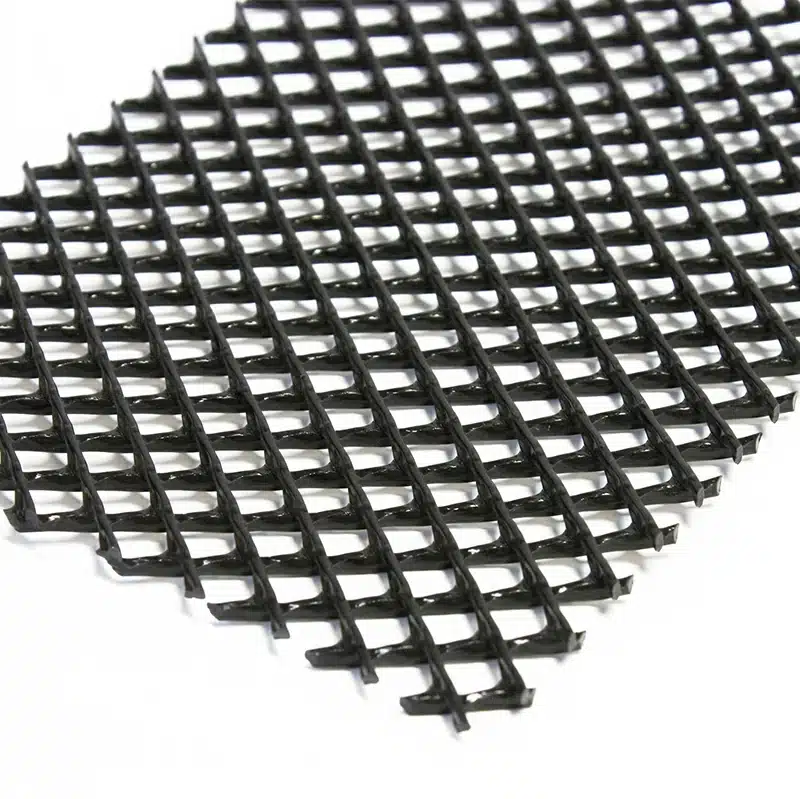
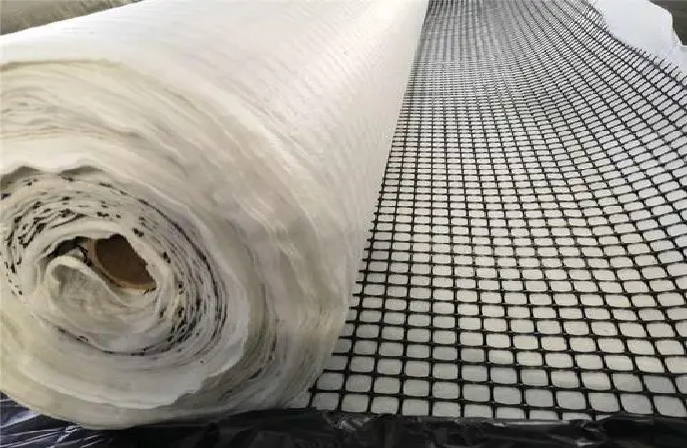
In European railway construction, the value of geocomposites is well demonstrated. During the Torino–Milano high-speed rail upgrade in Italy, persistent water infiltration in clay-rich subgrades threatened long-term track stability. Engineers installed a geonet–geotextile composite layer similar to drainage geocomposites used for railway foundations to create a continuous lateral drainage path beneath the ballast. Within one rainy season, pore-water pressure dropped significantly, track stiffness improved, and ballast contamination was minimized. This case became a standard reference for railway drainage design in wet or poorly draining soils.
Landfill Leachate Management Case
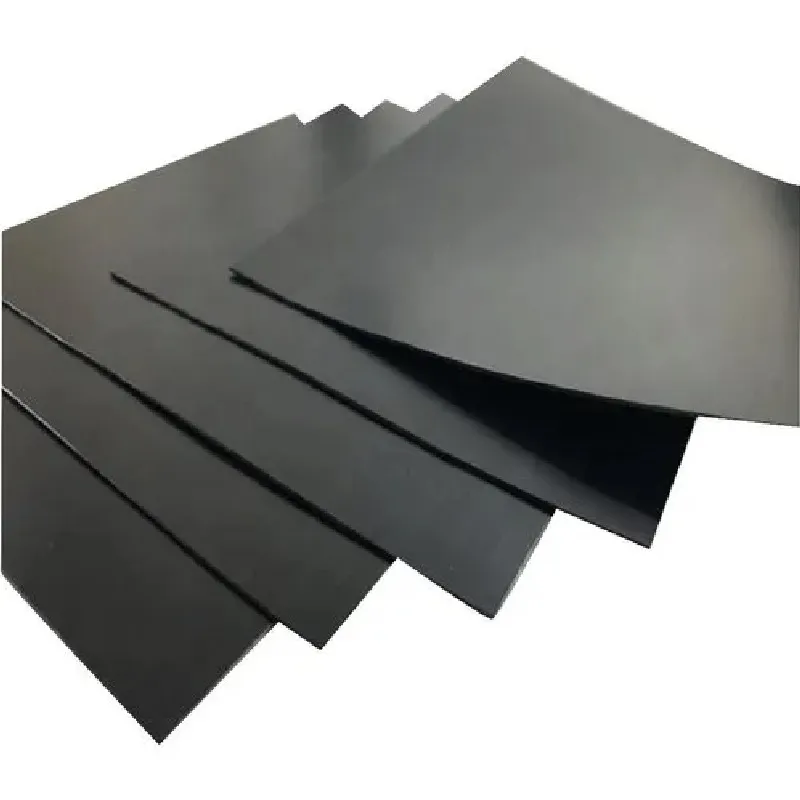
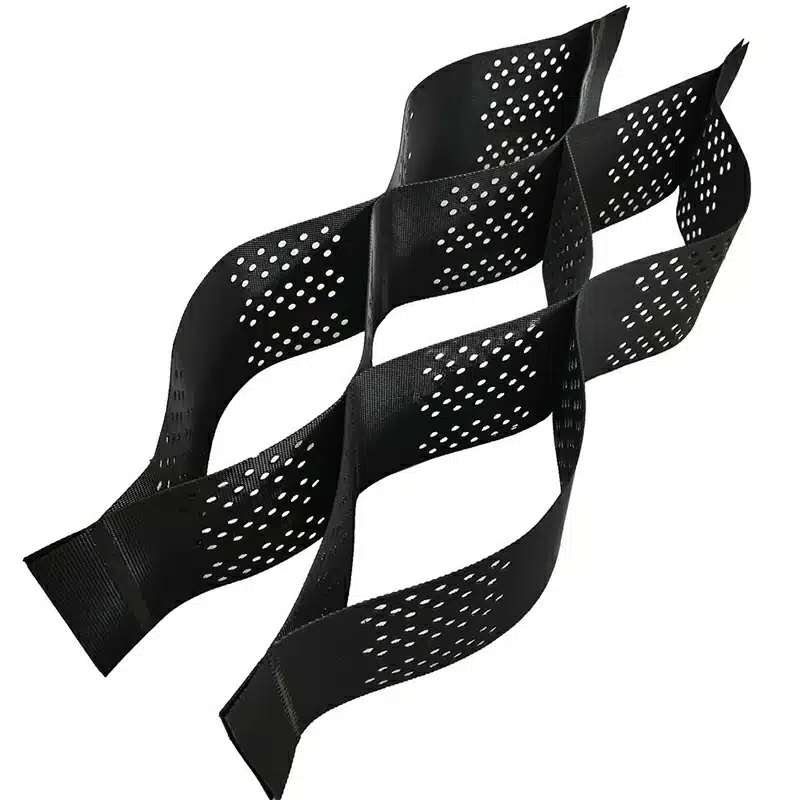
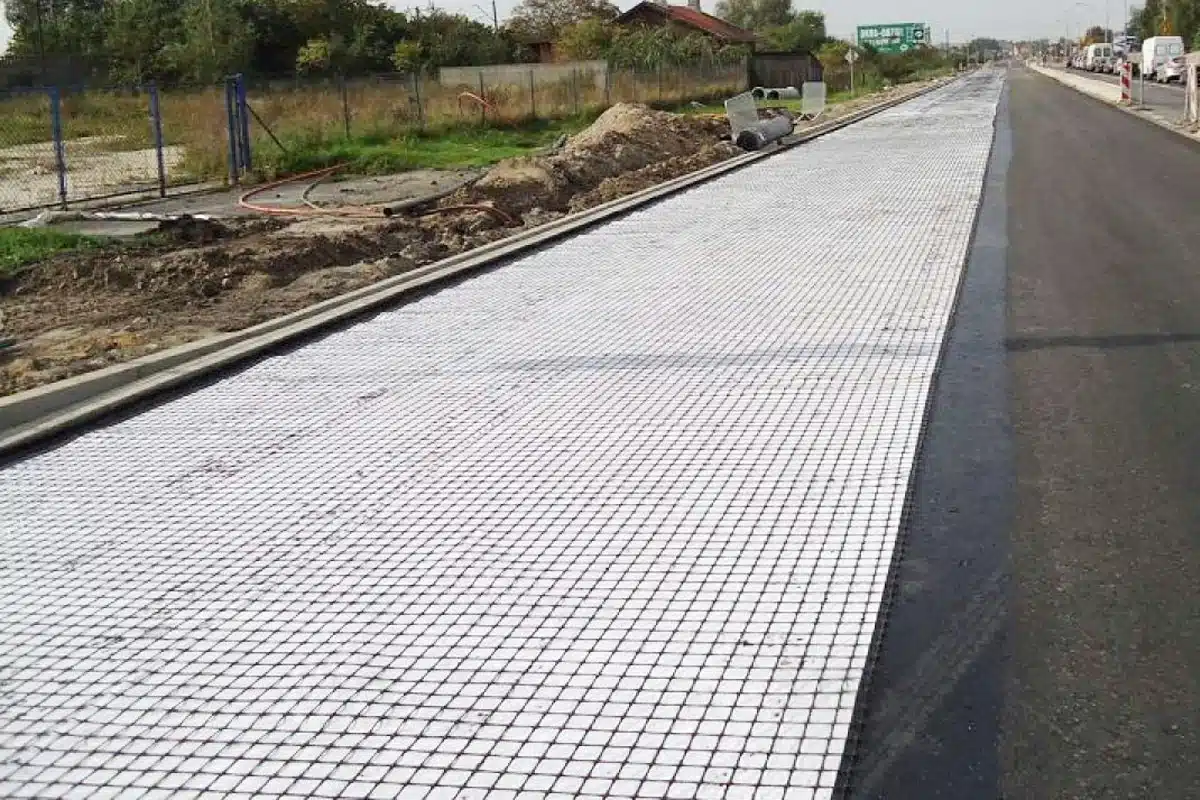
In municipal landfill engineering, geocomposites have proven to be highly effective in managing leachate generation. A major landfill in São Paulo, Brazil, experienced excess hydraulic pressure due to heavy rainfall and organic-rich waste. Engineers replaced the gravel drainage layer with a lightweight composite placed directly over the geomembrane, similar to systems used in landfill lining applications. The solution increased leachate flow capacity, reduced construction thickness, and lowered material transport costs. Post-project evaluations confirmed a measurable reduction in liner stress and overall improved hydraulic performance.
Coastal Highway Reinforcement Case
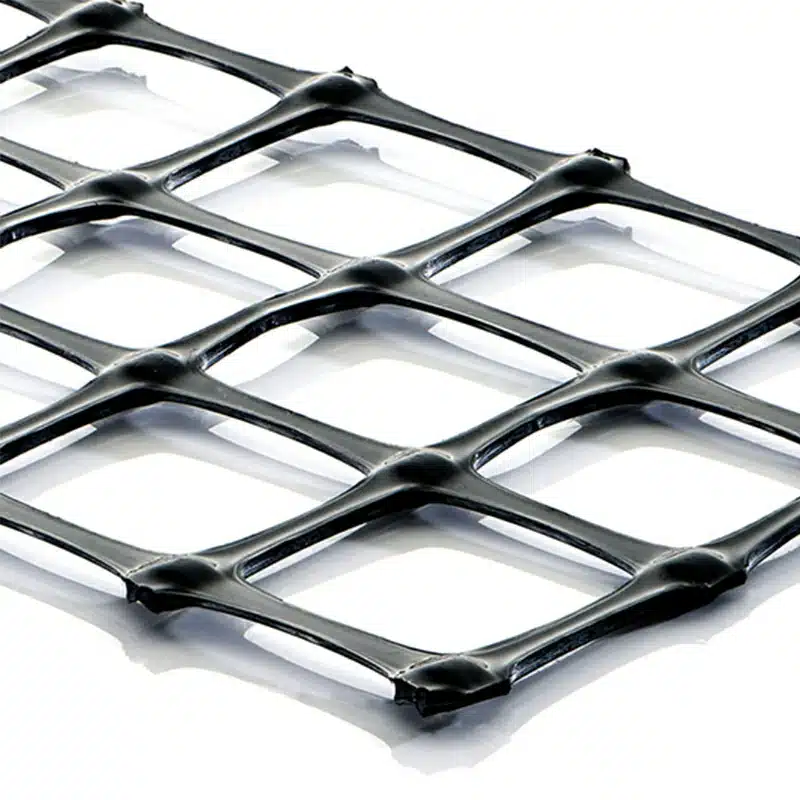
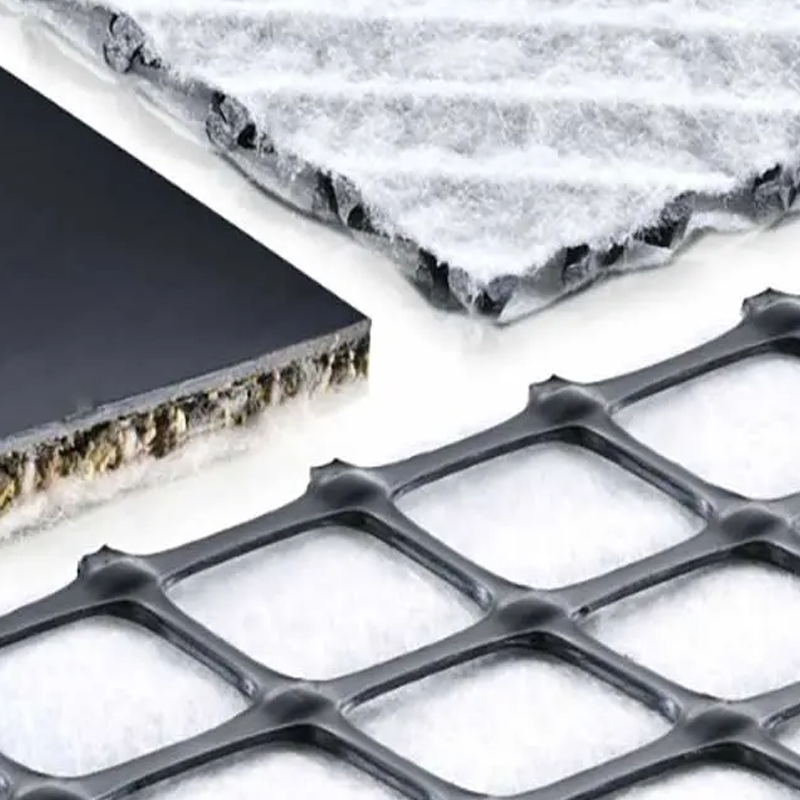
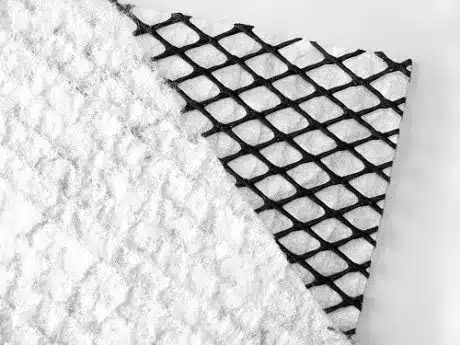
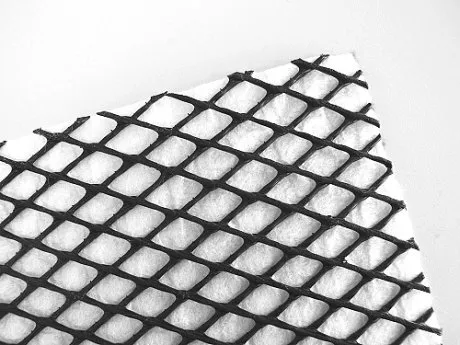
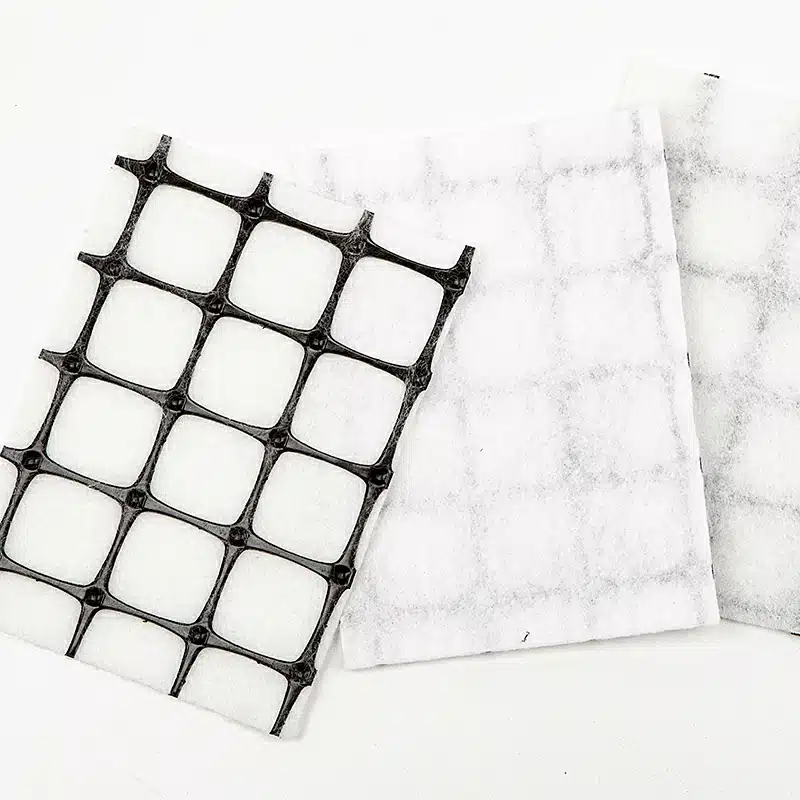
Coastal highway embankment rehabilitation in Japan provides another strong example of geocomposite performance. A geogrid–geotextile reinforcement layer—comparable to high-strength geogrid reinforcement products—was installed to address settlement and shear deformation caused by soft marine sediments and seasonal typhoon loads. The system provided enhanced tensile confinement and improved soil separation, resulting in significantly reduced differential settlement and better long-term embankment stability. Its success led to expanded use of composite reinforcement systems in coastal transportation networks.
These cases show that geocomposites consistently deliver technical and economic advantages in drainage, environmental protection, and soil reinforcement. As more field-proven applications emerge, engineers increasingly rely on integrated geosynthetic solutions to build durable and efficient infrastructure systems.
Get Free Sample
We’ll respond as soon as possible(within 12 hours)