

+86-159 9860 6917
info@geofantex.com
geofantex@gmail.com
+86-400-8266163-44899
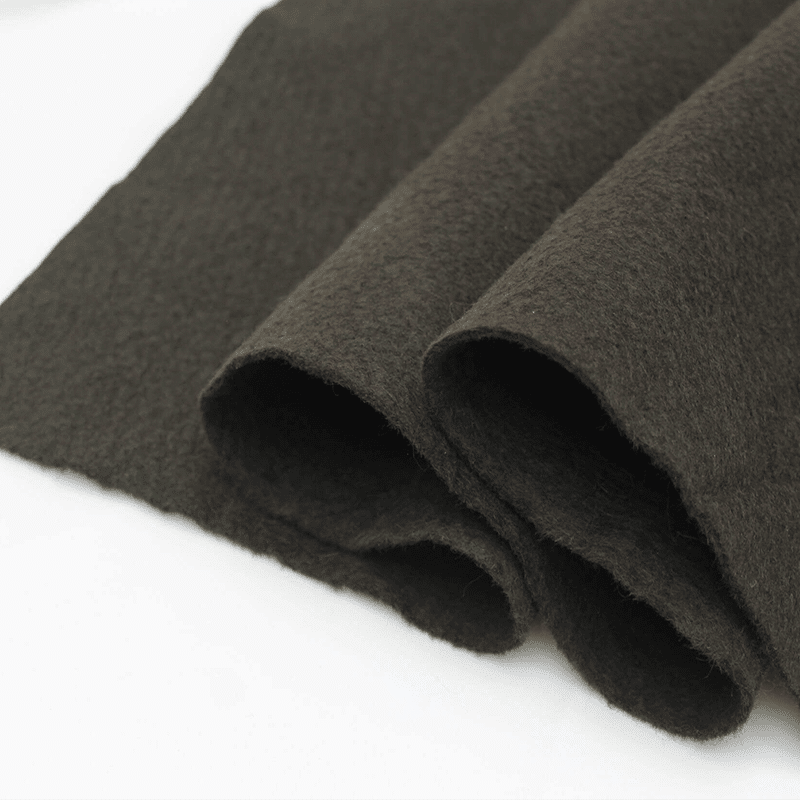
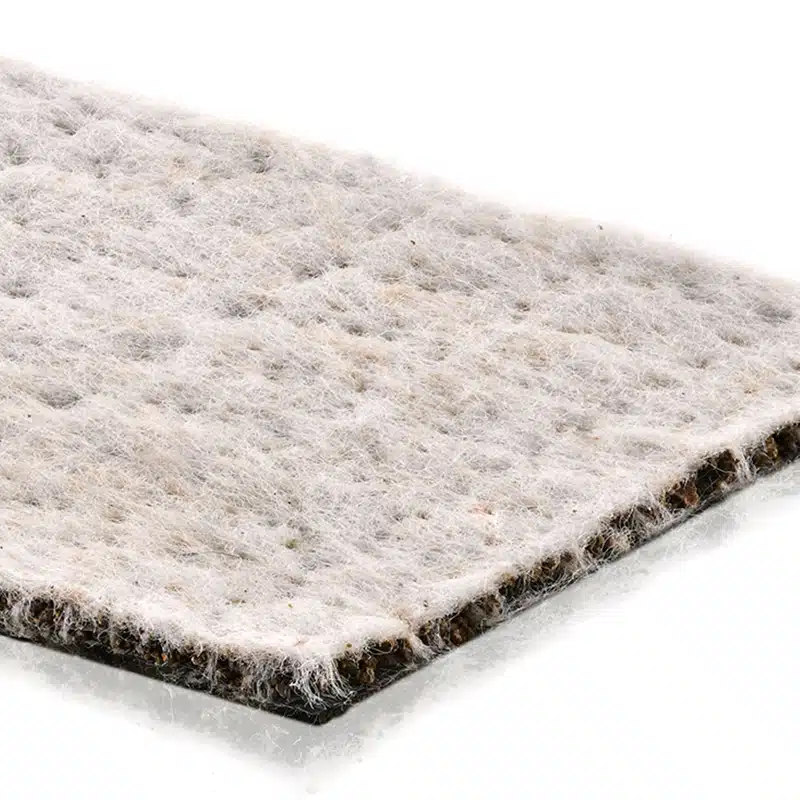
Geotextile non woven fabric is increasingly specified for infrastructure projects where filtration, separation, drainage, and protection performance must match actual site conditions. For contractors, engineers, and procurement teams, purchasing decisions are therefore moving beyond GSM and unit price toward technical properties, application requirements, installation conditions, and supplier documentation.
Why Geotextile Non Woven Fabric Specifications Are Changing
Modern geosynthetic specifications are becoming increasingly performance-oriented. Instead of selecting a product based only on mass per unit area, project teams are evaluating tensile strength, elongation, puncture resistance, permeability, apparent opening size, and durability.
The required combination depends strongly on the engineering function. A geotextile installed beneath an aggregate layer may primarily provide separation and filtration, while material used adjacent to a geomembrane may require greater cushioning and puncture protection.
This shift directly affects sourcing. Buyers should compare technical data against project specifications rather than assume that products with similar GSM values provide equivalent performance. Reviewing a geotextile non woven fabric specification for engineering projects can help procurement teams identify the properties that should be confirmed before requesting quotations.
Geotextile Non Woven Fabric in Hydraulic Engineering
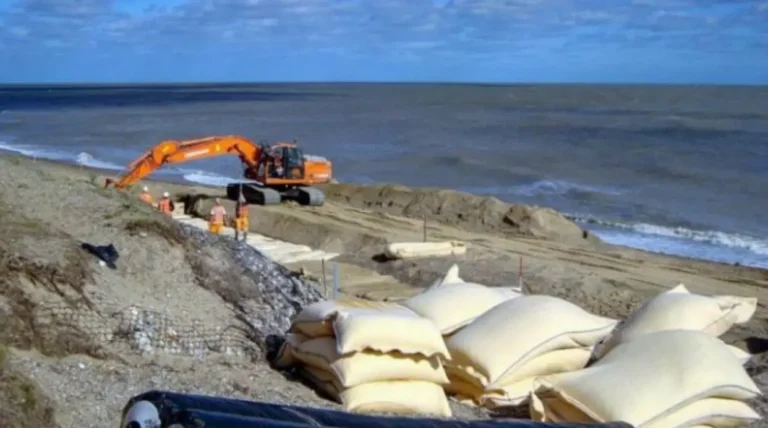
Hydraulic applications emphasize filtration and water transmission. In drainage channels, riverbank protection, hydraulic structures, and erosion control systems, the geotextile must allow water to pass through while helping retain surrounding soil particles.
This creates a stronger connection between soil characteristics and product selection. Apparent opening size and permeability should be evaluated together with the characteristics of the soil being filtered rather than treated as isolated product parameters.
In these applications, hydraulic performance can be as important as mechanical strength. Project teams should therefore communicate the intended filtration function, installation environment, and relevant technical requirements when sourcing materials.
Road Construction Is Driving Application-Specific Selection
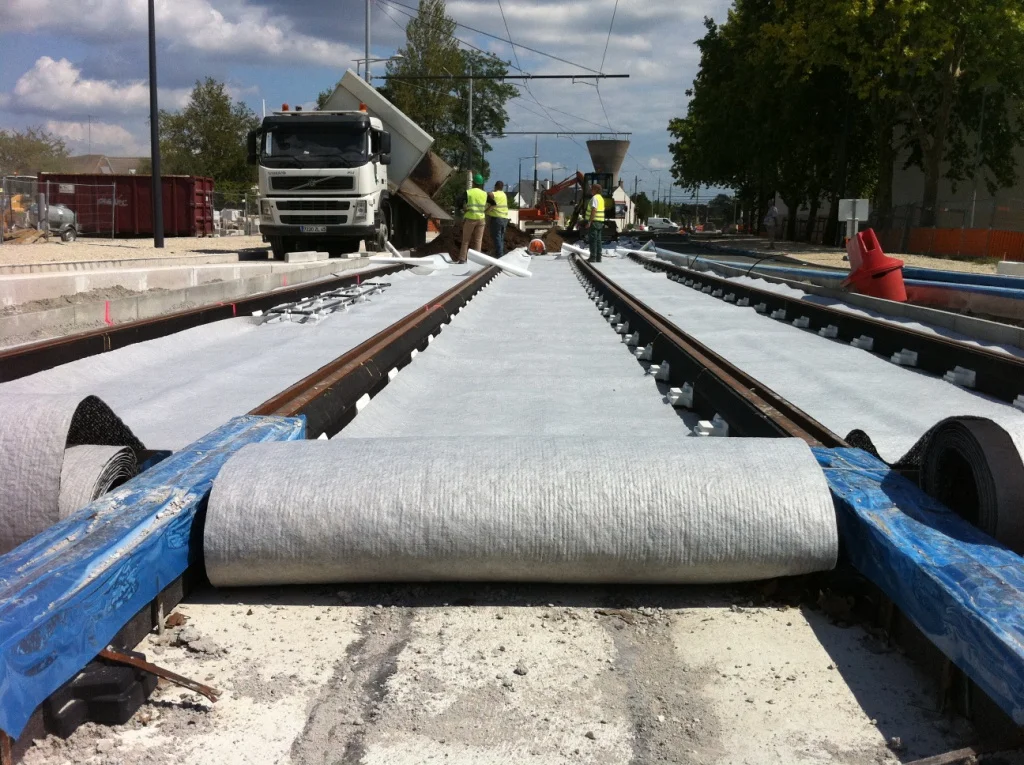
Road construction creates a different set of requirements. Geotextiles installed between subgrade soil and aggregate layers can help maintain separation, provide filtration, and reduce intermixing between the materials.
Installation survivability is particularly important. Aggregate placement, compaction, construction traffic, and irregular subgrades can expose the material to mechanical stresses before the road enters service.
Consequently, engineers may evaluate tensile strength, elongation, puncture resistance, and hydraulic properties together. Buyers comparing a geotextile non woven fabric for road construction and subgrade separation should consider both long-term function and the conditions the material will experience during installation.
Project Demand Is Increasing Documentation Requirements
Technical documentation is becoming an important part of international geosynthetic procurement. Project owners and contractors may require technical data sheets, test reports, certificates, roll identification, production information, and evidence of compliance with specified ASTM, ISO, or other applicable test methods.
For suppliers, consistent documentation helps reduce specification misunderstandings before production. For buyers, it makes technical comparisons between proposed products more reliable.
Procurement teams should therefore confirm required test methods and documentation during the quotation stage. Doing so can prevent delays during shipment, approval, or installation.
Procurement Is Moving Beyond Price per Square Meter
Unit price remains important, but it does not represent the total purchasing cost. Roll width and length, container utilization, overlaps, installation efficiency, lead time, technical support, and specification consistency can all influence project economics.
Large infrastructure projects may also benefit from customized roll dimensions that reduce unnecessary joints or improve installation efficiency. Logistics should therefore be considered alongside technical performance when evaluating competing offers.
A geotextile non woven fabric sourcing guide for infrastructure procurement can help buyers compare suppliers based on technical compliance, manufacturing capability, packaging, documentation, and delivery requirements instead of relying solely on price.
What These Trends Mean for Buyers
The overall trend is toward more application-specific and technically defined procurement. Buyers should identify the primary engineering function first, then establish the required mechanical and hydraulic properties, applicable standards, roll dimensions, quantities, and documentation.
For geotextile non woven fabric, this approach provides a clearer basis for supplier comparison and helps align purchasing decisions with actual project conditions. Providing complete project information during the RFQ stage also allows manufacturers to recommend a more appropriate specification and prepare a more accurate commercial offer.


Get Free Sample
We’ll respond as soon as possible(within 12 hours)