

+86-159 9860 6917
info@geofantex.com
geofantex@gmail.com
+86-400-8266163-44899
Geotextile slope stabilization helps contractors and engineers control soil erosion, improve filtration, and manage water on vulnerable slopes. For road embankments, landscaping, and infrastructure projects, selecting the right geotextile requires evaluating soil conditions, slope geometry, hydraulic requirements, tensile properties, and installation conditions before requesting a quotation.
How Does Geotextile Slope Stabilization Work?
Geotextiles form a functional layer between the natural soil and protective materials such as aggregate, riprap, vegetation systems, or erosion-control products. Depending on the project design, they can provide filtration, separation, drainage, and soil retention.
During rainfall or surface runoff, water can pass through a properly selected geotextile while soil particles are retained. This helps limit soil migration beneath the protective layer and reduces progressive surface erosion.
For projects requiring detailed product selection, our geotextile slope stabilization solutions for erosion control can be specified according to soil conditions, hydraulic requirements, and expected installation stresses.
The geotextile should always be selected as part of the complete slope protection system rather than based on fabric weight alone.
Woven vs. Nonwoven Geotextiles for Slope Protection
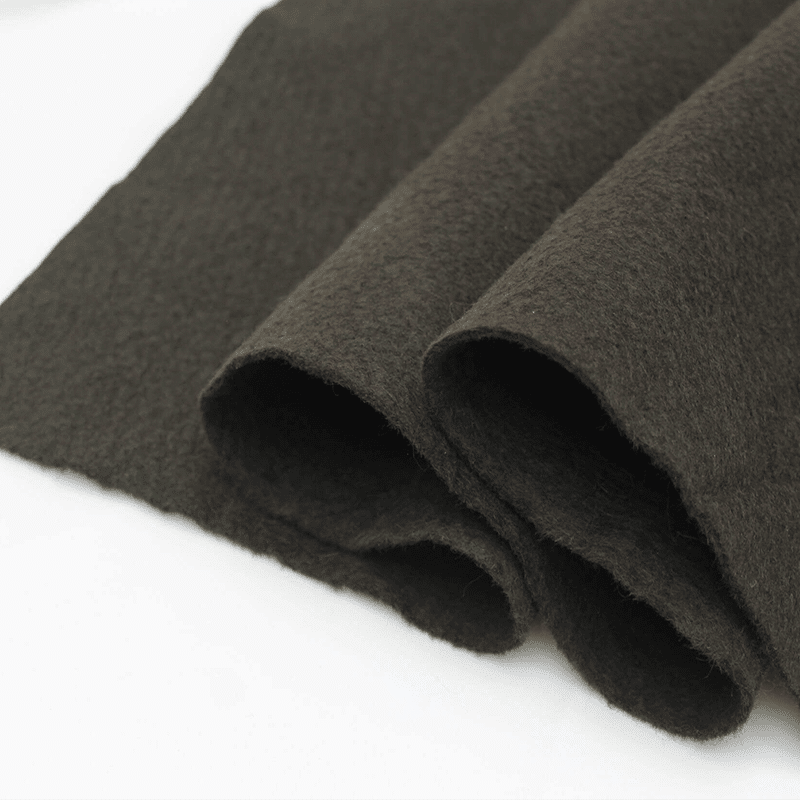
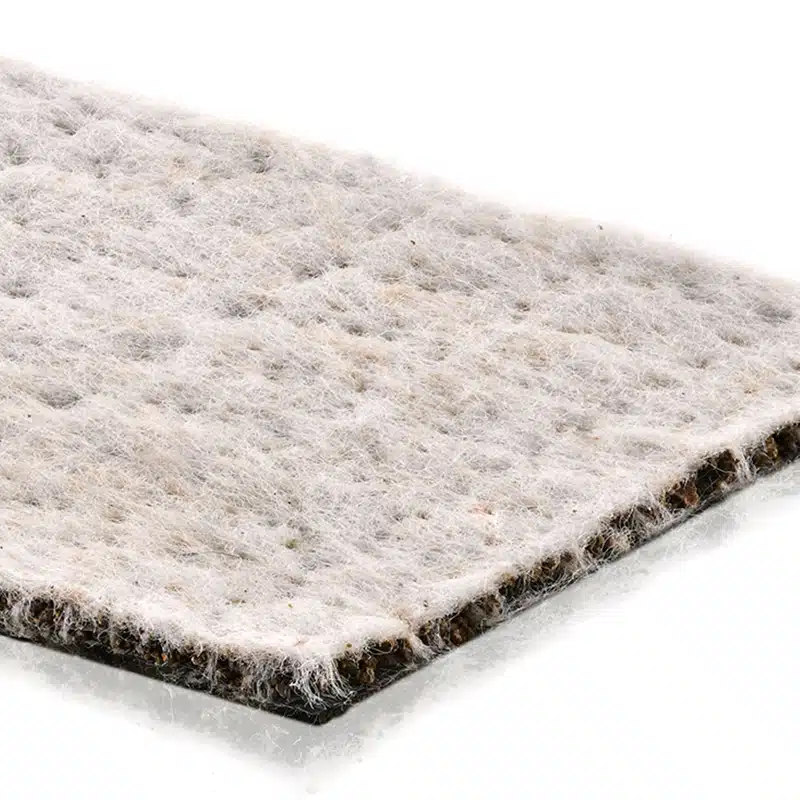
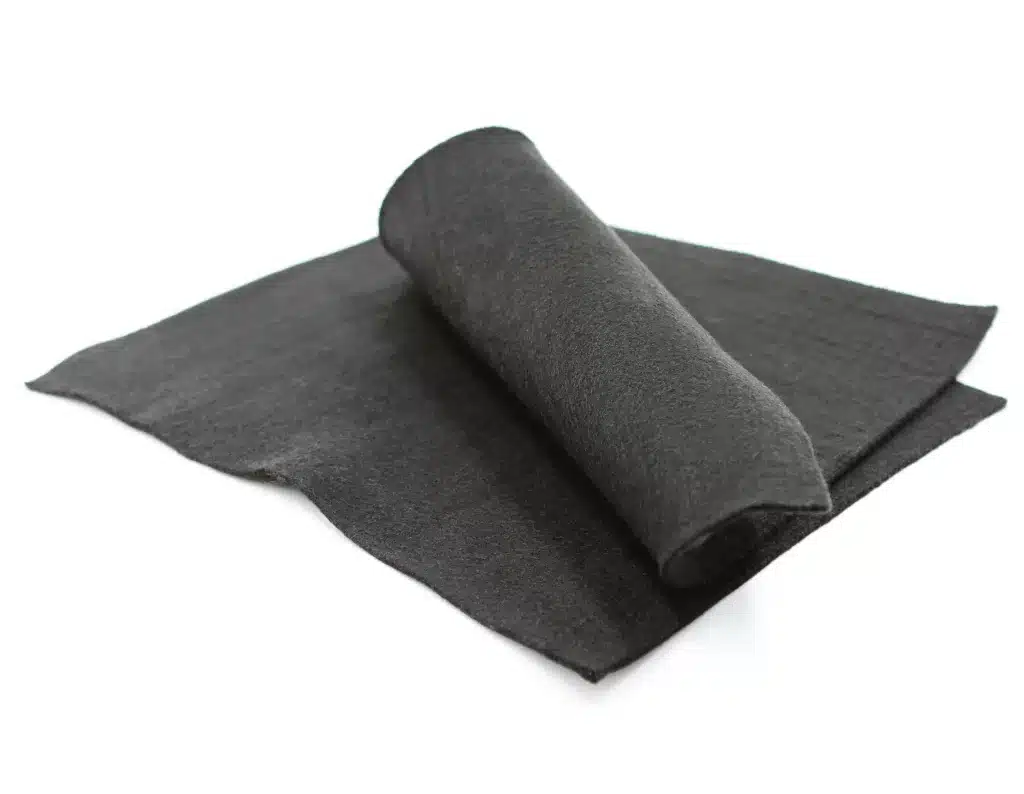
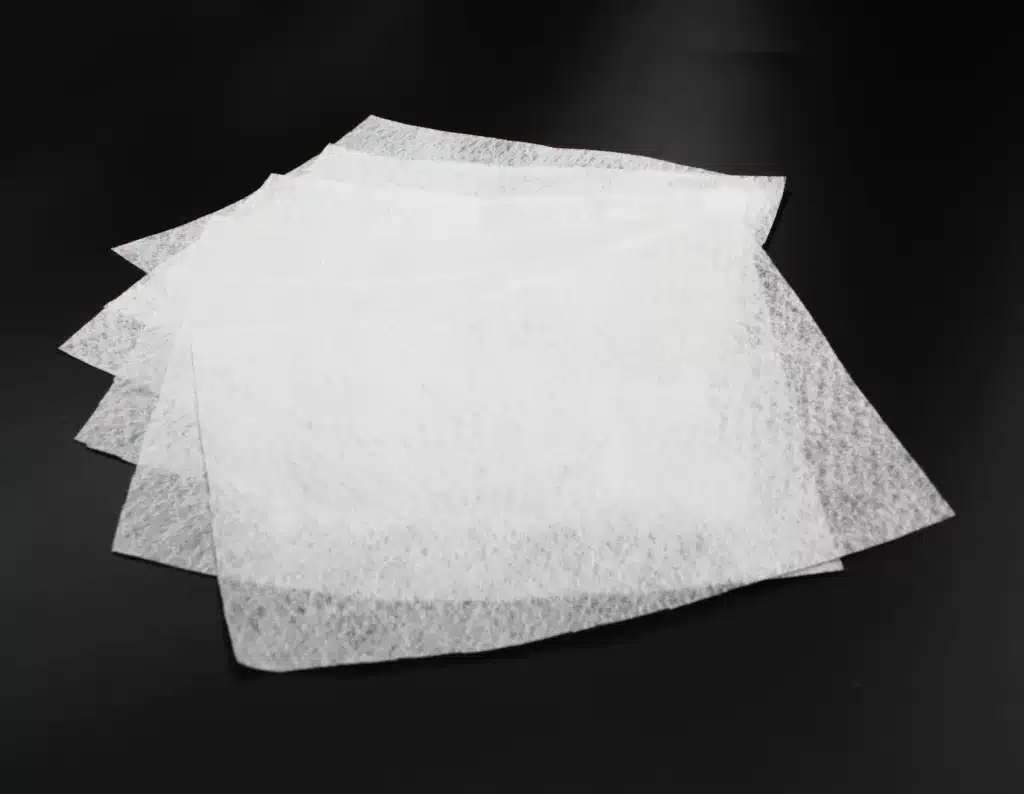
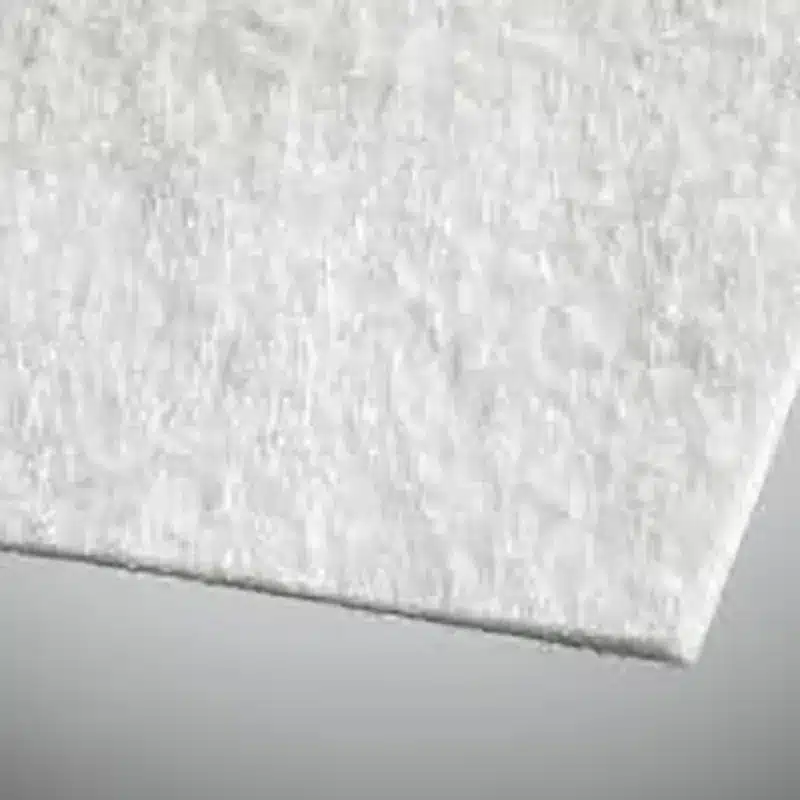
Nonwoven geotextiles are commonly selected when filtration, separation, drainage, and protection are the primary requirements. Their fibrous structure allows water to pass through while helping retain soil particles.
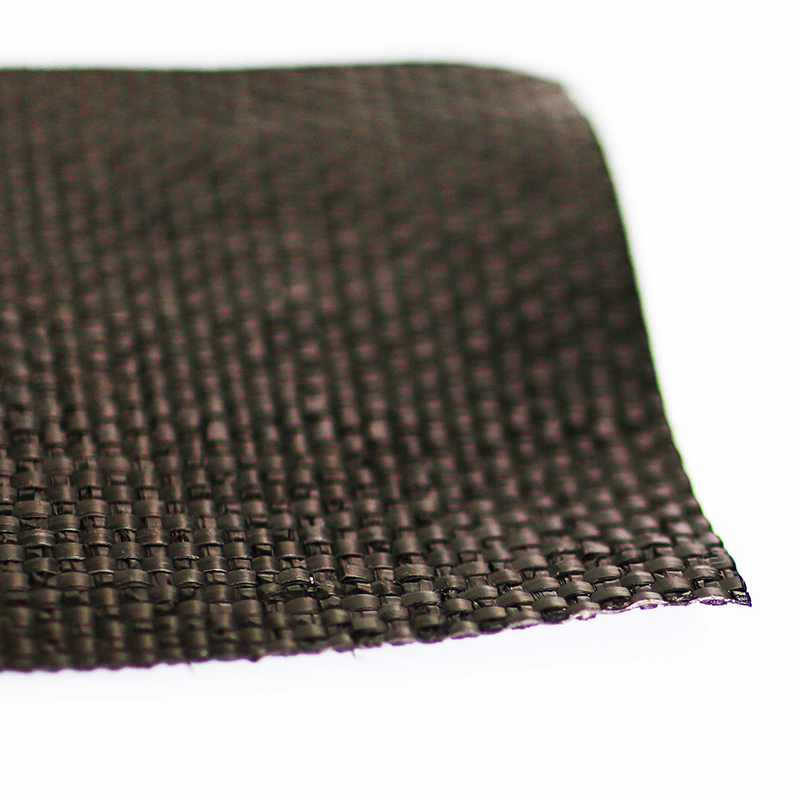
Woven geotextiles are often considered where higher tensile properties, separation, or additional reinforcement functions are required.
Neither option is suitable for every project. Engineers should evaluate permeability, apparent opening size, tensile strength, puncture resistance, soil characteristics, and hydraulic conditions before specifying the material.
Geotextile Slope Stabilization for Road Embankments
Road embankments and highway slopes are frequently exposed to rainfall, concentrated runoff, and changing soil moisture conditions. These factors can gradually remove surface soil and affect slope integrity.
In these applications, geotextile slope stabilization can provide filtration and separation beneath aggregate, rock protection, or vegetation systems. Proper drainage around the slope crest, toe, shoulders, ditches, and culverts should also be incorporated into the overall design.
Contractors planning road projects can review our geotextile slope stabilization system for road embankments when comparing material specifications and project requirements.
Applications in Landscaping and Vegetated Slopes
Landscaping projects often require erosion protection without hindering vegetation establishment. Geotextiles can be combined with vegetation, geomats, or other erosion-control materials to protect exposed soil during the establishment period.
For geotextile slope stabilization in landscaped areas, the system should account for rainfall, slope inclination, soil characteristics, vegetation type, and expected surface runoff.
This approach is suitable for landscaped embankments, green infrastructure, revegetation projects, and other slopes where erosion control and vegetation need to work together.
Installation Requirements for Stable Slopes
Before installation, the slope should be graded and cleared of sharp objects, large debris, and irregularities that could damage the fabric.
The geotextile is then positioned according to the specified orientation and anchoring method. Adjacent rolls should have suitable overlaps or seams based on project requirements. Excessive wrinkles and unnecessary tension should be avoided.
Cover materials should be placed carefully to prevent displacement or puncture. Particular attention is required around the crest, toe, drainage outlets, transitions, and areas exposed to concentrated runoff.
A well-planned geotextile slope stabilization installation should integrate material selection, anchoring, drainage, cover placement, and construction procedures rather than treating the geotextile as an isolated component.
How to Select the Right Geotextile
There is no universal specification for slope projects. Before requesting a quotation, buyers should provide the slope height and inclination, soil type, hydraulic conditions, required functions, cover material, project standards, installation environment, quantity, and destination.
Fabric weight alone should not determine the final product selection. Geotextiles with a similar mass per unit area may have different hydraulic and mechanical properties.
For projects requiring filtration, erosion control, or separation, buyers can use our geotextile slope stabilization selection guide for engineering projects to compare the required material properties before placing an order.
Combining Geotextiles with Other Geosynthetics
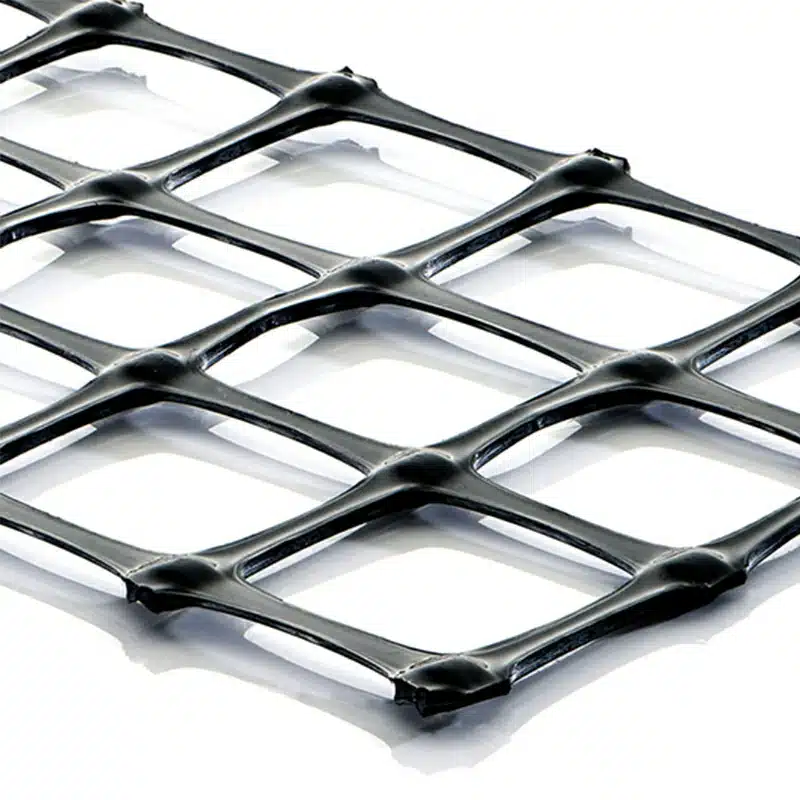
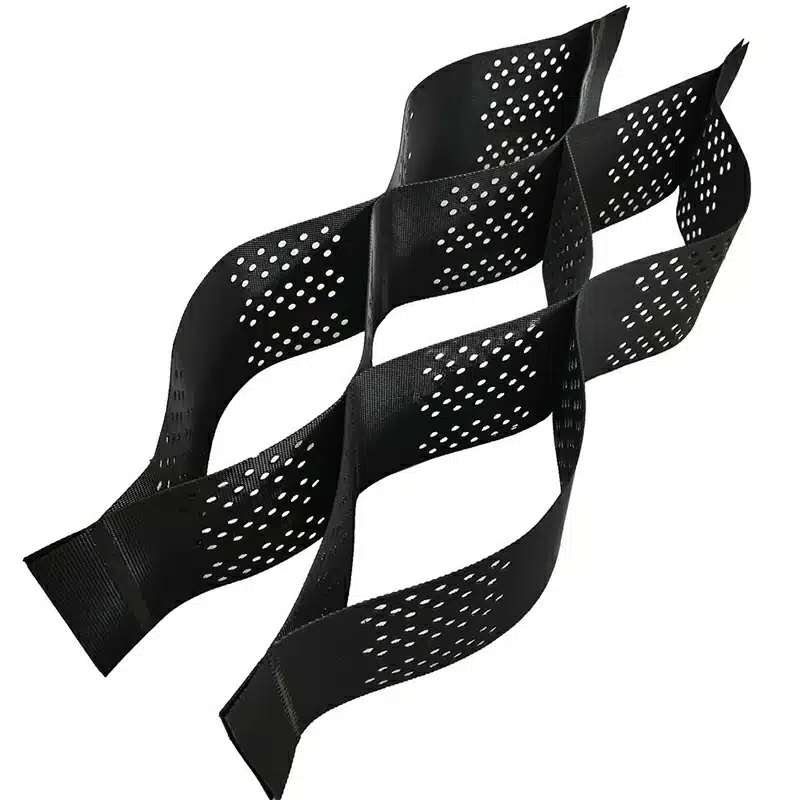
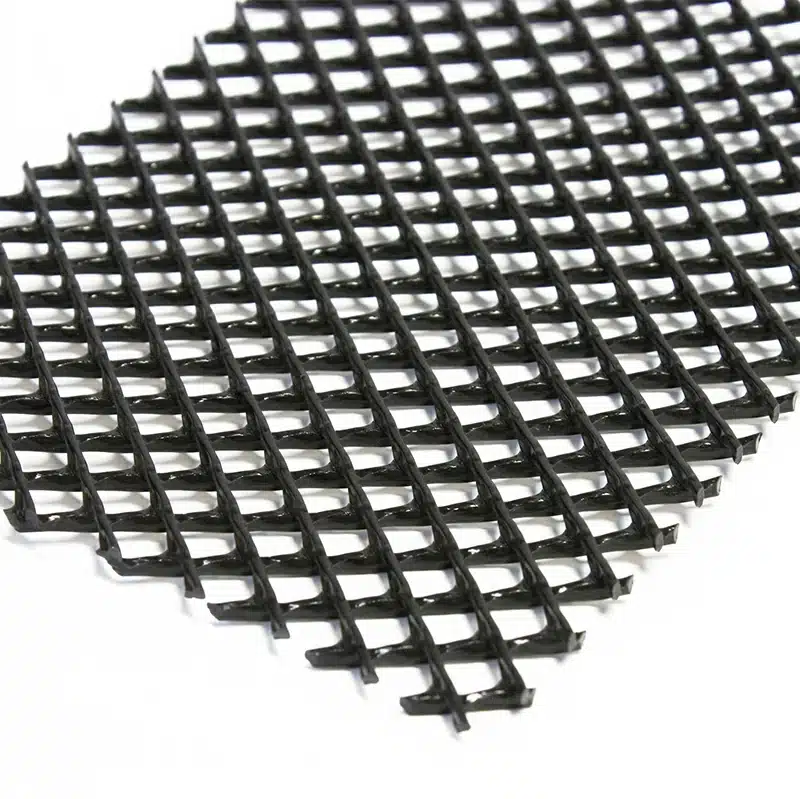
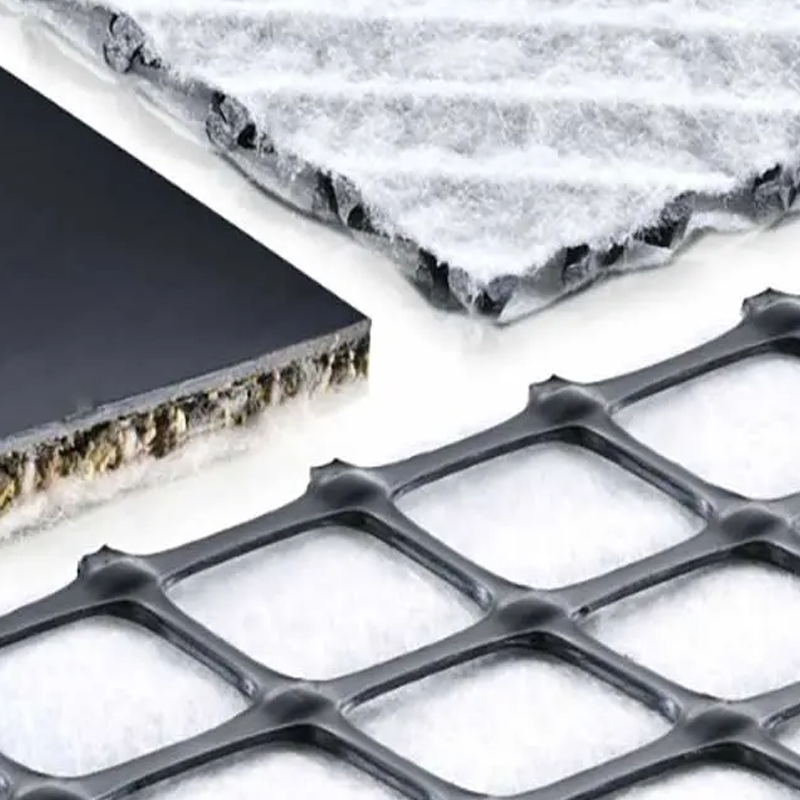
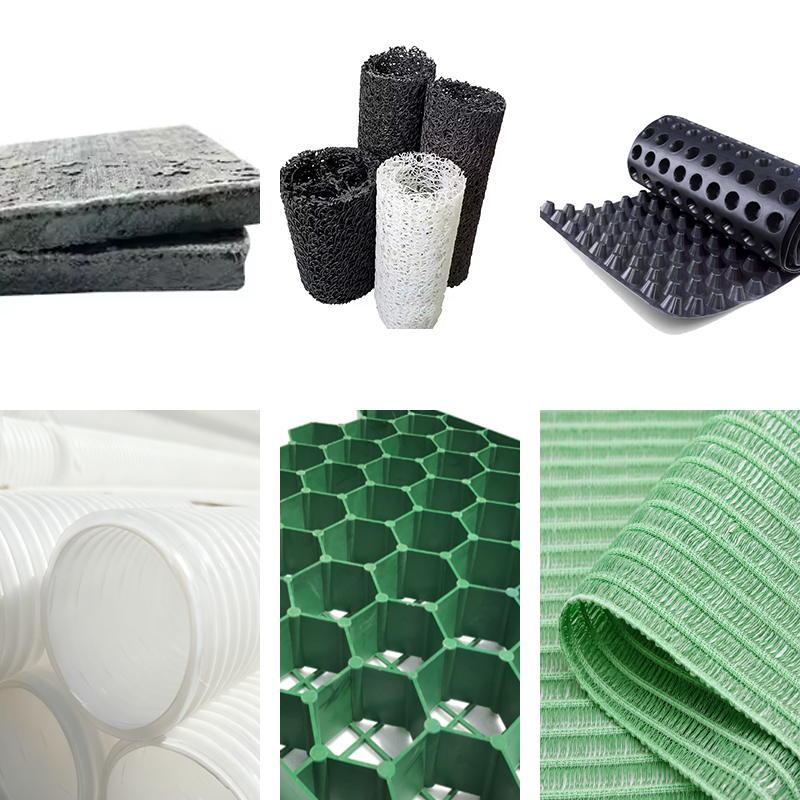
Complex slopes may require several geosynthetic functions. Geotextiles can work with geogrids for reinforcement, geocells for three-dimensional confinement, geomats for surface erosion control, or geonets and drainage geocomposites for enhanced water transmission.
The appropriate system depends on the engineering problem. Surface erosion, internal drainage, soil migration, and structural instability should be evaluated separately before selecting materials.
Effective geotextile slope stabilization therefore starts with identifying site conditions and defining the required engineering functions. Geofantex supplies woven and nonwoven geotextiles for road embankments, landscaping, drainage, filtration, and slope protection projects. Send us your project specifications, dimensions, quantity, and destination to receive a suitable product recommendation and quotation.
Get Free Sample
We’ll respond as soon as possible(within 12 hours)