

+86-159 9860 6917
info@geofantex.com
geofantex@gmail.com
+86-400-8266163-44899
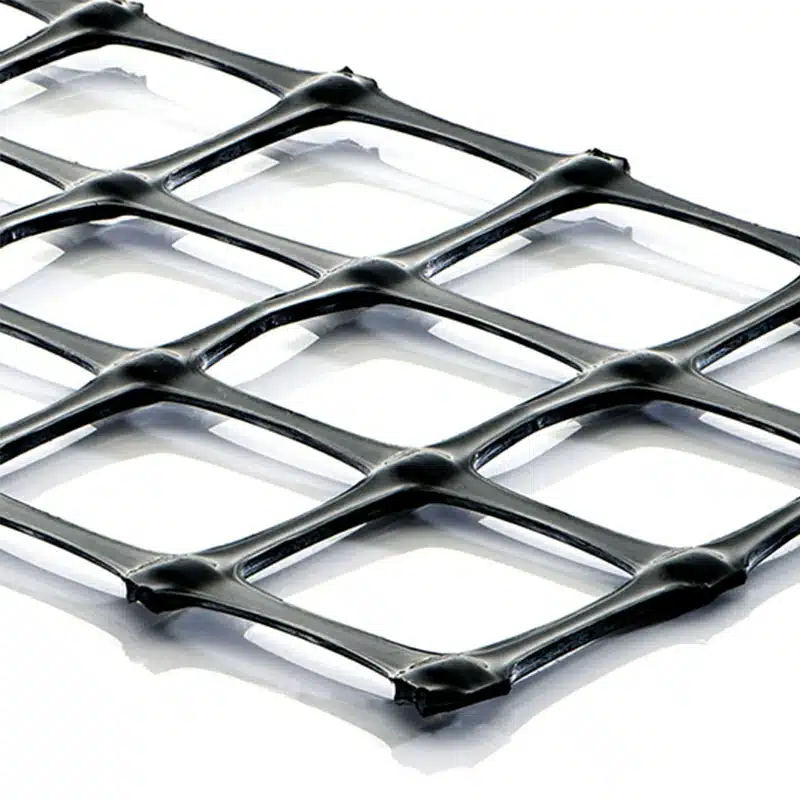
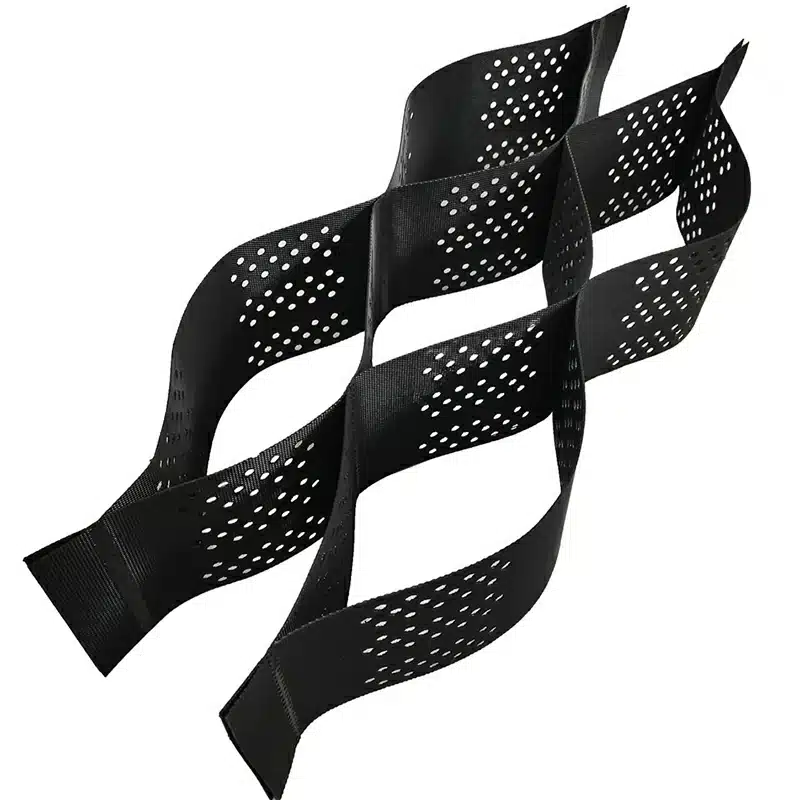
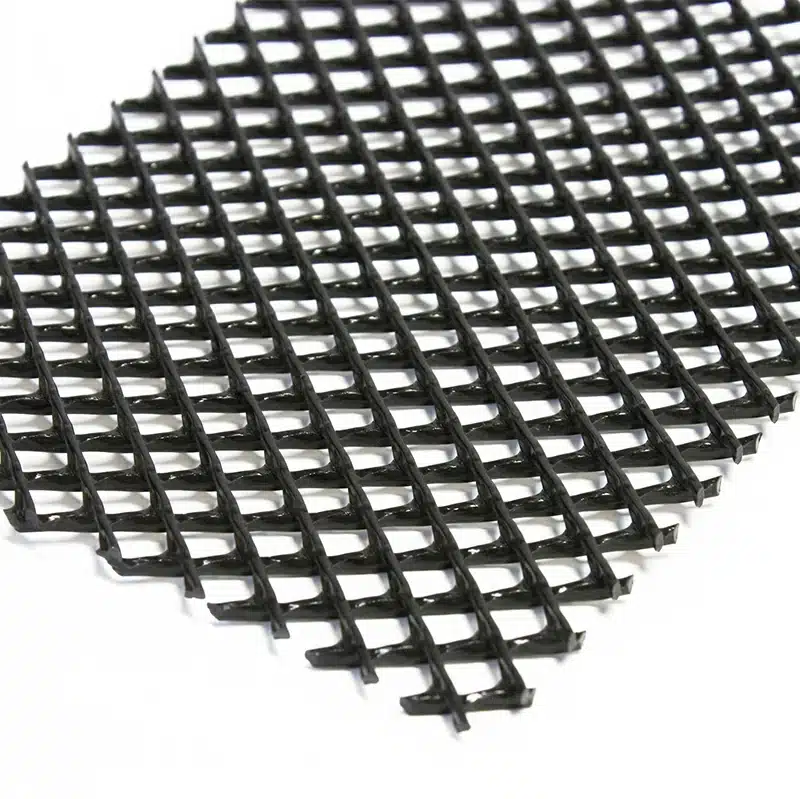
Retaining wall geogrid provides tensile reinforcement for mechanically stabilized earth (MSE) walls, helping compacted soil resist lateral earth pressures and maintain structural stability. Engineers and contractors select reinforcement based on wall geometry, soil conditions, loading requirements, and long-term design strength.
As infrastructure and land development projects require reliable retaining structures, geogrid specifications increasingly emphasize durability, soil interaction, and installation compatibility. Understanding these engineering priorities helps project buyers compare materials, evaluate suppliers, and make informed procurement decisions.

How Are Retaining Wall Geogrid Applications Evolving?
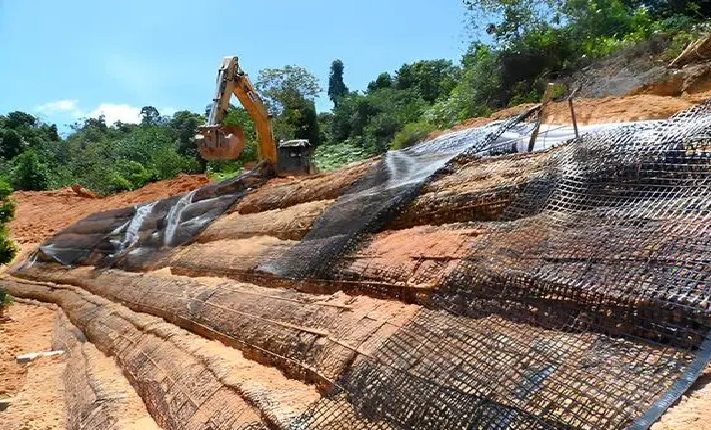
Reinforced soil retaining walls are used in highway embankments, road widening, industrial developments, and commercial construction. These applications require reinforcement systems that accommodate site constraints, surcharge loads, and project-specific stability requirements. Geogrids work with compacted backfill and facing elements to form an engineered retaining structure.
Current design priorities emphasize efficient construction sequencing, controlled deformation, and reliable long-term performance. For projects involving retaining wall geogrid reinforcement systems, engineers must evaluate reinforcement length, vertical spacing, facing connections, and overall stability.
Procurement teams should confirm design requirements before ordering, particularly where wall geometry, construction access, or backfill availability affects material selection.
What Material Properties Matter for Retaining Wall Geogrid?
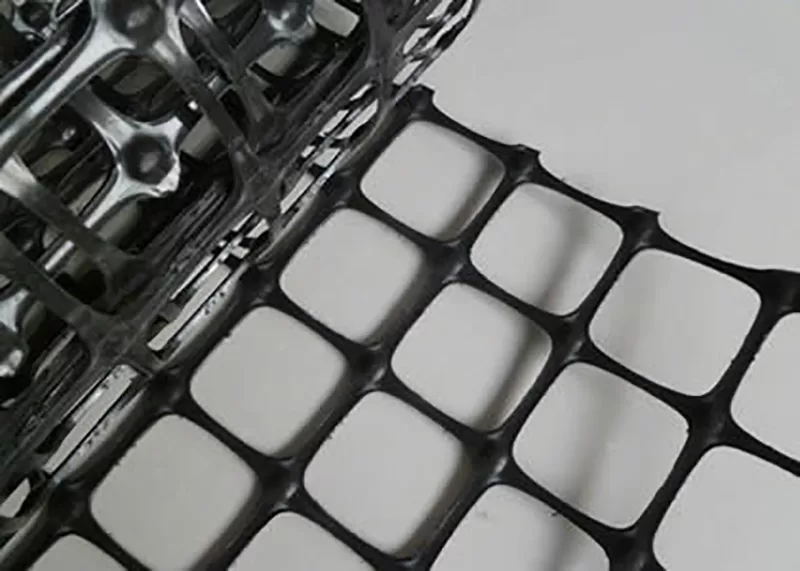
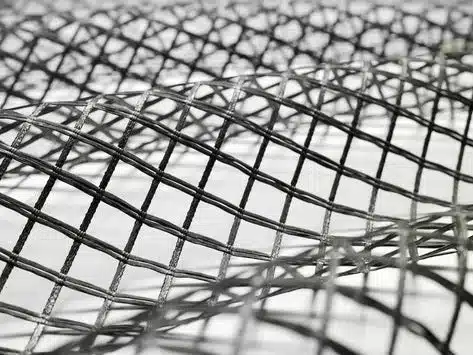
Material selection depends on tensile strength, stiffness, creep resistance, installation damage, and environmental durability. Polyester (PET) and high-density polyethylene (HDPE) geogrids are commonly considered for soil reinforcement, although their performance varies by product structure and manufacturing process.
For permanent structures, retaining wall geogrid material specifications should identify long-term design strength rather than relying solely on ultimate tensile strength. Engineers must account for applicable reduction factors and evaluate reinforcement interaction with the specified backfill.
Buyers should request relevant test reports, durability documentation, and product-specific performance data. Comparing these properties helps determine whether a geogrid meets the approved engineering design and anticipated service conditions.
How Do Drainage and Installation Affect Wall Performance?
Effective drainage and appropriate backfill selection are essential to reinforced retaining wall performance. Water accumulation can increase hydrostatic pressures, while unsuitable backfill may compromise compaction or reinforcement interaction. Geogrids provide tensile reinforcement but do not replace drainage components.
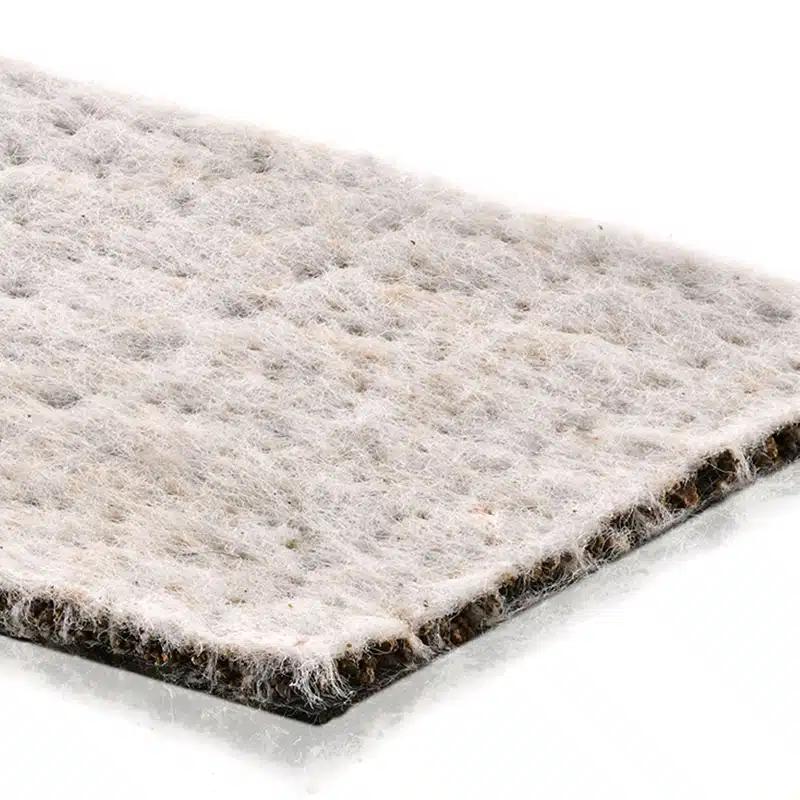
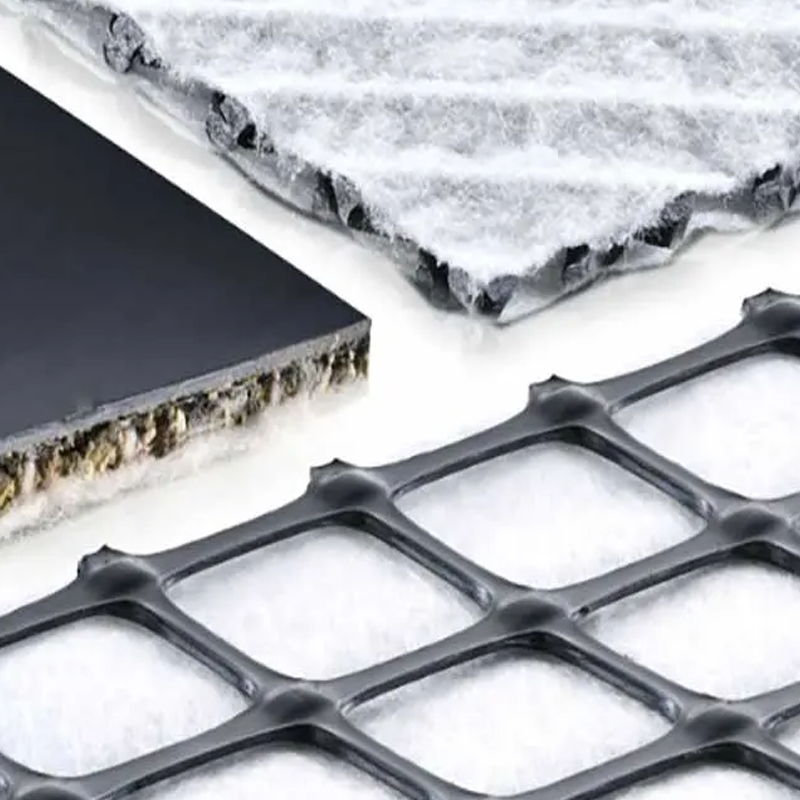
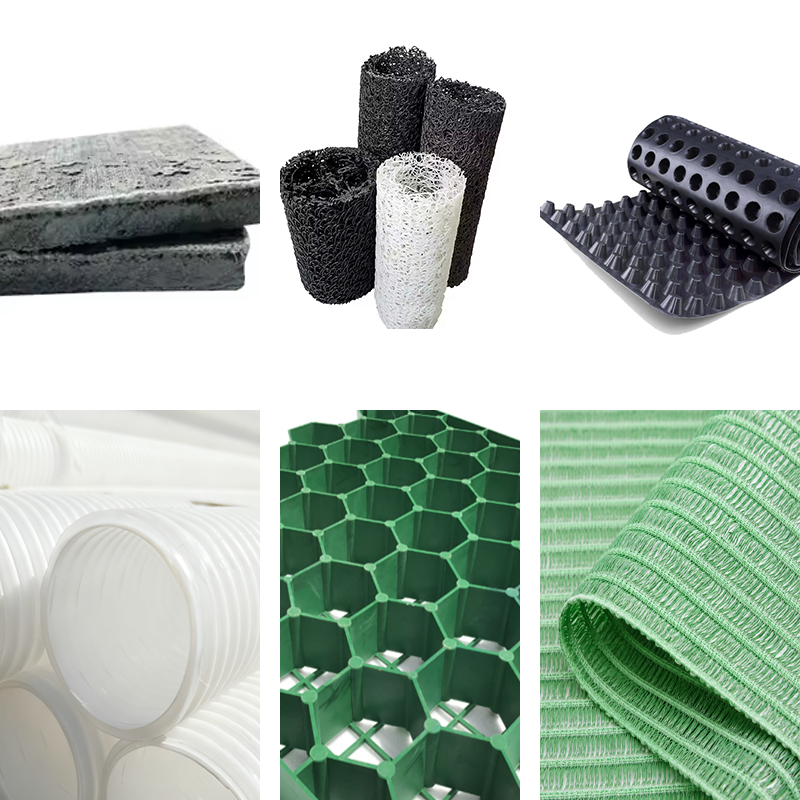
Depending on the design, nonwoven geotextiles, geocomposite drains, and granular drainage layers may be incorporated into the retaining wall system. Contractors should also verify reinforcement orientation, placement, compaction procedures, and protection against installation damage.
When evaluating retaining wall geogrid installation requirements, purchasing teams should consider roll dimensions, handling conditions, backfill compatibility, and delivery sequencing. These factors influence construction efficiency and material utilization.
What Should Buyers Check When Sourcing Retaining Wall Geogrid?
Geogrid procurement increasingly requires documented engineering performance and consistent manufacturing quality. Buyers should compare long-term tensile capacity, product identification, test methods, quality control procedures, and compliance with project specifications.
Supplier evaluation should also cover retaining wall geogrid supplier documentation, including technical datasheets, relevant test reports, production traceability, and installation guidance. For international orders, roll packaging, container loading, delivery schedules, and shipping documentation also require attention.
Price per square meter alone does not reflect overall value. Reinforcement requirements, installation efficiency, material availability, and technical compliance all affect purchasing decisions. Early coordination between engineers, contractors, and suppliers helps reduce specification discrepancies and procurement delays.
Selecting a suitable retaining wall geogrid requires balancing long-term reinforcement performance, soil compatibility, drainage design, and procurement reliability. As engineering specifications become more performance-focused, verified technical documentation remains essential for informed material selection.
Geofantex supplies geogrid reinforcement materials for civil engineering applications. Contact our team to discuss available product specifications, project requirements, and sourcing options for your retaining wall construction needs.

Get Free Sample
We’ll respond as soon as possible(within 12 hours)