

+86-159 9860 6917
info@geofantex.com
geofantex@gmail.com
+86-400-8266163-44899
Understanding geocomposite vs geotextile differences is important for engineers, contractors, and procurement professionals selecting geosynthetic materials for drainage, filtration, separation, reinforcement, and soil stabilization. While geotextiles provide an efficient solution for filtration and separation, geocomposites integrate multiple functions into one engineered system. Comparing their performance helps buyers select suitable materials for roads, retaining walls, landfills, tunnels, mining, and other civil infrastructure projects.
Geocomposite vs Geotextile: What Is the Function of a Geocomposite?
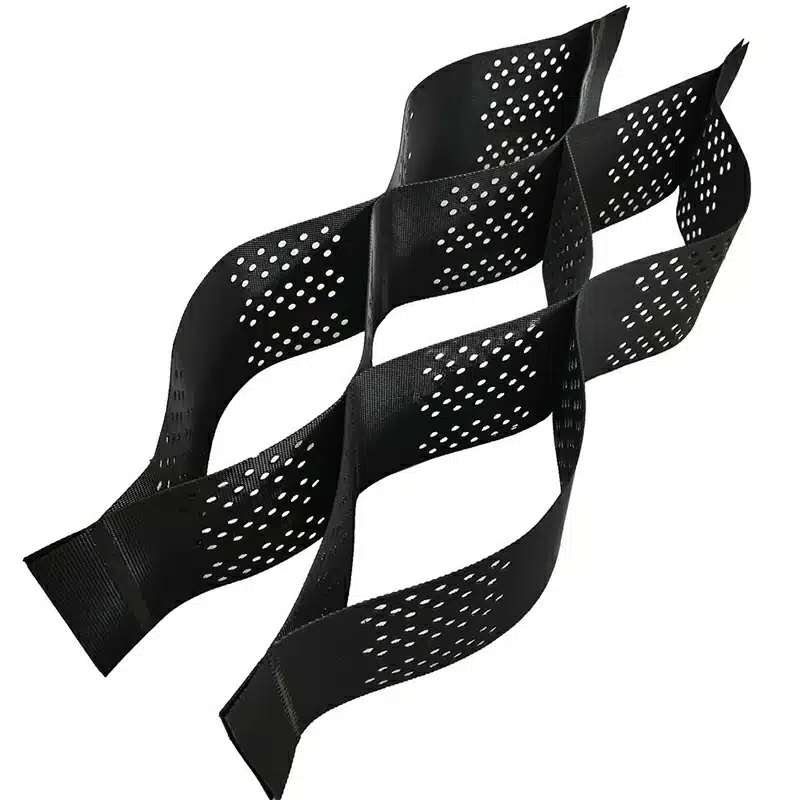
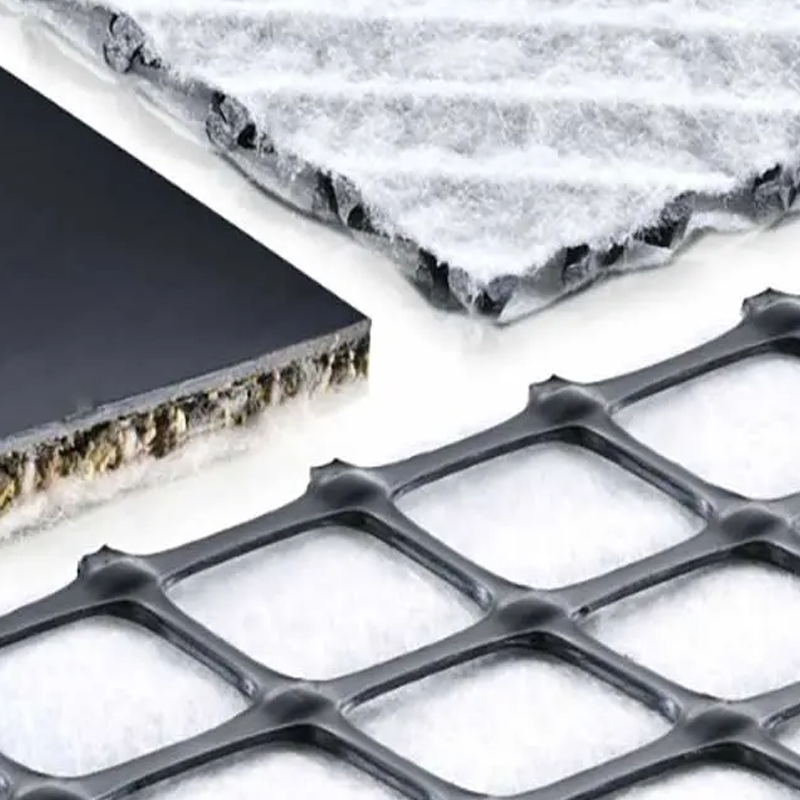
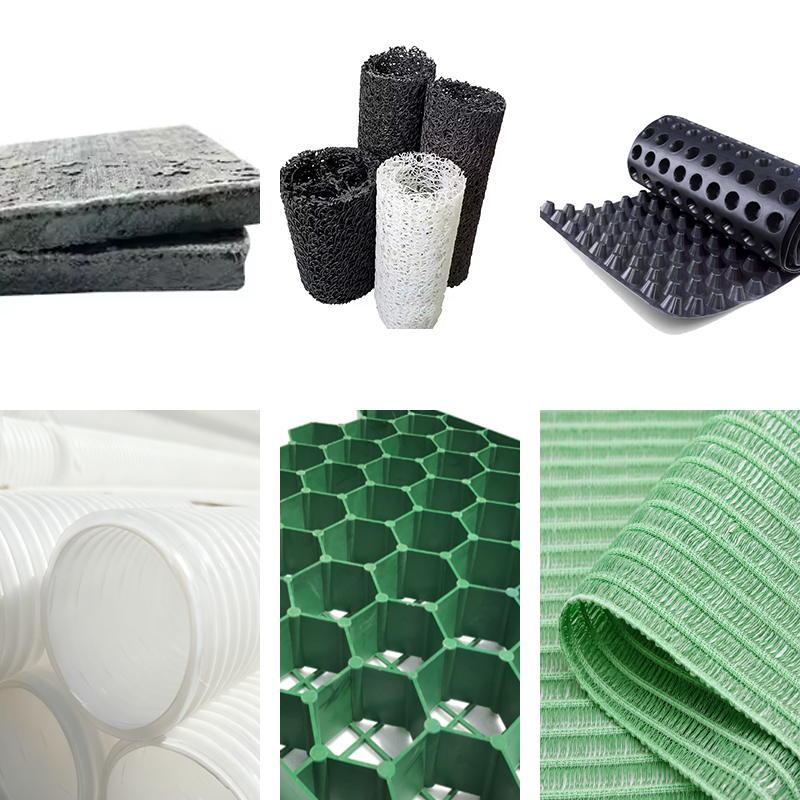
A geocomposite vs geotextile comparison begins with understanding their different structures and functions. A geocomposite is an engineered material manufactured by combining two or more geosynthetic components, such as geotextiles, geonets, geogrids, geomembranes, or structured drainage cores.
By integrating different materials, a geocomposite can perform several engineering functions simultaneously. This can simplify construction, reduce the number of individual layers required, and improve performance in applications with demanding hydraulic or mechanical requirements.
Core Functions of Geocomposites
- Drainage: Geonets or structured drainage cores provide in-plane flow capacity for collecting and conveying water, leachate, or other liquids. Effective drainage can help control hydrostatic pressure behind retaining walls, foundations, tunnels, and other structures.
- Filtration: A nonwoven geotextile layer allows water to enter the drainage system while helping retain soil particles. Proper filtration reduces soil migration and helps maintain the hydraulic performance of the drainage core.
- Separation: Geocomposites can prevent different construction materials, such as aggregate and subgrade soil, from mixing. This helps preserve the designed properties of individual layers.
- Reinforcement: When a reinforcing component such as a geogrid is incorporated, the composite system can provide additional tensile resistance and improve interaction with soil or aggregate.
- Protection and containment: Certain configurations can protect geomembranes against mechanical damage or work alongside barrier systems designed to control liquid or gas migration.
These combined functions make geocomposites suitable for infrastructure projects where several geosynthetic functions must operate within limited construction space. To understand these differences in greater detail, explore our geocomposite vs geotextile comparison for civil engineering applications.
Geocomposite vs Geotextile in Drainage and Filtration Systems
When evaluating geocomposite vs geotextile for drainage and filtration, one of the main differences lies in the structural configuration of the materials.
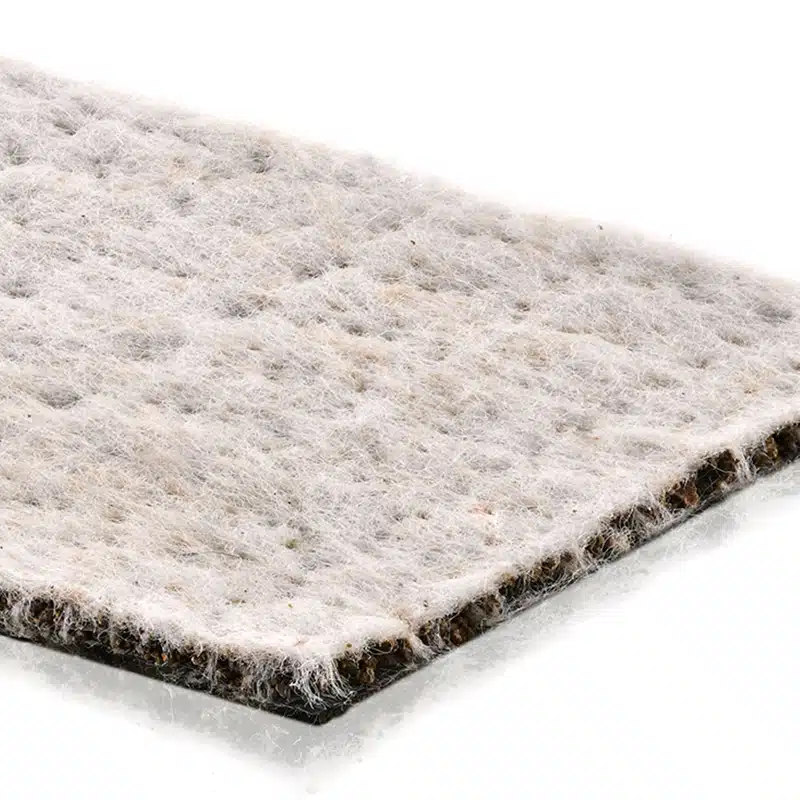
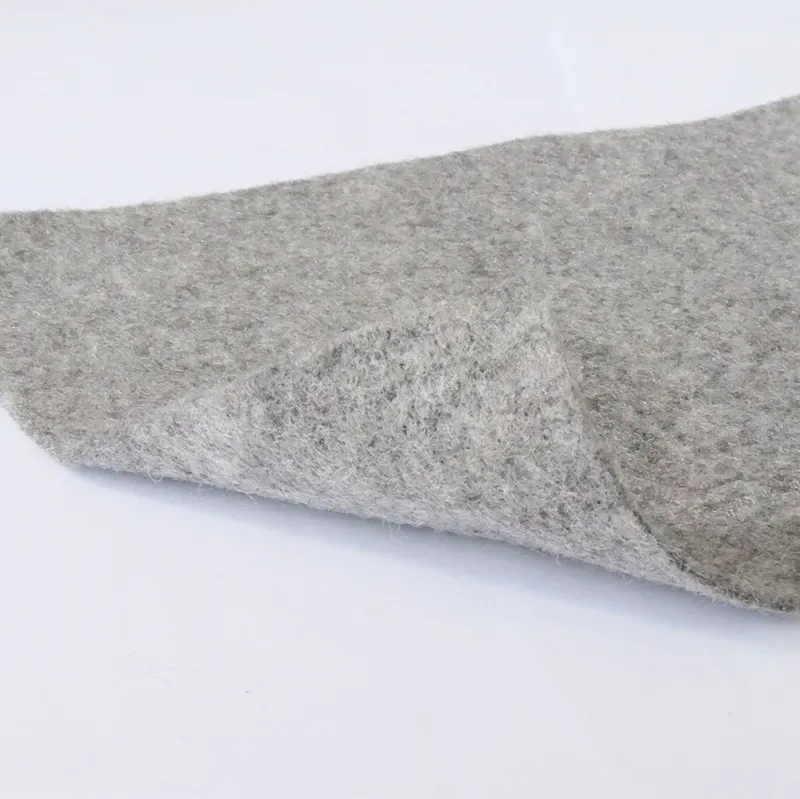
A geotextile is a permeable geosynthetic fabric generally manufactured from polypropylene (PP) or polyester (PET). Depending on its structure and specifications, it can perform filtration, separation, protection, drainage, and reinforcement functions.
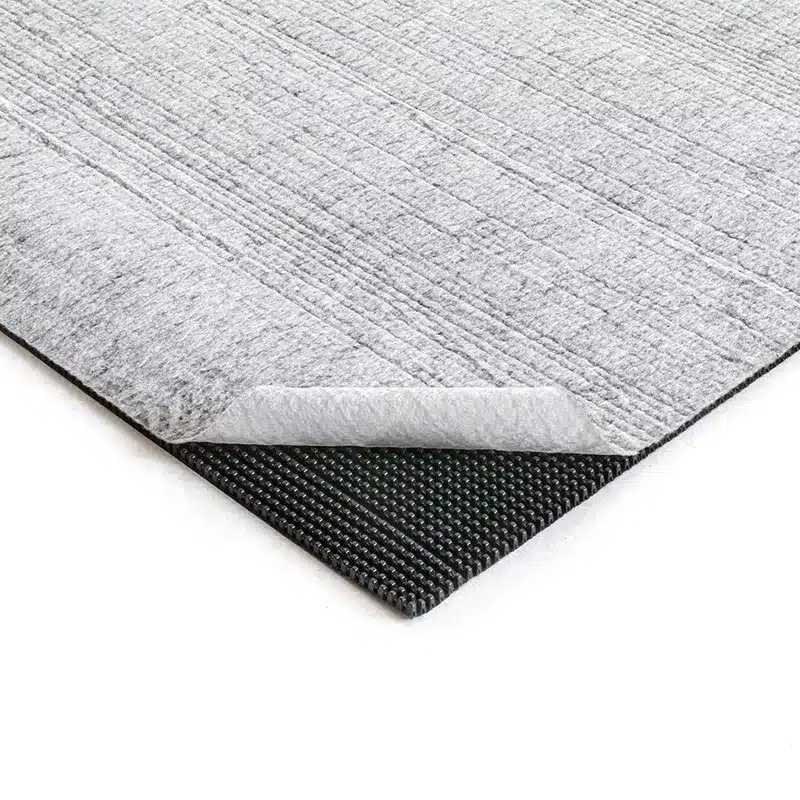
A drainage geocomposite typically combines a three-dimensional drainage core with one or two geotextile filter layers. Water passes through the geotextile and enters the core, where it can then be transported within the plane of the product.
This distinction becomes particularly important when hydraulic capacity is a major design requirement.
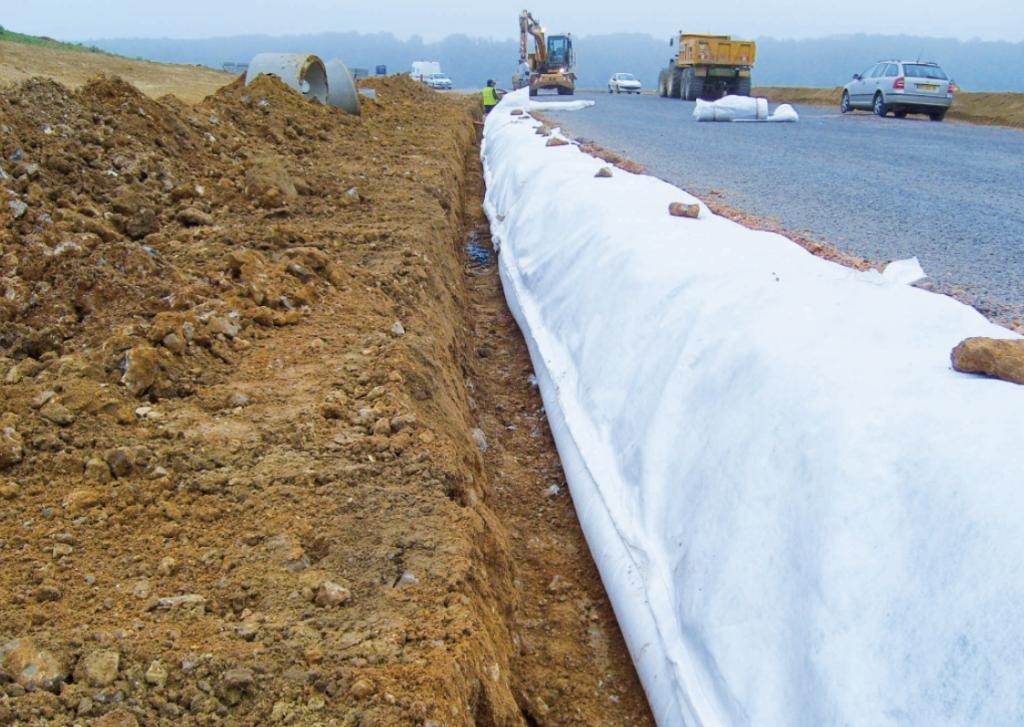
For example, nonwoven geotextiles are commonly installed around drainage aggregate or pipes to separate soil particles from the drainage medium. A geocomposite drainage system, by contrast, provides both filtration and a dedicated pathway for conveying water.
In suitable applications, this configuration can reduce the thickness and quantity of conventional granular drainage materials.
For projects focused on water management, review our geocomposite vs geotextile guide for drainage and filtration systems to compare hydraulic functions and application requirements.
Where Are Drainage Geocomposites Commonly Used?
Typical applications include:
- Retaining wall drainage.
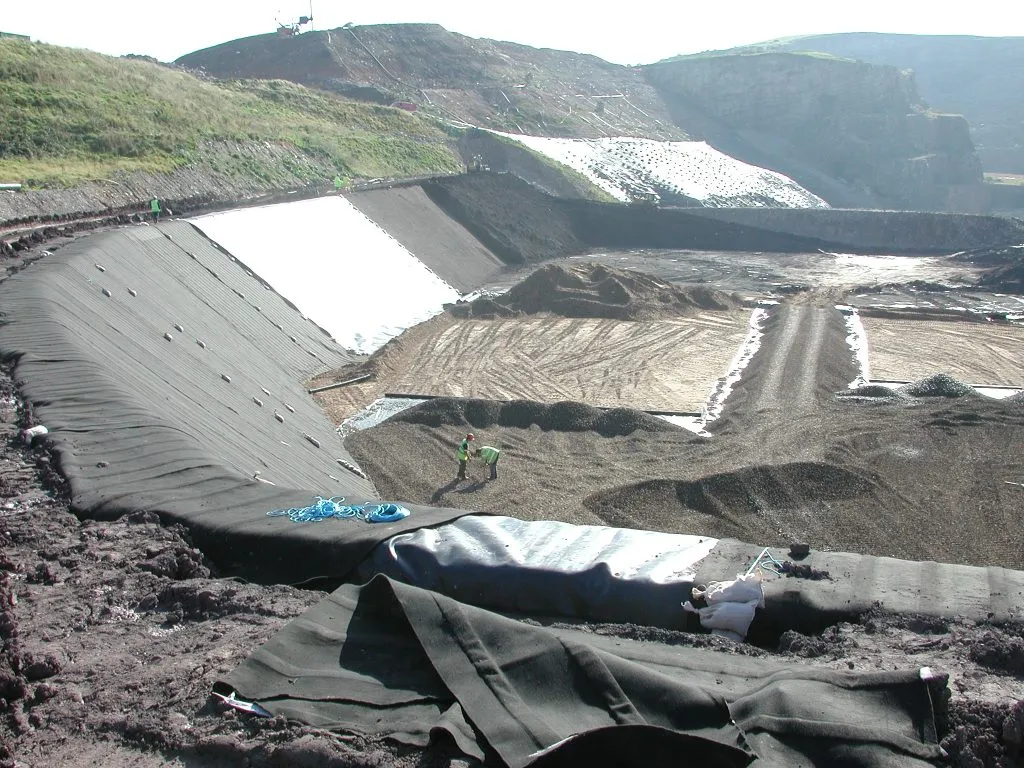
- Landfill leachate collection.
- Road and railway subdrainage.
- Tunnel drainage and waterproofing systems.
- Foundation and basement drainage.
- Bridge abutments.
- Green roofs.
- Mining facilities.
- Sports fields and landscape projects.
The appropriate configuration depends on factors such as flow requirements, soil characteristics, confining pressure, hydraulic gradient, filtration criteria, and expected service conditions.
What Is a Common Example of a Geocomposite?
A drainage geocomposite is one of the most common examples used in civil and environmental engineering.
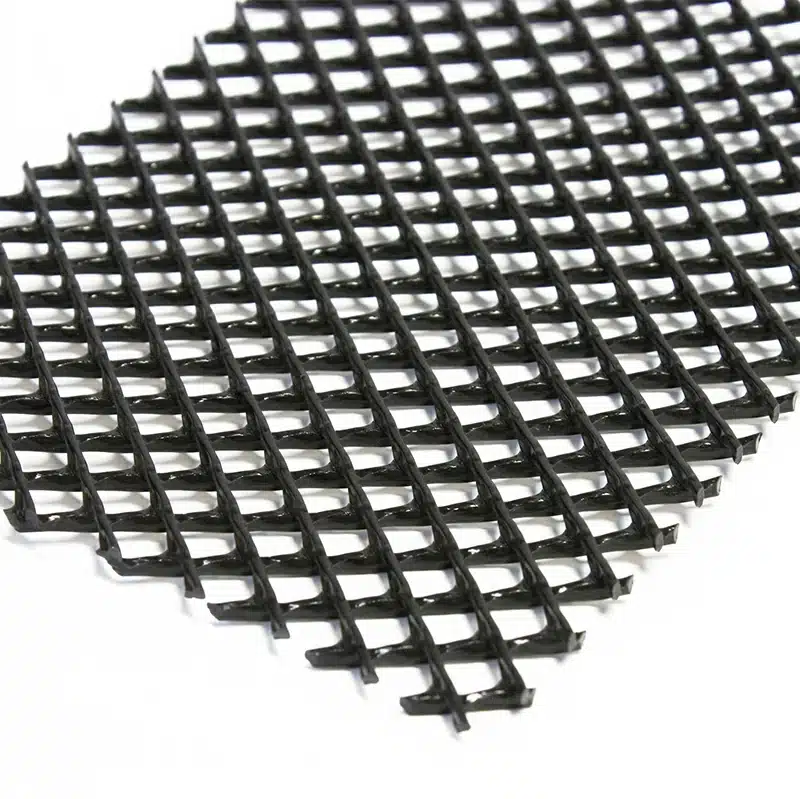
A typical product consists of a geonet or structured polymeric core bonded to one or two layers of nonwoven geotextile. Each component performs a specific function within the system.
The geotextile primarily acts as a filter, allowing water to enter while helping prevent fine soil particles from migrating into the drainage channels. The internal core provides an in-plane pathway through which collected water can be transported toward a designated outlet.
This integrated configuration can provide several advantages:
- High in-plane drainage capacity.
- Filtration and drainage within one product.
- Reduced dependence on granular drainage layers.
- Lower material handling requirements.
- Faster installation over large areas.
- Reduced construction thickness in space-constrained applications.
However, performance should always be evaluated under actual project conditions. Drainage capacity can change under sustained compressive loads, while filtration requirements depend strongly on the characteristics of the surrounding soil.
Which Material Should You Choose?
The choice between geocomposite vs geotextile should be based on the required engineering function, hydraulic performance, soil conditions, installation constraints, and project design rather than assuming that one material is universally better.
Choose a geotextile when:
- Separation between soil and aggregate is the primary requirement.
- Filtration is required around drainage layers or pipes.
- Protection or cushioning is needed.
- The project requires a relatively simple geosynthetic layer.
- In-plane drainage capacity is not the primary design requirement.
Consider a geocomposite when:
- Both drainage and filtration are required.
- High in-plane flow capacity is important.
- Construction space is limited.
- Reducing granular drainage layers is desirable.
- Multiple engineering functions need to be integrated into one system.
Before specifying a material, engineers and procurement teams can use our geocomposite vs geotextile selection guide for infrastructure projects to evaluate hydraulic capacity, soil conditions, loads, and installation constraints.
What Technical Properties Should Buyers Compare?
A technical geocomposite vs geotextile comparison should consider hydraulic, mechanical, filtration, and long-term performance rather than relying only on thickness, weight, or unit price.
For geotextiles, relevant parameters may include:
- Tensile strength.
- Puncture resistance.
- Apparent opening size (AOS).
- Permittivity and permeability.
- Mass per unit area.
- UV resistance.
- Material composition.
For drainage geocomposites, additional parameters should be considered, particularly:
- Transmissivity or in-plane flow capacity.
- Core thickness and structure.
- Compressive behavior.
- Geotextile filtration properties.
- Long-term behavior under confining pressure.
- Chemical compatibility.
- Hydraulic performance under design loads.
Technical data should be evaluated according to applicable test standards and the actual conditions expected during service.
For procurement professionals, providing the supplier with project information—including soil conditions, required flow capacity, applied pressure, dimensions, application, and quantity—can also help identify a more appropriate product specification and obtain a more accurate quotation.
Understanding geocomposite vs geotextile performance allows engineers, contractors, and buyers to select a geosynthetic system that better matches the requirements of each application.
Geotextiles remain widely used for filtration, separation, protection, and certain reinforcement applications. Geocomposites combine two or more geosynthetic components and can integrate functions such as filtration, drainage, reinforcement, or protection within a single engineered product.
Neither solution is automatically better for every project. Soil conditions, hydraulic requirements, structural loads, available construction space, installation conditions, durability requirements, and long-term performance should all be evaluated before specification.
Selecting the appropriate geosynthetic system can improve drainage efficiency, preserve the integrity of construction layers, simplify installation, optimize material consumption, and contribute to reliable long-term performance in transportation, environmental, mining, and civil engineering projects.

Get Free Sample
We’ll respond as soon as possible(within 12 hours)