

+86-159 9860 6917
info@geofantex.com
geofantex@gmail.com
+86-400-8266163-44899
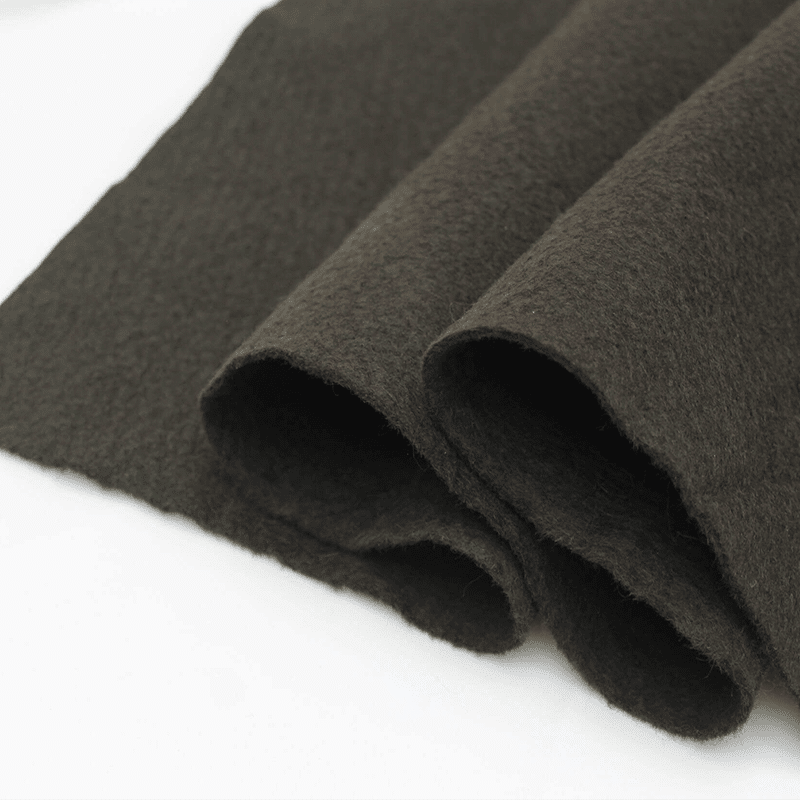
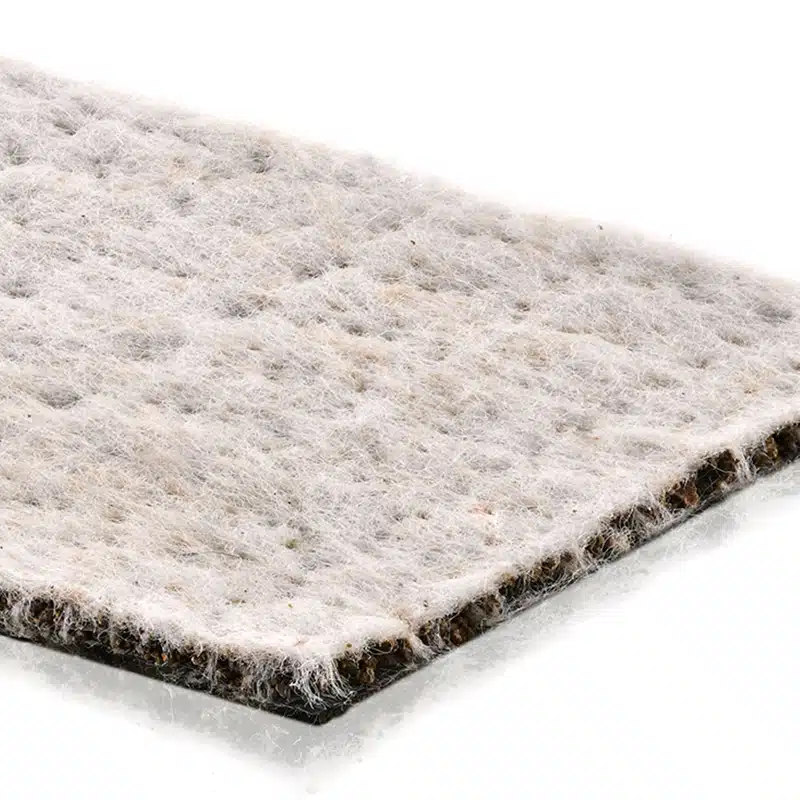
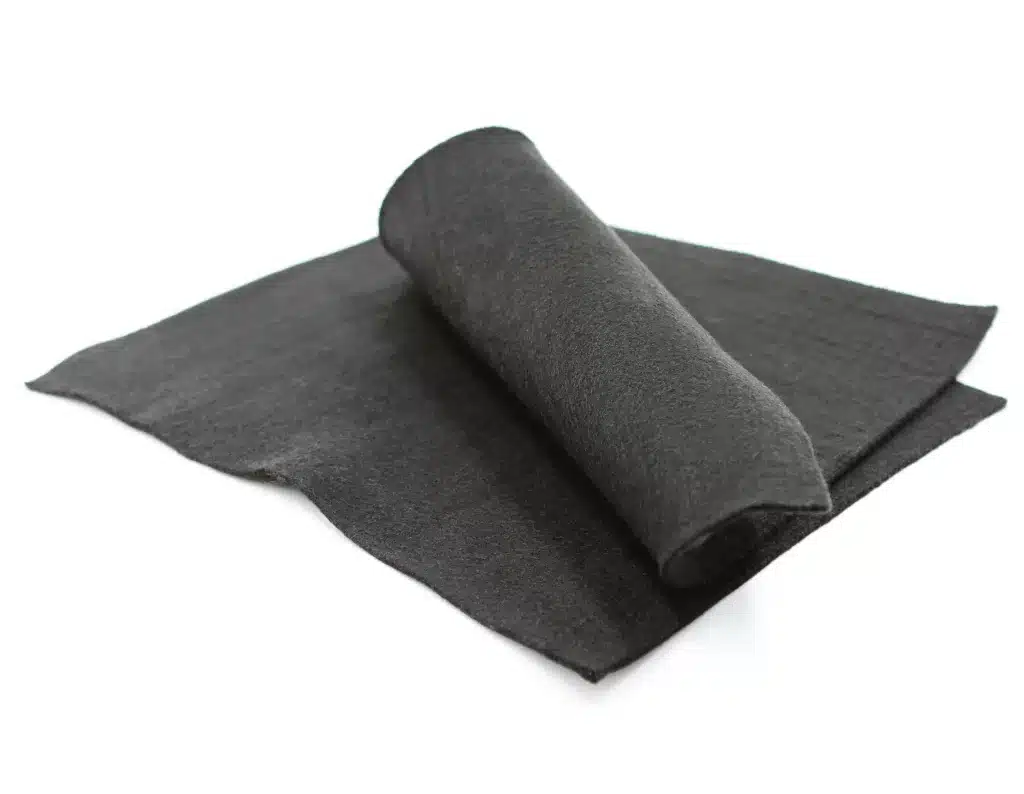
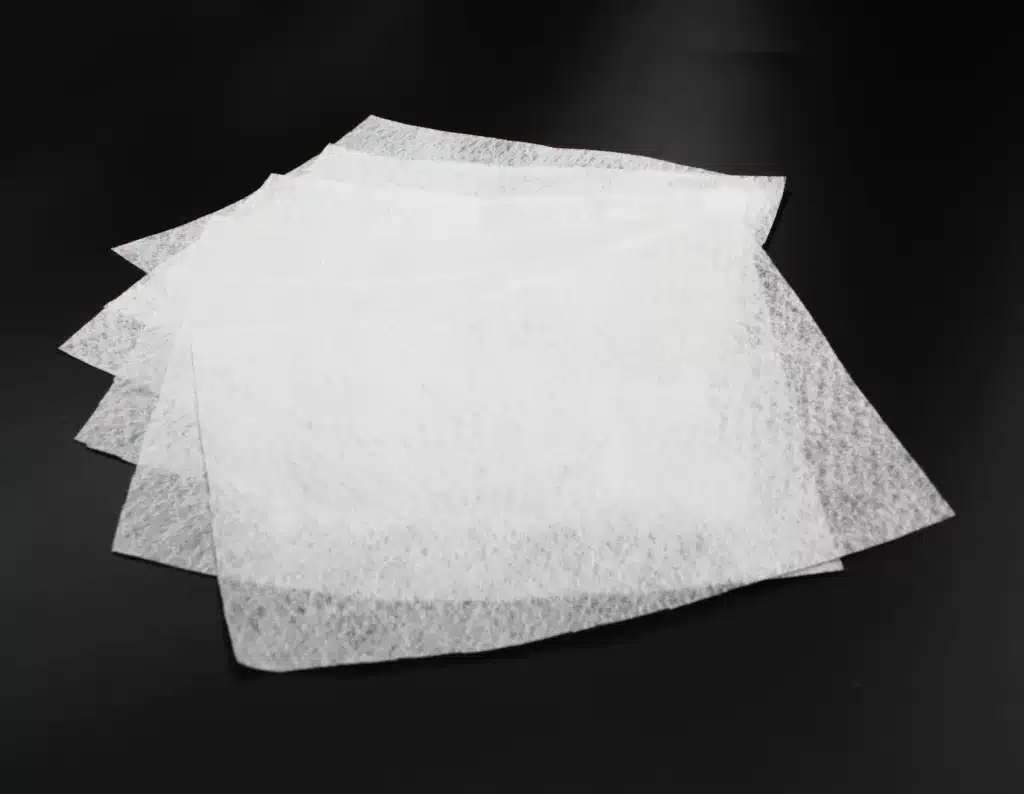
Driveway Fabric is widely used in gravel driveway construction to improve soil separation, increase load support, and enhance drainage performance. For contractors, distributors, and project buyers, choosing the right geotextile solution can reduce maintenance costs, prevent rutting, and extend driveway service life in both residential and commercial applications.
Why Is Driveway Fabric Important for Gravel Driveways?
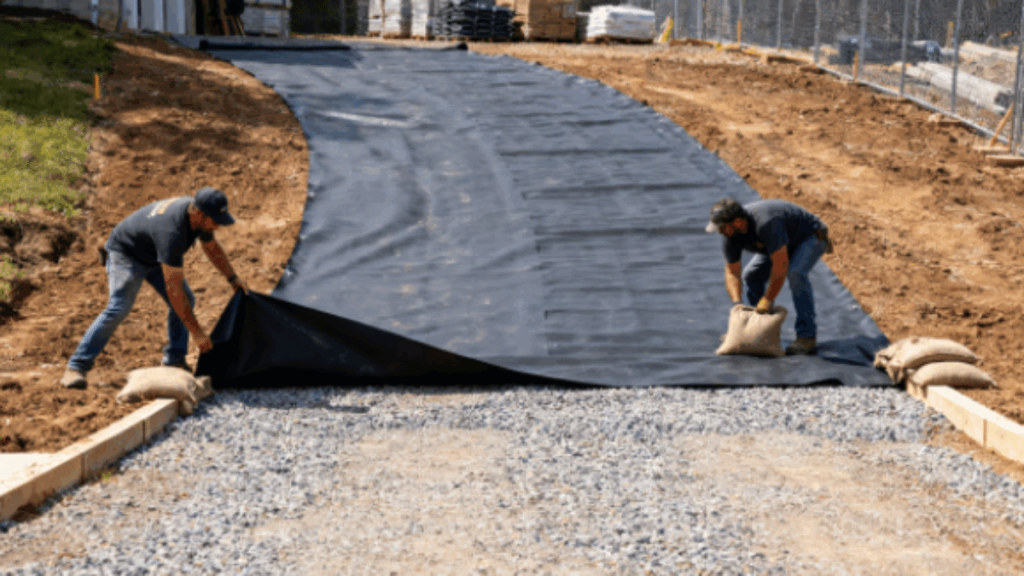
A durable driveway starts with a stable foundation. Separating the soil from the aggregate layer helps maintain a smooth and level surface over time. This process also prevents gravel from sinking into weak ground under repeated vehicle traffic.
In many construction projects, poor drainage causes potholes, erosion, and surface deformation. Using geotextile materials allows water to pass through while retaining soil particles, improving the structural integrity of the driveway base.
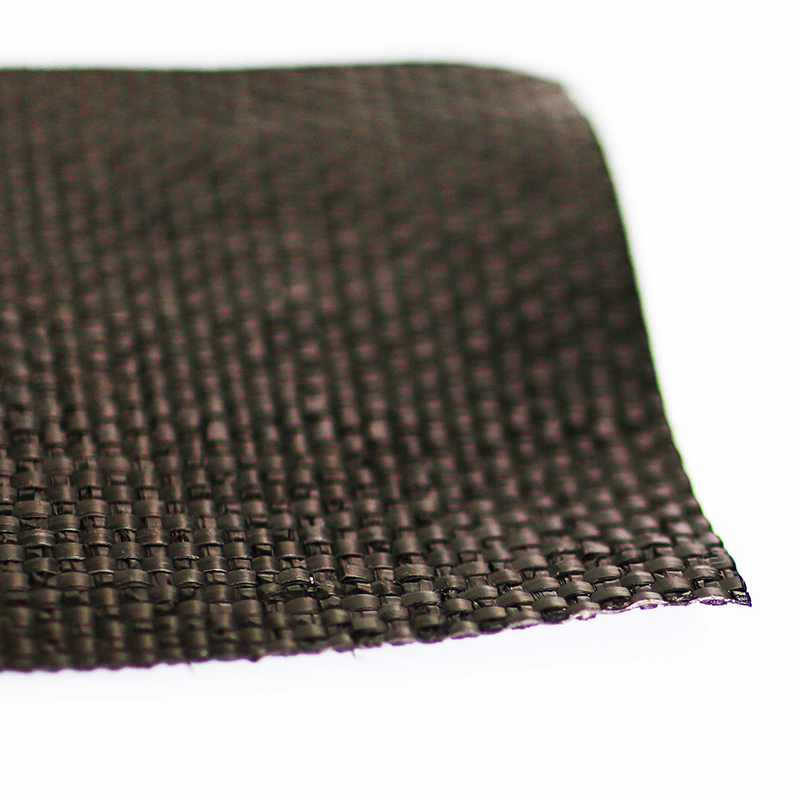
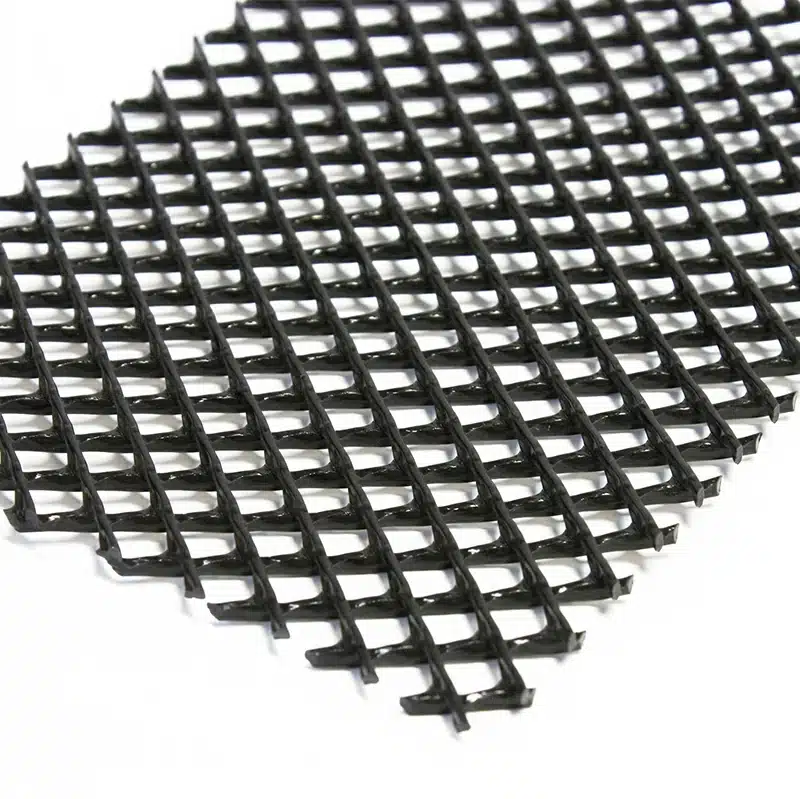
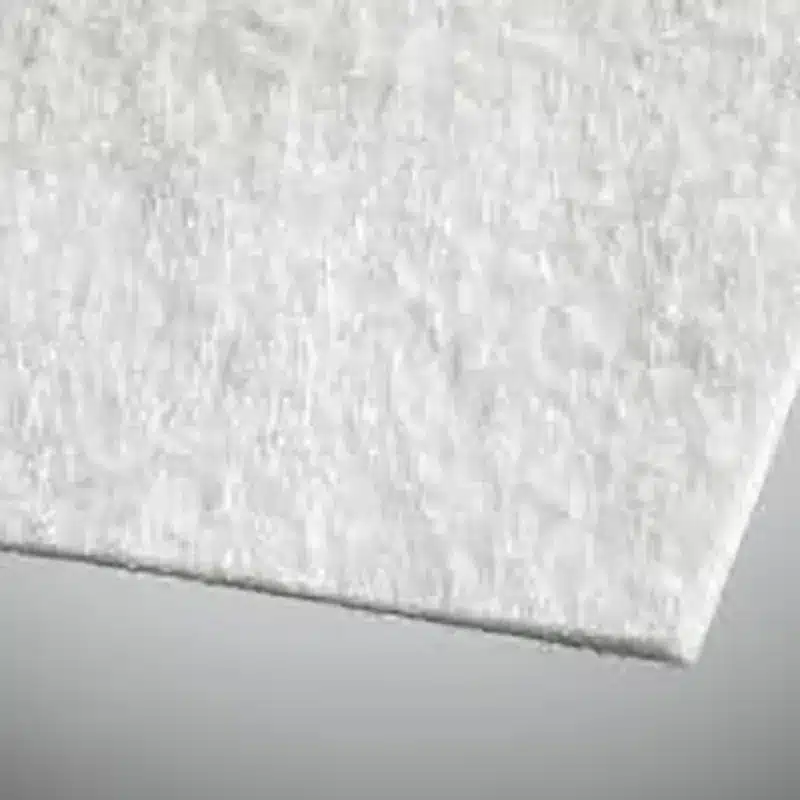
Contractors often select woven or nonwoven geotextiles based on load requirements and site conditions. For heavy vehicle access roads, high-strength woven fabrics provide additional reinforcement. Residential projects typically use nonwoven materials for filtration and drainage support.
To improve long-term project performance, many engineers recommend Driveway Fabric installation for gravel stabilization when designing road base systems in soft soil areas.
How Does Driveway Fabric Improve Drainage Performance?
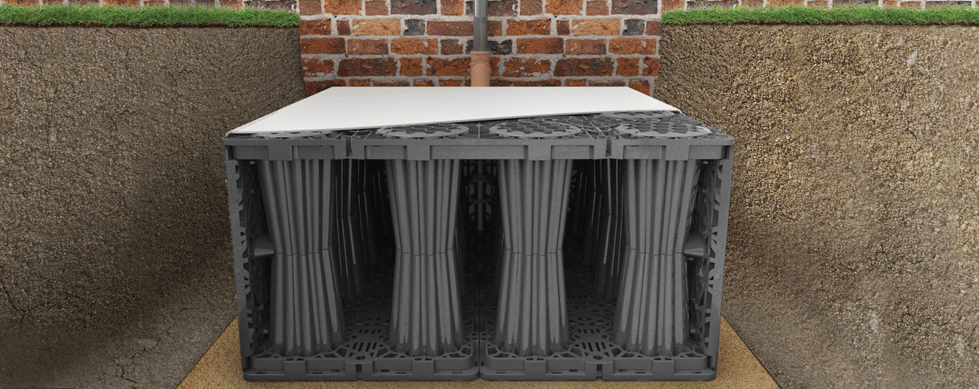
Water is one of the main causes of driveway failure. Effective drainage systems reduce water buildup and help maintain the strength of the aggregate base. As a result, the driveway remains more stable during heavy rainfall and seasonal weather changes.
Proper drainage performance provides several benefits:
- Reduces frost heave damage
- Prevents soil erosion beneath the driveway
- Extends gravel lifespan
- Minimizes maintenance frequency
- Improves load-bearing capacity
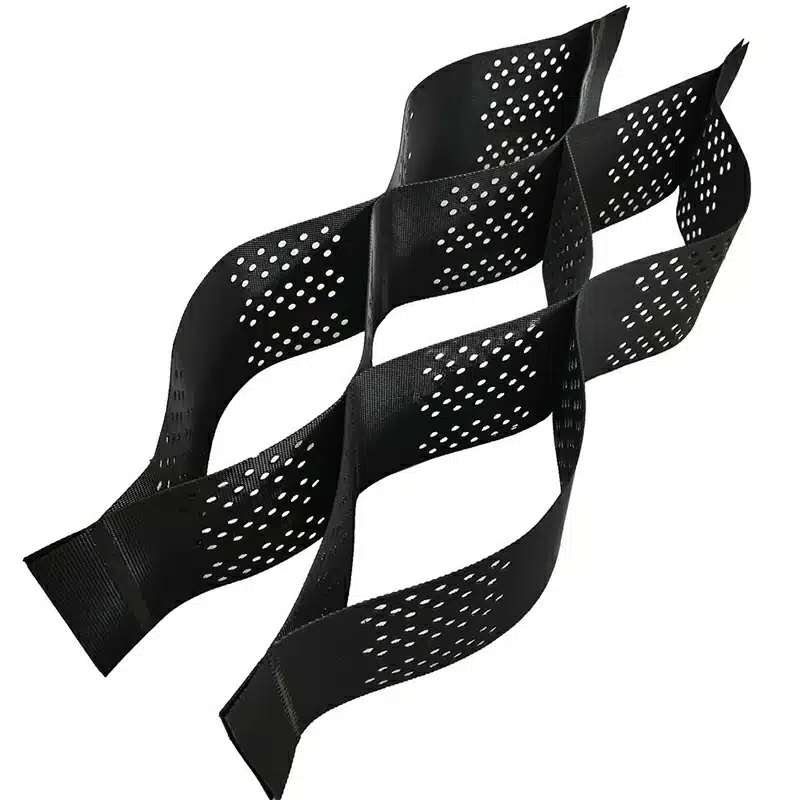
Geosynthetic drainage systems are especially important in regions with heavy rainfall or unstable subgrade soils. By separating the aggregate from wet soil conditions, the driveway structure remains stronger over time.
Many project owners also search for heavy-duty Driveway Fabric for drainage control when sourcing geotextiles for long-term infrastructure applications.
What Type of Driveway Fabric Should You Choose?
The right solution depends on soil conditions, drainage needs, and traffic requirements. Some projects require higher strength for load support, while others focus on filtration and water movement.
Key selection factors include:
- Tensile strength
- Permeability
- Puncture resistance
- UV durability
- Soil compatibility
For commercial access roads or parking areas, higher-strength woven geotextiles help distribute loads more evenly. Residential gravel driveways generally require moderate-strength fabrics with reliable drainage performance.
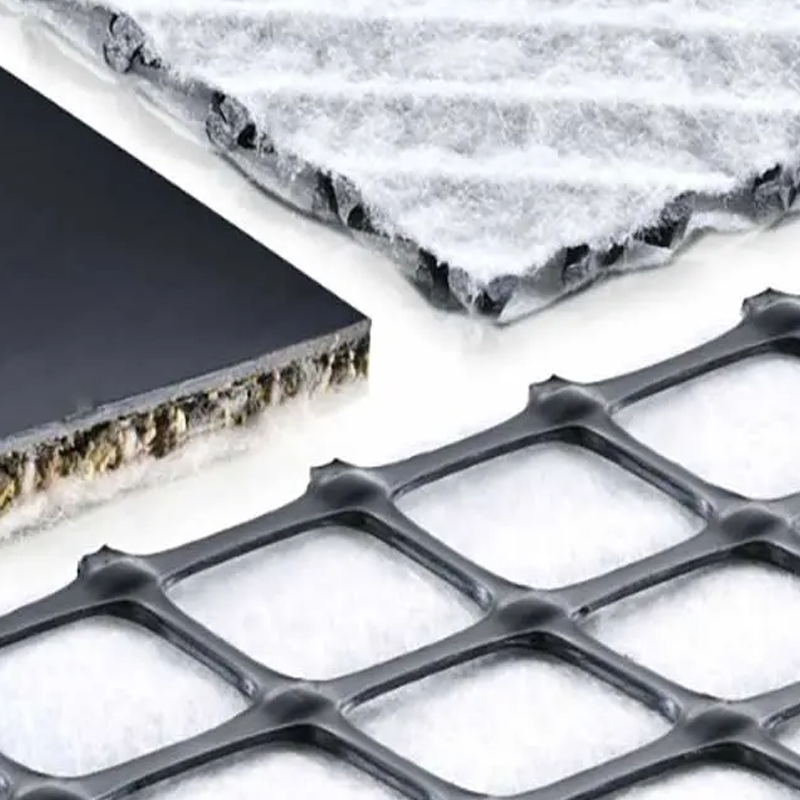
Buyers comparing geosynthetic materials frequently evaluate Driveway Fabric solutions for driveway reinforcement to ensure compatibility with local soil and climate conditions.
How Can Proper Installation Improve Long-Term Performance?
Correct installation plays a major role in overall driveway durability. Contractors usually begin by leveling and preparing the subgrade surface. After that, they carefully place the support layer and apply aggregate material evenly across the area.
Proper compaction also helps create a stronger and more reliable driving surface.
Installation best practices include:
- Preparing a smooth subgrade
- Using adequate fabric overlap
- Avoiding direct equipment contact with exposed fabric
- Applying proper aggregate thickness
- Compacting each layer thoroughly
Properly installed geotextiles can significantly reduce future repair costs while improving driveway longevity and performance.
Driveway Fabric provides an effective geosynthetic solution for driveway stabilization, drainage improvement, and soil separation. Whether used in residential gravel driveways or commercial access roads, geotextile fabrics help reduce maintenance, improve load distribution, and extend pavement lifespan. Selecting the correct material and installation method ensures reliable long-term performance for modern driveway construction projects.
Get Free Sample
We’ll respond as soon as possible(within 12 hours)