

+86-159 9860 6917
info@geofantex.com
geofantex@gmail.com
+86-400-8266163-44899
Geotextile fabric thickness is an important specification for contractors, engineers, and buyers selecting materials for drainage, separation, protection, and road construction. The right thickness depends on geotextile type, load conditions, soil characteristics, and required performance. Before purchasing, buyers should compare thickness with GSM, tensile strength, permeability, and puncture resistance to select the appropriate geotextile specification and request an accurate project quotation.
Why Geotextile Fabric Thickness Matters in Construction
Selecting suitable materials plays an important role in structural stability and filtration performance. Products that lack sufficient strength may fail under heavy loads. Materials that exceed project requirements can also increase costs without delivering practical benefits.
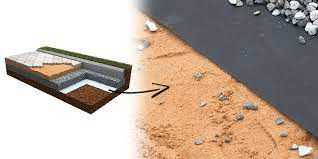
In road construction, thicker non-woven geotextiles often provide better cushioning and drainage performance. Many engineering teams evaluating advanced geotextile fabric thickness solutions for civil engineering focus on how material structure influences long-term pavement stability and water flow control.
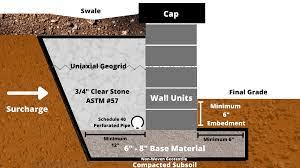
Retaining wall systems, meanwhile, rely on proper thickness to improve soil separation and prevent water accumulation behind structures.
Many engineers evaluate thickness together with:
- tensile strength
- permeability
- puncture resistance
- elongation properties
Project conditions always determine the ideal specification.
For drainage-related applications, buyers frequently review geotextile fabric thickness for road construction drainage systems before finalizing procurement decisions.
Common Geotextile Fabric Thickness Range
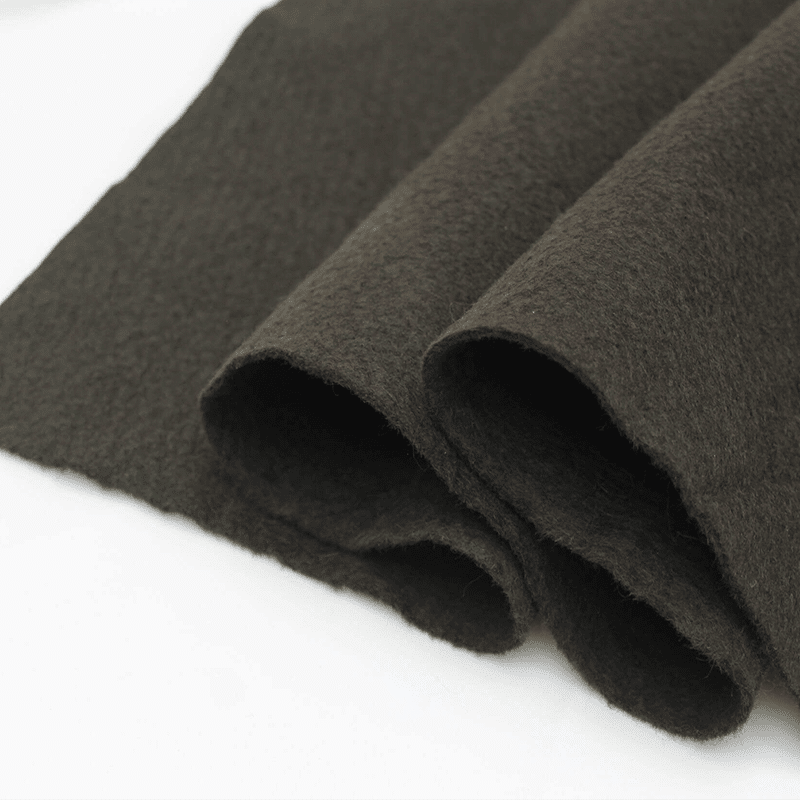
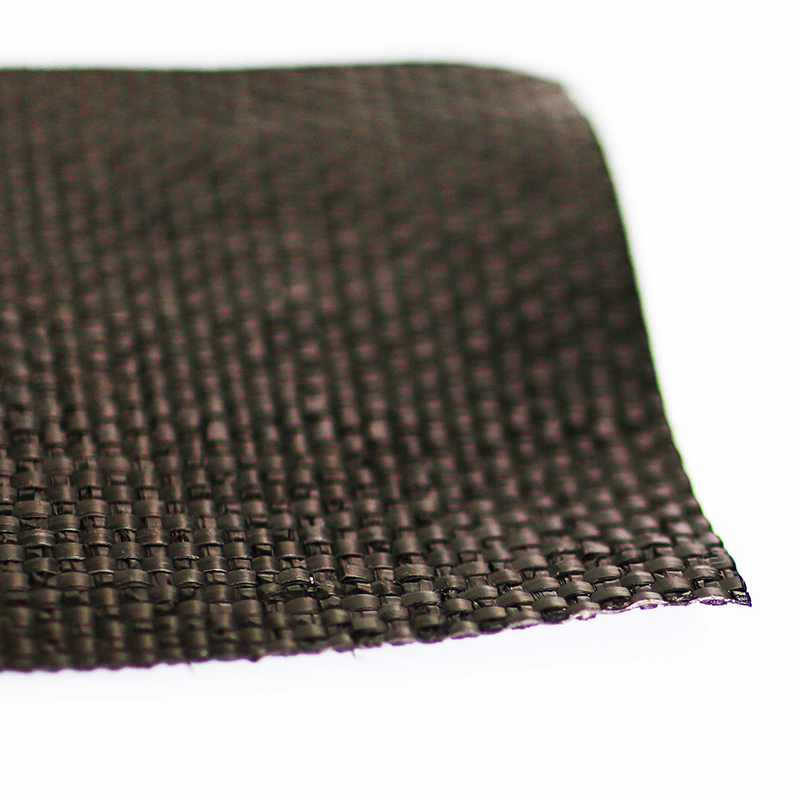
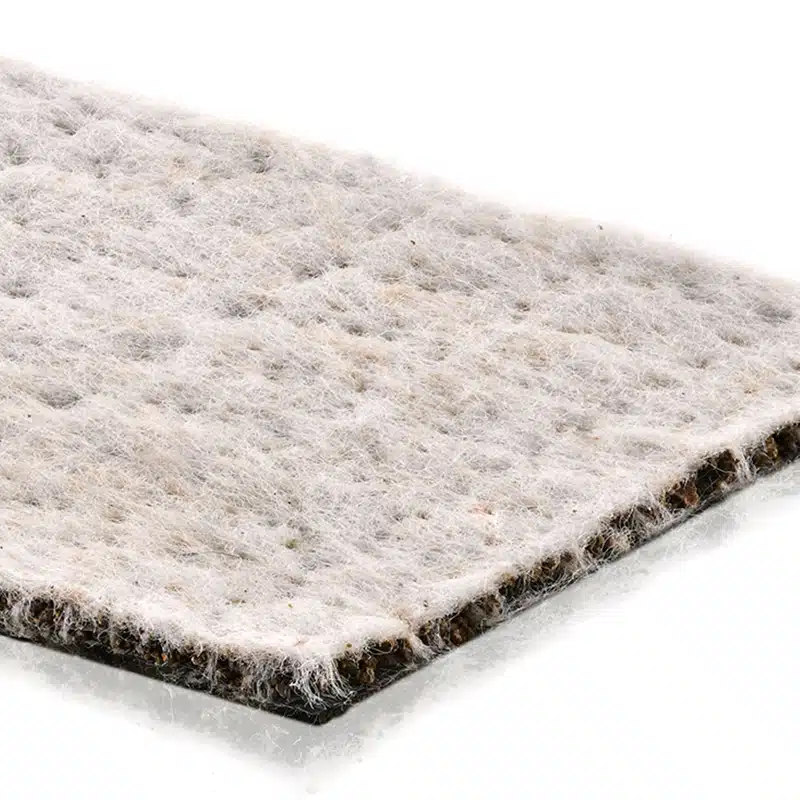
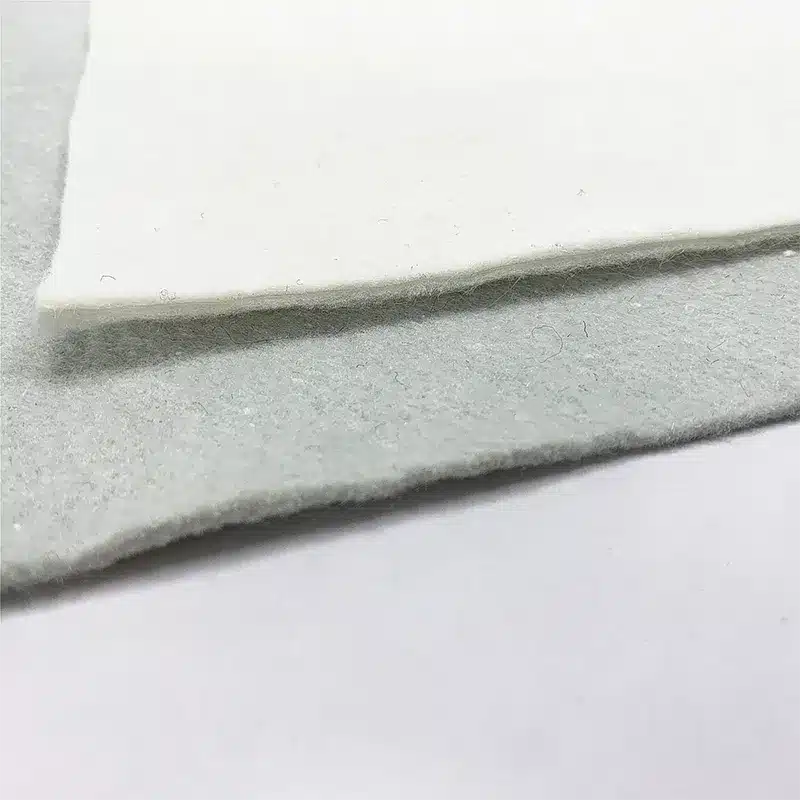
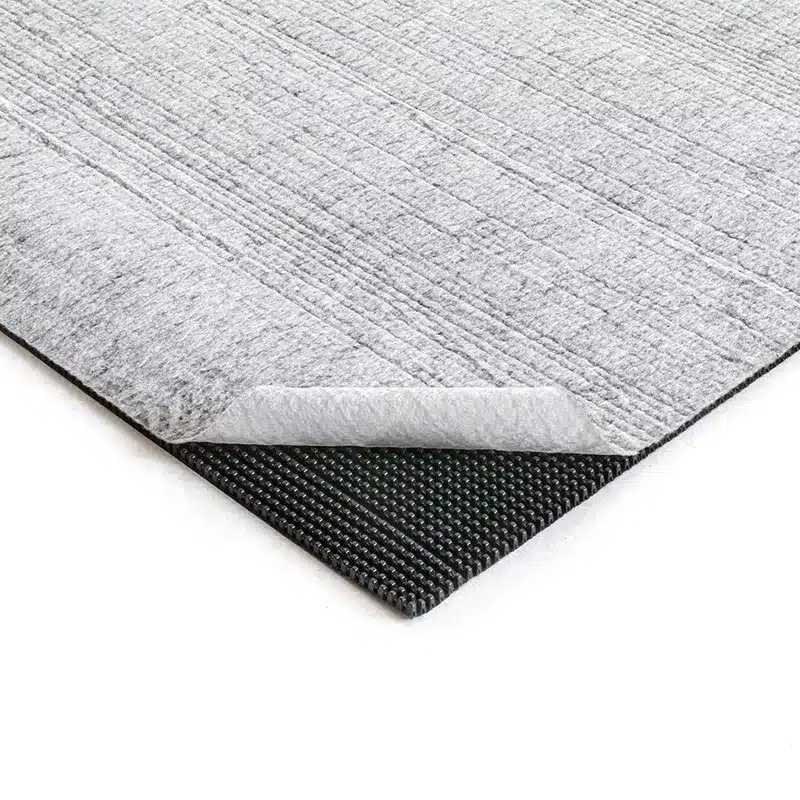
Different applications require different thickness levels. Non-woven geotextiles usually have greater thickness because of their needle-punched fiber structure, while woven fabrics are thinner but stronger in reinforcement applications.
Typical ranges include:
| Application | Thickness Range |
|---|---|
| Landscaping | 0.5–1.5 mm |
| Road stabilization | 1–3 mm |
| Drainage systems | 2–5 mm |
| Landfill protection | 3–10 mm |
| Heavy-duty reinforcement | 5 mm+ |
Understanding the relationship between weight and thickness is important. A thicker fabric does not always mean higher tensile strength.
Many infrastructure projects use non woven geotextile fabric thickness for retaining walls because these materials improve filtration and drainage behind wall structures.
How to Choose the Right Geotextile Fabric Thickness
Choosing the right product depends on site conditions, load requirements, and environmental exposure. Engineers usually begin by studying groundwater conditions and expected traffic loads.
For example:
- Highways require strong separation and reinforcement properties.
- Retaining walls need effective drainage and filtration.
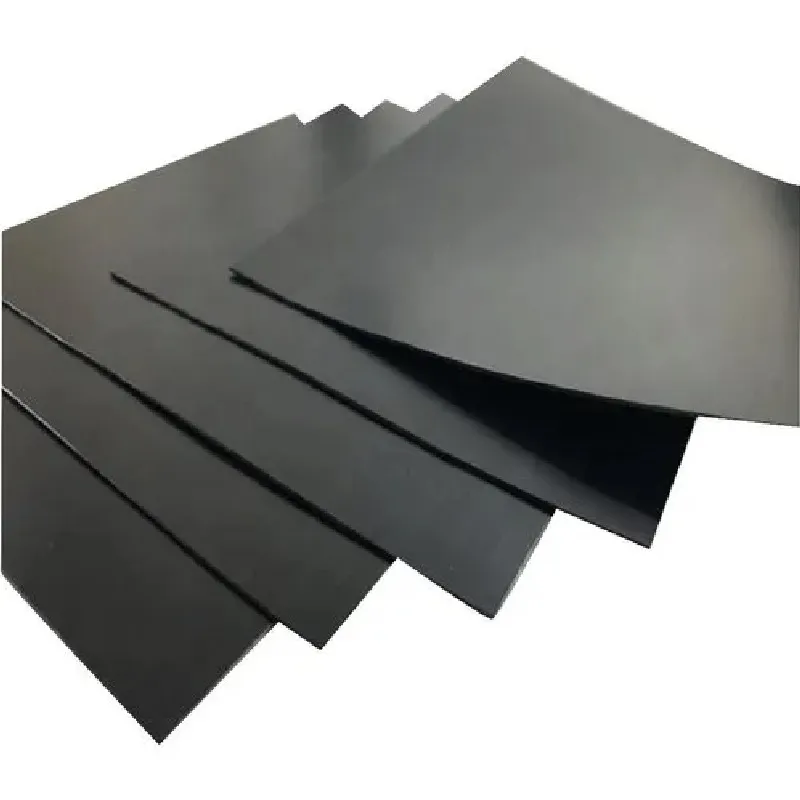
- Landfills demand puncture protection for geomembranes.
Projects with heavy loads usually require thicker non-woven geotextiles because they provide improved cushioning and durability.
Buyers should also compare:
- UV resistance
- chemical resistance
- water flow rate
- installation conditions
Professionals searching for how to select geotextile fabric thickness for drainage performance often compare permeability and puncture resistance alongside thickness specifications because material selection directly affects project lifespan.
Woven vs Non-Woven Geotextile Thickness
Woven and non-woven geotextiles perform differently in engineering systems.
Woven Geotextiles
Woven products are manufactured by interlacing fibers. They usually provide:
- higher tensile strength
- lower elongation
- thinner structure
These materials are commonly used for reinforcement and road stabilization.
Non-Woven Geotextiles
Non-woven products are needle-punched or heat bonded. Their structure creates larger void spaces that improve filtration and water flow.
Benefits include:
- better drainage
- greater cushioning effect
- improved filtration performance
- enhanced puncture resistance
Because of these characteristics, many drainage systems prioritize thicker non-woven geotextiles.
Applications in Engineering Projects
Modern infrastructure projects rely heavily on suitable material selection.
Road Construction
Road construction projects use geotextiles to separate aggregate layers and improve subgrade stability. Proper thickness helps prevent soil migration while maintaining drainage efficiency.
Retaining Wall Systems
Retaining walls require effective filtration behind the structure to reduce hydrostatic pressure. Correct geotextile thickness supports drainage performance and extends wall lifespan.
Geotextile fabric thickness plays a critical role in drainage, reinforcement, filtration, and long-term infrastructure stability. The ideal thickness depends on project requirements, environmental conditions, and load performance rather than a single specification value. By understanding application needs and performance data, contractors and buyers can make informed decisions while reducing long-term maintenance risks.

Get Free Sample
We’ll respond as soon as possible(within 12 hours)