

+86-159 9860 6917
info@geofantex.com
geofantex@gmail.com
+86-400-8266163-44899
Rowad international geosynthetics co ltd is recognized across the global geosynthetics sector as part of a rapidly growing supply chain supporting infrastructure, environmental engineering, and large-scale construction. As demand for stronger, lighter, and more sustainable ground-engineering materials rises, geosynthetics continue to transform how civil engineers design and stabilize soil systems.
What are geosynthetics and why are they essential in today’s infrastructure?
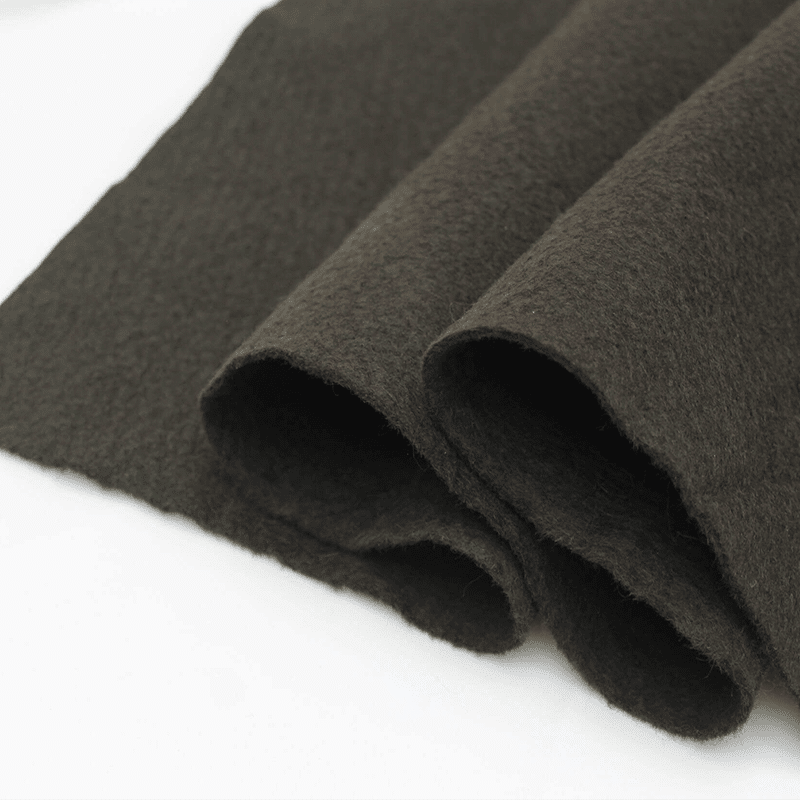
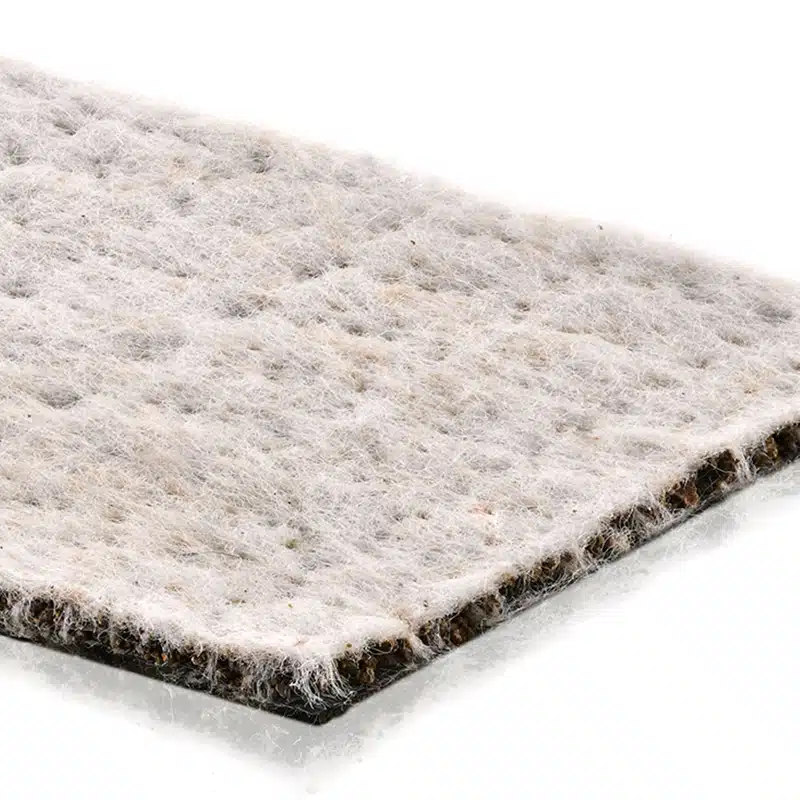
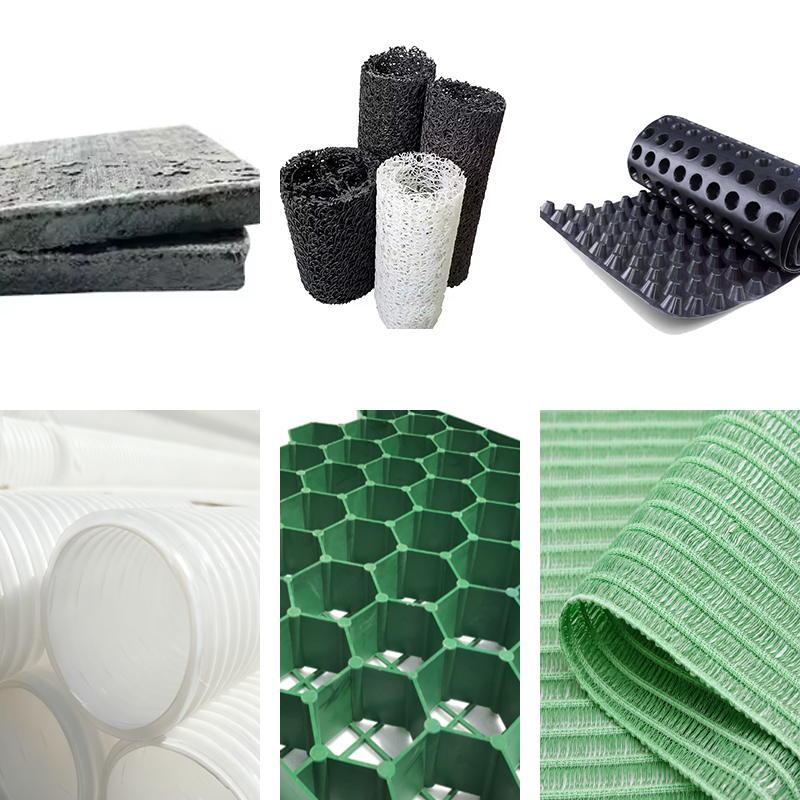
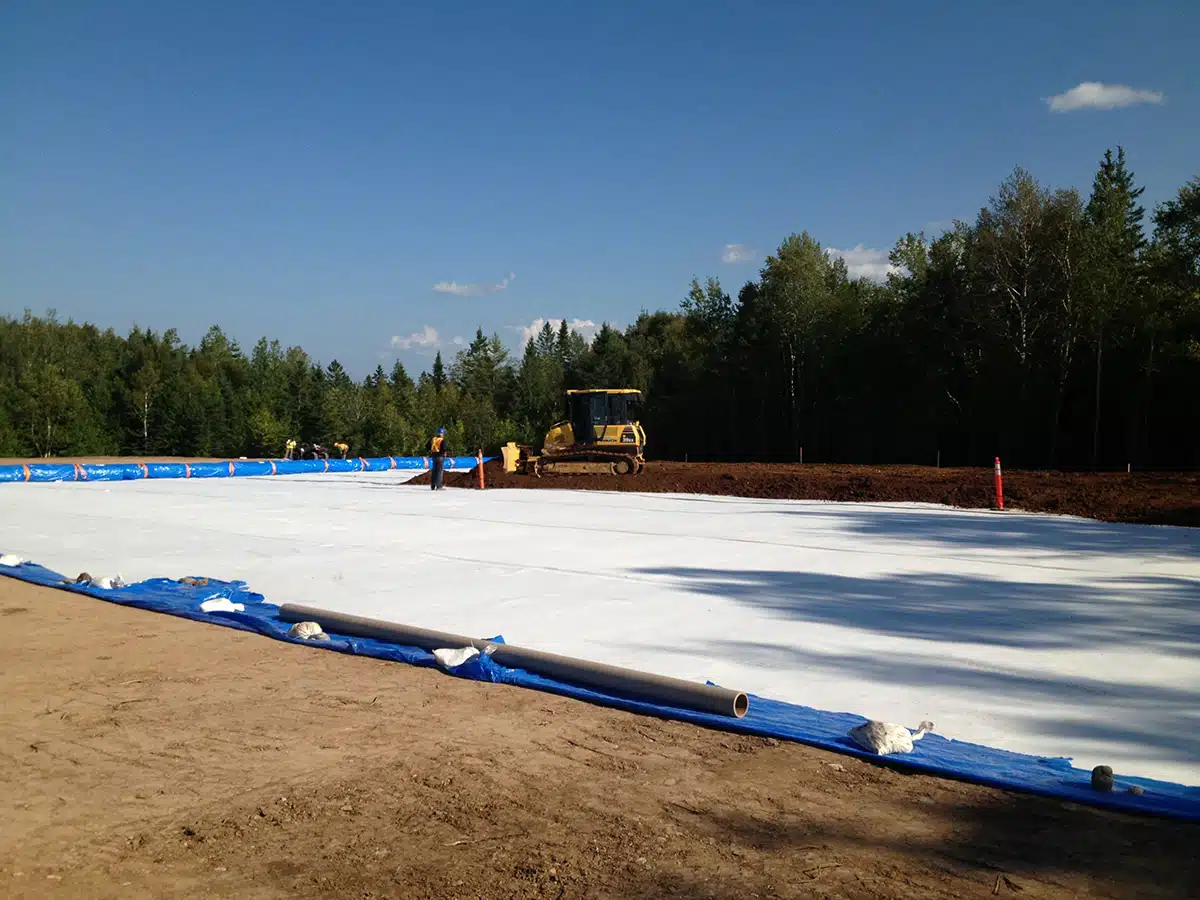
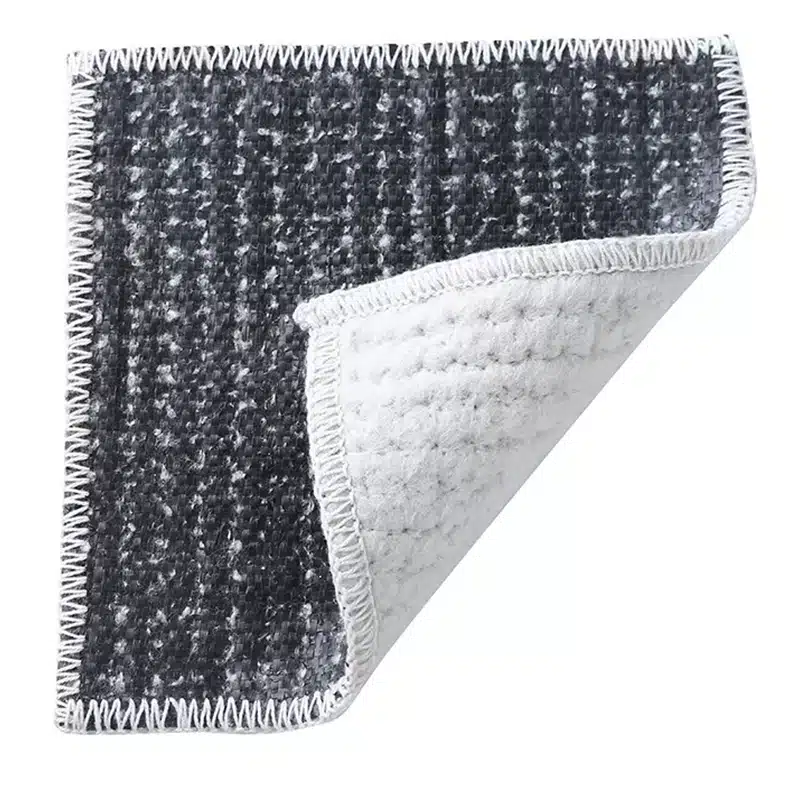
Geosynthetics are polymer-based engineering materials used to reinforce soil, improve drainage, control erosion, and deliver reliable containment across modern construction projects. Their importance lies in their ability to enhance structural performance while reducing reliance on natural aggregates. Engineers often consult material categories such as geotextiles, which provide separation and filtration, as shown in the reference products on Nonwoven Geotextile Materials. According to industry analyses, the global geosynthetics market value reached USD 16–17 billion in 2024 (Source: Industry Report — Market Overview), reflecting the expanding application of these materials in road construction, landfill engineering, mining containment, and coastal protection.
Where are geosynthetics used most commonly, and what advantages do they bring to engineering projects?
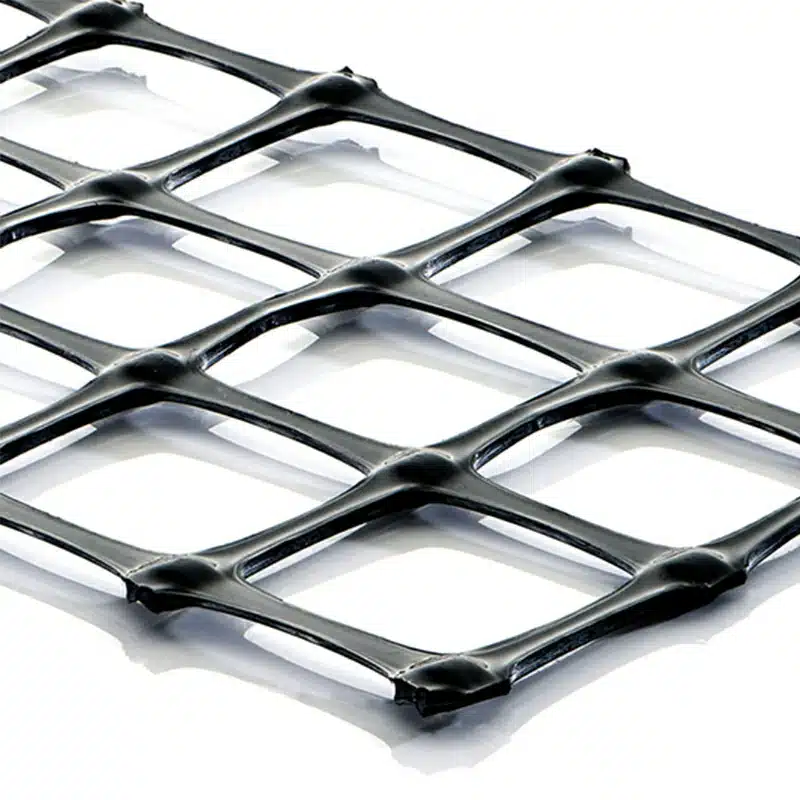
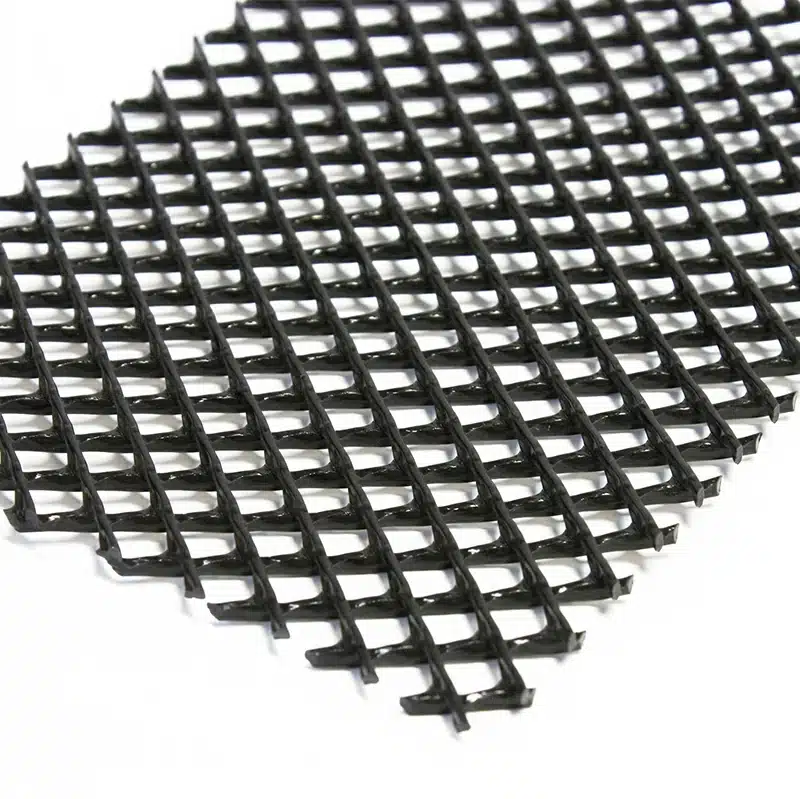
Geosynthetics appear in highways, railways, embankments, landfills, reservoirs, and large industrial foundations, where they improve load distribution, prevent soil mixing, and facilitate drainage. In water-sensitive or high-flow environments, drainage layers often include structured nets similar to those presented on Geonet Drainage Systems. These systems help move water laterally and protect fine soils from erosion. Industry assessments indicate global consumption exceeded 7.5–8.0 billion square meters annually (Source: Industry Report — Consumption Study), demonstrating their pivotal role in infrastructure expansion and environmental protection worldwide.
How should engineers select geosynthetic materials for different project conditions?
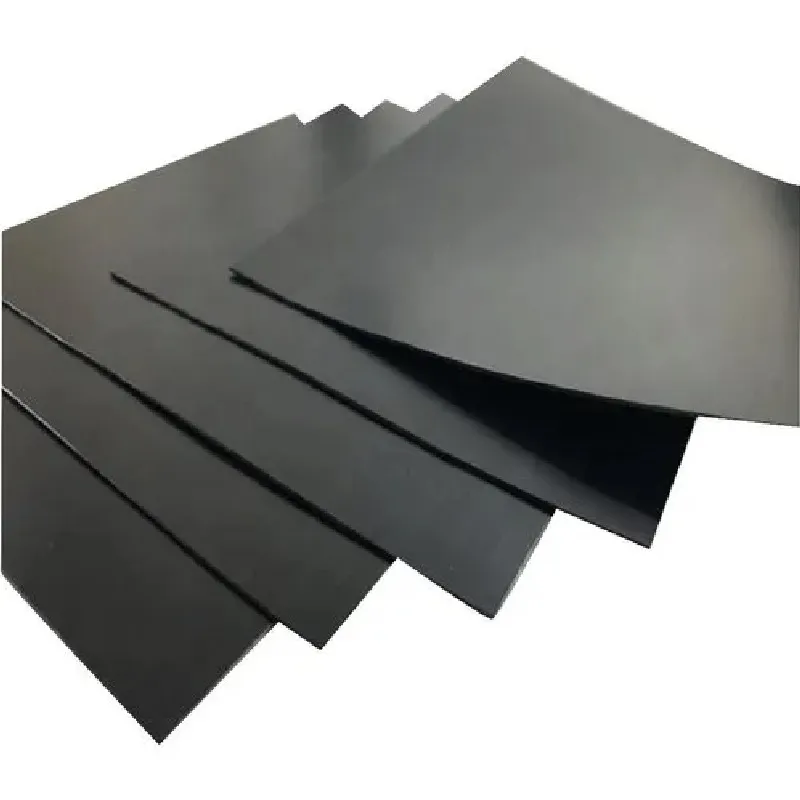
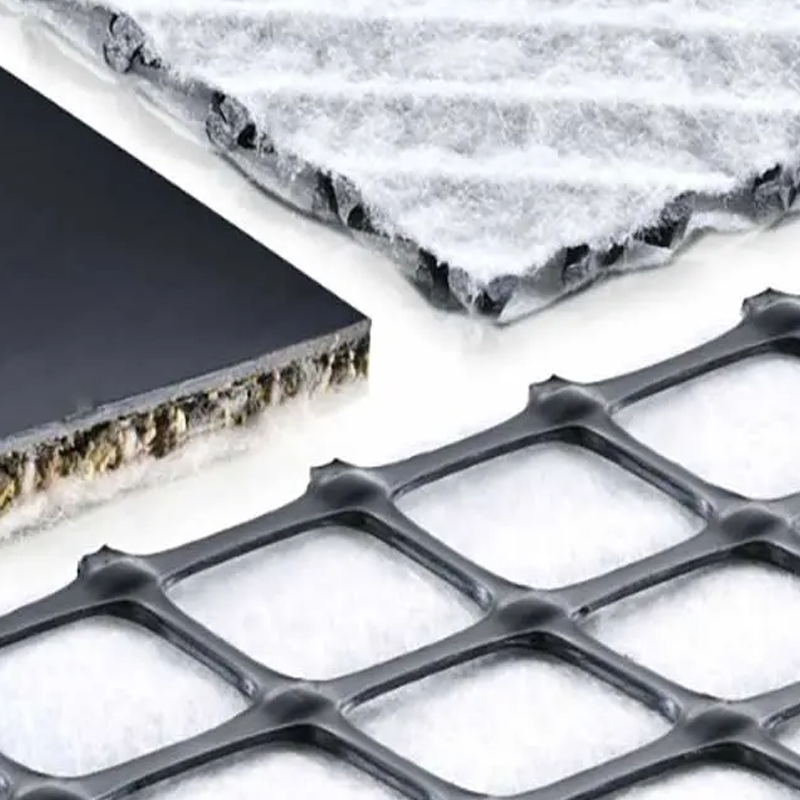
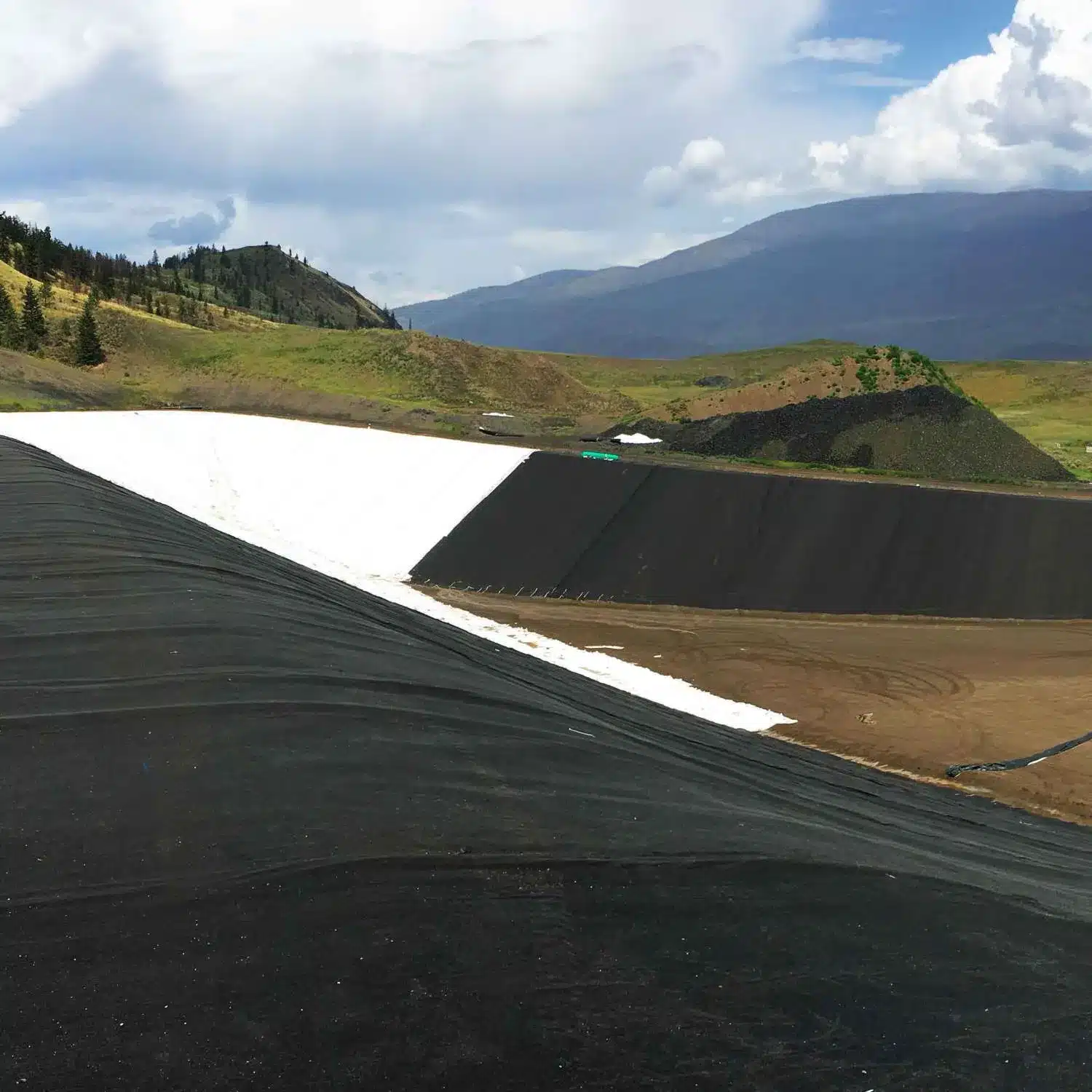
Selection depends on mechanical strength, filtration characteristics, chemical resistance, environmental exposure, and long-term durability. For containment applications—such as landfills, reservoirs, or industrial sealing—engineers often review product specifications similar to those shown on HDPE Geomembrane Solutions. These geomembranes ensure impermeability and chemical stability. As one of the recognized names in the sector, rowad international geosynthetics co ltd is often referenced in projects requiring consistent product compliance, certification, and high-performance polymer formulations capable of withstanding decades of service.
What industry trends are shaping the future of geosynthetics, and how does this relate to global suppliers?
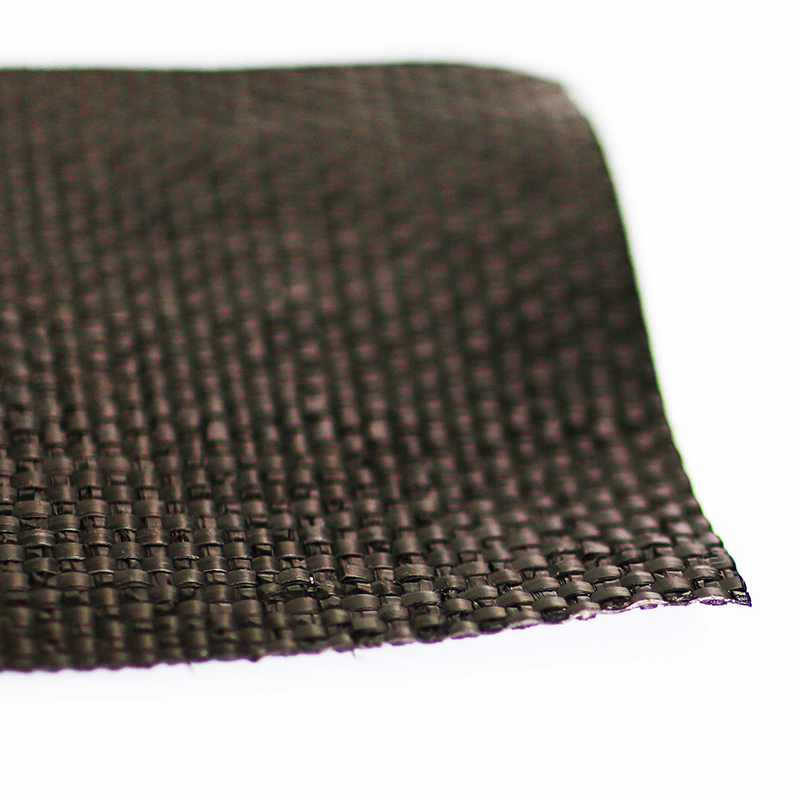
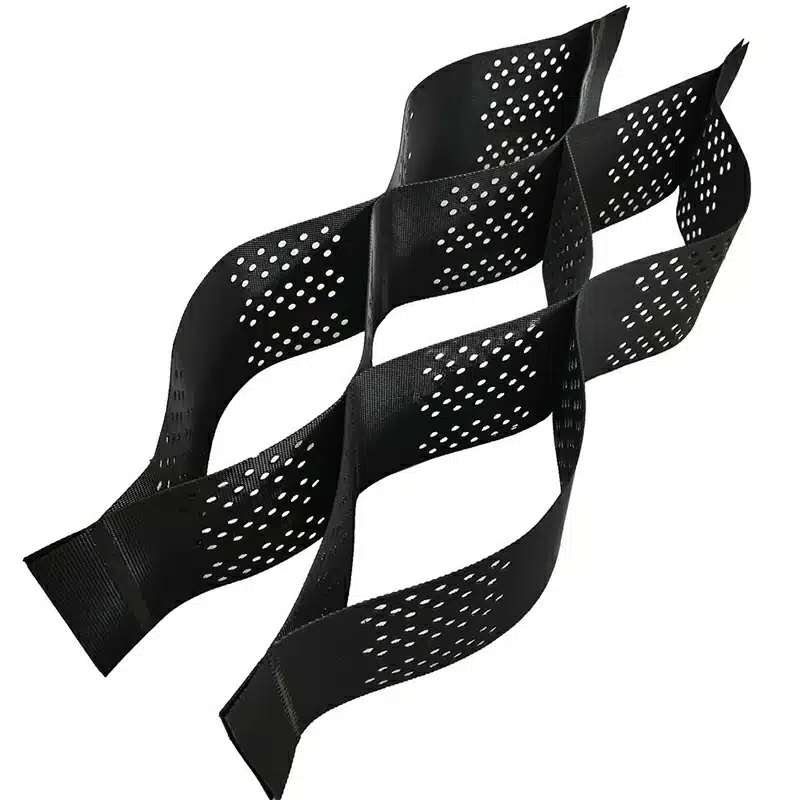
The geosynthetics industry is increasingly influenced by sustainability standards, durability requirements, and digital quality-control frameworks. Many nations are adopting materials that reduce carbon emissions by minimizing aggregate use and extending infrastructure lifespan. In erosion-prone zones, engineers commonly use three-dimensional protective structures similar to those detailed on Vegetation Geomat Reinforcement Systems to stabilize slopes and promote vegetation growth. Looking ahead, market forecasts indicate geosynthetics demand will continue rising at 5–6% CAGR through 2030 (Source: Industry Forecast — Global Infrastructure Outlook). In this environment, suppliers such as rowad international geosynthetics co ltd play an important role by supporting high-quality, specification-driven products aligned with modern engineering standards.
The geosynthetics industry continues expanding as infrastructure, environmental protection, and large-scale construction increasingly rely on polymer-engineered reinforcement and containment systems. With rising global demand and stronger performance expectations, materials such as geotextiles, geomembranes, and geogrids have become critical components in civil engineering. As the market evolves and design standards strengthen, companies like rowad international geosynthetics co ltd contribute by offering dependable material supply, specification accuracy, and long-term engineering value. Geosynthetics will remain fundamental to resilient and sustainable future infrastructure.
Get Free Sample
We’ll respond as soon as possible(within 12 hours)