

+86-159 9860 6917
info@geofantex.com
geofantex@gmail.com
+86-400-8266163-44899
Polypropylene geomembrane is widely used in landfill lining, mining containment, and wastewater storage projects because it provides excellent chemical resistance, flexibility, and long-term impermeability. As a result, contractors and project owners can improve environmental safety while reducing maintenance and installation costs.
What Is Polypropylene Geomembrane?
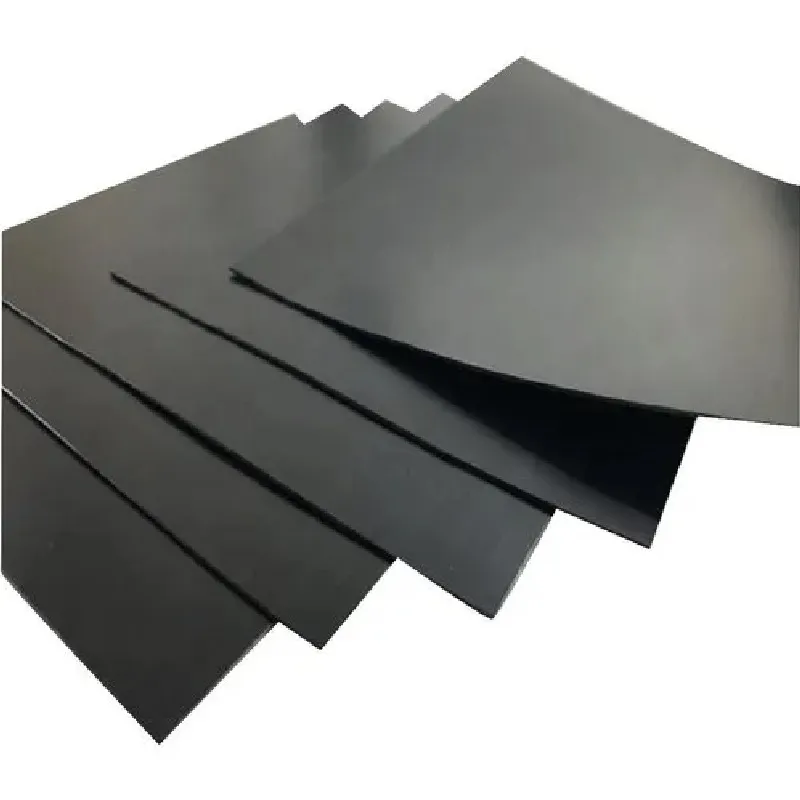
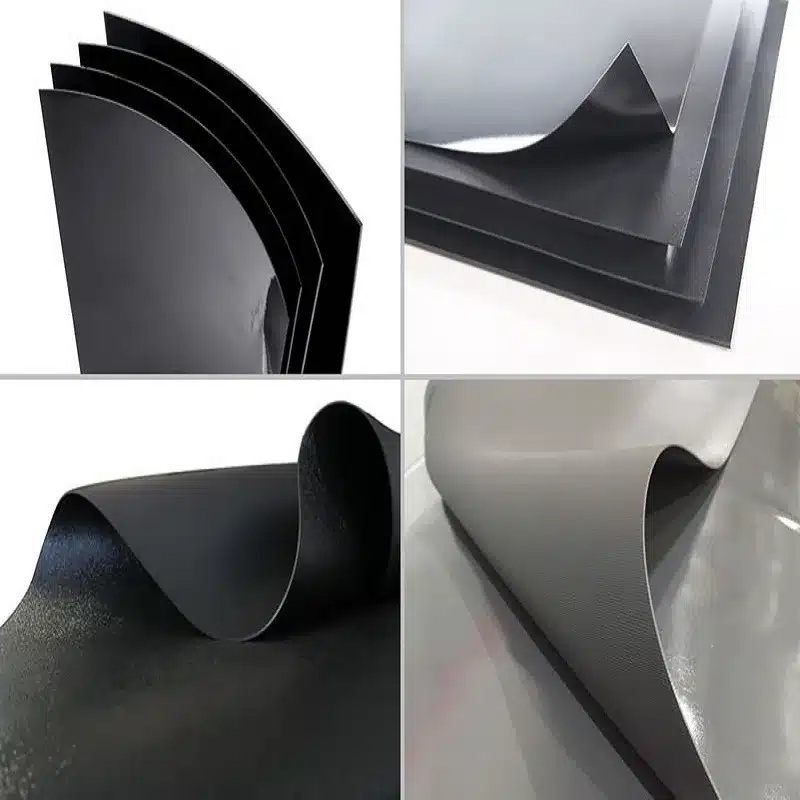
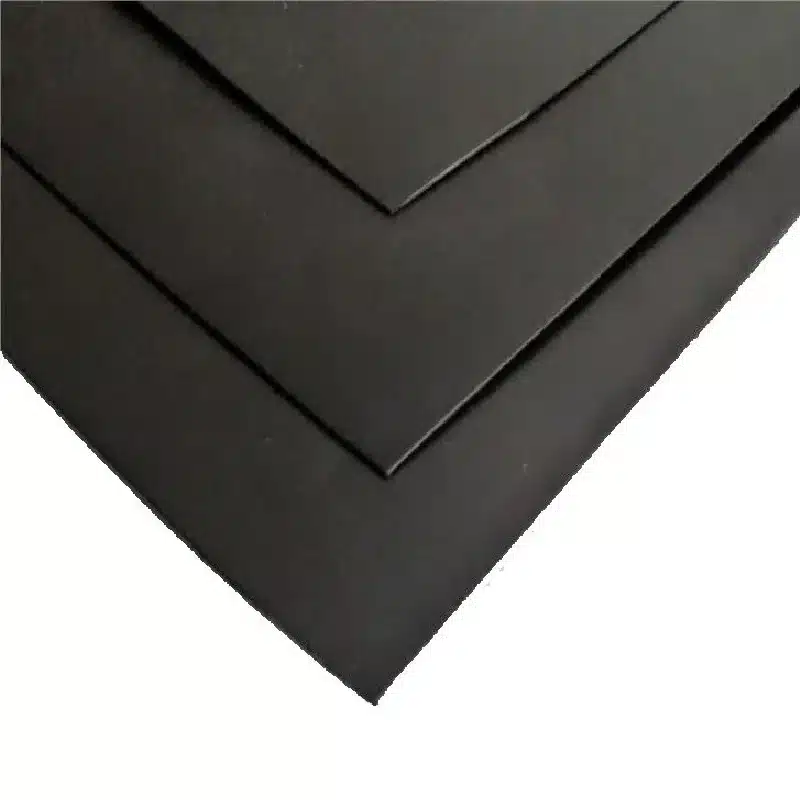
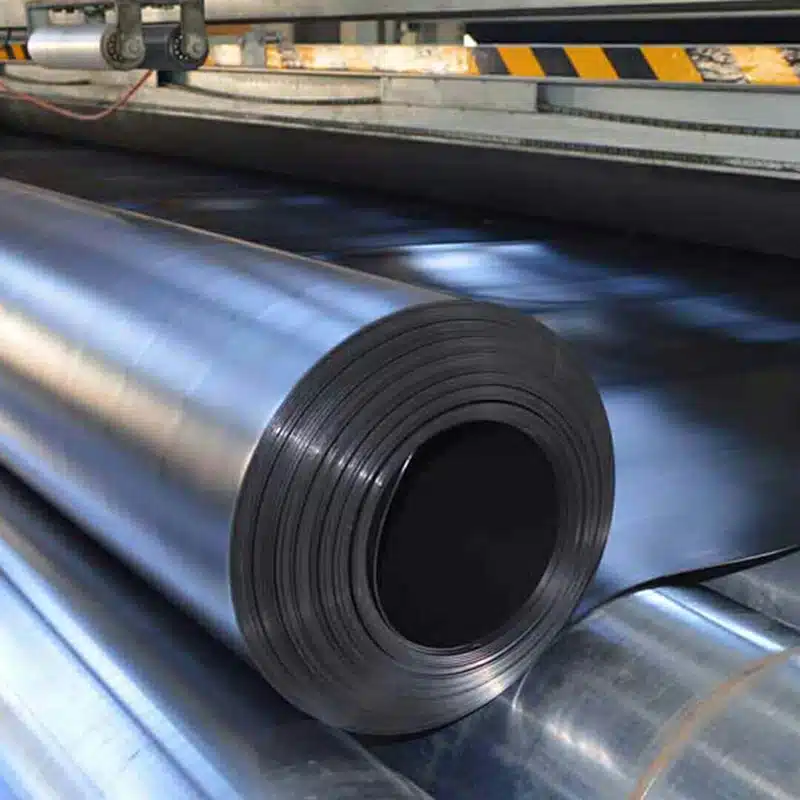
Polypropylene geomembrane is a low-permeability synthetic liner manufactured from polypropylene resin for containment engineering applications. It belongs to the geosynthetics family and is designed to prevent liquid leakage, soil contamination, and groundwater pollution in industrial and environmental projects.
Compared with traditional rigid liners, newer containment materials offer better flexibility and improved elongation performance. This makes installation easier on uneven surfaces and complex terrain. Today, these systems are widely used in landfills, reservoirs, mining facilities, chemical ponds, and wastewater treatment projects.
According to industry statistics, the global geomembrane market exceeds USD 1.8 billion annually, demonstrating strong demand for modern containment materials.
Many engineering contractors now prefer high-performance polypropylene geomembrane systems because they combine durability with efficient field welding performance in large-scale projects.
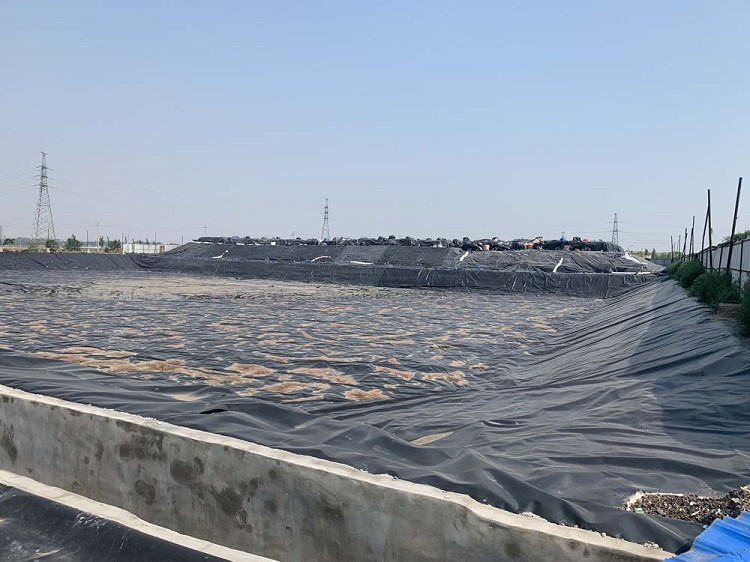
Why Polypropylene Geomembrane Is Important in Landfill Engineering
Modern landfill facilities require reliable barrier systems that can resist chemical exposure for decades. These materials help operators meet environmental regulations while improving long-term project safety.
Key advantages include:
- Excellent resistance to acids and industrial chemicals
- High flexibility in cold weather environments
- Strong puncture resistance for rough subgrades
- Long service life under UV exposure
- Reduced maintenance and repair costs
Geomembrane systems are critical in municipal solid waste facilities because they minimize groundwater contamination risks and improve environmental compliance.
Global demand for geosynthetics increased from 2.8 billion m² in 2007 to 5.2 billion m² in 2017.
Many environmental contractors also select advanced polypropylene geomembrane materials for landfill liners because factory fabrication can reduce on-site installation time and improve seam consistency.
Applications in Mining Containment Systems
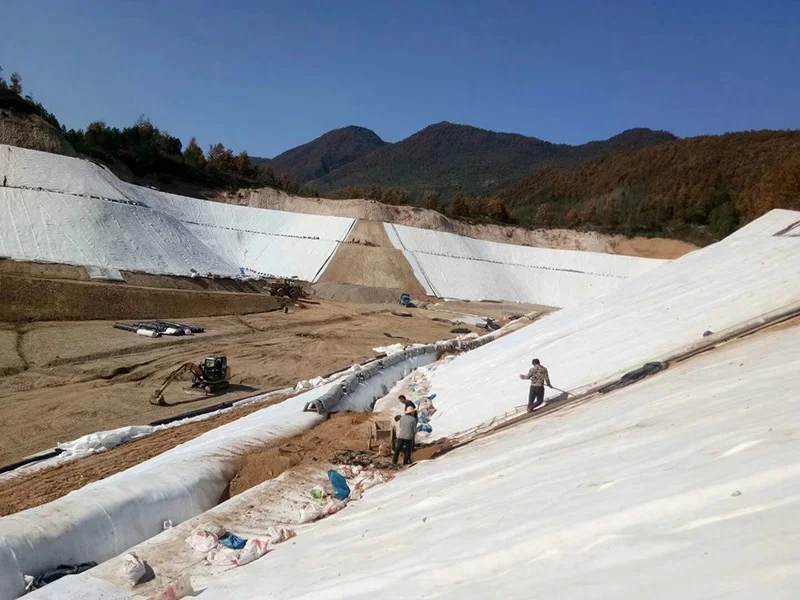
Mining projects require durable materials that can handle aggressive chemicals and difficult site conditions. Engineers commonly use these systems in heap leach pads, tailings ponds, evaporation ponds, and water containment facilities.
In mining applications, polypropylene liners provide several operational benefits:
- Chemical resistance for acidic mining solutions
- Flexible installation on uneven terrain
- High tensile strength for long-term stability
- Reduced leakage risks in tailings storage systems
The Asia-Pacific region has become the fastest-growing market for geosynthetics due to mining expansion and infrastructure investment. Industry reports show regional demand increased from 723 million m² to 2.33 billion m² within ten years.
As environmental regulations become stricter worldwide, mining companies increasingly adopt polypropylene geomembrane solutions for mining containment projects to improve sustainability and operational safety.
How to Choose the Right Containment Material
Choosing the correct liner system depends on project conditions, environmental exposure, and installation requirements. Before selecting materials, engineers should carefully evaluate several factors.
Thickness and Mechanical Properties
Thicker geomembranes usually provide better puncture resistance and durability in demanding environments.
Chemical Compatibility
Projects involving industrial wastewater or mining chemicals require materials with verified chemical resistance performance.
UV and Weather Resistance
Outdoor projects benefit from UV-stabilized geomembranes designed for long-term environmental exposure.
Welding and Installation Quality
Reliable field welding is essential for maintaining liner integrity and preventing leakage over time.
Industry research shows that factory-fabricated geomembranes can reduce field seaming by 70%–90%, improving installation efficiency and lowering project risks.
Today, polypropylene geomembrane technology continues to evolve as manufacturers develop stronger, more flexible, and environmentally sustainable containment products for global infrastructure projects.
Get Free Sample
We’ll respond as soon as possible(within 12 hours)